

Photography by George Hutton for The Observer
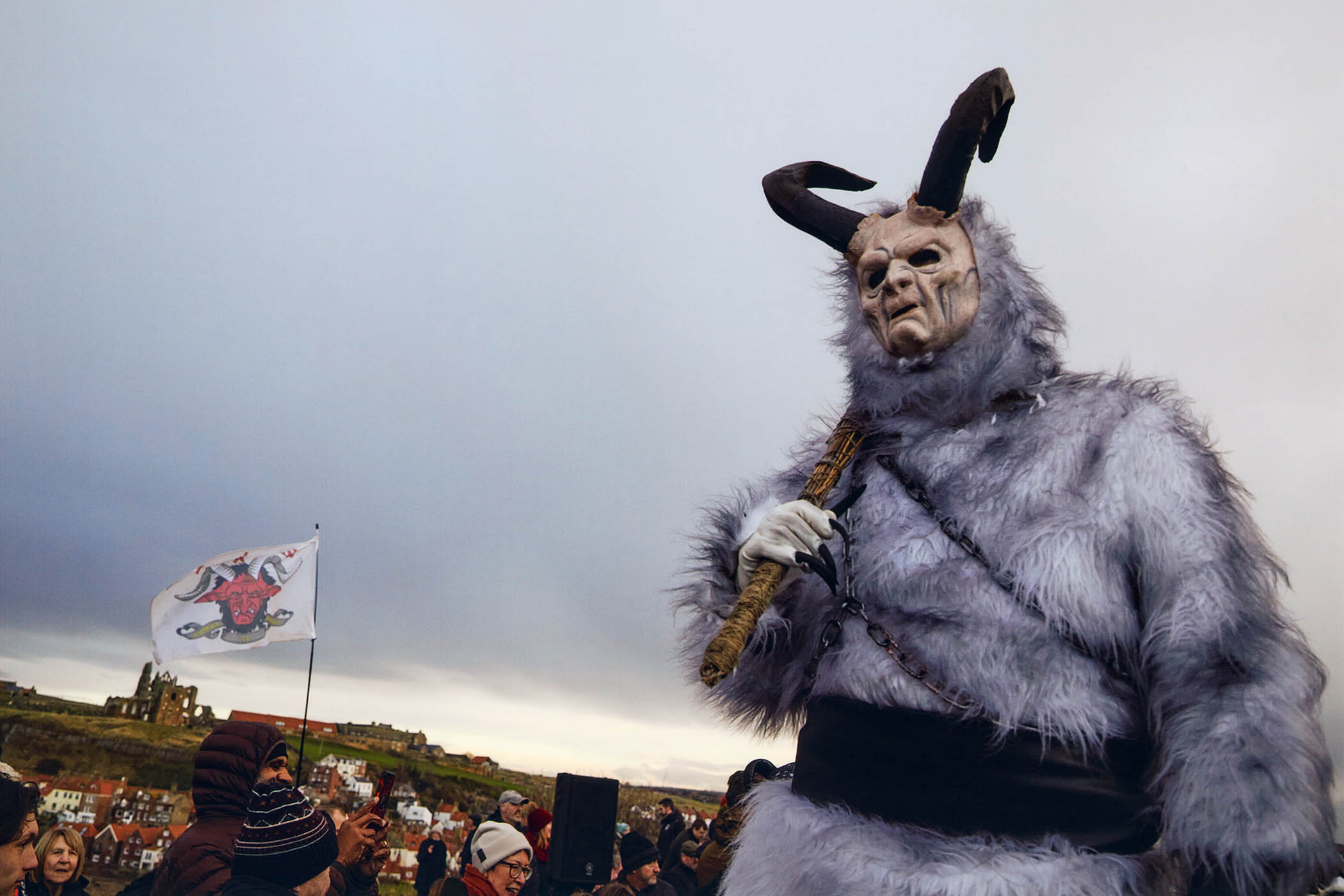
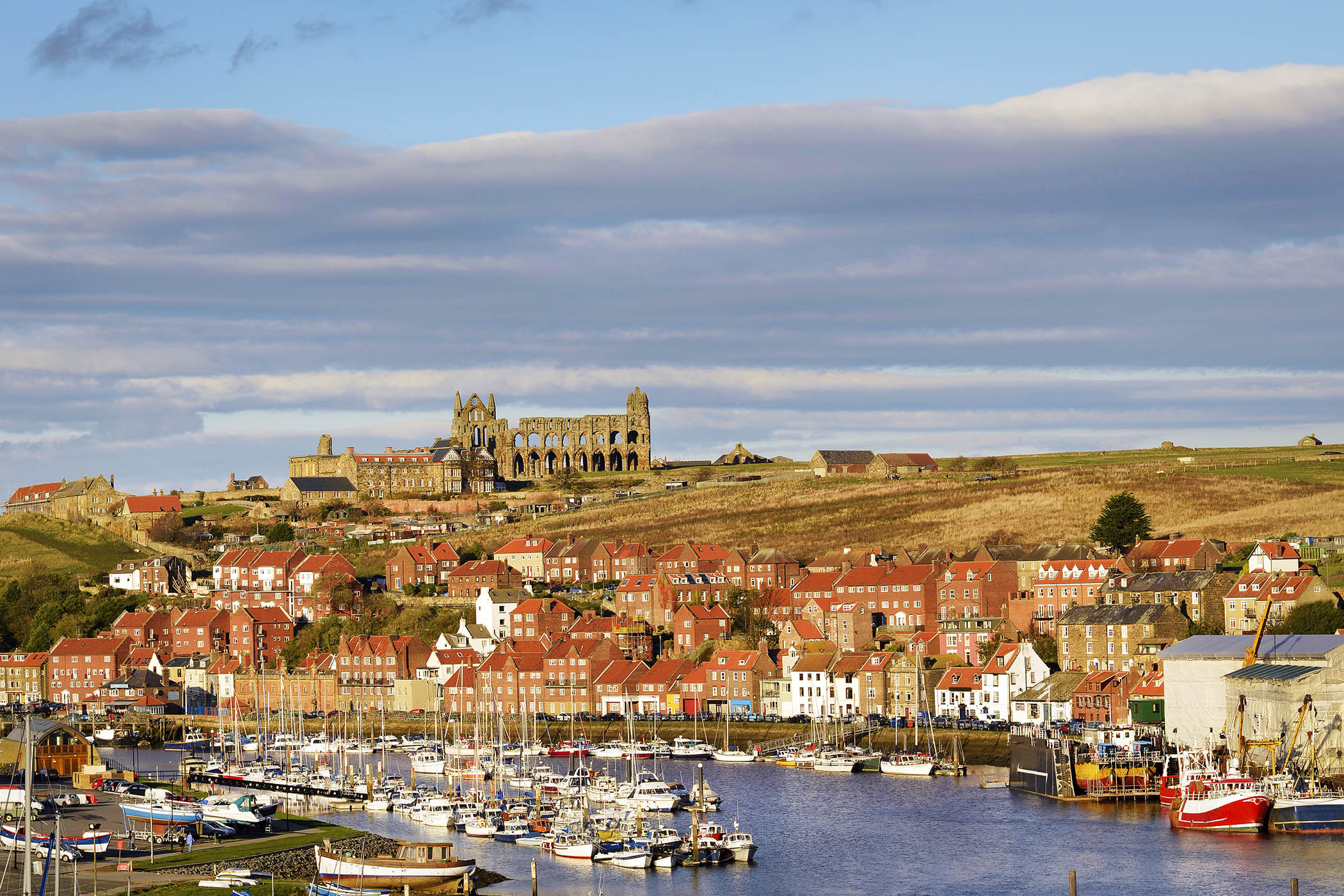
It’s Krampus time, and there’s no need to be afraid. At Krampus time, Whitby gleefully banishes light, welcomes shade – and belts out rewritten lyrics to Band Aid’s 1984 Christmas anthem in celebration of the 11th Whitby Krampus Run.
While Krampus events are widespread across Europe, the Yorkshire seaside town was the first in the UK. It celebrates the horned, hairy, devil-like figure of central European folklore who serves as Saint Nicholas’s dark counterpart, punishing misbehaving children on 5 December (Krampusnacht).
As the parade began at the foot of Whitby’s historic 199 steps, drummers pounded out a slow, reverberating rhythm. Horned creatures gathered beside them, cowbells clattered and crowds pressed along the cobbles of Church Street. Tourists with still-warm fish and chips jostled beside locals clutching pick ‘n’ mix bags, all waiting for their first glimpse of the procession.
If you were simply in Whitby for a Saturday shop, the deep drumbeats would have felt ritualistic. There were no jingle bells or hint of Mariah Carey, yet the air pulsed with its own darkly festive charge. The procession swept over the ancient swing bridge and down Baxtergate, past familiar high street staples and boarded windows, breathing life and a carnival atmosphere into the street.
Chris Smog spent years following Austria’s famous Grazer Krampuslauf before discovering Whitby’s interpretation on social media. He and his wife decided to join the run in 2023 after seeing the “respectful and creative way Whitby Krampus combines Alpine tradition with the folklore of Yorkshire and the British Isles”.
The Whitby event attracts visitors from across the country, including for the past two years Emmie Creighton-Offord and her husband David. They stumbled upon the Krampus Run by accident last year, and instantly felt at home among “kindred spirits with a love of playful performance tied to traditions of the past”. Now they travel a hefty 16-hour round trip from the Highlands in their camper van, with teenage son Vincent in tow, for a weekend of mischief and mayhem.

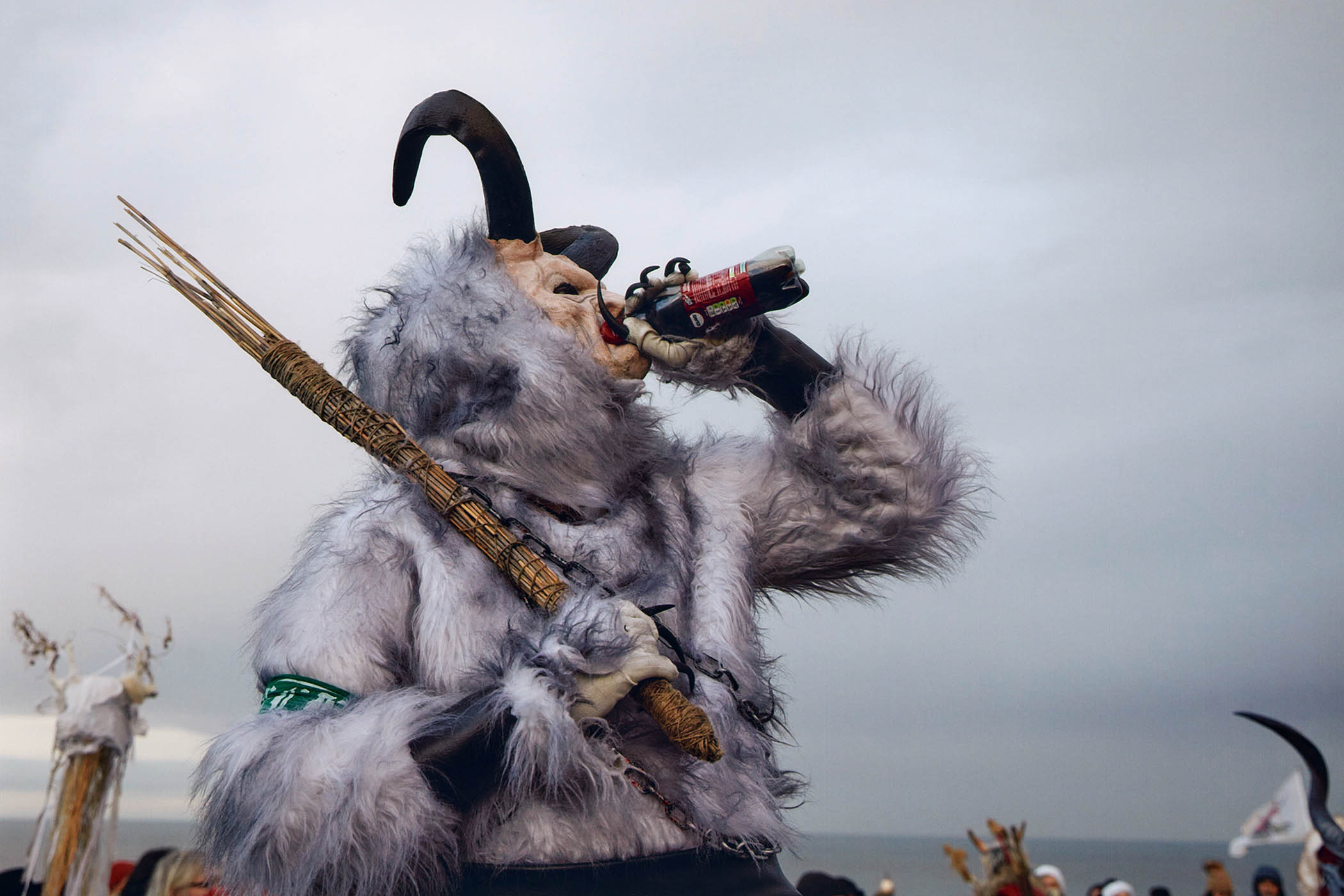
Talk to the people behind the masks and it becomes clear the festival runs on community spirit. Seventy-year-old Sue Arnott, who first encountered the run while in Whitby to scatter her father’s ashes, was instantly embraced by the community. “I never expected, at my age, to make a whole new group of friends,” she said. “They’ve welcomed me with open arms.” It’s a gathering built on creativity, inclusion and the joy of making things together.
Once the parade ended, the performers roamed the town, posing for photos and interacting with crowds. Despite the fearsome skeletal masks and wild fur, there was no sense of menace. A creature with towering horns high-fived a row of curious children; a figure with glowing eyes handed out candy canes to other squealing youngsters. Misrule, but always with a wink.
Among the spectators were Andy and his family from nearby Middlesbrough, who had spent the morning on the beach before bringing their five-year-old daughter Story to see the spectacle. Story was delighted by the creatures, and swept up in the friendly chaos. Andy praised the Krampus community’s creative twist on Christmas: “It’s great to show children different traditions, and how fun they can be.”
Newsletters
Choose the newsletters you want to receive
View more
For information about how The Observer protects your data, read our Privacy Policy
As Elaine Edmunds, founder and guiding force of the Whitby Krampus tradition, explains: “Making things around a theme or performance has brought people together creatively. It’s a great learning experience. We talk a lot about magic and connections, and those are the kinds of things that bind human beings together.”
Whitby Krampus officially launched as a public event in 2016, though its roots stretch back further, to an alternative life-drawing class called Decadent Drawings organised by a group of like-minded friends. Krampus appeared in that artwork as a recurring figure, eventually inspiring mask-making, puppetry and performance. The group shared an interest in folklore. What began as a creative experiment soon spilled on to the street.

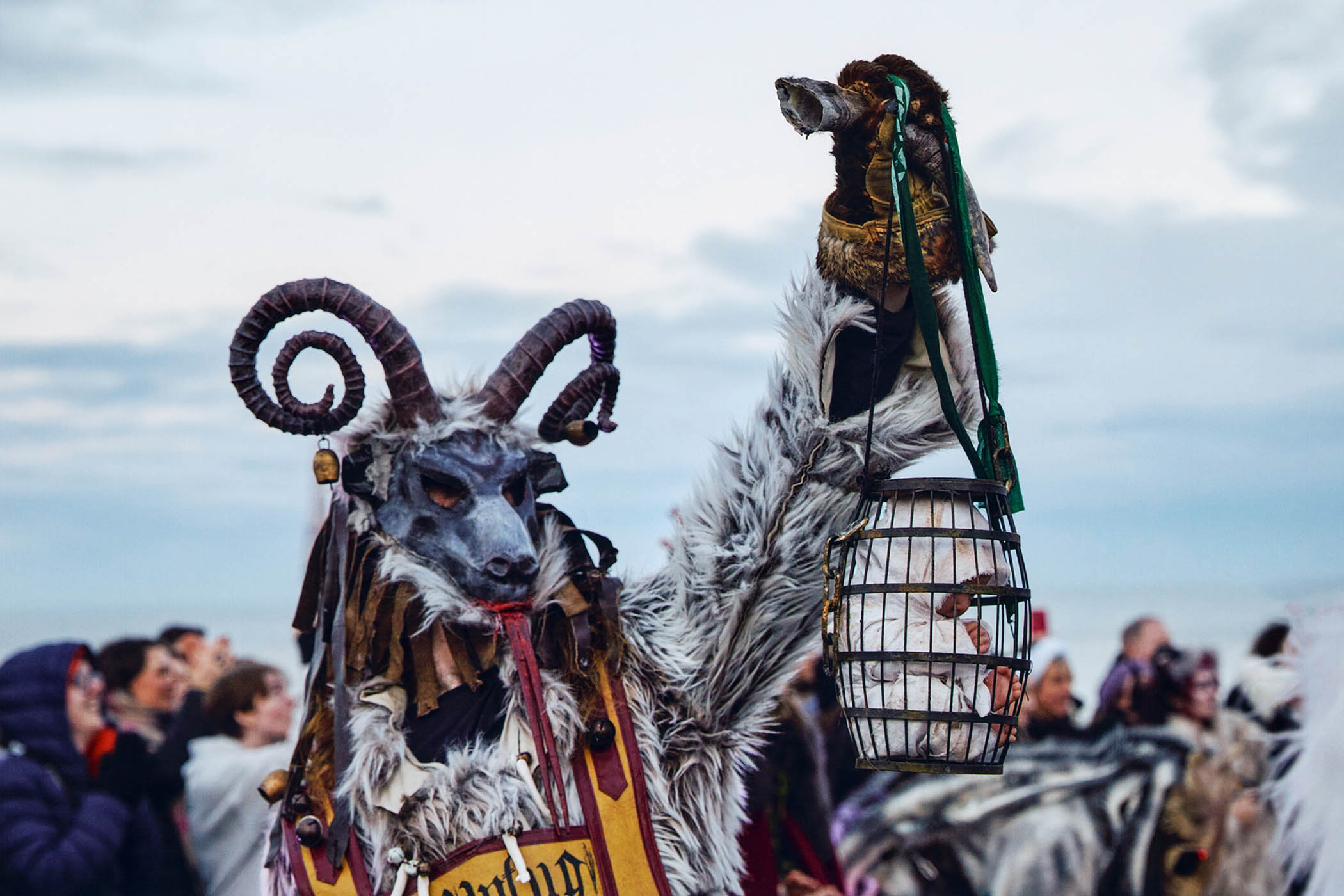
As dusk settled on Saturday evening, crowds gathered once again, this time by the Whitby Whalebones, beside Captain Cook’s statue. With the harbour below and the silhouette of Whitby Abbey in the distance, the Whitby Trommel Fiends began to drum and chant, summoning ancient spirits.
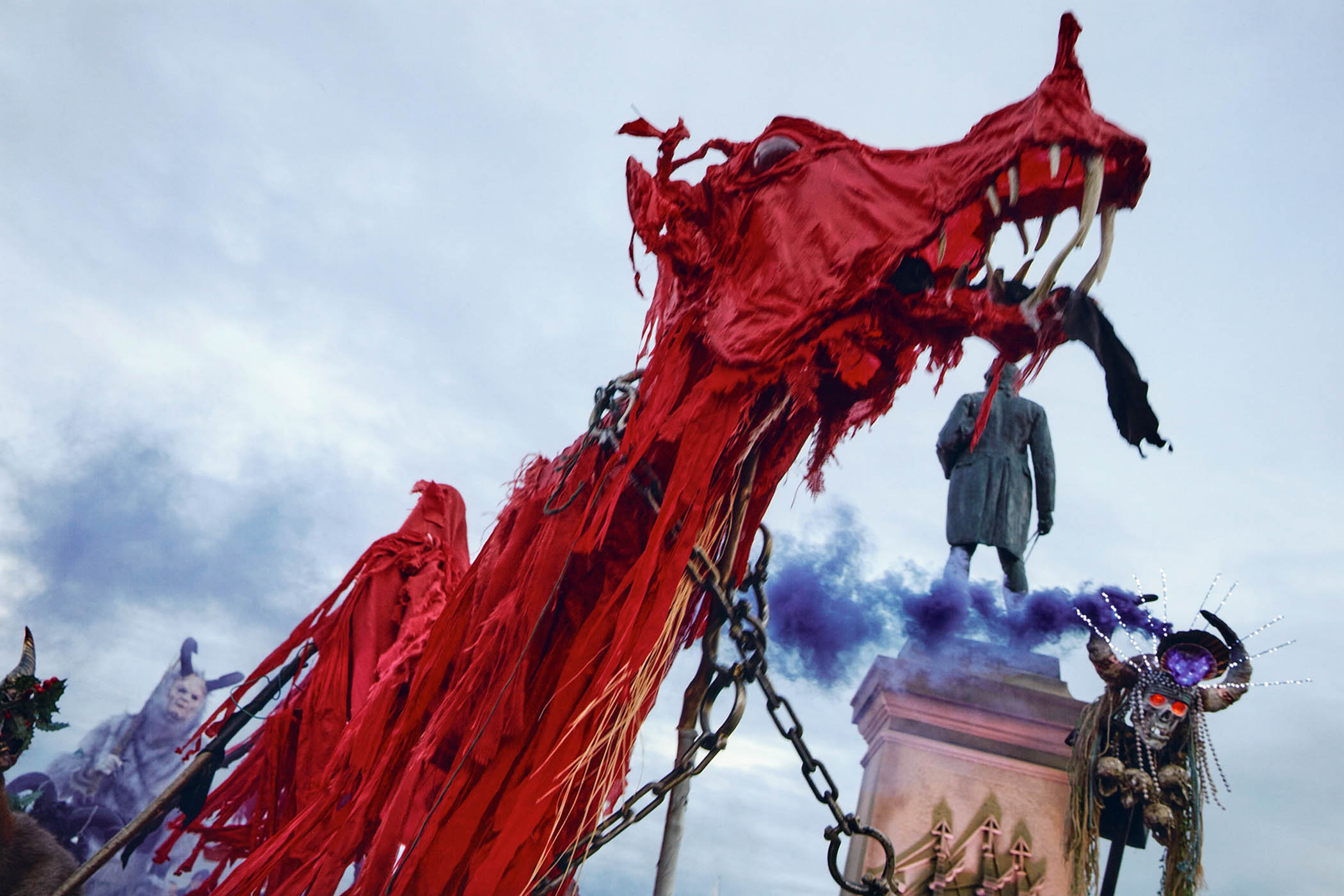
Organisers handed out tea trays from the Royal Hotel and wooden “toot flutes”, urging everyone to “bring the noise!” Lawrence Mitchell, leading the procession, explained the raucous goal: to lure out “the Wyrm”, a legendary local dragon said to have been disturbed during the construction of Whitby Abbey in 657AD.
It worked. Hundreds clattered their trays, blew whistles, and cheered as a hand-crafted red dragon – operated by three performers – emerged and wound its way through the crowd. Children shrieked with delight. As local Flynn Middlemas put it, “it’s only in Whitby you can head out for an afternoon walk and stumble upon this.”