
The king’s brother is arrested, his house is searched and we question the suitability of public magic as a system of rule, as we should. Some things are too weird to survive rational scrutiny, even if you are British and once ruled a quarter of the globe. The obvious truth is that being royal doesn’t preclude you from monstrous acts, and this is now exposed.
These are bad days for the British class system and its founding theology: the idea that, if you are noble, you are good, perhaps even invested with residual divinity. (We will have a new elite in time, no doubt, but it won’t be like this. There won’t be capes.) The polling on Britain’s monarchy is dire, and has been for a while, especially among the young, who can’t afford magic – they want homes and well-paid jobs instead – and know a grift when they see it. Less than a third of under-34s want a monarchy. By the time you read this, it will be fewer.
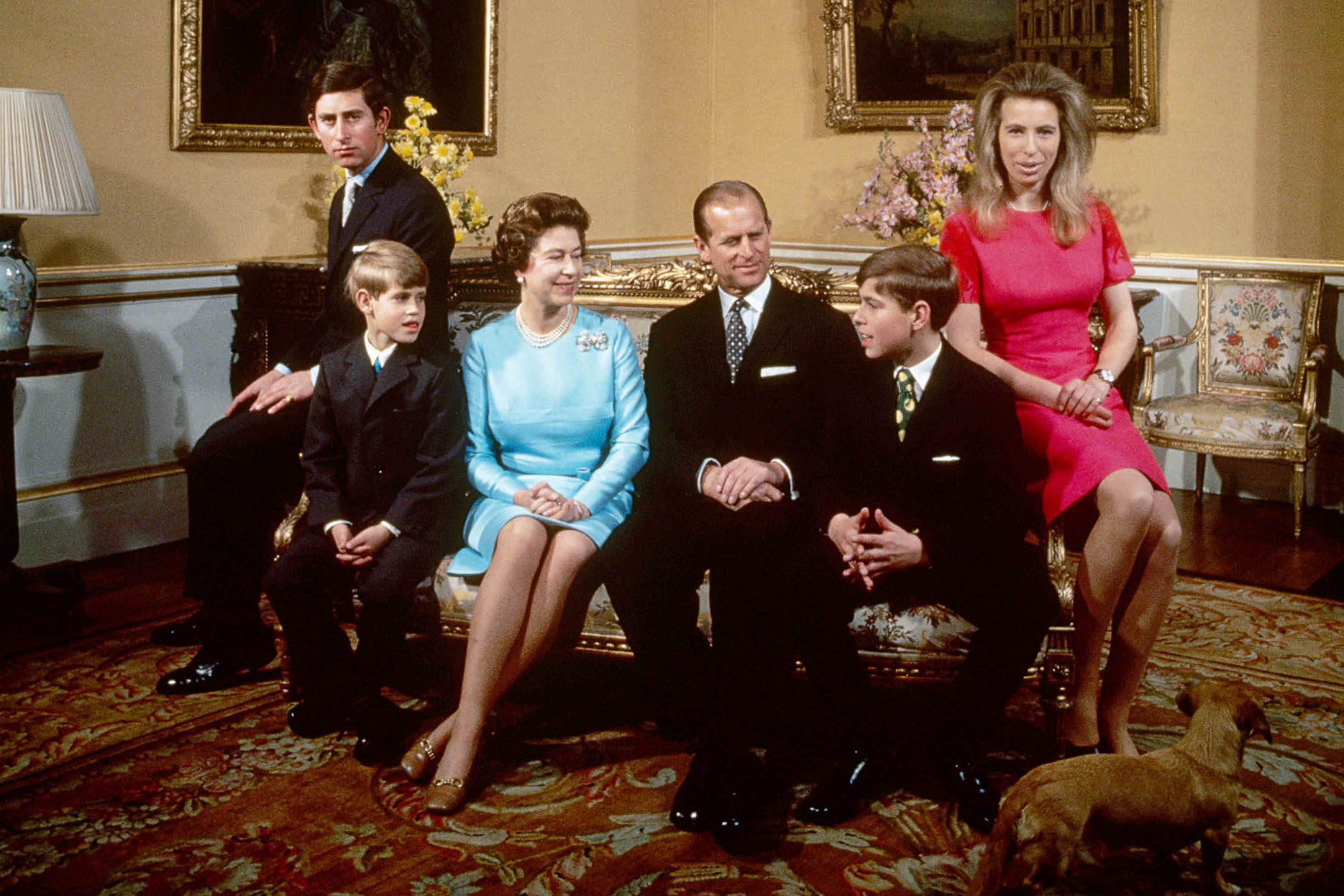
In Elizabeth II’s day, I often wondered: what is the fatal flaw in this sovereign edifice and this system that she manifests? Now we know for sure: bad mothering. Being human, in other words. Gods make bad humans and vice versa. Magic doesn’t work for everything, and being sovereign these days is a contortion, not a job.
You can’t mother four individual countries (and that doesn’t include the Commonwealth) and four children too. Her royal sons were brought up on both reverence and neglect. I think of WH Auden: “Every farthing of the cost, / All the dreaded cards foretell, / Shall be paid.” Perhaps now.
Andrew Mountbatten-Windsor (the name exists to stop the family sounding German, the challenge of another century) is hurtling down the cliff. His family will try to make sure they do not follow him, because when you have held a throne for this long, you cannot help but try to keep it. They are Pavlov’s kings and they will act to defend themselves, even if they do not want to.
Andrew was arrested last Thursday on suspicion of misconduct in public office and released the same day. He denies wrongdoing and no charges were brought. In the photograph snatched while his car was leaving the police station, he looks faintly paranormal, as if his soul has been scooped out with a spoon. All hereditary magic has gone and been replaced with the possibility of prison weeds the colour of tarmac.
The king’s statement – “Let me state clearly: the law must take its course” – ended with the line: “Meanwhile, my family and I will continue in our duty and service to you all.” This is an exquisite attempt to burnish his image during his brother’s downfall – but they brief against each other always.
A queen begat a monster, then: Andrew’s defining characteristic is that he is an imbecile, but he is more than just infantile – with his 72 teddy bears and his ball that looks like a breast – and rude. The monarchy could deal with monstrous offspring, but it would have to lock him up somewhere, probably in a subterranean cave: daylight feels wrong in this story, and monarchy is a story.
It has done it before – to Edward V and his little brother, Richard, and sometimes to its wives – but it no longer has the power, just the show of it. This is monarchy manqué, not the real bloody deal, and it knows it: when Henry II had the archbishop of Canterbury murdered, he didn’t have to issue a press release.
Jokes about butts of Malmsey wine being delivered to Norfolk for Andrew to drown in aside – it’s a good week for historians of the Wars of the Roses as well as Marxists – the royal family can do little. They can remove him from the line of succession; they can refuse to be seen publicly with him; they can punish his silly daughters for being his silly daughters (I saw Beatrice at Carbone, a gilded London restaurant, the week he lost his titles and was amazed); they can tut at him.
Newsletters
Choose the newsletters you want to receive
View more
For information about how The Observer protects your data, read our Privacy Policy
They can say that King Charles was against his brother being made trade envoy because he thought he would play golf and chase women; they can say that no other royal men appear in the Jeffrey Epstein files, leaning over what seems to be a teenager, and that she is as inanimate as stone.
What they cannot say is the truth, because their fortune and history are predicated on a lie: that a royal monster is as predictable as a non-royal one, or even more predictable. They do not embody the best of us, always a fantasy: I think of Edward VII’s use of sex workers and Princess Margaret’s thwarted spite, and that’s off the top of my head.
They are trying to survive madness. Most children don’t grow up in a vestigial empire dream sequence for an audience of journalists who want to eat them. They cannot rely on the media these days, any more than they can rely on the president of the US not to release their secrets.
The media loved the monarchy for the clicks; now they will hate it for the clicks. Andrew’s downfall was inevitable: drugged by his royalty, he gorged, and then we caught him. This is only the beginning of his revelation and nothing that is coming will surprise me.
As Prince Harry relates in his memoir, Spare, royal life off-camera is cruel. Harry was chased by his brother and his friends with shotguns; a Balmoral gamekeeper stuffed his face inside a dead deer; and he walked behind his mother’s coffin to protect his father’s reputation.
Andrew Lownie’s Entitled, a portrait of Andrew and his ex-wife, Sarah Ferguson, reveals a man who was honoured but never loved. Lownie has a source saying that Andrew, as a child, had a sex worker arranged for him by a schoolfriend’s father. This is sexual abuse, of course. I am not surprised he washed up with Ghislaine Maxwell and Epstein.
Though they are Pavlov’s princes, I think they, better than anyone, know the truth: that you cannot function within monarchy, no matter how you spin it. There are just too many raging princes and unhappy princesses. My guess is Charles thought he was owed the crown, after his intimate conversations with Camilla were, so shamefully, broadcast – otherwise, what was the agony for?
Prince William doesn’t say much, but when he does, it is about mental health, often his own. Harry’s Spare is a plea for both self-knowledge and freedom. Their mother, Diana, Princess of Wales wanted out as soon as she knew the truth – there was no love in being royal, it was a mirage – though leaving killed her. It will be HR, not a revolution, that will do for the monarchy in the end. You can’t call people gods, and keep them happy, and good.
When Elizabeth II died, I wondered if she, the curator of our national myth for so long, would take it with her. Monarchy is not a stable system, not in the democratic age. Elizabeth was not the norm, but the anomaly: she got lucky, probably because we associated wartime victory with her personally. In wartime, she was – and I am always amazed by this – a mechanic!
But she gave only the appearance of stability while, underneath her, things fell apart. In that, she was a mirror of her country, even in death. The infrastructure – that is, her children – was faulty, because it could never be anything else. All games have an ending. Here is one.
Photograph by Getty Images