
The vitriolic criticism didn’t chime with the image presented by the Green candidate Hannah Spencer, a smiling 34-year-old plumber who delivered an acceptance speech woven through with traditional Labour values of hard work and aspiration.
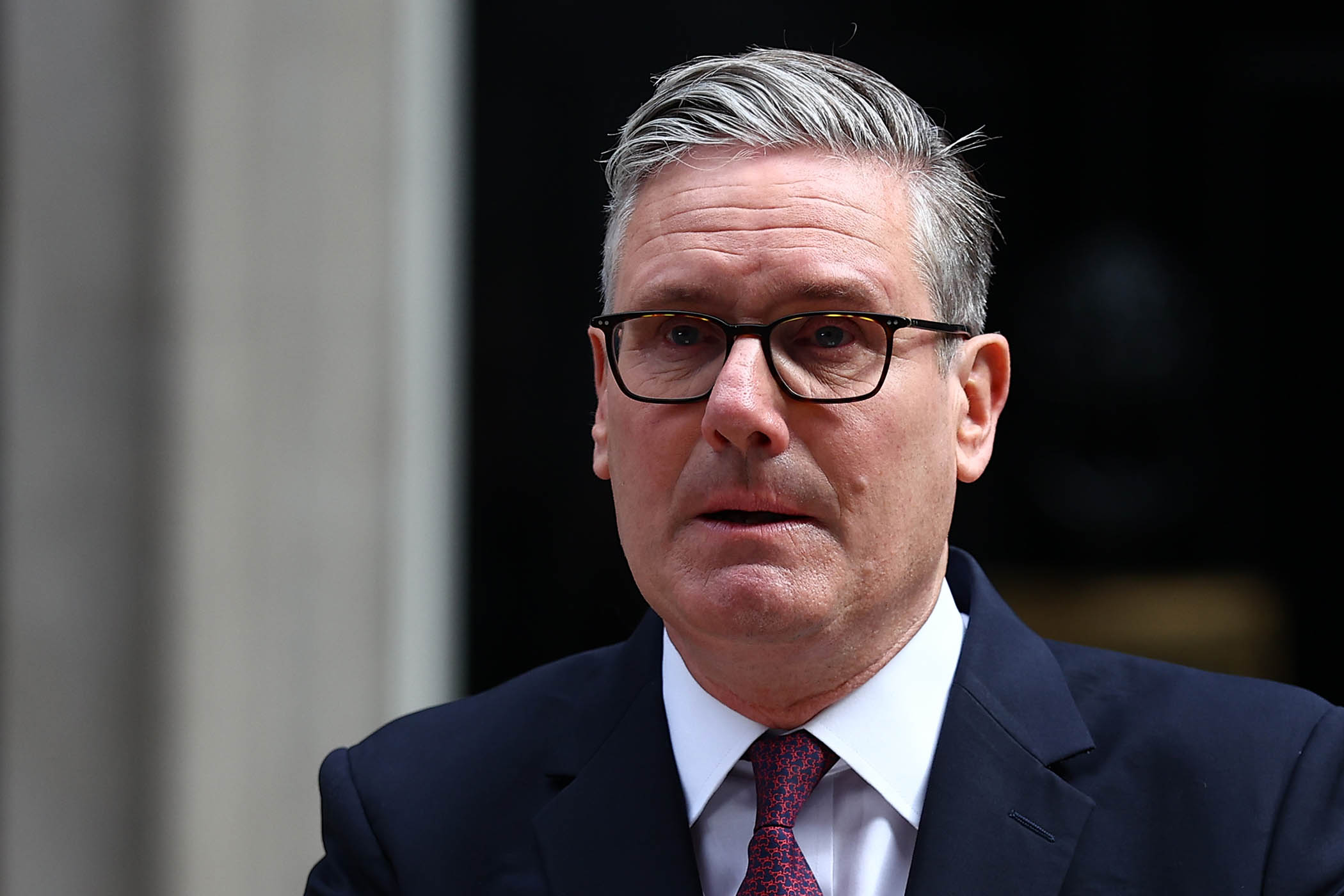
Now senior Labour figures, including cabinet ministers, fear Keir Starmer is making the same mistake by being so aggressive in his attacks on the Greens. In a letter to MPs after Labour was forced into third place at the Gorton and Denton byelection last week, the prime minister said Zack Polanski’s party represented “divisive, sectarian politics” and denounced its policies as “extreme”.
More from The Observer: Zack Polanski: ‘Labour ignored voters in Gorton and Denton. We listened to them. And we won.’
The prime minister may disagree with Polanski over withdrawal from Nato and decriminalising drugs, but his tone risked further alienating the voters Labour needs to win back. There were shades of David Cameron dismissing Ukip as “fruitcakes”, “loonies” and “closet racists”. One cabinet minister described Starmer as “completely tin-eared” and “disastrously graceless”.
It was also complacent to insist, as the Labour leader did, that the Greens “simply do not have the resources, the activist base or the local knowledge” to replicate the result around the country. Yesterday they leapfrogged over both Labour and the Conservatives into second place in a YouGov poll that put the Greens on 21%, just two points behind Reform. Labour and the Tories were tied on 16%. Of course it is just one poll, but Labour can no longer assume it is the only party that can stop Reform.
In his conference speech last year, Starmer said he was engaged in “a fight for the soul of our country” against Nigel Farage. The dividing lines were drawn between “renewal and decline”. Now it seems the struggle is not between the forces of progress and the agents of reaction, but between the Labour tribe and the rest.
Lucy Powell, Labour’s deputy leader, struck a markedly different tone in my interview with her last week when she called for Starmer to put their party at the head of a “progressive alliance”, including those tempted to vote Green. Sadiq Khan, the London mayor, is also urging Starmer to change course and “unite progressives” to keep out Reform. “The vast majority of those who are thinking of voting Green are not extreme,” he said.
In fact many of Polanski’s supporters previously voted Labour. Only 29% of those currently planning to vote Green backed the party in 2024 and 41% of them voted Labour, according to a recent Apella/Find Out Now poll. In a sign that the Green wave is driven more by economic issues than environmental concerns, just 40% of Green voters think it is acceptable to pay higher energy bills to tackle climate change, and 58% do not. Almost half of those who say they will vote Green are under 40 and 57% are female. Labour cannot afford to keep insulting these voters.
David Blunkett, the former home secretary, says Hannah Spencer’s victory address was “a speech that I could have made when I was first elected and probably did”. He thinks that, far from being extreme, the Greens won by marching onto Labour’s traditional terrain. “We’ve got to have a narrative which is about hope and aspiration,” he says.
Another Labour veteran warns that the party risks getting lost in “navel-gazing” about political strategy rather than governing. “The whole debate now will be about, having made Reform the primary enemy on the right, do we now need to switch tack and move to the left to counter the Greens? That is missing the point, which is that you define yourself by who you are, not who you are not. The essential problem is that the Labour government doesn’t have any definition of what it wants to do or what it stands for. The answer doesn’t lie in some sort of grand coalition with the Greens; the answer lies in building a grand coalition in the country.”
Newsletters
Choose the newsletters you want to receive
View more
For information about how The Observer protects your data, read our Privacy Policy
In the end, the only way for Labour to resolve the strategic dilemma it faces is to come up with a more convincing plan to deliver the change that people keep voting for.
A cabinet minister says it was “shocking” to be beaten by both Reform and the Greens in the by-election but “the public don’t want us to ape either of them and we will be destroyed if we do.
“We have to have a very distinctive offer of our own that meets the scale of the challenge that the country faces, and on top of that we’ve got to show optimism.” It is unclear whether Starmer can do that.
“The thing I think Keir will struggle most with is being able to project and generate that positivity and energy,” the minister says. “He is such a decent bloke, so earnest. He is all the things that people craved in the Boris Johnson and Liz Truss years, but now you have somebody sensible you kind of want the sparkle as well.”
Photograph by Stefan Rousseau/PA