

What are you doing here, mate?” an ex-colleague inquired with wide-eyed incredulity, as though we were meeting in a Siberian prison camp rather than an Australian press box. “Didn’t someone tell you the Ashes are already over?”
It had been mentioned. Twenty-four hours contorted into airplane seats – from Heathrow to Melbourne, via Hong Kong – had afforded me ample time to ponder the poor decisions of the England men’s cricket team and my former self. If there’s one thing cricket will always provide, it’s a mirror for personal failings.
Pre-series, former bowler Stuart Broad called this Australia team “the worst since 2010”. He was right. England managed their second-quickest defeat all the same.
This collapse has been especially painful because, for reasons that remain unclear, a heady delusion had infected the nation vis-a-vis the capabilities of our brave and brilliant boys.
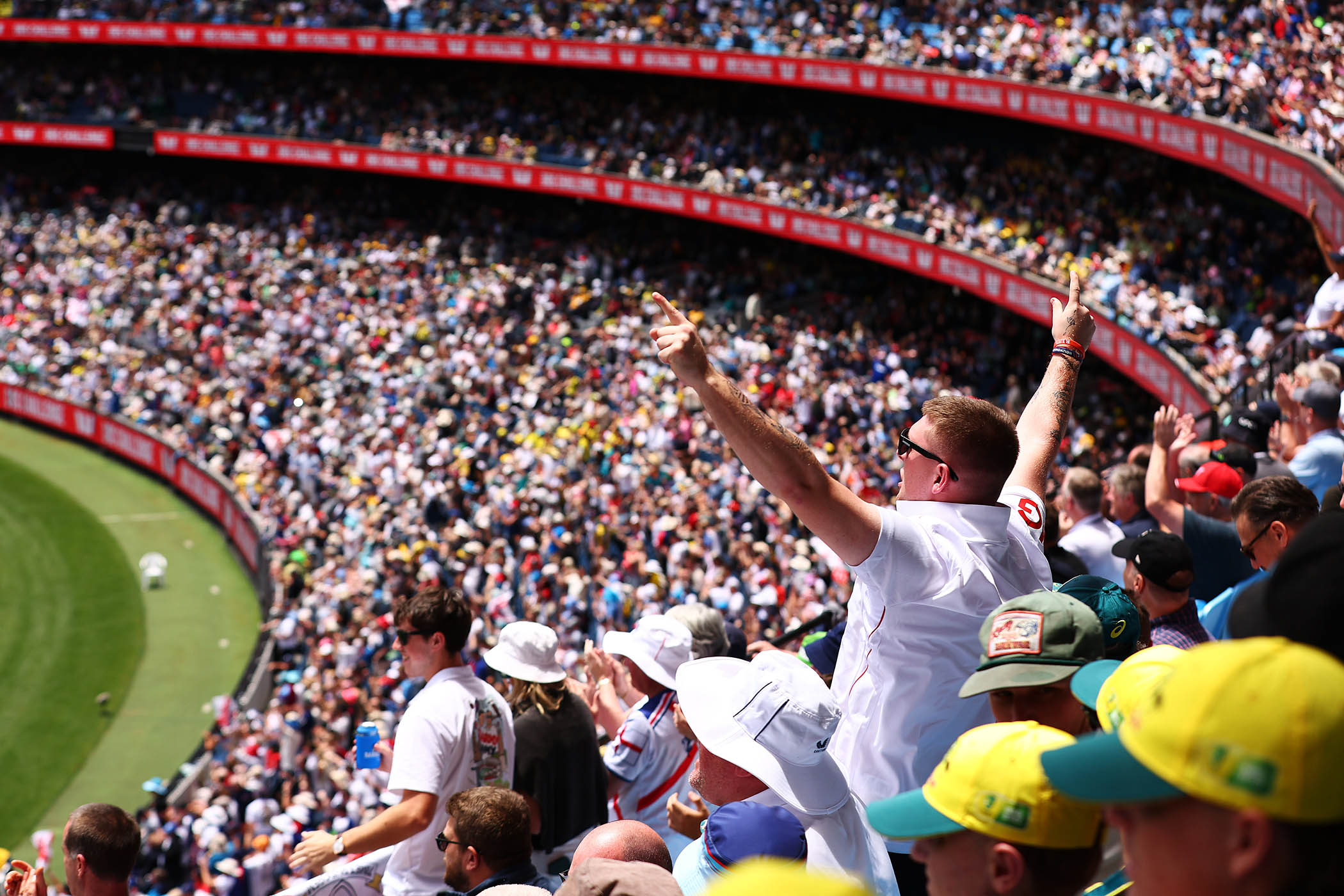
It seduced at least 3,000 fans – and one sports reporter – to book flights for the later Melbourne and Sydney matches, knowing they might arrive with the series already decided. An estimated 40,000 more have flown out across the series, with at least half of those still in Australia. The Barmy Army, an England supporters’ club, sold 1,500 tickets to a Christmas Day dinner. On Christmas Eve entire Melbourne suburbs could have been London or Manchester.
There are 1.1m British immigrants in Australia already, and plenty of fans spent Christmas with distant relatives and old friends, huddling together over barbecues for the coldest Melbourne Christmas in two decades. England fans contributed an estimated £200m to the Australian economy during the 2017-18 tour. This winter, given almost four times as many fans travelled, that figure is expected to reach £500m.
And so to Boxing Day at the Melbourne Cricket Ground (MCG), for the fourth of five Test matches, in the biggest stadium in the southern hemisphere. From budgie-smugglers and kangaroo shirts to sun-stained Brits double-parked at 10am, the cliches were having a ball.
At final count there were 94,199 people inside the “G”, the highest Test match attendance yet. They were treated to an anxiety dream of a day’s cricket, the ball careering about as though bewitched, all 20 batters looking like they had just been visited by three Christmas ghosts. Frothy and absurd, this was the first time in 74 years 20 wickets fell on the same day during a Test in Australia; England’s lowest batting total of the current regime.
From budgie smugglers and kangaroo shirts to sun-stained Brits double-parked at 10am, the cliches were having a ball
From budgie smugglers and kangaroo shirts to sun-stained Brits double-parked at 10am, the cliches were having a ball
And yet nobody I spoke to seemed to regret a thing. Charlie Stilwell and Ed Innes, both 25, arrived from London last weekend with a group of 10 friends, their morale and anticipation unaffected by the results.
“I’d never been to Australia before, so regardless of the result I was excited to come. There’s even a bit of relaxation now the Ashes aren’t in the balance,” Innes said.
Newsletters
Choose the newsletters you want to receive
View more
For information about how The Observer protects your data, read our Privacy Policy
Value is clearly a major attraction too. “I had a Surrey membership last year, and it was £130 for a Test match ticket,” Stilwell said. “Booze is expensive here, but you feel like it’s part of the ticket price – in England it’s unaffordable.” The cheapest tickets at the MCG were £30, a quarter of the price of the least expensive adult ticket for the Lord’s Test against India this summer.
“It’s a bucket-list thing you’re going to talk about for ever,” Stilwell said.
Less than 36 hours after the first ball was bowled in the Fourth Test, Ben Stokes and Joe Root embraced in the dugout as England’s first Test win in Australia in 15 years was confirmed – and the first win here for Stokes and Roots in four separate tours.
The Barmy Army did not vacate their seats for an hour, basking in the glory of the moment, the mid-afternoon sun, and the fortuitousness of their decision to come.
Photograph by Graham Denholm - CA/Cricket Australia via Getty