
However many times you read the verdict, the implications are unchanged. By snatching the Africa Cup of Nations from Senegal and handing it to the losers Morocco, football invites every story to be rewritten, every referee to be overruled two months later, each trophy to be repossessed.
Before Britain mounts the pulpit on African football, it should be noted that making secret payments to build a trophy-winning Premier League team, as Chelsea did under Roman Abramovich’s ownership, will earn you a £10.75m fine (115 accounting charges against Manchester City, which they deny, are outstanding). In Africa, a 17-minute walkout will have you disgraced and dethroned as continental champions.
No room for piety, then, or presumptions of corruption in football’s less wealthy regions – though Senegal, who are refusing to hand back the cup, allege skulduggery in the decision.
Curators of injustices in sport are reciting other results that should be revisited. Re-litigation lawyers will reel off righteous causes.
The robbing of Roy Jones in a 1988 Seoul Olympics boxing final has been re-raised (Jones landed 86 punches to his Korean opponent’s 32), along with Thierry Henry’s handball against the Republic of Ireland in a World Cup qualifying playoff in 2009, Diego Maradona’s Hand of God goal for Argentina against England 40 years ago, and Carlos Tevez helping West Ham United to stay up when under third-party ownership, which cost the club a £5m fine but no points deduction – English football again shying away from appropriate punishment.
Sheffield United went down as a consequence of West Ham illegally buying their way out of trouble.
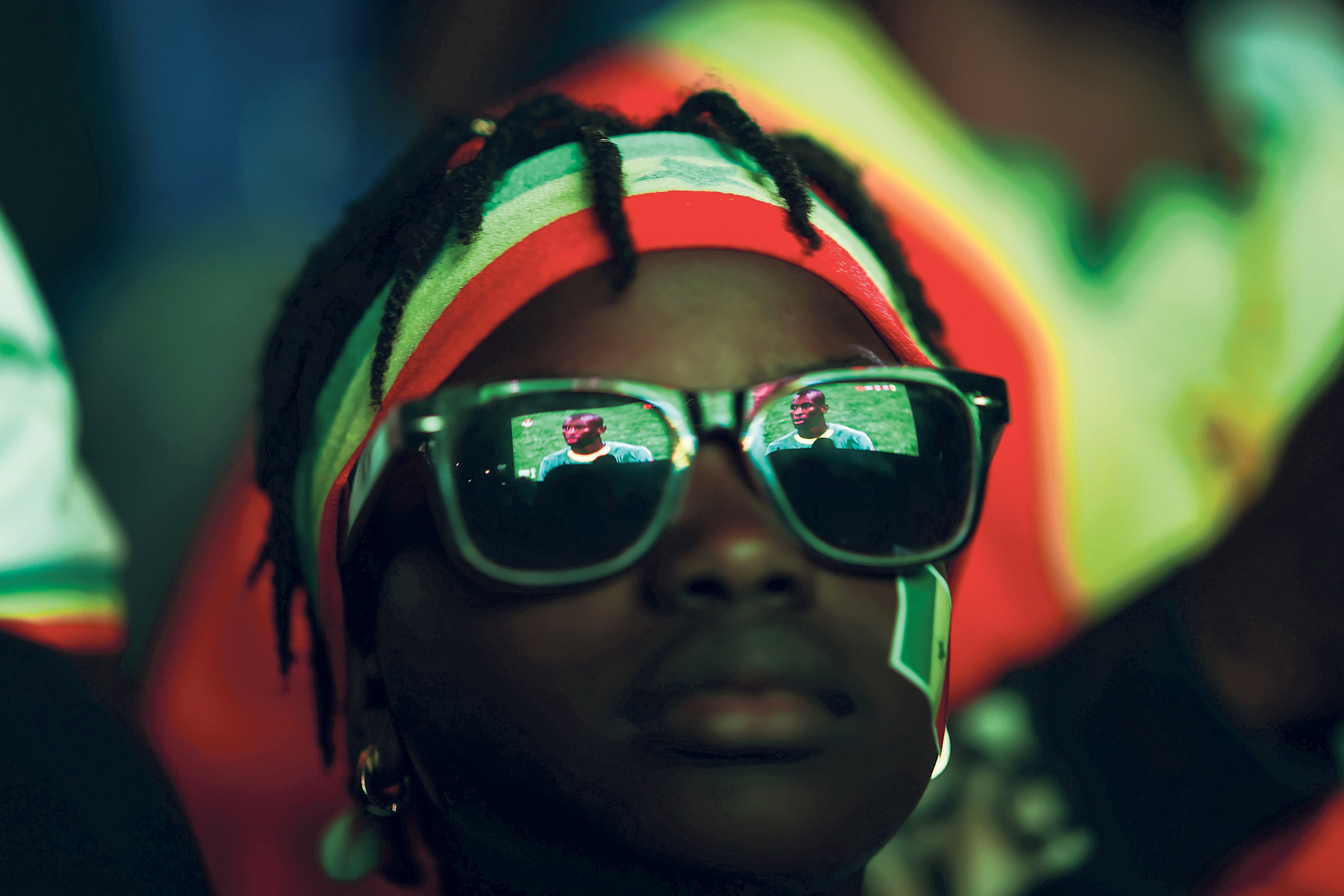
Nearly 60 days had passed since Senegal won Africa’s version of the Euros in a spectacularly chaotic end to the tournament in Morocco.
Senegal triumphed despite walking off for 17 minutes in protest at the awarding of a contentious penalty to the hosts Morocco in stoppage time. If that constituted a forfeit, under other laws of the game, it should have been ruled as such on the night by the referee, Jean-Jacques Ndala Ngambo. Senegal would have been disqualified. The punishment would have been a Morocco win.
But that’s not what happened. Senegal came back out. The game resumed. The referee was the only and ultimate arbiter on whether that should have happened. He said play on. The game was completed, as an intact legal entity.
Morocco were willing participants in the resumption. They lost the final in a home tournament. Then they appealed. And the Confederation of African Football (Caf) went away to consider the case for dethroning Senegal. Two months later it returned and changed the name on the trophy.
Under football’s international laws (5.2): “The decisions of the referee regarding facts connected with play, including whether or not a goal is scored and the result of the match, are final.”
If power decides it doesn’t like something, it can bypass the facts and select the outcome it prefers
If power decides it doesn’t like something, it can bypass the facts and select the outcome it prefers
Watchers of the BBC drama The Capture will know the plot. Evidence from surveillance cameras is “corrected” in criminal prosecutions to fit a desired outcome. It’s a terrifying glimpse into deep-fakery and potential manipulation of security systems that are meant to keep us safe.
A tangential link, perhaps, to Senegal being usurped as champions. But there is a loose connection. If power decides it doesn’t like something, it can bypass the facts and select the outcome it prefers.
Pretty much every sports lawyer is saying that the referee’s decision on the night of 18 January should have been binding. Which is not to say Senegal’s walkout was justifiable.
Most teams could find reason in any given game to flounce off. Even leaving aside the reality that Senegal endured more than their share of provocations around the final, unilateral walkouts, except over racial abuse, are not to be encouraged.
It’s so long since Senegal won that the Afcon final qualified as what police call a “cold case”. Maybe Caf thought it could slip the longest video assistant referee review in football history through under the shadow of war. It was wrong. Senegal are appealing to the Court of Arbitration of Sport (Cas). They are calling the reallocation “iniquitous, unprecedented and unacceptable” and “a shame for Africa”.
The Roy Jones scandal had a happy-ish ending. In 2023 the fighter who “beat” him, Park Si-hun, travelled to Jones’s ranch in Florida to hand him the medal. With a suitably filmic flourish, Park said: “I had the gold medal, but I wanted to give it back to you. It belongs to you.”
To “correct” the Henry handball, Frank Lampard’s crossbar goal (not given) against Germany at the 2010 World Cup or Maradona’s Hand of God goal, would require those tournaments to be restarted at the point of the offence, and thus generate fresh injustices. Impossible.
The Senegal-Morocco case is simpler. It was the last game of the tournament, with no implications for anyone else. In Switzerland, the Court of Arbitration in Sport has to decide only whether the referee’s decision to play on should have been final or whether it should be nullified and the offence of walking off be deemed paramount.
If Morocco keep an ill-gotten trophy after Cas deliberates, all outcomes are rewritable.
Photography by Anadolu/Getty
Newsletters
Choose the newsletters you want to receive
View more
For information about how The Observer protects your data, read our Privacy Policy