

There is no ignoring the siren when a festival is cheaper to watch from a beer garden in Benidorm than it is in person. Cheltenham package holidays to Spain’s Mediterranean coast were one sign last year that jump racing’s rite of spring is struggling to retain its hold on day-trippers.
“The Festival” is the hill National Hunt racing’s cognoscenti would die on. Gripes about parking, Irish domination and equine talent being spread too thinly across a four-day card are audible but not yet fatal to the annual renewing of the vows.
But Cheltenham’s emergency package to keep its crowds addicted is evidence that it can no longer take its popularity for granted.
Racing has already watched one national ritual lose mass appeal. To see Cheltenham go the way of Derby day would be too much to bear for a sport panicked by declining betting revenue and a fall in the UK thoroughbred foal population (a sign of declining viability).
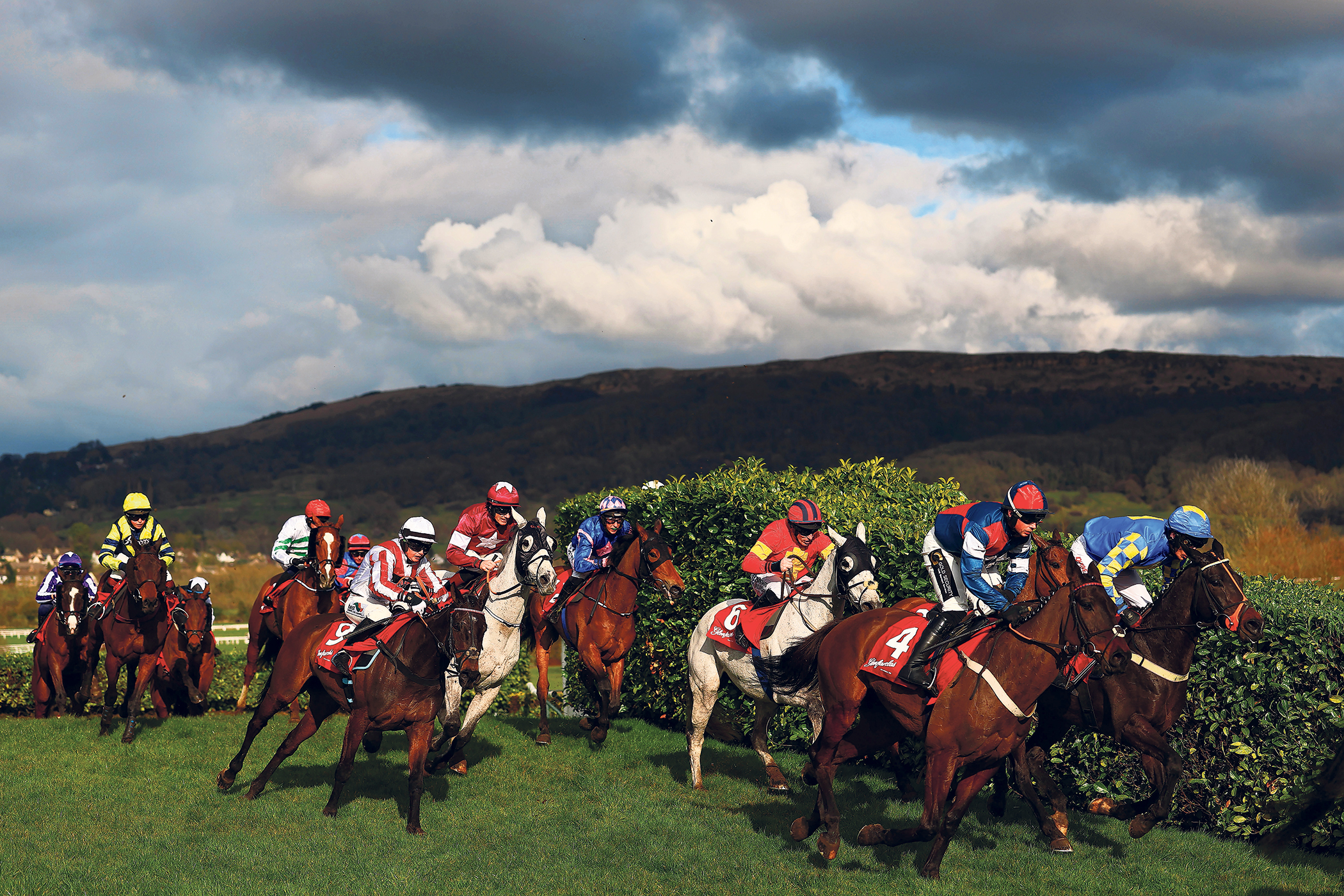
As sport’s door from winter to spring, Cheltenham parades charms that have survived socio-economic change. The amphitheatre of Prestbury Hill is Arcadian to more than just the country set, who use the Festival as a kind of AGM.
The urban revellers who pour off coaches from Bristol and Birmingham are veterans of other kinds of festivals, mainly music ones. Outdoor inebriation with the added benefit of trying to take “free” money off bookmakers is a recreational temptation that has stood the test of time.
These pleasure seekers, who are stoically swerved by aficionados, will not care that the British Horseracing Association’s chairman resigned this week after six months in the job. Charles Allen delayed his arrival in the post, to apply leverage on racing’s feuding clans, then resigned when those factions refused to yield to him.
There is speculative talk of the top racecourses breaking away to form a Premier League of tracks. Ascot is particularly frustrated with the impasse over reform. Cheltenham, though, has more urgent concerns.
At a point where war-born inflation threatens to surge again, this week’s festival has lowered crowd ceilings and the price of a pint to stem a decline in audience figures.
Racegoer feedback prompted the Cotswold mecca to remove restrictions on people carrying drinks around the Club Enclosure – an irritation for punters pestered by high-vis monitors; it has reduced, too, a pint of Guinness from £7.80 to £7.50 and added prosecco as an alternative to champagne, a variation the smart set will resolutely ignore.
Newsletters
Choose the newsletters you want to receive
View more
For information about how The Observer protects your data, read our Privacy Policy
A painful absence is Rachael Blackmore, who retired last year at 35. But her country will be there in force.
A painful absence is Rachael Blackmore, who retired last year at 35. But her country will be there in force.
Cheltenham’s overwhelmed PA system, which evoked tractor racing at county shows, has been upgraded, and on-course TV coverage improved. “Ladies Day”, on the Wednesday, has made a comeback, complete with “Style Awards” and £10,000 in prizes. Early-bird ticket prices have been well received by customers and a “Room to Race” partnership with the travel operator Venatour aims to reverse the drop in punters staying for all four days. The hotel trade holding guests to ransom for big sporting events has hit Cheltenham hard.
“Those attending major events expect a premium experience,” says Guy Lavender, the Cheltenham chief executive. Lavender’s predecessors were not in the habit of singing for their supper. Reducing the daily capacity from 68,500 to 66,000 was necessary but tear-inducing for the course’s owners, the Jockey Club.
Which just leaves the action itself to rebalance. A painful absence is Rachael Blackmore, the first female jockey to win the Grand National and Gold Cup, who retired last year at 35. But her country will be there in force.
From the greater economic viability of racing in Ireland has arisen a remarkable hegemony for its three biggest jumps trainers, Willie Mullins, Gordon Elliott and Henry de Bromhead. British stables have not outscored the Irish since 2015 and lost by 20 victories to eight this time last year.
The Prestbury Cup which measures Anglo-Irish rivalry felt contrived until Ireland took a monopoly on it and British racing began to panic. In the Irish Times last week Brian O’Connor wrote: “Filleting stereotypical gilet-clad ‘Hoorays’ shouting the odds with expensive accents has always been a national pastime. It’s partly why victory at Cheltenham traditionally meant so much.”
Mullins’s 113 Festival wins eclipse the eminence grise of the British scene, Nicky Henderson, who has 75. Last year Mullins saddled more winners (10) than every British yard combined. As many as 80 runners could wear his livery this week. “Another Mullins winner” has become a repetitive story line, at odds with Cheltenham romance.
But British hopes are higher for a fiesta buffeted this century by foot and mouth, the first days of Covid and now war. Harry Redknapp stands in Ireland’s way with his Gold Cup contender The Jukebox Man, whose trainer Ben Pauling says of the home team: “It’s important we stay competitive – the sport needs us to be.” The Dan Skelton, Henderson and Paul Nicholson yards are primed.
Some will feel that a five-night all-inclusive stay at the Magic Aqua Rock Gardens in “sunny, crowd-pleasing Benidorm” for £330, with ale in hand and the racing on a giant screen, beats the hassle of hacking a path into and out of a human crush dominated by the Mullins yard.
Purists, though, could conceive of no greater hell than their precious Festival being recast as a stag trip, without the sense of place, or belonging, or permanence, which Cheltenham is now in a fight to preserve.
Photograph by Dan Istitene/Getty Images