
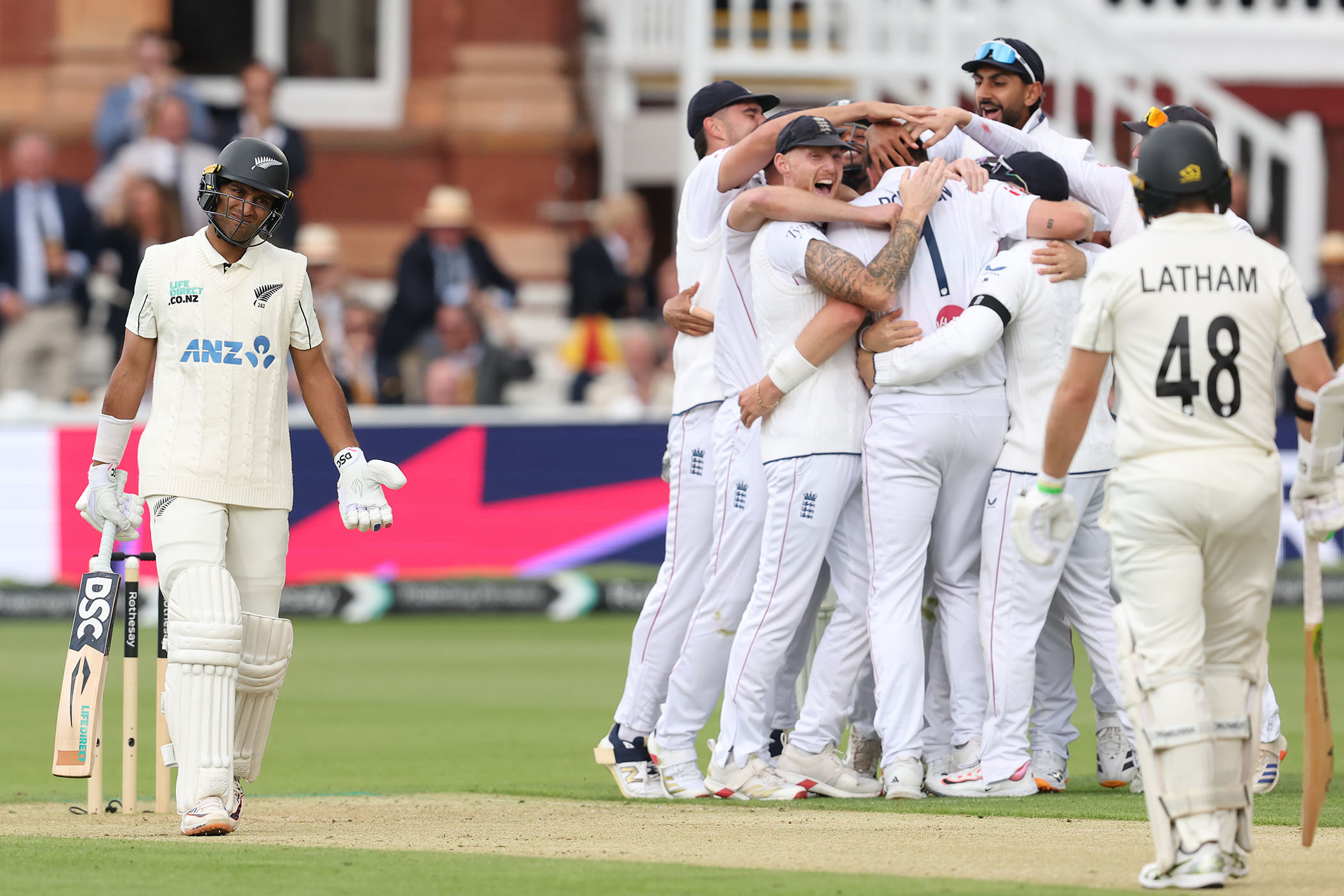
If Ben Stokes could have known that a few late drinks were going to end with an ECB security man being punched, two separate inquiries into a broken curfew and England dropping him and Gus Atkinson for this week’s Oval Test, he would have scurried back to the team hotel last Sunday at 11.59pm.
Rarely have repercussions so outweighed an offence, which is not to say Stokes should be leading out the team on Wednesday against New Zealand. A one-match banishment is about right. Tot up the collateral damage: England’s “reset” wrecked before it could start, a Test victory clouded within 12 hours, the start of the women’s T20 World Cup in England and Wales overshadowed, and doubt cast on Stokes’s international career as well as his viability as captain.
As Uncle Joe Root returns, with leadership thrust back on him because England can’t possibly promote Harry Brook nine months after he was punched by a bouncer outside a New Zealand nightclub, English cricket has passed through the stages of disbelief, anger and quieter reflection.
It has wondered whether Stokes might quit and walk away altogether, worried out loud about his dark mood at Lord’s, and asked whether the skipper is in decline and therefore not the great loss he would have been 12 months ago. With curfews in tatters, a total alcohol ban on England duty is being mooted. Never has the cry of “one more drink, bartender” set such a train in motion.
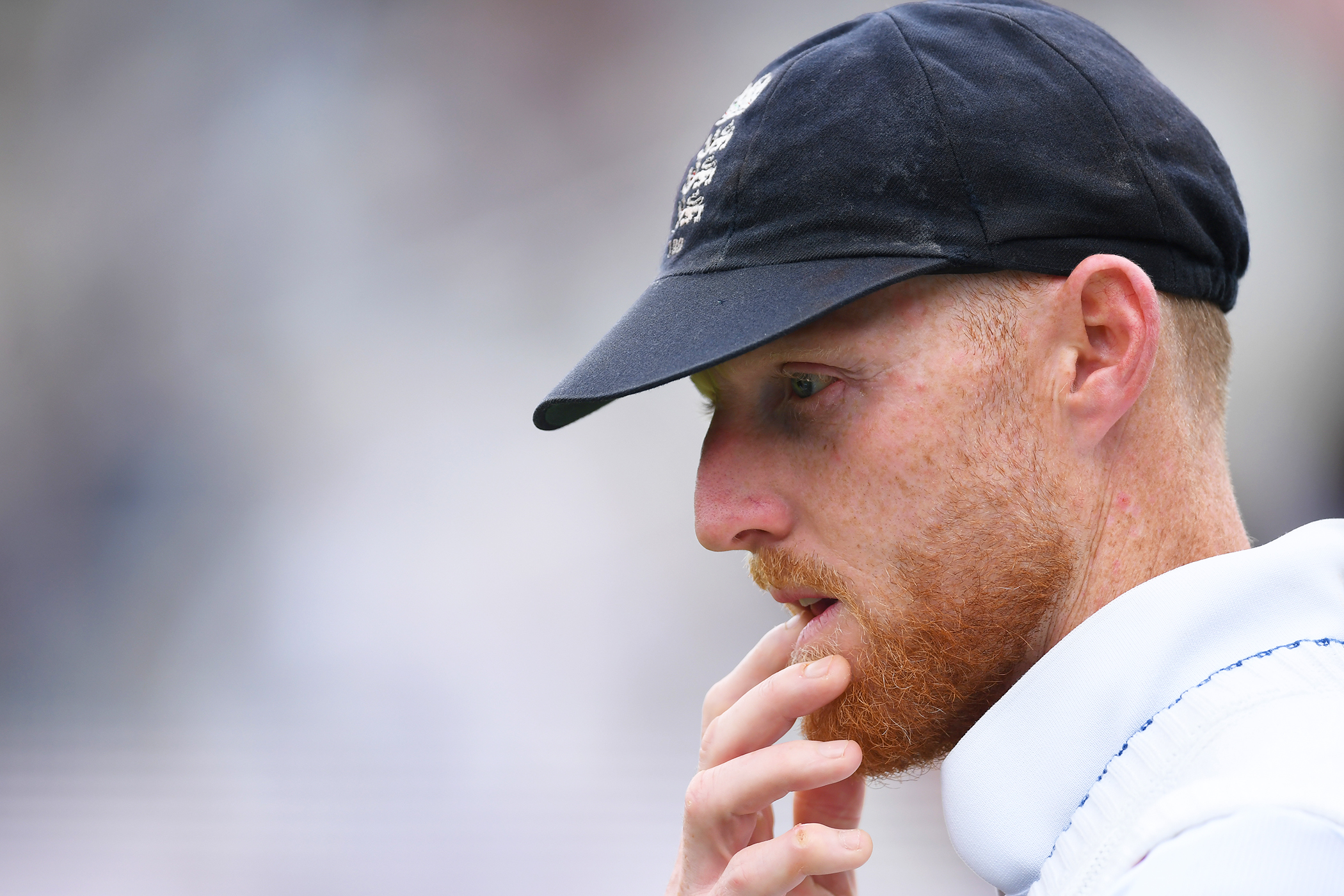
Rob Key, the England men’s managing director, said of his captain at an emergency news conference at the Oval: “We have spent so much time together talking and working out the way ahead.” Conveying profound weariness, he also spoke of his “concern for Ben,” as many have.
Michael Vaughan, the 2005 captain, wrote in the Telegraph: “My worry with Stokes is that he has not seemed right for a while. Over the past week, before this incident blew up, I sent a few messages to people around the England camp that I had concerns about Stokes.”
So which is it: a safeguarding or a disciplinary issue? It’s certainly the latter. Curfews are unsustainable, hard to administer and loathed by players. But the problem with minimising Stokes’s late night – after a win, remember, and with the next game 10 days away – is that he argued for a curfew as part of the clean-up of the Ashes debacle. Only four days of Test match cricket had passed before he broke his own rule.
“Only bad things happen after midnight,” the England coach Brendon McCullum has said. The horror movie industry will surely steal that line for a promo.
A saint minding his own business with half a shandy can find himself in somebody else’s movie
A saint minding his own business with half a shandy can find himself in somebody else’s movie
Curfews are ridiculous. It’s how you behave when you’re out that matters, more than what time you head back to the hotel. Players resent them because they say they want to be “treated as adults.” The ECB could reply by pointing out that punches have been thrown at two England players within six months in nightclub settings.
The story of how a celebratory pub crawl round west London went wrong contains levels of pathos: the punch that was meant for Atkinson landing instead on the minder who was there to keep him and Stokes out of trouble; the anomaly, too, of an ECB employee being a bystander to a rules breach, but not having the authority to call time at midnight and order the lounge lizards out of there.
Newsletters
Choose the newsletters you want to receive
View more
For information about how The Observer protects your data, read our Privacy Policy
In Australia, this team drank to escape the swift and brutal Aussie skewering of Bazball. Celebrations are even riskier than wakes. In 2005, the victors in the greatest home Ashes series of all time were paraded through London’s streets insensible from drink and sleep deprivation. At least one bladder was said to have been emptied in the garden of 10 Downing Street.
Key says Stokes and Atkinson were in “the wrong place at the wrong time” in Chelsea and “on the receiving end of some pretty poor behaviour by other people,” meaning, according to all reports, the Saracens academy player Totoa Auvaa.
Wrong place, wrong time, but not by accident. The Bristol brawl 10 years ago might have taught Stokes that the after-hours drinker surrenders control of the narrative. Stuff can happen not because of you, but to you. A saint minding his own business with half a shandy can find himself in somebody else’s movie. Footballers, cricketers, rugby players: they’re all told this. And they all convince themselves “it will be fine.”
Those early rum and cokes in a pub in Parsons Green with a fellow England captain, Maro Itoje, were the calm before a storm that has undone England’s efforts to restore public faith in a team ripped apart in Australia. What used to be called a drink problem is now more commonly referred to as a “complicated relationship with alcohol,” which English cricket – and British society, unquestionably has. The “proper beers” Stokes said he would be going in search of in his Lord’s victory address was a small warning flare.
After all that, and with both the ECB and the cricket regulator “investigating,” it was right to punish Stokes without destroying his career.
The difference between discipline and self-discipline is that one is imposed from above, the other is voluntary, and self-generated by successful teams. They don’t need to be told because they tell themselves and one another. In a great career Stokes has not been ignorant of that reality. But on Sunday night he lost sight of it again, and is paying a proportionate price.
Photograph by Philip Brown/Getty Images