
As dogs come to resemble their masters, Wrexham seem to become more Hollywood by the day. They understand the beats and hooks of great drama here, how to pull you in and never let go.
As grey afternoon melted into shoeblack night in north Wales, a great, lurching epic of a game unfurled, all punished dreams and compounding chaos, agony and ecstasy often separated by heartbeats.
Fans talk about the past four years like some drug-addled trance, a breathless and ceaseless onset of unreality at a club far too well acquainted with the reality’s steel-capped boot. One even mentioned nostalgic comfort in Chelsea visiting – a potential thumping defeat by one of British football’s great houses was a slice of a club and life now long past. No one else seemed to sympathise with his fondness for the bad old days.
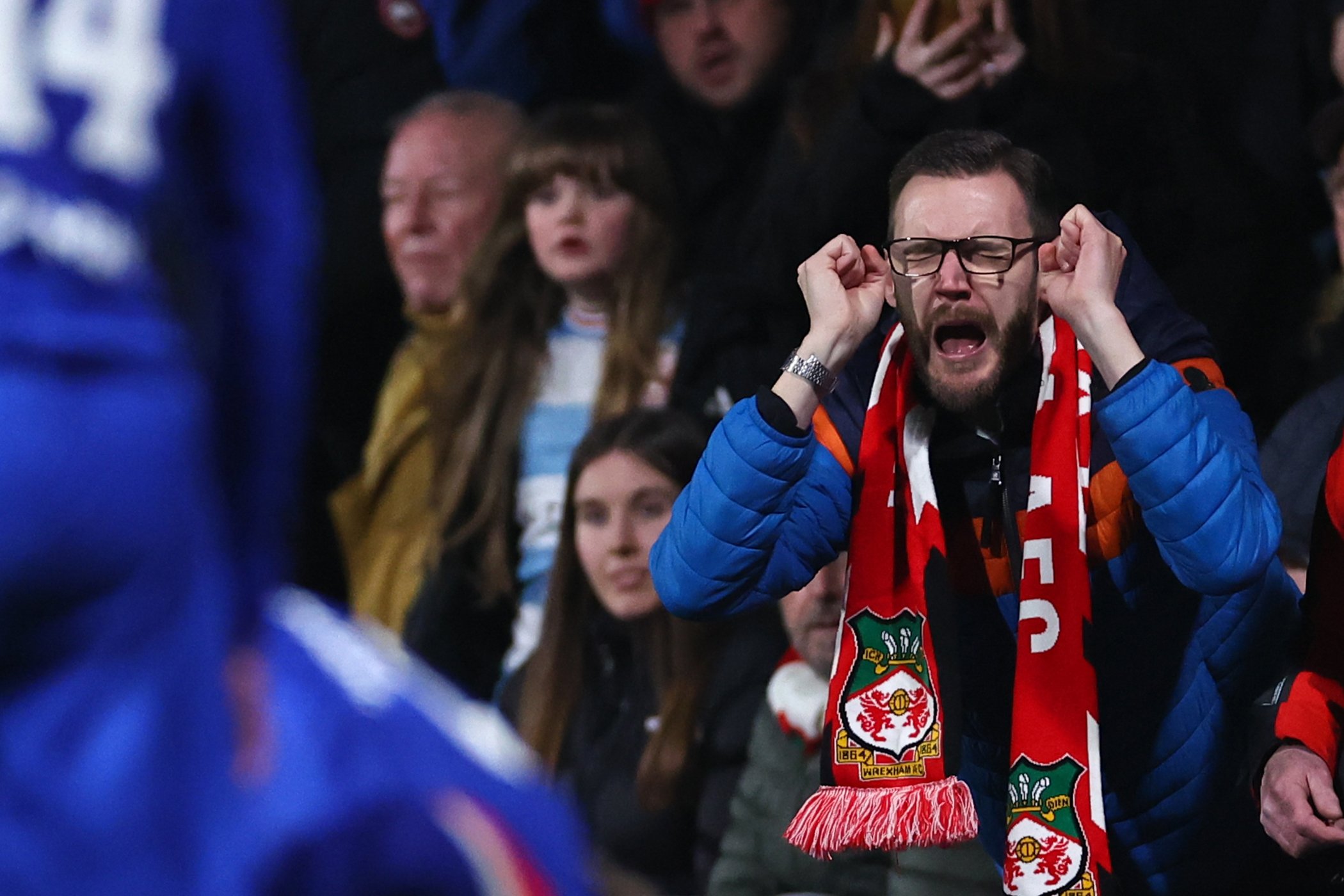
For all the peaks and promotions of late, there is a fair argument this was Wrexham’s biggest match since beating Arsenal in the third round in January 1992. Programmes sold out 40 minutes before kick-off. The Welcome to Wrexham production team have reportedly spent the past fortnight working night and day to “devise storylines”. The club pre-emptively warned supporters that homophobic chanting will result in “serious consequences”, behaviour not befitting Big Smiles and Bigger Hugs FC.
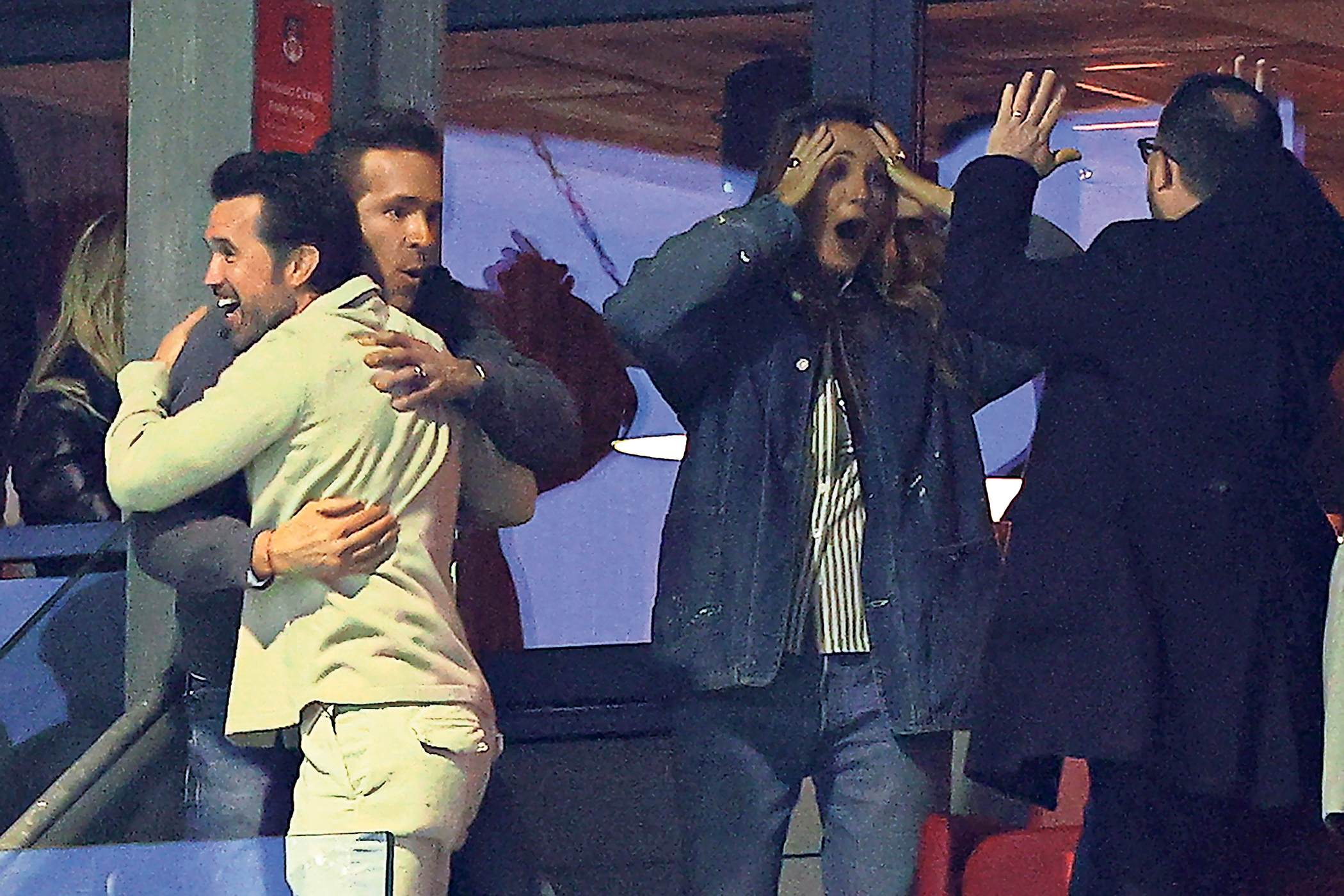
Peering down from the top of the Macron Stand, owners Ryan Reynolds and Rob Mac are now the soft if disconcertingly flawless faces of hard ambition and harder money. Apollo Sports Capital, an asset management firm controlling more than $6bn who also own Atlético Madrid, bought a minority stake last December.
The building site at one end is a reminder of the constant change, the foundations of a new Kop Stand with a 5,500 capacity, funded by both £18m of public funding and Apollo’s investment. Wrexham have spent £38m on new signings this season, entirely overhauling their League One-winning squad. Their commercial revenue in League One was an extraordinary £13.18m and will rise again this year.
This has become a little empire of extremes: celebrity artifice meeting deep authenticity, gaudy wealth amid a town still crumbling, a rise which you always assume is stumbling to a halt, but never does.
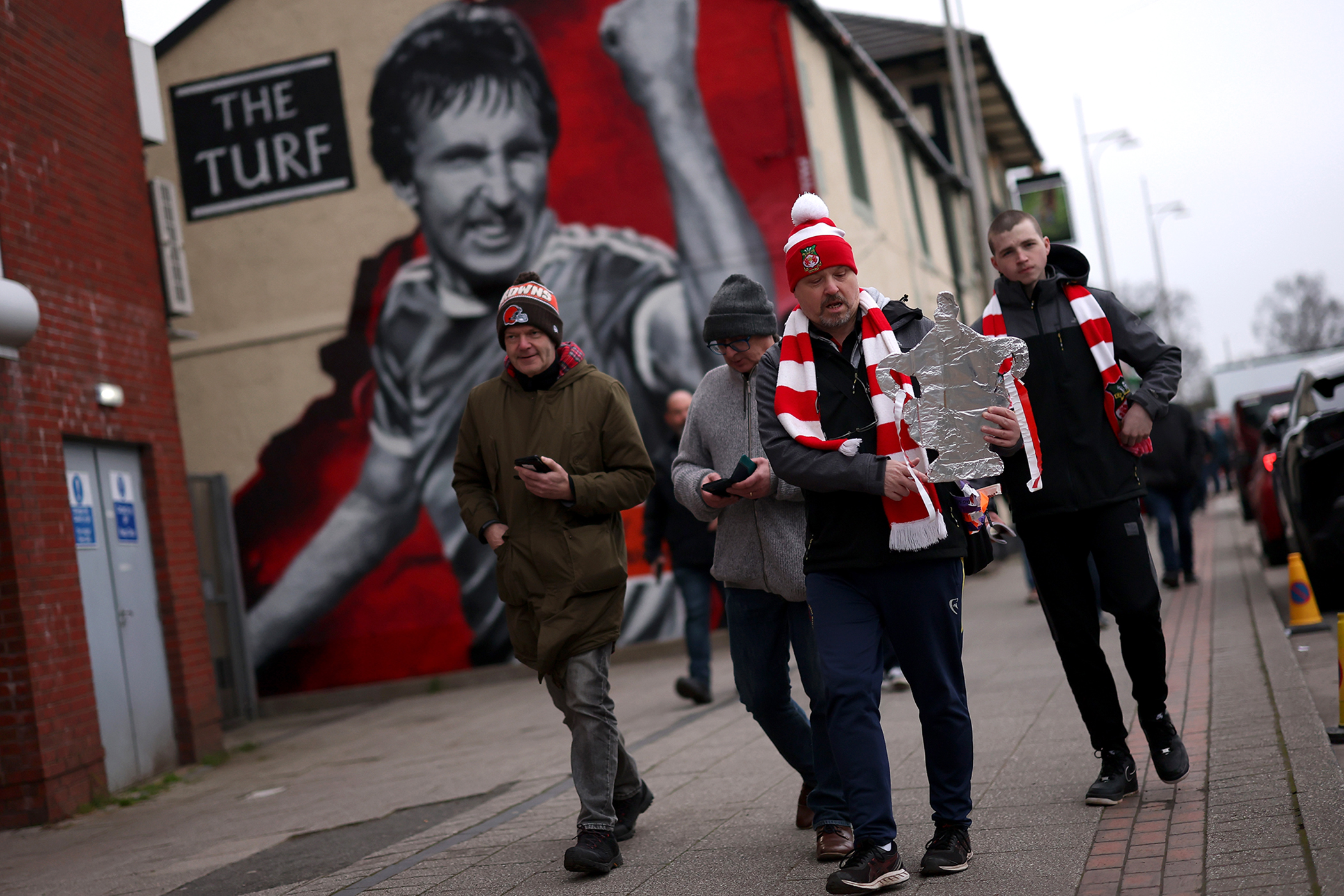
The vast majority of fans poured into the Cae Ras from Bradley and Bersham and Brynteg, but through the vape smoke and burger grill fug, you can pick out the few nasal Americans, with their selfie sticks and posture and pristine sons, shirts and scarves glistening and unworn, club-branded bags bulging.
They come for a day in a distant world, in search of truth and community and feeling. Wrexham, home to one of the biggest industrial estates in Europe and the biggest slag heap in the western hemisphere, is an unlikely tourist destination, but getting the hang of its new role. Kellogg’s are building a £20m factory in Wrexham, adding the UK’s largest weathervane – a giant green cockerel – to the litany of bizarro attractions.
But the club’s foundations, the roots running deep throughout the town, are still visible and tangible. Within the first 15 minutes, the stadium announcer informed a taxi driver that they needed to move their cab. A petrol station peeks out of one corner of the ground.
Superficially, Chelsea and Wrexham are perhaps the twin poles of British football’s era of American investment, one ownership group asking what they can do for their club, the other what their club can do for them. And yet ultimately they operate with similar aims and ideals – almost constant player turnover fuelled by massive investment and an overhauling of commercial operations to maximise off-pitch revenue in search of sustainability. They have gladly taken public money for their stadium to avoid taking on any real risk themselves. This is the American approach to sporting ownership, clubs as assets and opportunities.
Promotion to the Premier League would mean more churn and change, but Reynolds and Mac’s great skill is appreciating the value of controlling narratives and spin, of the stories we tell ourselves in order to live. Everything is a documentary waiting to be made.
But they have invested as much emotionally as they have financially, and they care publicly and loudly and on Disney+. Beyond that, it transpires not treating local fans as an inconvenience is remarkably easy. All most supporters want is their love and dedication to be recognised and reciprocated, something Wrexham’s owners seem to understand intimately. They are adored like deities in return.
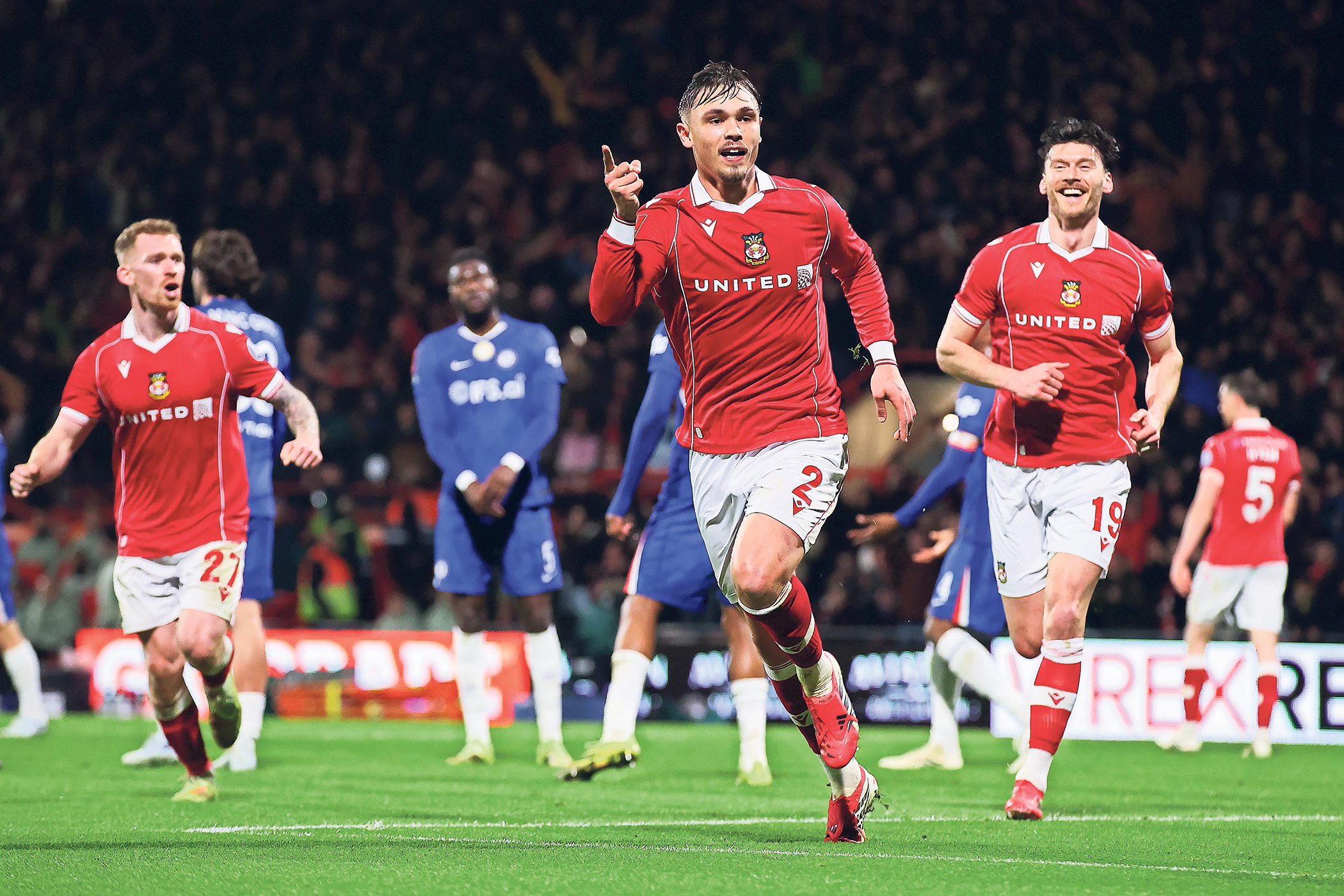
Here, in the flailing limbs and profound joy of Sam Smith and Callum Doyle’s goals, was a reminder of what Chelsea are missing under their current ownership. Ultimately, they have a story-telling problem, lacking anything constant or substantial for fans to grab hold of and love, increasingly alienated even as the club flirts with stabilisation. Where they are going, or why they are going there, is still unclear, largely a transitory and oddly nihilistic vessel for stakeholder returns.
Chelsea’s scorers – Josh Acheampong, Alejandro Garnacho, João Pedro and an own goal – just emphasised this further: an academy product increasingly destined to become pure profit and a temperamental will-o-the-wisp winger bought more for his financial benefits than footballing ability. A purpose and meaning matter more than finding a third promising left-back, players that fans can build relationships with.
Co-owner Behdad Eghbali has reportedly fallen hard for Chelsea, travelling to Lincoln for a Carabao Cup third-round match last September, but he never interacts with fans or speaks publicly, so whether his interest is genuine or not is largely irrelevant. Tom Wagner at Birmingham has shown the value of visibility, of the veneer of transparency, for owners, a hedge fund manager cast as neo-Victorian philanthropist.
And yet Chelsea fans travelled to north Wales to watch a team of Mamadou Sarr, Liam Delap and Garnacho, players they have little connection to and would not be remotely surprised to see leave quietly this summer or the next.
Smith’s opener, all straight lines and brute force, was not hugely surprising, just a reflection of the power of a club united, and a pre-emptive glimpse into an almost inevitable future.
Wrexham’s aspiration and American-ness jar with the repressed sensibilities of the British footballing establishment, of Britain, but this has to be preferable to the Chelsea model of cold fiscal pragmatism, of hedge fund guys doing hedge fund things and not even bothering to dress it up.
By some estimates, the Wrexham takeover has brought more than a billion dollars and counting in trade to the region, new bars and hotels opening constantly. The club will almost certainly record their best ever league finish this season. Fans unilaterally appear happy, a reminder that investment and feeling are not mutually exclusive.
On an anarchic, unrestrained night like this, you cannot help but be drawn in by the weight of the emotion around Wrexham, a stark contrast with Stamford Bridge’s flat vacuity in recent years. Everything is content here – TV crews seem to appear every 15 yards – but then everything, everywhere is content. They just do it better, know how to monetise and weaponise it to their benefit.
And more than anything, they know that a good story can so often beat reality.
Newsletters
Choose the newsletters you want to receive
View more
For information about how The Observer protects your data, read our Privacy Policy
Photography by Getty Images