
For the first year after Georgia Hunter Bell gave up on her dream of becoming an Olympian, she let everything go. She had started a career in cyber-security tech sales, enjoyed after-work drinks, takeaways and weekends away. Training of any kind was the last thing on her mind.
“I wanted to be done with running and needed a complete break,” she tells The Observer. “I was not a healthy person by any means.”
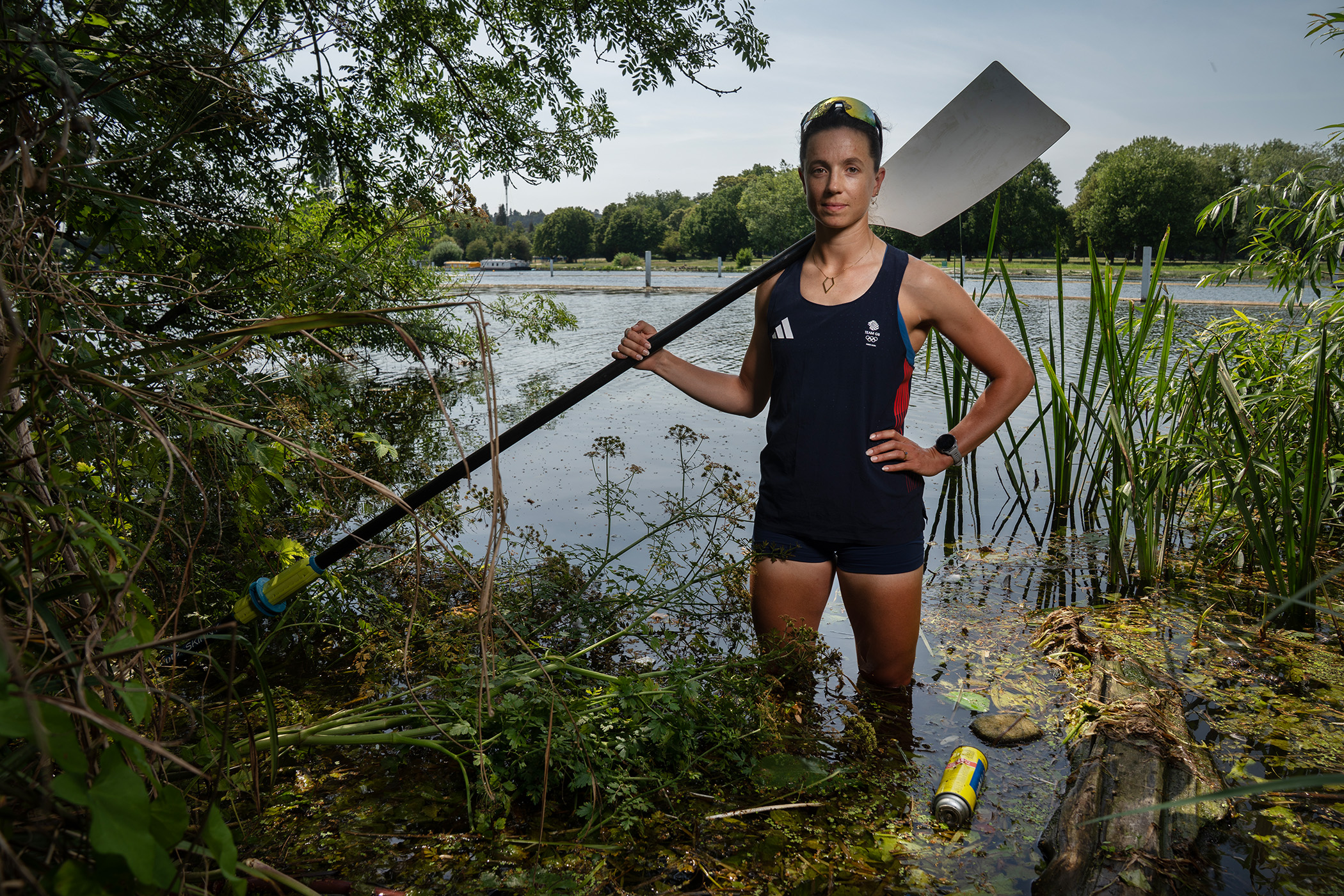
But gradually she realised that she missed exercising. She took up cycling, then caught the bug for serious running again through Parkrun. Seven years after quitting middle-distance running and in her early 30s, she won bronze in the 1,500m at the Paris 2024 Games. And she hasn’t stopped getting faster.
In the bios across her social media, Hunter Bell has written “A comeback story”, and it really is one of sport’s great revivals. In an era when elite athletes feel as out of reach as ever – surrounded by scientists and analysts and with barely a millimetre of fat on their sculpted frames – how did someone who spent the majority of her 20s travelling across America and Europe selling tech to CEOs finally achieve the ambition she’d harboured since childhood?
Hunter Bell ran her first track race when she was 10 years old and assumed her life would follow a straight path towards the Olympics. Until it unexpectedly diverged. “When I was growing up, I figured that I would just be a professional athlete that goes to the Olympics because it was all going so well as a kid,” she says. “No one told me that as you grow up, life is actually a bit harder than you think.”
Everything was on track when she moved to Florida for a scholarship at the University of California to take a master’s in political science. But although she trained hard during the two years, her times – impressive when she left the UK – failed to improve. Illnesses at crucial moments didn’t help. Repeated injuries held her back. She suffered stress fractures from “literally running so much my bones would break”, she says.
“I went over with lots of hopes and dreams, but never ran faster than I did in the UK. So when it came to graduating, there wasn’t an option to be a professional athlete. That was quite a rude awakening at 23 – being like: ‘Right, what am I going to do now?’”
Needing a new life plan, she stumbled into cyber-security when a uni friend offered her a job. The Bay Area was booming with tech and many Berkeley graduates were moving to San Francisco to work in the field.
“It was really tough because it’s sales – you’ve got to hit a quota, you’ve got to deliver – but it was extremely interesting,” she recalls. “They hire a lot of ex-athletes because it’s got a very similar competitive style. You’ve got leaderboards, you’ve got targets to hit every month. You channel some of the same skills, but in a different way. You’re putting it into a corporate environment rather than a track race.”
After a year, she moved back to the UK and when Covid hit, she used exercise to keep fit and stay connected. Watching her friend Keely Hodgkinson – the current 800m Olympic champion coached by Hunter Bell’s former mentor Trevor Painter – win silver in the 800m at Tokyo in 2021 made her wonder if she could reach those heights. Hunter Bell then ran Parkrun’s 5km in around 16 minutes and decided to see if Painter would take her back.
Newsletters
Choose the newsletters you want to receive
View more
For information about how The Observer protects your data, read our Privacy Policy
“It wasn’t like I did a Parkrun and was like: ‘I’m going to the Olympics.’ But I felt I’d got myself into pretty reasonable shape.”
They hadn’t spoken for a few years, but he took her call. “At the time, Jenny, his wife, said, ‘I thought that ship had sailed – there’s nothing more that Georgia is going to do.’ Which is completely fair enough. But Trev was intrigued because he was like, ‘Well, when she ran with us in the past, she was actually really good.’ I’m very grateful that he put his foot down there a bit. It just picked up where it left off.”
The “competitive juices” were back flowing. The casual runs around Clapham Common that she had previously done to keep fit turned into speed time trials. She was surprised how quickly she adapted to intense training again.
“There was a time where I was so switched off from that competitive side of my brain, I couldn’t have cared any less and wanted to be removed from it. And then I guess it’s just embedded in me somewhere.”
She believes the years running longer distances laid the foundations for her current success. “I think that muscle memory, if you just do years and years and years as a kid competing, it does do something to your body.”
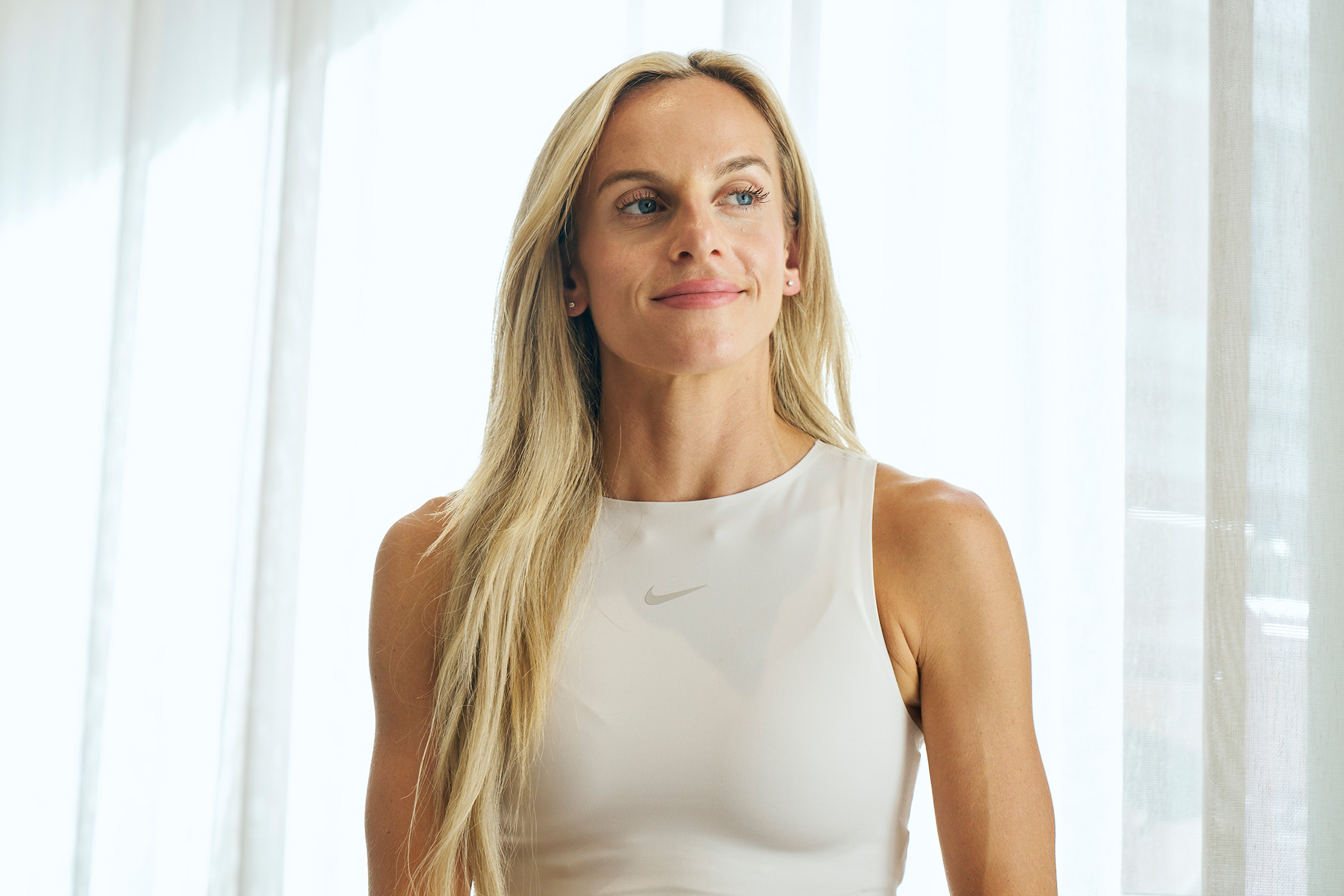
In 2024 she quit work to train full-time, having just become an Olympic medallist. Only then did she become a Nike athlete for the first time aged 30 – her comeback story a central part of her appeal.
Chief executives she once sold cyber-security services to across boardroom tables now come to watch her compete.
What would she say to anyone in their late 20s who has given up on their dream?
“Less mileage running on the roads, do some of it on the bike just to protect your body, but still get that work in,” she says.
Racing at the Glasgow Commonwealth Games in July will be a bucket-list moment. After considering the Mile, she opted for the 800m after Hodgkinson announced that she wouldn’t be competing, with Hunter Bell sniffing a medal opportunity. “When I compete in Glasgow, I’ll drive past a lot of the buildings where I used to meet with companies to sell cyber-security. Now I’m going to run in circles.”
Given her trajectory, and now 32, how far can she take it?
“I have learnt over the years not to put limits on anything,” she says. “It’s much more exciting going through races and seeing what you can do. I’m not going to put limits on what’s possible.”
Photograph by Suki Dhanda for The Observer