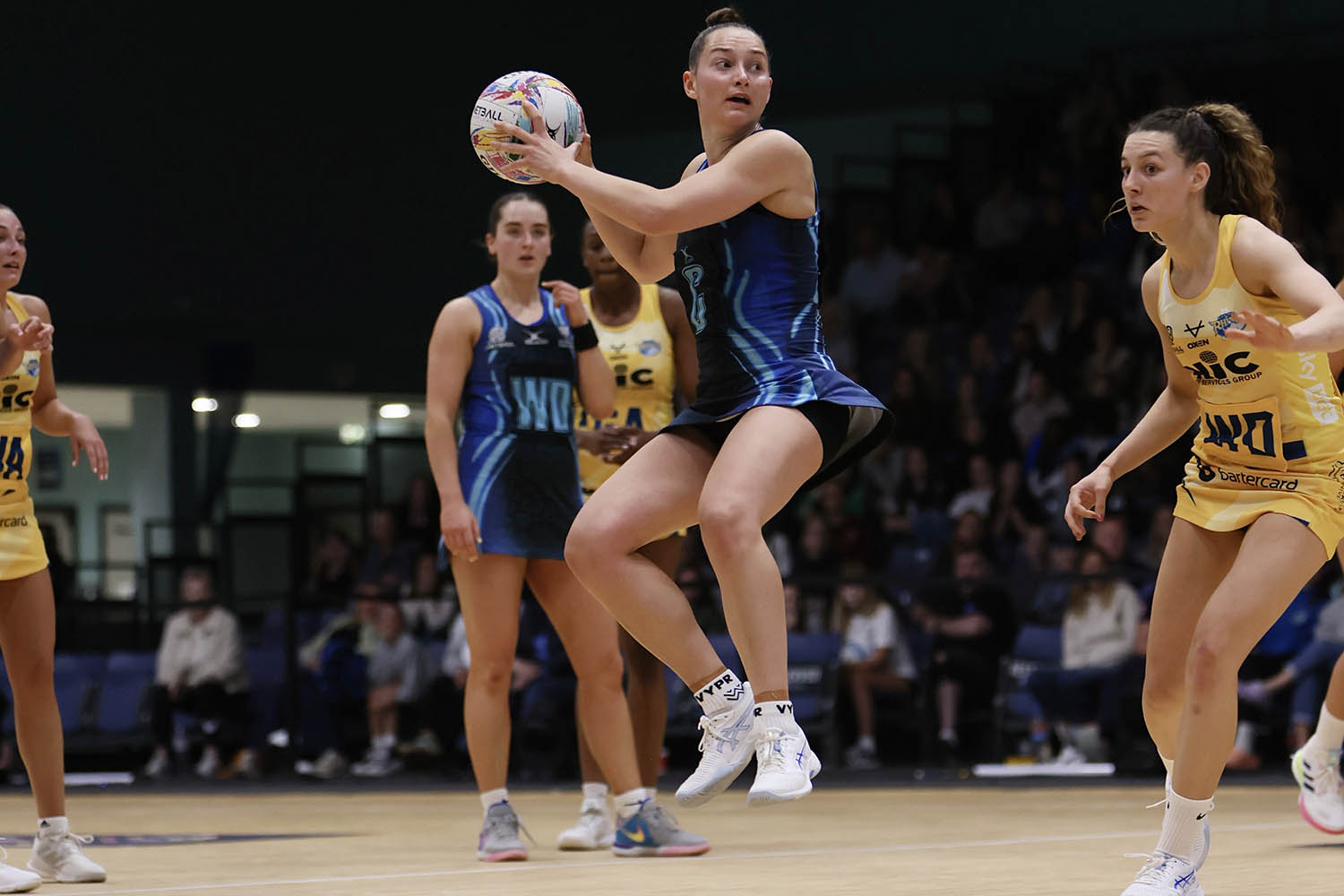

Amid all the hoopla surrounding this season’s relaunched Netball Super League – dubbed NSL 2.0 – and the drive towards creating a truly professional sport, there has been a source of surprise within many netball circles over the past week.
It follows what was described as “the most controversial game in Super League history”: Birmingham Panthers’ 71-69 extra-time victory over Leeds Rhinos last weekend.
Rhinos initially believed they had won by a solitary point in regulation time thanks to Joyce Mvula’s last-second buzzer beater. Only as the players leaped around in celebration did they learn that Mvula’s previous two-point super shot – one of a number of new innovations brought in to boost excitement this season – had been incorrectly credited by the umpire as a one-point effort.
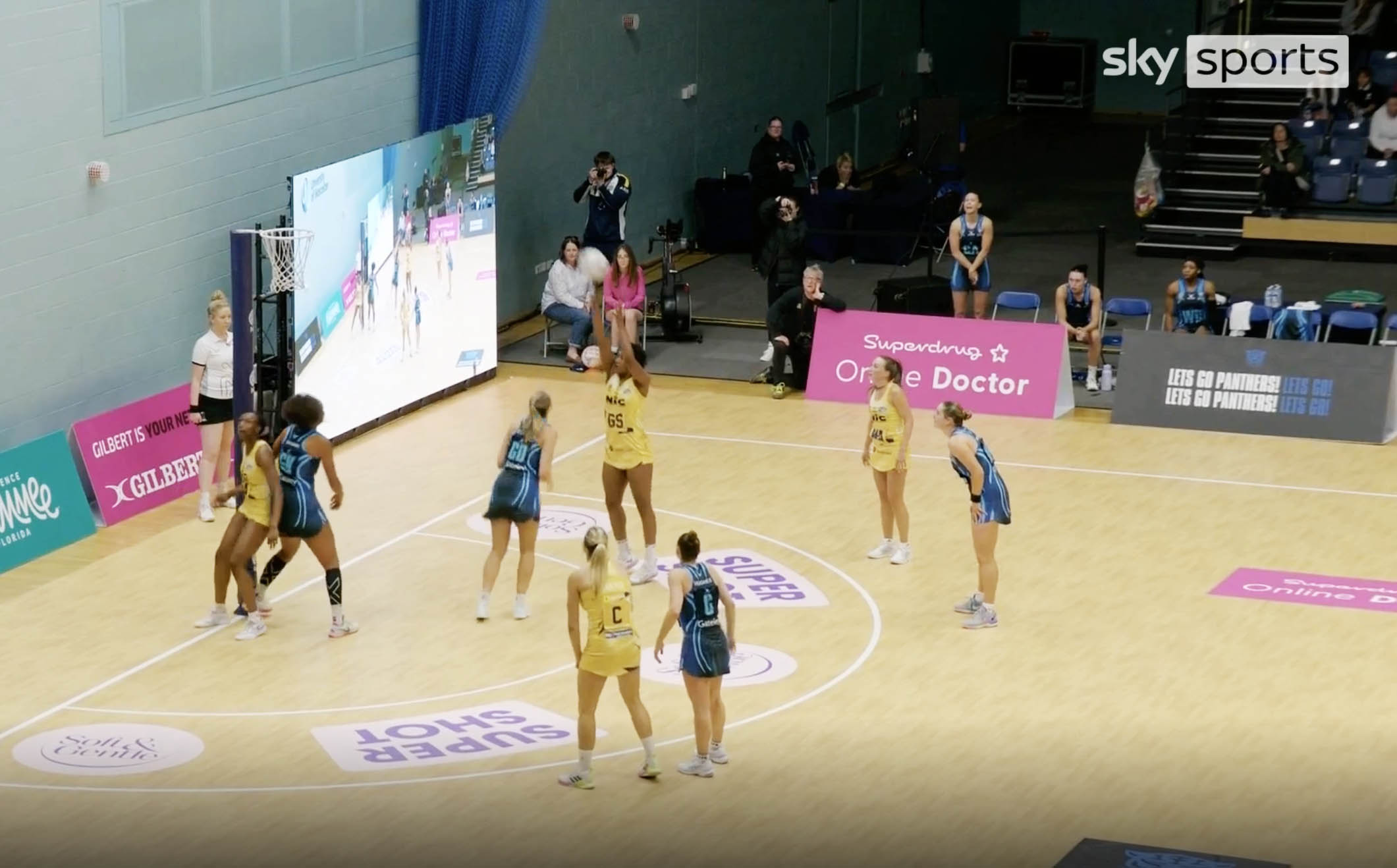
With no video technology available to alter the decision, the visibly shocked players then slipped to defeat in extra time.
That Rhinos’ formal appeal to overturn the result ended in failure was not unexpected. But, in this bold new era of higher attendances, bigger venues and increased player wages, netball fans were shocked to learn that NSL match officials remain entirely amateur. While umpires receive payment to officiate local matches on neighbourhood park courts, those overseeing the pinnacle of English netball receive no more than expenses.
“Umpires make calls throughout the whole game that as a fan and a coach you always feel you could argue,” said Tamsin Greenway, London Mavericks director of netball and Sky Sports commentator. “It’s part of sport. What we need to do is support them – and coaches and players – to check and challenge key moments, but make sure that’s done in the correct way.
“As the game moves forwards, paying coaches in the pathways and umpires properly is the only way we can shift together. They are just as key for the professionalisation of the game.”
The controversy emerged at the halfway point of what has widely been credited as a greatly successful relaunch for England’s premier netball league, which is striving to match world No 1 Australia’s fully professional domestic setup.
New teams were created, extra rules implemented and bigger arenas used – Greenway’s Mavericks play local rivals London Pulse in front of more than 3,000 at Wembley Arena on Sunday, while July’s Grand Final will be held at London’s O2 Arena for the first time.
The minimum annual player salary doubled to £10,000, with most players earning up to twice that amount, and average wages have increased by 60 per cent – not enough for playing to be a full-time occupation, but a positive step towards achieving that ambition within a decade.
Newsletters
Choose the newsletters you want to receive
View more
For information about how The Observer protects your data, read our Privacy Policy
The quest to boost spectator numbers has seen average attendances increase by 49 per cent on last season and viewing figures are up by 54 per cent, with every game broadcast for the first time, either by Sky Sports or BBC Sport.
Widespread grumbling over the poor quality of some of those streams has been problematic, but there is hope – as with the recent super-shot debacle – that they are bumps in a road that netball is rapidly navigating.
Rhinos goal keeper Geva Mentor, one of England’s greatest ever players, had called on the NSL to “save the integrity of our sport” when pleading for the Panthers victory to be overturned. She said: “Otherwise we open ourselves up to decisions that can influence results… where do you draw the line at cheating?”
Her club has now urged the NSL to “make video replays available to support officials and ensure scoreline confusion like this does not happen again”. The league is due to assess how to further aid its officials after this season.
“I think NSL 2.0 has gone well,” said Greenway. “The bigger venues are a breath of fresh air, having every game shown live has allowed fans to keep up with the narrative, and I love the super shot.
“The reality is it’s one step at a time. Yes, there are teething problems. But it’s started the journey and as long as we learn from them it will only continue to grow.”
Photograph by Evie Beardsley/Birmingham Panthers