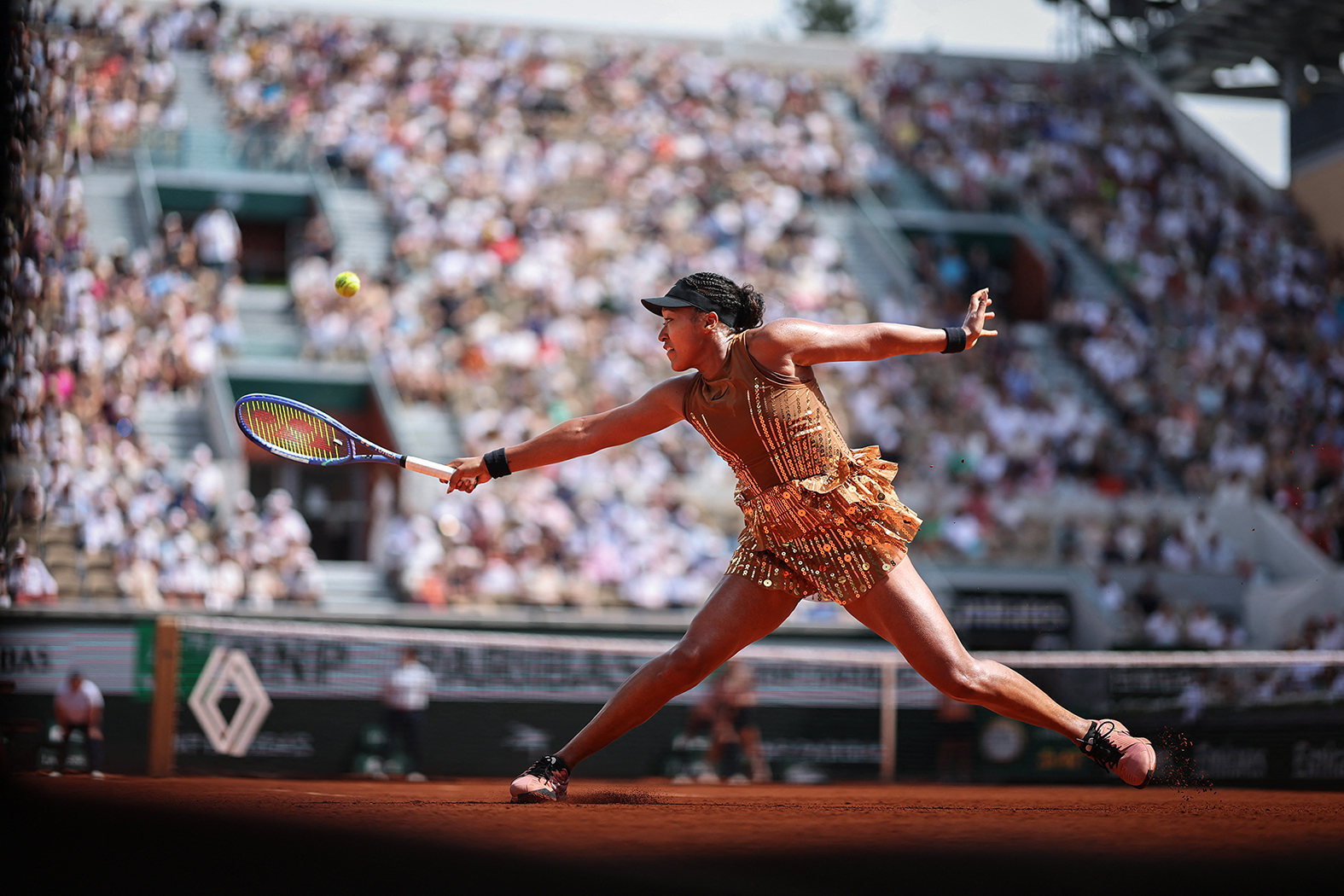

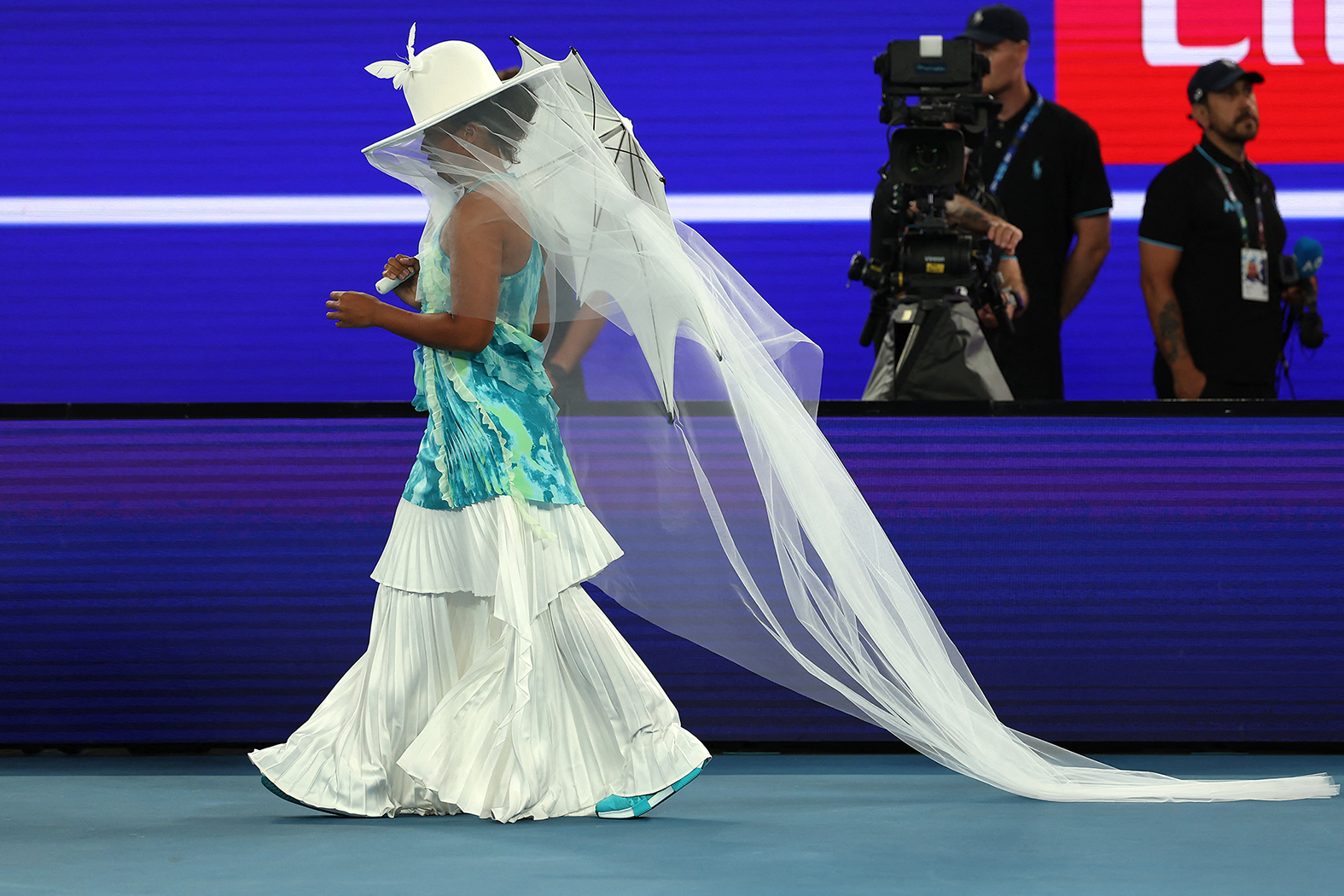
Naomi Osaka says Grand Slam walk-ons are the only time she “feels like an entertainer”. Her captivating French Open outfits this week continue to show that for the Japanese player, the sartorial performance and the game are inseparable. Her meticulously designed Roland Garros looks were worthy of the catwalk, from a divisive Eiffel Tower-inspired black beaded corset and skirt, revealing a gold sequinned tennis dress, to a golden jacket with a cascading bustle-style cream skirt.
It was Osaka’s first-round homage to one of Paris’ most iconic landmarks that sparked fury and awe across the sporting and fashion worlds. Her opponent, Germany’s Laura Siegmund, defeated in straight sets, deemed the Nike-designed golden playing dress inappropriate, saying she was “not here for a fashion show”. Osaka herself prepared for the worst with two back-up dresses, but won the approval of top seed Aryna Sabalenka, who gushed over her sparkling walk-on and on-court designs: “I love that she is expressing herself and feels confident. That’s the beauty of the fashion world, there’s space for anything and I love that she’s bringing it on court.”
The four-time Grand Slam champion may also be finding her feet again, emboldened by her artistic and somewhat peacocking looks. Osaka is in a good headspace for the French Open, says her biographer Ben Rothenberg, who has been following the 28-year old player for a decade. “I don’t think that it’s been detrimental to her in this most recent era of Naomi fashion performance,” said Rothenberg of her on-court displays, which he stresses are mere minutes of preshow before the matches begin.
Her current ranking is a far cry from her 2018-2021 peak, ascending to World No.1 in 2019 and achieving a career-high 23-match winning streak. The hard-court specialist has not yet reached the fourth round of the French Open on clay (which may change this weekend), nor of Wimbledon, and according to Rothenberg has “one of the biggest deltas between her results in hard courts and on other surfaces of any great player in tennis history”.
Osaka has reached the third round at Wimbledon only three times, in 2017, 2018 and at last year’s tournament where she lost to Anastasia Pavlyuchenkova. “This is not the strongest era of her tennis,” said Rothenberg, “but I do think that she’s becoming a more fully realised version of herself in other ways”. This is nowhere more apparent than in her stands for racial justice, candid revelations of her struggles with anxiety and postpartum depression, or indeed in her clothes as her loudest communication and creative outlet.
As one of the most theatrical athletes, Osaka has solidified her ownership of the court as her catwalk. “She is the fashion girl,” said Osaka’s longtime creative collaborator Marty Harper. He adds that her looks offer a glimpse into the unknown and often miscategorised shy woman behind the show: “Naomi is an explorer, she’s curious, she’s all these things that people don’t really know about her because they only know her as the tennis player.”
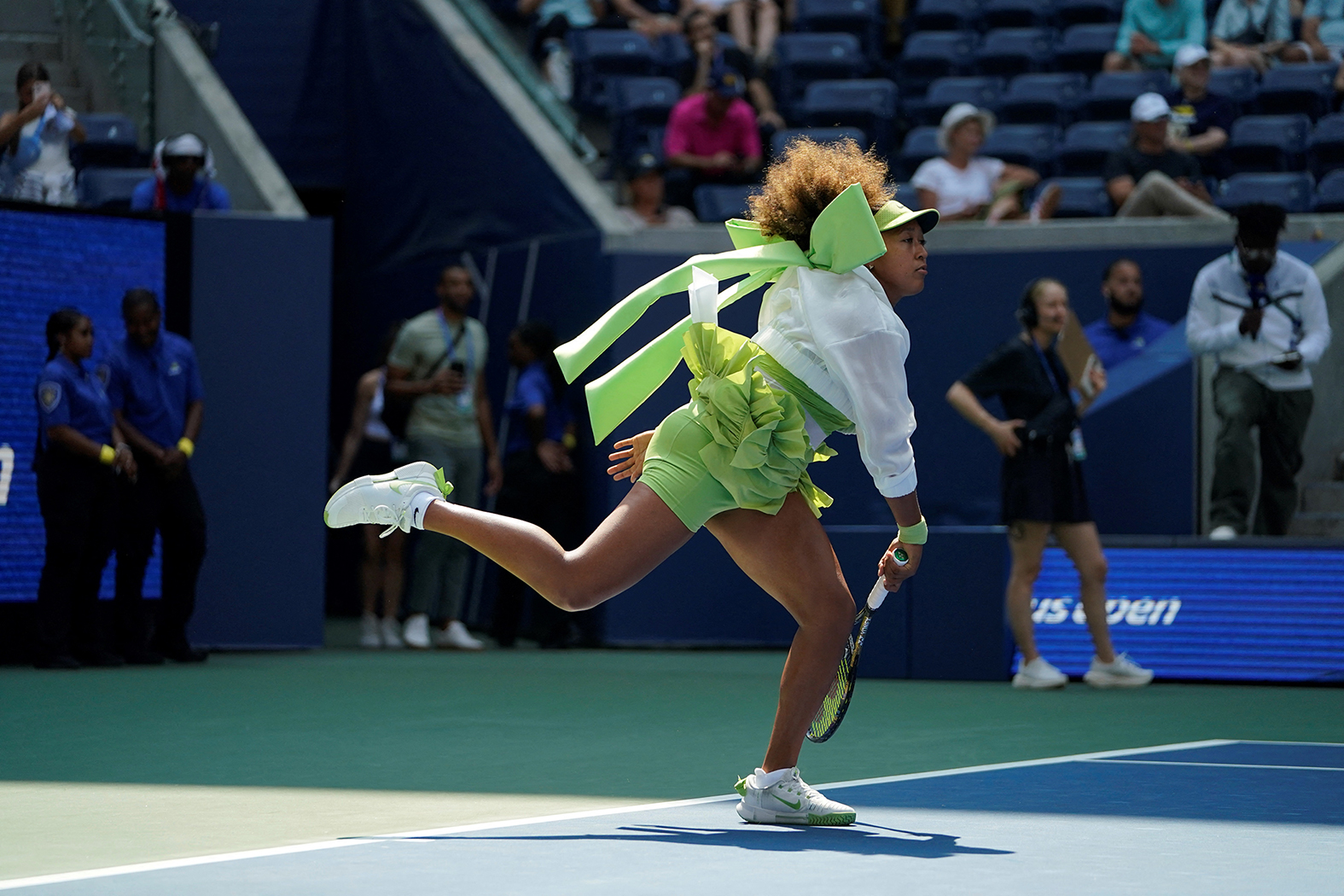
Osaka’s reputation as one of the fashion mavericks of the tennis world has earned her multiple Met Gala appearances, an alleged $10m Nike deal, and luxury endorsement from fashion house Louis Vuitton and watchmaker Tag Heuer. As fashion creative director Sunita Kumar Nair explains, these fashion tennis tie-ups have a long, mutually-beneficial impact. “You get this knock-on effect where everybody wants a piece of [Jannik] Sinner or Serena or whoever it is, they’re sporting idols, and that’s commercial gold,” said Nair.
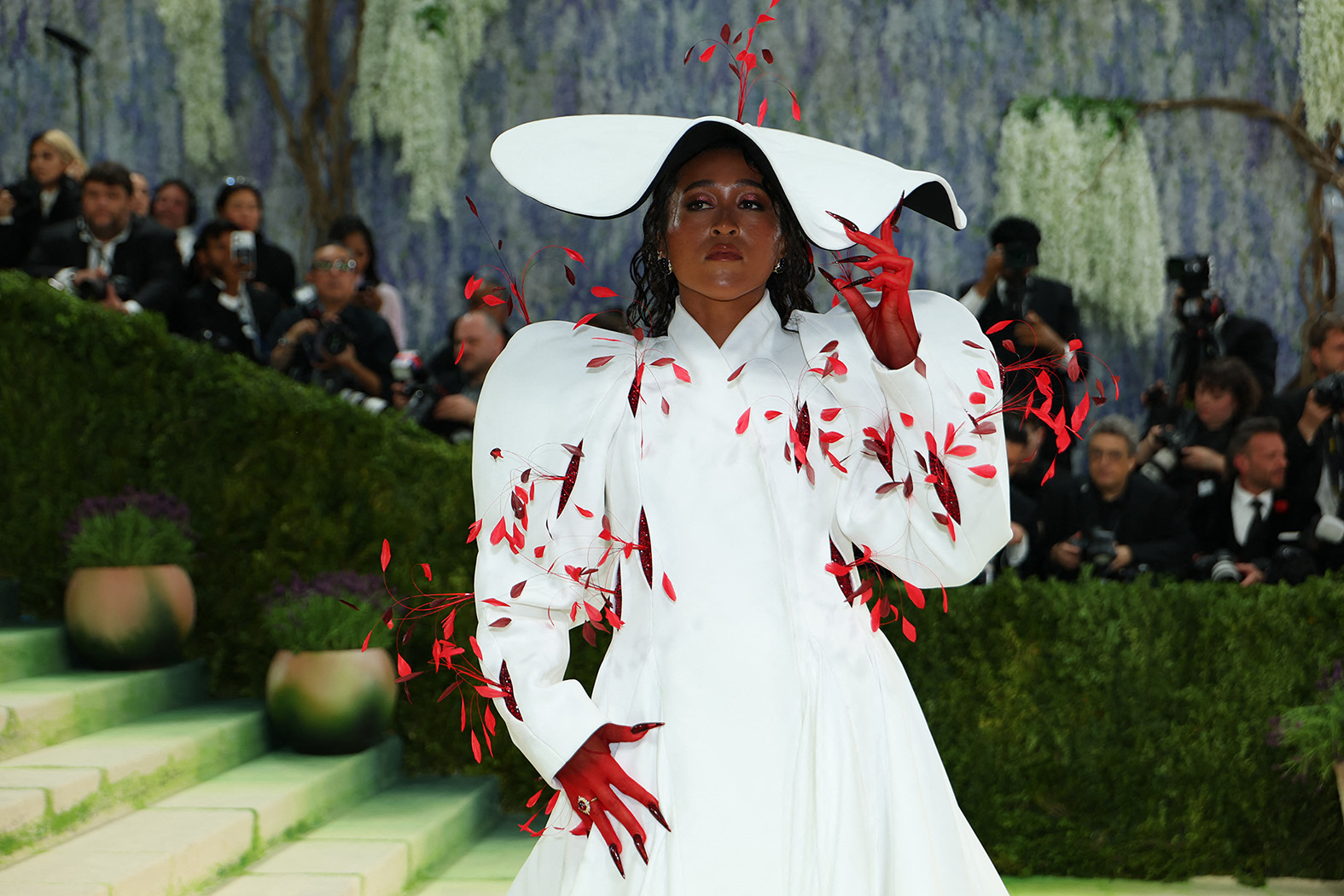
The women’s world no.16 celebrated her “court-ure” from the week on Instagram, stating to her 3m followers of her round-two look: “You don’t take these kinds of risks”. And each outfit has a distinct narrative, a vessel of self-expression which honours each tournament. Playing on the Suzanne Lenglen court in Paris, it was an obvious choice to honour the often forgotten 1920s tennis star’s revolutionary tennis dress which changed the way women dressed for the sport. “It was already done. Suzanne gave us this. She paved the way for Osaka and for others, like Serena and Venus [Williams] and gave us an opportunity to explore this,” explains Harper.
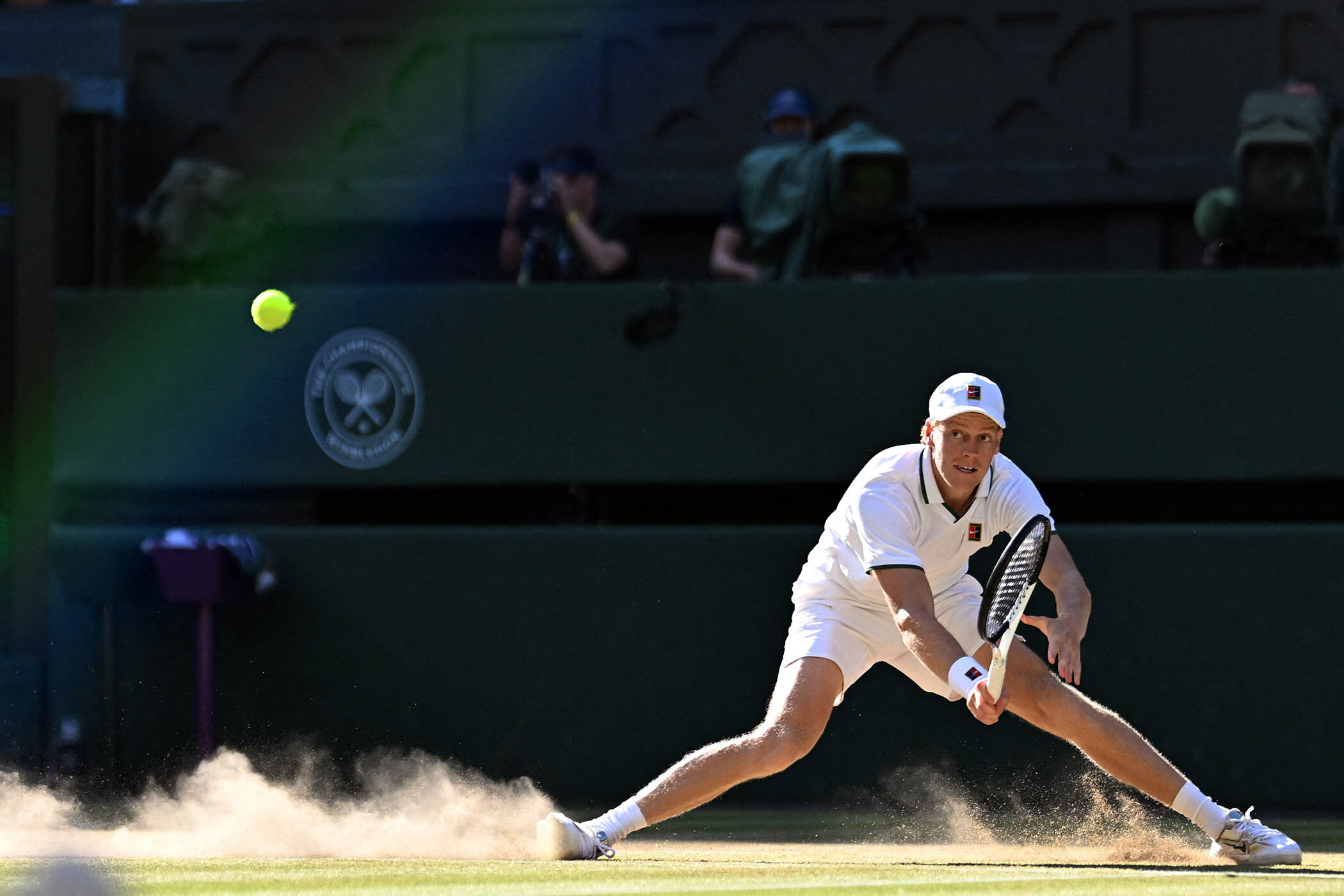
All eyes will now be on Wimbledon, not only to see if Osaka can break her grass court barrier, but if she will tease the tournament’s iconic all-whites rule. The All England Tennis Club were not able to comment on outfits for the upcoming championships, and Osaka similarly kept her plans under wraps, coyly telling the press: “I just like to keep you guys guessing. I really enjoy that you guys enjoy it.”
Looks like those found on Osaka’s “catwalk” wouldn’t be allowed at the well-dressed AELTC, says Nair, who has written the first comprehensive history of tennis and style in her new book ACE: The Times & Style of Tennis. “I think there’d be half of the crowd who would be very into the blowout of the rule, and I think the other half would be absolutely appalled at it, and probably not watch,” Nair said.
Newsletters
Choose the newsletters you want to receive
View more
For information about how The Observer protects your data, read our Privacy Policy
The world’s oldest tennis tournament is fiercely traditional, imposing the all-white rule in 1963. “It seems restrictive, but actually people have a fair amount of freedom within that,” says Wimbledon Museum’s Senior Curator Emma Traherne. Designers and players enjoy the challenge and cultural symbolism, but changes may come “from a material and technology view” and a “modesty perspective if people are playing from different cultures”, Traherne said. It seems unlikely the tennis club will ever relinquish their white rule, which is as paramount to the tournament as strawberries and cream. “I think we’re probably holding onto the white clothing rules as that’s such a big part of our kind of tradition, but I don’t think we will shy away from innovating within that”.
Osaka is far from the first of the tennis stars to play with the style of her outfits, but is experimenting at a time when the relationship between tennis and fashion is dominating the sport. Even the stuffiest of spectators will have to adapt to the drama. “Brands are going to be more hungry for this centre stage moment. There’s going to be this vying between the players for the best dressed,” said Nair. “My only caveat with all this showmanship is that it doesn’t go too far and that we lose the essence of what tennis is about and the level of concentration and the game.”
Photographs by Anne-Christine Poujoulat/Getty Images, Martin Keep/Getty Images, Timothy A Clary/Getty Images, Angela Weiss/Getty Images