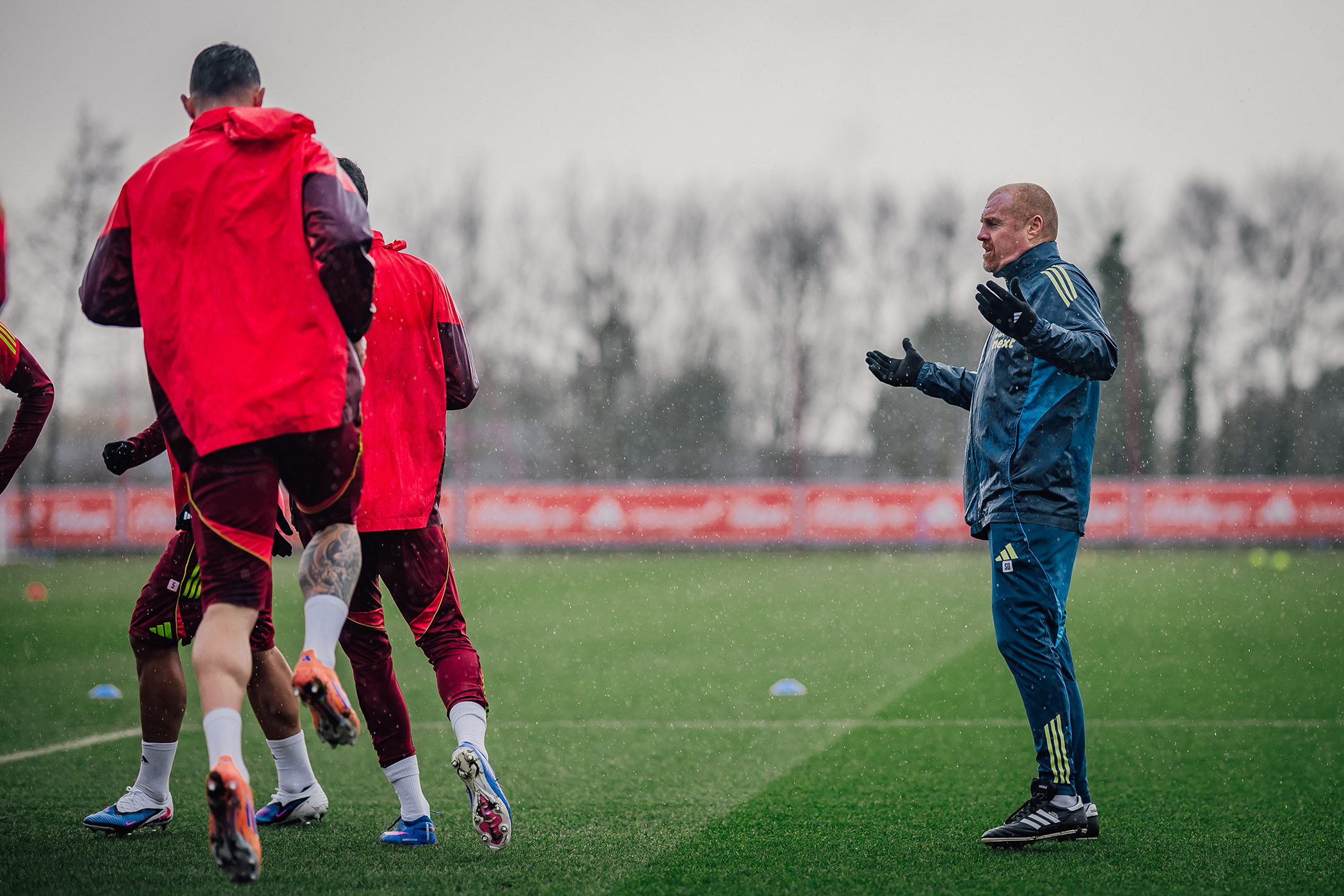


Chaotic instability is the closest thing Nottingham Forest have to a strategy under Evangelos Marinakis, fundamentally dependent on the whims of his impulsive and impatient billionaire id. On 12 February 2024, Forest were 16th, while a year later they were third. In 2026, they sit 17th. They spent more last summer than Bayern Munich, Real Madrid and Paris Saint-Germain, including 11 permanent first-team signings and two loanees, the fourth consecutive pre-season window they had brought in nine players or more.
Marinakis handed Nuno Espírito Santo a three-year contract in late June and he had left by the second week of September, while Ange Postecoglou’s 39-day winless cataclysm of ego and spin does not need rehashing. And for all the reasonable complaints over style and sustainability, Forest had lost just one of their previous six league games before Sean Dyche’s midnight sacking, earning more points than Arsenal, Liverpool and Aston Villa in that period. He did what he was hired to do, taking over a club in 18th and lifting them out of the relegation zone, and lost the players and fanbase to a terminal degree.
Yet Forest’s convulsive existence exposes the Premier League’s big secret: for all the money and eyeballs and expectation, a significant proportion of operating an elite football club remains guesswork and hope, effectively gambling with the GDPs of small nations. Most owners and executives simply do not understand or know why some appointments or signings work better than others, exactly what makes talent develop and some teams gel while others collapse like gingerbread houses in the rain. They can apply the same logic and processes religiously and get wildly varying results, or act as erratically as Marinakis and somehow stumble upon consistency. It is simultaneously unfathomable and totally believable that many in senior positions at Premier League clubs have fumbled their way to the top; first failing upwards, then failing totally. Sometimes when people do not look like they know what they are doing, like there is any semblance of a coherent plan or philosophy, you just have to believe your eyes.
Nowhere is this more obvious than Forest or Tottenham, two houses alike in indignity, in chaos and contempt, most comfortable in the throes of an existential crisis. Reports after Dyche’s sacking said Marinakis was searching for a coach “with great man-management skills”, which really does feel like the bare minimum.
Replacing Postecoglou with Dyche was perhaps the most jarring shift in identity and ideals between two coaches ever. Hiring Edu Gaspar as head of football made sense and yet has appeared only to contribute to a tangible regression in recruitment and hiring. Meanwhile, Spurs have won the Europa League and reached the knockout stages of the Champions League while finishing 17th last season and sitting 16th currently. Neither club seem any wiser about how they have got here, or how to extricate themselves.
Elsewhere, Oliver Glasner has won trophies at Crystal Palace and earned European qualification. When he leaves, what lessons will the club have learned from his tenure? Was he the sole difference between their years of middling apathy and Wembley afternoons bathed in euphoria? Everton and West Ham have discovered that for all their incoherent recruitment and backroom churn, sometimes the answer is just David Moyes. Four of the bottom five in this season’s Premier League have sacked managers this season, Forest three times. Burnley’s quaint resignation in holding onto Scott Parker feels like an act of rebellion, accepting they aren’t getting out of the burning building alive and meditating among the flames.
Part of the problem here is that the Premier League has become so advanced that the skills required to coach in it do not translate from elsewhere
Part of the problem here is that the Premier League has become so advanced that the skills required to coach in it do not translate from elsewhere
Of course, Brentford, Brighton and Bournemouth have proven that the right data used in the right way can remove some elements of chance, creating systems that seem to limit the vicissitudes of fortune, but a host of clubs remain desperately searching for both an impossible stability and ceaseless progression. Relegation would be so financially damaging to most it could take years to fashion something resembling recovery, a gargantuan margin of risk and reward that only makes sane decision-making harder.
Only six teams are currently more than one place higher in the Premier League table than they finished last season – Arsenal, Aston Villa, Manchester United, Brentford, Everton and Tottenham, although 16th instead of 17th is not much to shout about. Diagnosing whether the improvement at any of those clubs is sustainable beyond this season, or perhaps even this month, is somewhere between difficult and pure guesswork.
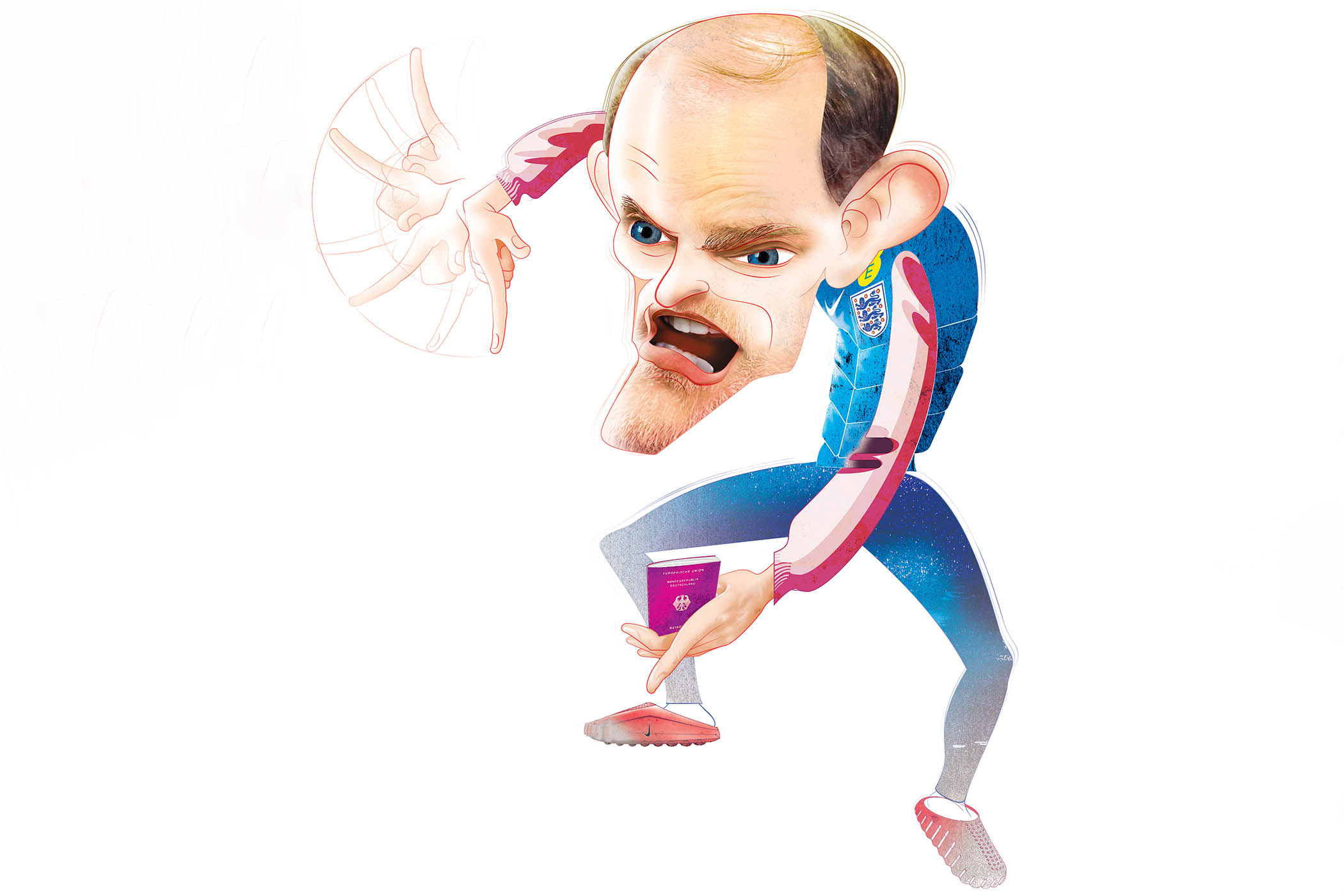
No appointment could ever illustrate this plague of institutional confusion quite like Forest hiring Vítor Pereira, a man who has won trophies in Portugal, Greece and China but also left seven of his past nine clubs in less than a year, including four in less than six months. He was shortlisted for Premier League manager of the year having overseen Wolves’ survival in his first six months, before winning two of their next 15 matches. How much influence did he have over either of those opposing periods? Can he take credit for one without accepting responsibility for the other? In short: is he actually any good at this, or is his agent just Jorge Mendes? And in an industry more dependent on spin and noise than ever, how different does either option actually look?
There remains a suspicion that any number of coaches are being passed around the world’s clubs like a sort of managerial money laundering, without any real proof of their sustained competence or impact. Eight months here, two seasons there. A Turkish Super League with Galatasaray, a Portuguese League Cup with Porto. Maybe part of the problem here is that the Premier League has become so uniquely advanced that the skills required to coach in it do not really translate from elsewhere. Almost all logic behind the hiring of Ruben Amorim appeared sound, except for his lack of Premier League experience. Maybe this is what Albert Einstein meant when he said if you judge a fish by its ability to climb a tree, it will live its whole life believing it’s stupid. Or maybe he was just referring to making Dyche coach a team to 35 shots in a single match.
Pereira might be the platonic ideal for a Marinakis hire, a short-term guy for a short-term job, an itinerant vibes merchant who has, at the very least, previously helped a Premier League club avoid relegation. But this is really just another gamble from a club who clearly do not understand what guided them into a title race and then the Europa League, and still won’t understand why they either survive beyond this season or, just as feasibly, don’t.
Photography by Ritchie Sumpter/Nottingham Forest FC via Getty Images
Newsletters
Choose the newsletters you want to receive
View more
For information about how The Observer protects your data, read our Privacy Policy