
It is Sunday night and the England squad are back at Pennyhill Park, going through the tape of the previous day’s 48-7 win over Wales. A good win even against fairly desperate opponents, their 12th Test victory on the trot, with some great individual performances: Ollie Chessum, George Ford, Ben Earl to name a few.
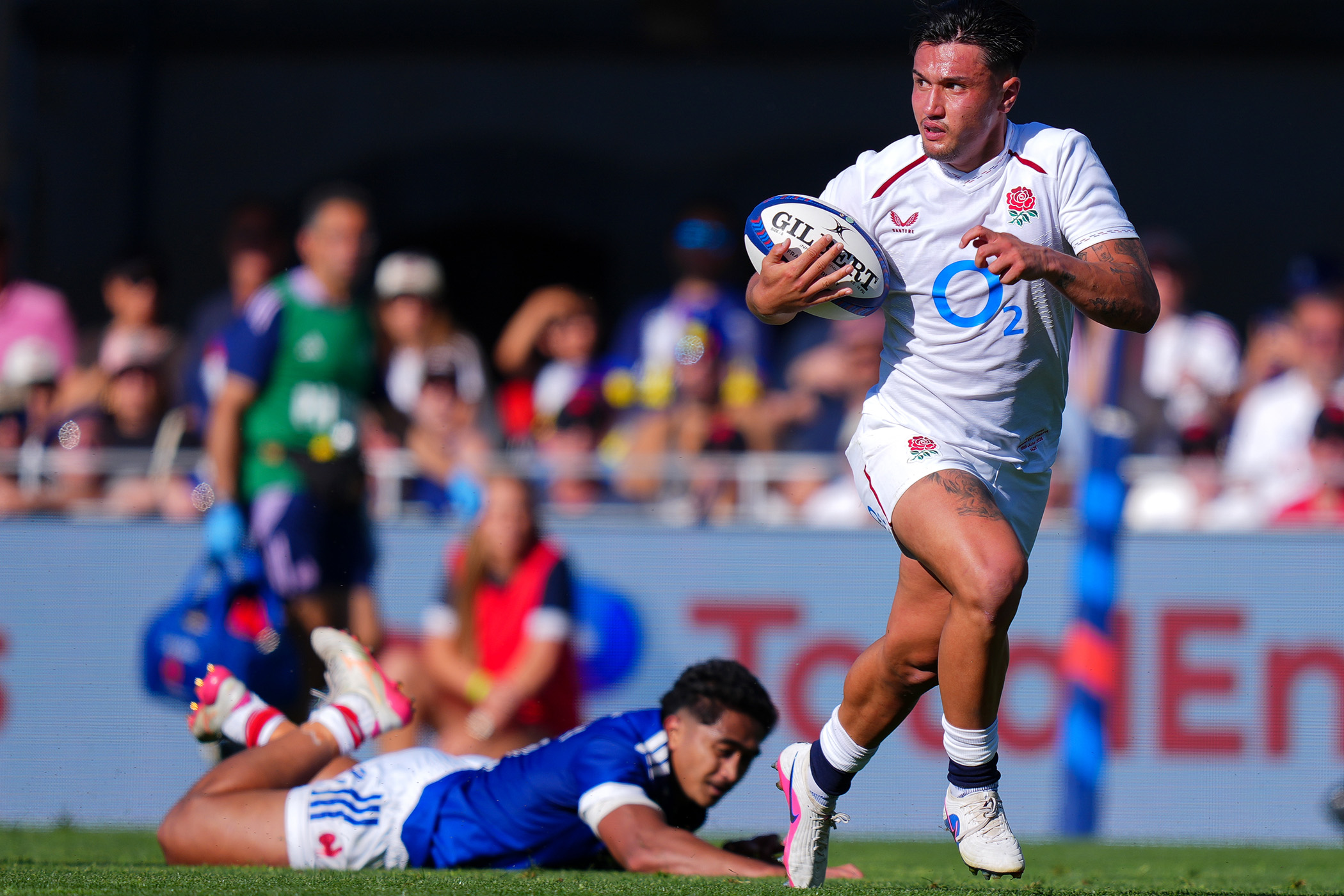
Henry Arundell scored a hat-trick, admittedly one he could have managed with his eyes closed, but still a hat-trick at Allianz Stadium. A moment he would have dreamt up countless times in his back garden, including during the years when the Arundells were based in a barracks up in Edinburgh. Returning to the Scottish capital on Saturday to play at Murrayfield will be pretty special too.
Anyway, back to the video review. Lots of highlights, certainly. But there are also irksome passages being dissected. England conceded 12 penalties and while Steve Borthwick is disappointed with the team, he brings up that England seem to be conceding more penalties at home than away. In the autumn it happened in three of their four Test wins. So he has raised it with officials to try and understand what the referees are seeing (so far without a response). It is a good example of Borthwick’s appetite for detail.
There is also, as Borthwick explains, a sense of disappointment with how England lost momentum in the third quarter. Leading 36-0 with over half an hour to go, you can see how that might happen. France went through the same dip on Thursday night, cruising against Ireland. Maintaining that intensity when your opponent is on the canvas is not as easy as it might seem. Borthwick did not say it, but the way South Africa kept on pummeling Wales in the autumn in a 73-0 humiliation may have been on his mind. A benchmark for ruthlessness. And England fell short of that against Wales, creating 12 line breaks – “One of the highest we have had in a long time, which is really pleasing,” notes Borthwick – but leaving some tries out there.
“We feel that there's a certain amount of disappointment that we let the intensity drop off. We addressed that on Sunday night. We know, playing against a team as good as Scotland, that we cannot have that drop-off.”
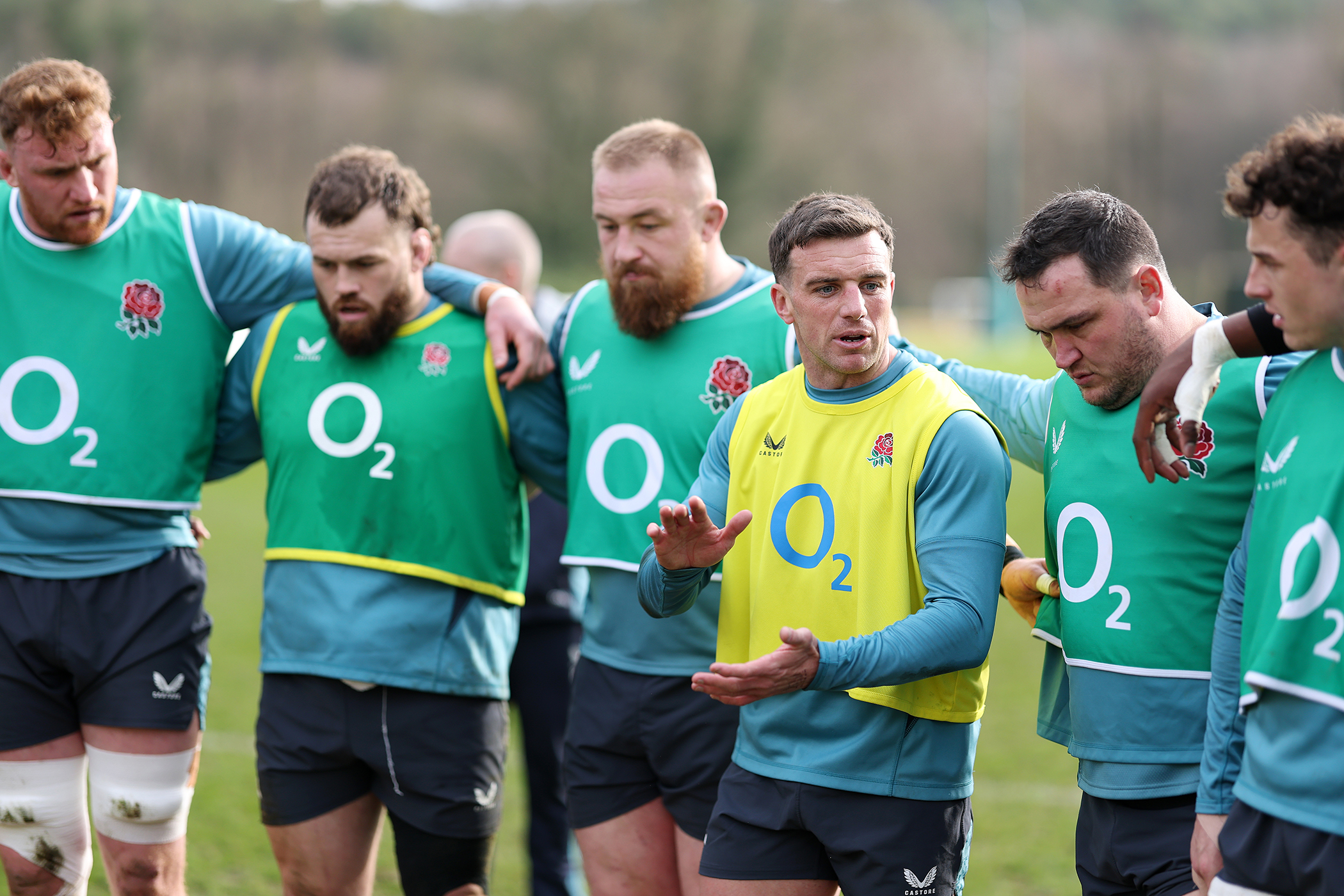
What exactly does “addressing that” mean? George Ford, England’s fly-half and effectively an extra assistant coach out on the field, went into more detail.
“Well, [you] show [the video] first. It was out in the open. Everyone was sat there and we saw examples and instances of it not being good. If you're sat there in a meeting room watching it and it's crystal clear, that has a big enough impact and effect straight away.”
Those clips included being slow to rucks, or England’s kick chase not being as effective. “Stuff that sticks out like a sore thumb when you watch it back, really,” as Ford explains.
“The way we work off the ball is primarily a big one. That is probably the easiest time to have a lapse in concentration, when the ball is nowhere near. But at this level, the ball's going to find you. It is usually a sequence of events that allow an opposition to have an opportunity to score a try. It usually starts two, three phases before. So then we see that, because of this [lapse], now this [try] has happened. That is hard stuff to watch sometimes. But it makes you feel that you have to be ready for everything.”
While it is good to hear that England are chewing over the bits they don’t like, you can also step back and appreciate that losing your way slightly when leading a Test match by more than 30 points to nil is a nice problem to have. By addressing those bugbears, those minor dents, England can unlock a new level.
Newsletters
Choose the newsletters you want to receive
View more
For information about how The Observer protects your data, read our Privacy Policy
“They are an absolute pleasure to work with and have an enormous potential for growth,” Borthwick added of his players, after making two changes to the starting side with the returns of captain Maro Itoje and hooker Luke Cowan-Dickie, while swapping Marcus Smith for Fin Smith on the bench.
“They are already very, very good. The message to the players very clearly is: go out, move the ball, play fast, play brave. It suits the team we have.” While winning twice in Argentina over the summer was admirable, there is a sense that England are still in need of big wins in the road in this Six Nations - either at Murrayfield or at the Stade de France on the final day, ideally both - to truly cement their status as Rugby World Cup contenders going into next year. Right now, they are close.
Continuing the theme coming into the Six Nations of England having the fewest problems, selection wise they are relatively settled compared to their rivals. France are taking a new centre partnership to Cardiff, although there is real excitement around the potential of Fabien Brau-Boirie, the young Pau centre joining an already youthful French contingent - Louis Bielle-Biarrey, Mickaël Guillard, Théo Attissogbe - who play with no fear.
Hopes could not be lower for Wales but, then again, surely they cannot play any worse than the first half at Twickenham last weekend.
Italy have never defeated Ireland in Dublin in the Six Nations, and despite the high of defeating Scotland they may struggle to turn over Andy Farrell’s side without the influential Juan Ignacio Brex in their backline. Equally, given Ireland’s injuries and selection tweaks - there are Six Nations debuts for Cormac Izuchukwu and Rob Baloucoune, plus a potential full debut off the bench for the powerful Edwin Edogbo - a repeat of Ireland’s 36-0 demolition of Italy two years ago feels unlikely.
Really though, all eyes are on Murrayfield. Not only for a reaffirmation that England are a legitimate force, but on Scotland to see if there is still life in this Gregor Townsend era, given that for all of their wonderful attacking rugby in recent years and the repeated triumphs over the Auld Enemy it appears as though apathy may be setting in, particularly with a title-winning coach in Franco Smith at Glasgow Warriors waiting in the wings. England need to win this for their title ambitions. The ramifications for Scotland should they lose feel even bigger.
Photograph by Dan Mullan - RFU/The RFU Collection via Getty Images