
The floodlights glow in the smudgy clouds and the sleet is just starting. Men, women and children shuffle towards the ground, necks craning forward, LS Lowry for ever. All around, the pre-match orchestra tunes its instruments: generators supplying burger vans, programme sellers trying to shift their wares, the echo of the stadium announcer. Football is grumbling, waking up.
“So, what is it that you were talking to them blokes about back in the pub, James?” asks my Dad.
“East Sports?”
It’s a Wednesday night, and the big boys are in town. It’s top against bottom. Wolves v Arsenal. Banks’s Mild v Camden Hells. Fans who are looking down saying things like: “This is the most useless bunch of tosspots I’ve ever seen in old gold and black, and wow have we seen some useless tosspots,” versus fans looking up at winning trophies.
“No, Dad. I was asking them about esports,” I reply. “Online gaming. We have a team in China that is very good at it.”
He looks at me, adjusts his woolly hat, and we carry on walking to the place we’ve been walking towards since I can remember anything at all.
When Fosun International bought Wolverhampton Wanderers for £45m in 2016, the new chief executive, Jeff Shi, said: “Our goal is crystal clear: we will do our very best to help take Wolves back to the Premier League as soon as possible and to stay there.”
Jeff was right. After a bit of a false start, Nuno Santo Espírito grabbed Wolves by the scruff of the neck and sat us down at the big table. There was a Championship title, consecutive seventh place finishes in the Premier League, quarter-finals in the Europa League, semi-finals in the FA Cup. It was magnificent. Going to the match wasn’t a chore and what happened on the pitch wasn’t the least enjoyable part of the day.
At that big table, it’s all about those extra one percents. Big throw-ins. Blue light glasses. Unlicensed sponsors. And one of the ways that Fosun has been after that 1% is esports. Money. Eyeballs. Global brand diversification.
Esports are gigantic. The market value is expected to reach $7.46bn (£5.7bn) by 2030, and it completely usurps what you may think of as gaming in terms of ability, skill and dedication. This is not you and your mates playing Fifa with a couple of bottles of Lucozade when you were 15, this is not you getting addicted to online Scrabble. This is talented, mostly young men, battling in pixels for big cash.
Newsletters
Choose the newsletters you want to receive
View more
For information about how The Observer protects your data, read our Privacy Policy
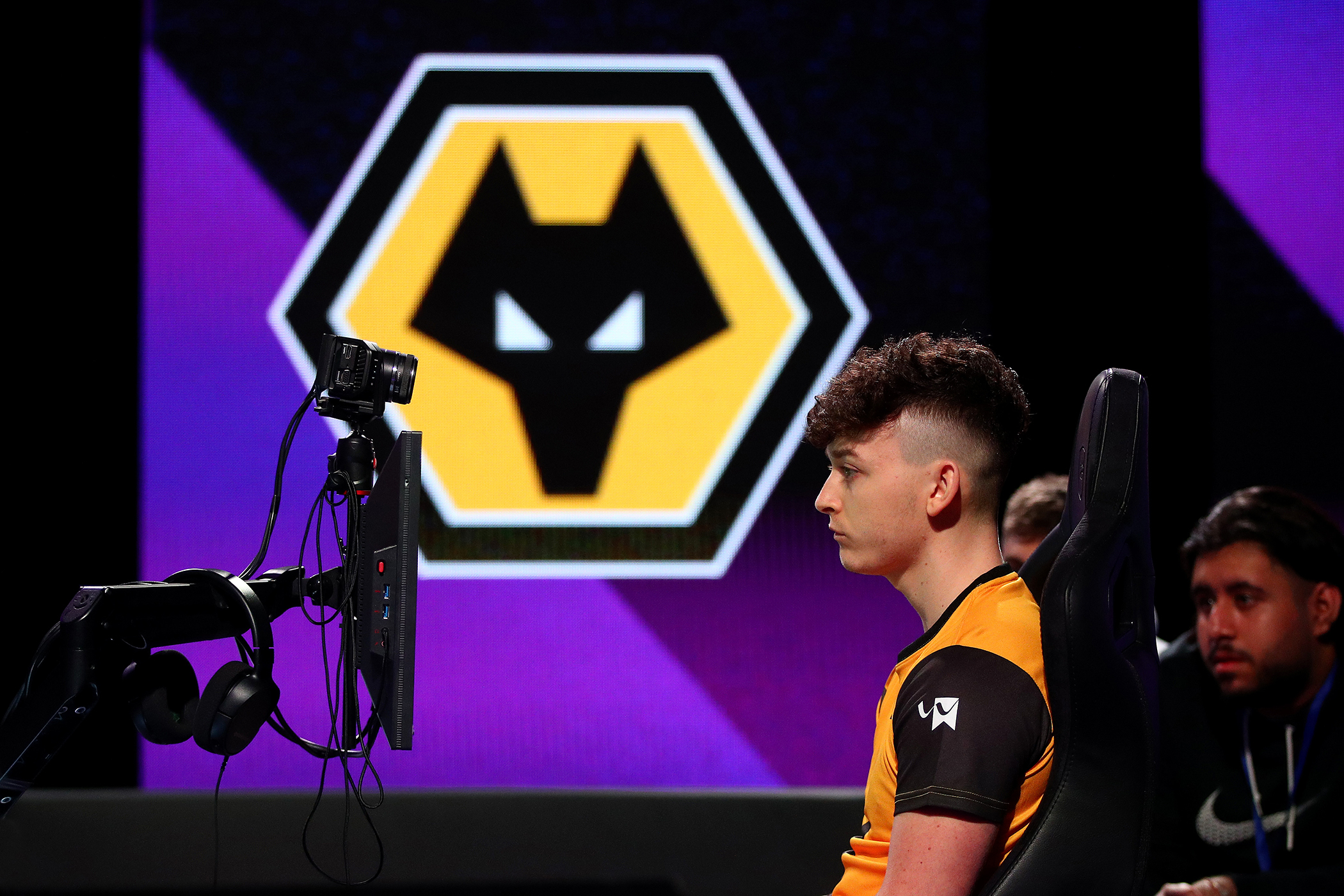
If you still don’t get it, the simple explanation is that since 2019 Wolves have had various video game teams that compete globally across multiple titles, including Honor of Kings (multiplayer online battle arena), Call of Duty (first person shooter) and QQ Speed (kart racing), with those teams made up of gamers scouted from every corner of the world to wear the Wolves crest. They slay bad guys and race karts while others watch.
And, in November last year, Wolves’ team of 20-something Chinese gamers hit the big time. The King Pro League Grand Finals. Tickets sold out in 12 seconds, the 62,000 people at Beijing’s iconic Bird Nest stadium that day was a new Guinness World Record for the largest esports attendance, the winner took home $2.9m, and 120,000 viewers streamed it online.
Tom Daniels, former editor of esports Insider, was there. “I’ve covered esports for a long time now, but even I was shocked,” said Daniels.
“It’s fascinating. The arena was split into two like home and away fans, you had fans chanting, and some people were wearing Wolves shirts whether they know about the football club or not. Half-time entertainment was a super famous Chinese singer. It reminded me of the Super Bowl.”
Any football club hoping to compete will be looking for new ways to diversify their club’s appeal to the next generations
Any football club hoping to compete will be looking for new ways to diversify their club’s appeal to the next generations
But Wolves fans have repeatedly expressed frustration that the club promotes their esports division while the football team struggles, viewing it as a lack of focus on what matters most. It can be difficult to contemplate the successes of animated characters called things like “Cypher” and “Brimstone” blowing up each other’s “bases” when it sometimes feels like your own base is being blown up every week by characters called things like Bournemouth and Brentford.
At a recent meeting with fan groups concerned at the direction of the club, new chief executive Nathan Shi emphasised that esports operates as a separate entity, that there is a desire for a clearer review and long-term vision for esports moving forward, and that the Chongqing esports stadium (a 2,000-seat arena announced as receiving a £23m investment from Wolves) was locally funded and not funded using Wolverhampton Wanderers resources.
There is an interesting parallel with Wolves’ current situation. In June 2021, with Schalke 04 relegated from Bundesliga after 30 consecutive seasons and preparing for life in the second tier, the club announced that they would be selling their esports team’s starting place in the League of Legends European Championship for €26.5m (£23m). You can buy yourself a very lovely João Gomes with that type of money.
But if you adore video games and the beautiful game, can an end-of-round clutch killcam elicit the same ecstasy as a last-minute winner, just because the protagonist is kissing the same badge? Football clubs haven’t been about just football for a long time.James Wright is a football and gaming enthusiast who publishes Controller Revolt zine, and has worked for institutions such as SEGA Sports Interactive and Epic Games.
“Queens Park Rangers is the community where I grew up, the family who dragged me there, the away trips with friends; having any metric of success doesn't really come into that connection,” he said, when asked how he would feel if QPR suddenly had a successful esports team on the other side of the planet.
“That footballing identity being translated into an entirely separate world wouldn’t really have much impact on my interest when you look at the motivations behind it, who’s recruited, and a video game that is nothing to do with that identity beyond the fact they are potentially wearing a nylon shirt with the same badge on it.
“I don’t think there’s anything inherently wrong with it, but it’s a level of cynicism for me where it doesn’t have any connection to the essence of why I engage with football. Even as a gaming saddo, clubs branching into competitive first-person shooters feel like a canny investment, but low on genuine club connection.”
It is essential that any football club hoping to compete in 2026 will be looking for new ways to diversify their club’s appeal to the next generations. But purse strings are not heart strings, and I greet the esports team objectives with the same shrug as I do my dad leaving five minutes before the end to beat the traffic: not for me, but sure.
However Wolves’ adventure in esports pans out, my fraying Nuno scarf is safe around my neck independent of what league, park pitch, or planet the football team ends up playing on.
The fireplaces glow as the sleet still splatters against the windows. In the Combermere Arms, a red brick terrace pub opened in 1860 with an ancient tree growing in the middle of the loos, there are a handful of old men with faces made of clay and coats covered in pin badges sipping through the dying embers of their midweek outing. Football is grumbling, bedtime soon. But, we haven’t been slapped by Arsenal. We’ve actually given them a bloodied nose. The type of thing that makes it all feel worth it.
“Gents, I’m a Wolves fan and a journalist, would any of you like to talk to me about our esports team?”
“Our woh?” one of them says.
“Our esports team. They play video games and they’re very successful.”
“Oh, right, I dow know nuffin about that, ar kid.”
We drink our pints. Stare at the fire. And talk about the Wolves until there’s no beer left.
Photograph by Christopher Lee/Getty Images for ePremier League