

Maybe you know the feeling. You awake in a strange bed. You are still wearing a party hat. There’s clothes strewn around, a half-eaten kebab on the floor, the sound of an unknown someone frying bacon and eggs in the kitchen. No, this is not a window into the world of Ben Duckett. It concerns the uneasy feeling that something has gone terribly wrong, but you’re not quite sure what or why. Because that’s where cricket’s at, right this minute. Traditionally, the Boxing Day Test match is the season’s shop window. Bridging Christmas and New Year, it provides a sense of where cricket is at, in skill, spectacle and public estimation. Some of the news is good. The atmosphere was convivial. The crowds were enormous. Trouble is that there will be no more of them, because the game concluded in 142 overs – less time than a first-grade game. Not since 1981 has an Ashes Test ended without a 50 scored; not since 1932 has this happened in Australia.
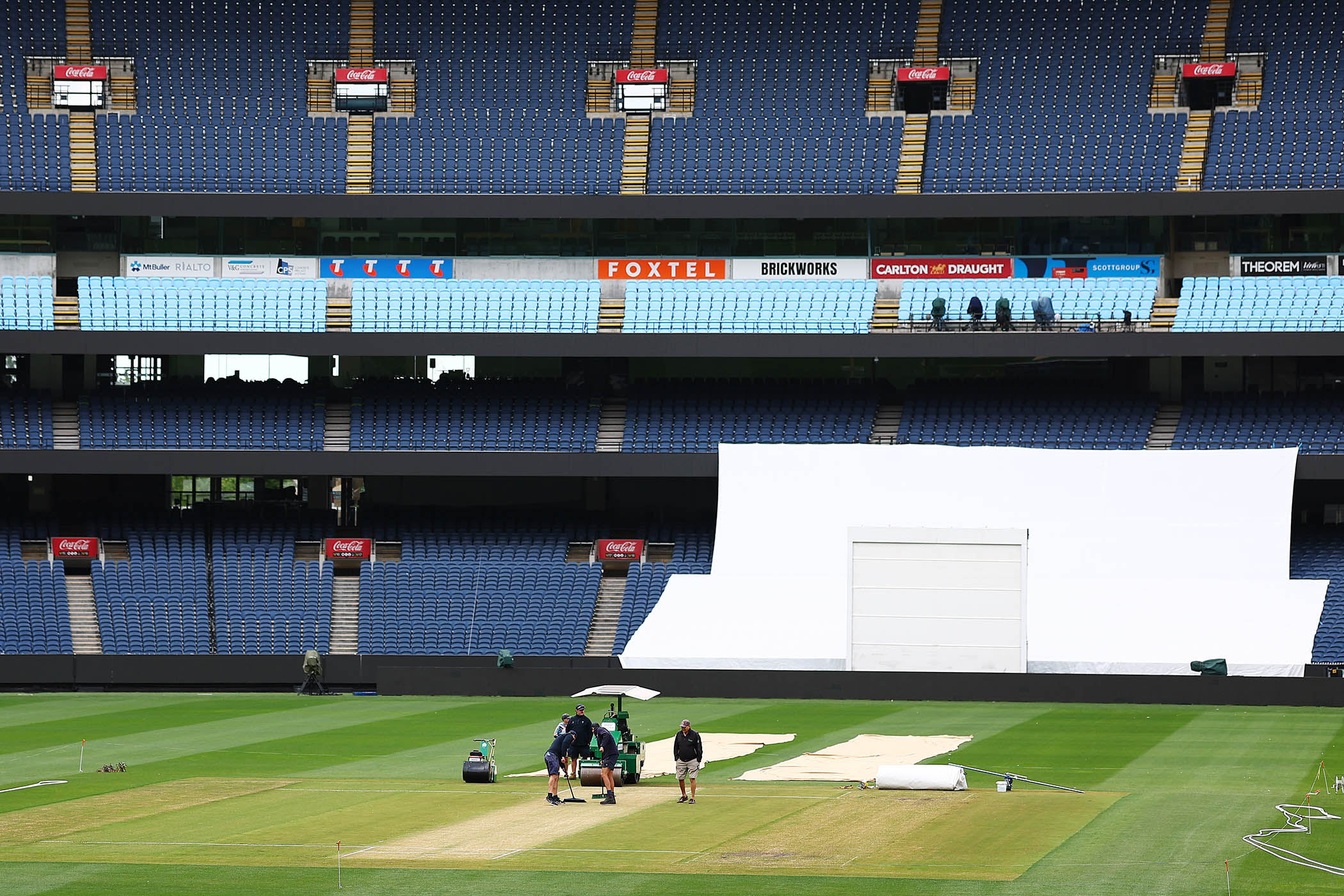
Normally, because such judgments are always a balance, one tries to give credit to the quality of the bowling. But much of the observably best bowling on either side was hors de combat at the Melbourne Cricket Ground: Australia was without Pat Cummins, Josh Hazlewood and Nathan Lyon; England was deprived by injury of Jofra Archer and Mark Wood, and by the recent retirement of Chris Woakes, who would have been devastating here. Everyone is staring daggers at the hapless groundsperson, brought in to rejuvenate the square after the turgid fiasco of 2017, who by evidently exceeding his brief provides a readymade scapegoat.
With everyone looking back 15 years to the last time England won in Australia, it’s instructive to recall the last time a Boxing Day Test turned out so badly for Australia. After Ricky Ponting’s team were humbled in 2010, Cricket Australia launched its form of a royal commission – the Argus Review, overseen by a prominent businessman, ran the gamut of cookie-cutter corporatist solutions, foreshadowing the high-performance system of today.
Australian pitches needed more life, more variety more regional characteristics
Australian pitches needed more life, more variety more regional characteristics
The response here has been more muted. Cricket Australia CEO Todd Greenberg simply wants a pitch overseer – a witchfinder-general outing curators who dare leave their grass heretically long. Which is ironic, as it’s possible to recall the opposite catch cry – that Australian pitches needed more life, more variety, more regional characteristics, because they created better rounded, more resourceful and versatile players. But bureaucracy always thinks that more bureaucracy is the answer.
With the benefit of hindsight, it’s arguable that the Argus Review was an overreaction, maybe even a decoy. The Australian team had reached the end of a cycle of long-term greatness, as was always inevitable; what happened, I suspect, is that its short-term decline was used as a burning platform to push through a foreordained centralisation of the game at Jolimont. Yet the timing was odd. The biggest change in the game had already been mandated, and was not to be undone – the Big Bash League was launched without any such widespread consultation of cricket’s great and good.
It’s arguable that the malaise of this summer reveals problems that are deeper and less tractable. They certainly involve a great deal more than 10mm of grass. For all the Travball, Mitchell Starc’s lion-hearted feats and Alex Carey’s unobtrusive excellence, this has been a slipshod Ashes. Duration is not everything in cricket, but it is indicative of imbalance – game time in this series has so far been barely half the allocated time. The games have looked shabby; actually they have been shabby, with core skills lacking and application absent. And because the sign of any sideways movement these days is a cue for batters to throw the switch to vaudeville, there were yesterday almost more ramps to be seen than front foot defensive shots.
Cricket’s risked alienating what remains the overwhelmingly largest part of its audience… perennially in danger of being taken for granted
Cricket’s risked alienating what remains the overwhelmingly largest part of its audience… perennially in danger of being taken for granted
Modern cricket loves to preen about being market-driven – how it’s laser-focused on the consumer, all about great customer experience etc. Yet this season, it’s risked alienating what remains the overwhelmingly largest part of its audience, which remains the dedicated Test match viewer, perennially in danger of being taken for granted. An England team manifestly underprepared has been shredded by an Australian team with a flakey top order and largely deprived of its first-choice attack, even as the England Cricket Board counts its millions from The Hundred sale and Cricket Australia fantasises of doing the same. Tens of thousands of people have undertaken trips of a lifetime from England on the promise of a contest and been left wandering zombified through Australian city streets on unscheduled lay days; tens of thousands of local fans will be deprived of live cricket at all in what should have been a showpiece summer. That’s not the fault of a grounds person’s mower. It’s the outcome of the totality of the changes of two decades, the perverse incentives and the culture of self-interest spreading players too thinly over multiple formats, from which the efforts to quarantine Test cricket, even amid its steady marginalising in most countries round the world, have been derisory and tokenistic.
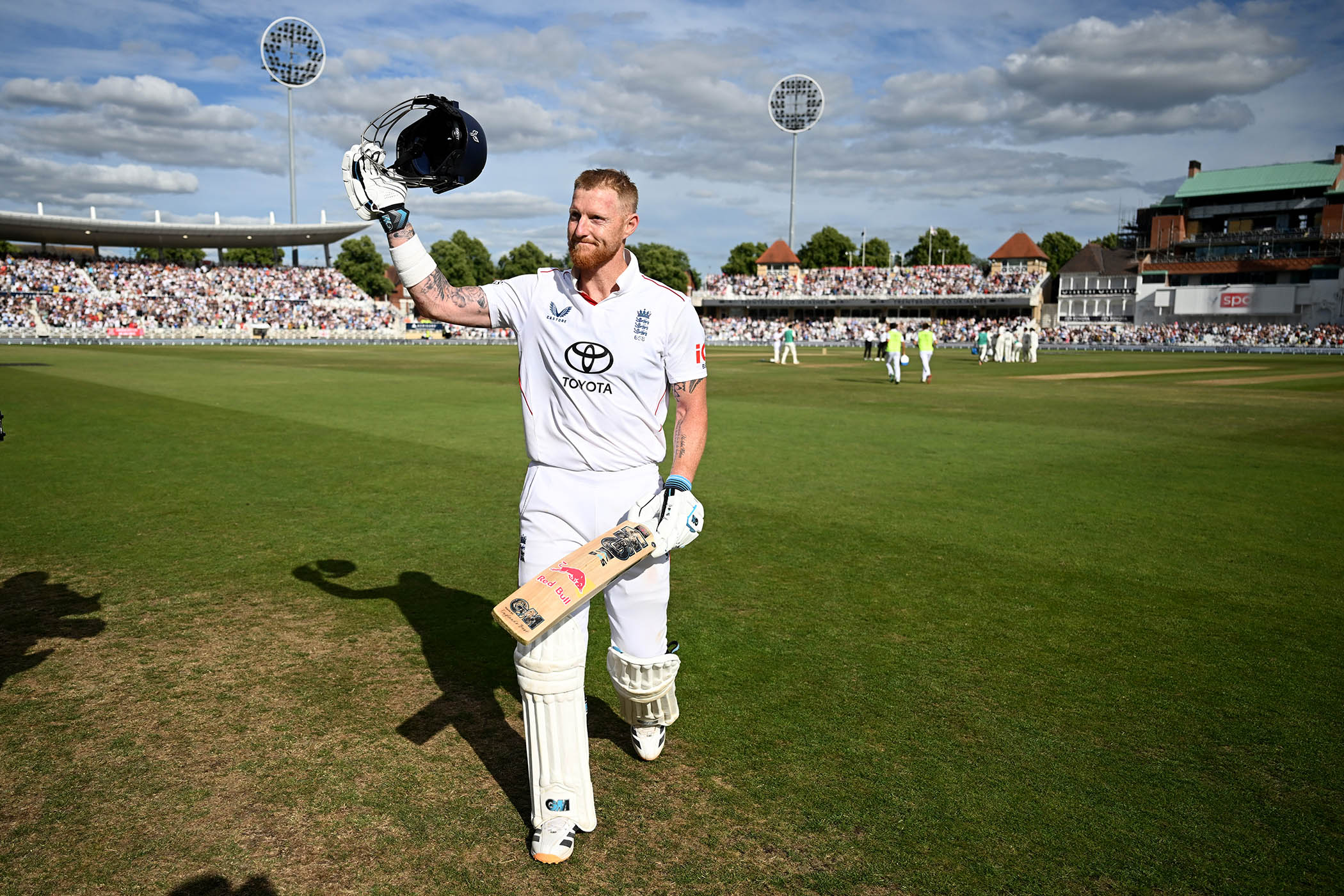
It also places Bazball in a particular context – not as a kind of code of enlightened masculinity, an antidote to depression or any of that brainy stuff, but as an attempt to harness and harmonise Test cricket with the breezy, consequences-free, late-capitalist saturnalia of T20. By some measures, it has been a success, at least in England. But it also awakens in us an uneasy feeling, that consequentiality is fundamental to Test cricket. We approve of freedom, except where it shades into licence. We like to be entertained, but would rather be moved. We like fun, but as a leavening to seriousness. A two-day Test match, of which there have been two this summer for the first time since 1888, is the worst sort of bait-and-switch – a fraud, an imposture on the public.
Yet there will be no inquiry. There will be no sequel to the Argus Review – and it was bullshit anyway. The degree of soul-searching called for is well beyond cricket now. It would jeopardise the general climate of self-congratulation and a host of well-paid sinecures; it would require cricket thinking beyond short-term profit. We’re lying in that strange bed in those disturbingly unfamiliar surrounds. We’re trying to work out how we got here, but are conscious mainly of needing to extract ourselves as gracefully as we can.
Photograph by Morgan Hancock/Getty
Newsletters
Choose the newsletters you want to receive
View more
For information about how The Observer protects your data, read our Privacy Policy