

On the Twickenham pitch in September, the faces of England’s women’s rugby team ranged from jubilation to relief. After two near misses at previous tournaments, they had finally reclaimed the Women’s Rugby World Cup, and were able to do so on home soil. It had been a dominant month for the Red Roses, with almost half a million tickets sold across the competition, 90,000 more than the target.
Two months earlier, on foreign soil, the England women’s football team claimed their second consecutive European Championship trophy. The first England senior team ever to do so, the Lionesses certainly rode their luck but beat Spain on penalties to emerge victorious.
The summer of 2025 was undeniably dominated by women’s sport. Whether it was Ellie Kildunne’s magical opening try in the final against Canada or Chloe Kelly’s penalty antics, the successes of the Red Roses and the Lionesses captured the public imagination. The Women’s Sports Trust found that 13.8 million people watched both the Women’s Euros in Switzerland and the Women’s Rugby World Cup. Never before has women’s sport been so visible.
Evidence of the trickle-down effect of this has immediately been seen, particularly in football.
Research from the Football Association has found that participation levels in grassroots women’s football have increased by 5% in the five months following their win, with the number of female coaches and referees growing by 12% and 29% respectively compared with this time last year. Meanwhile in rugby, women’s participation has increased by 38% since 2021, with the RFU aiming to have 100,000 active female players by 2030.
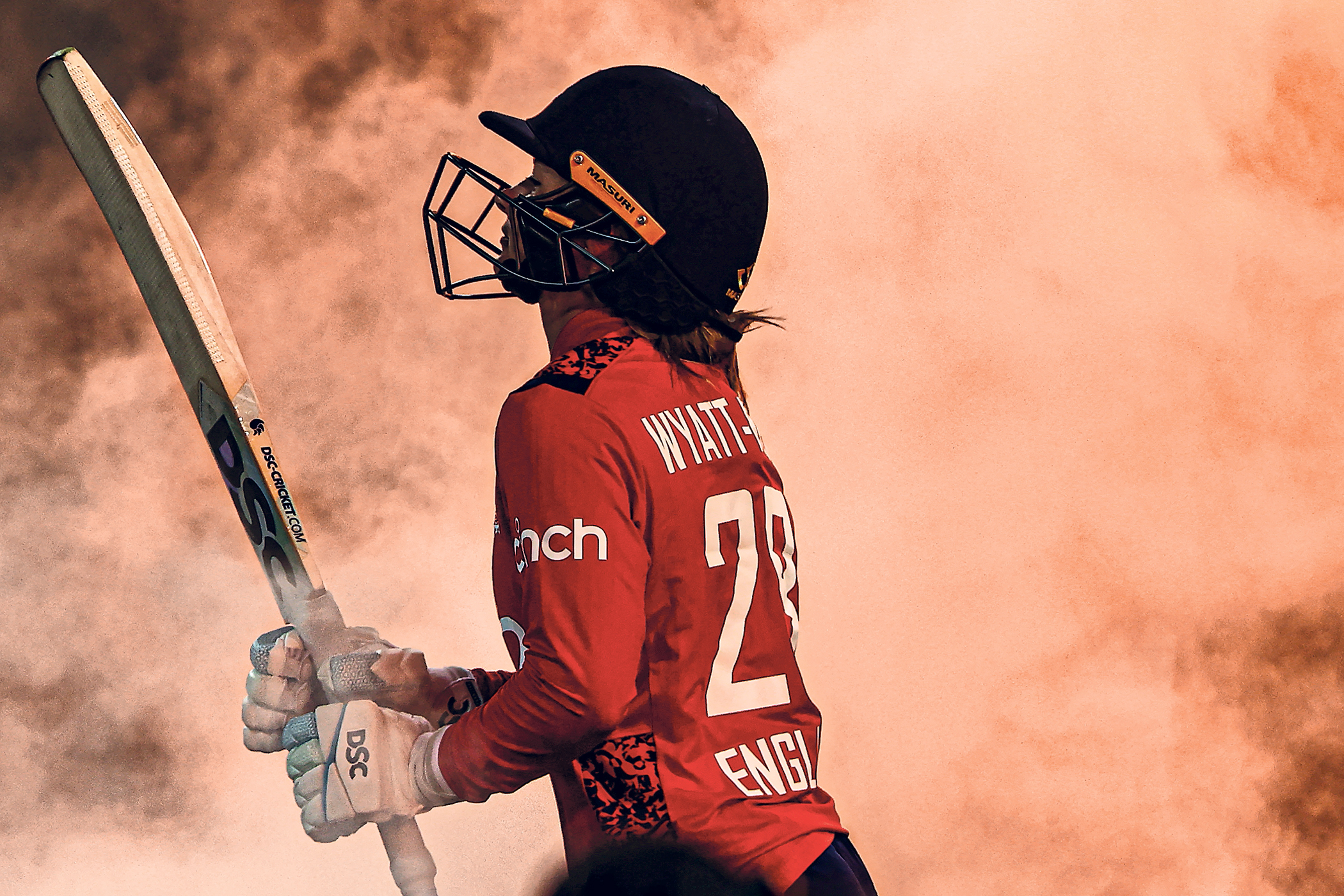
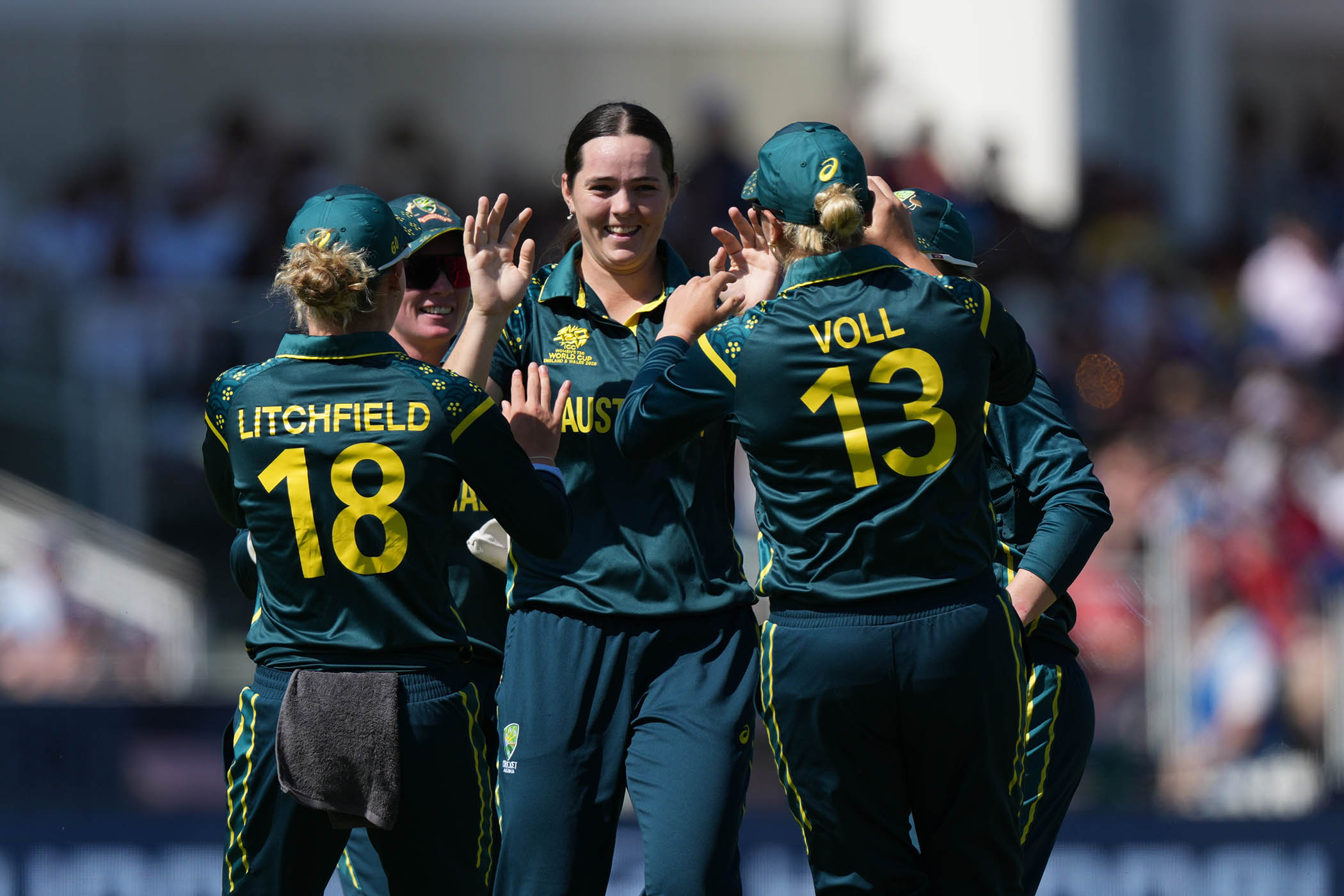
Cricket hopes to continue the success this summer, with England aiming to emulate their rugby and football peers at the T20 World Cup. Starting in June, the tournament will culminate with the final on 5 July at Lord’s. That match sold out within 24 hours of tickets being released.
“Our vision for the whole event is to break women’s cricket into the mainstream,” says Beth Barrett-Wild, the tournament director who is also the director of the women’s professional game at the ECB.
‘The more people see world-class women’s sport on a big stage, it shifts perceptions’
‘The more people see world-class women’s sport on a big stage, it shifts perceptions’
Beth Barrett-Wild, ECB
“A lot of the women’s sport narrative over the past few months has been taking the women’s sports sector into that mainstream status. A big part of that is around the audience growth. We’ve been selling really well over the last few months and are hoping to hit the 100,000 mark soon.
“The more people see world-class women’s sport on a big stage in front of big crowds, the more it is normalised. It helps shift perceptions around the quality of women’s sport, whether that is rugby, football or cricket. We are riffing off the back of those high-profile moments.”
The links between the three sports have been emphasised by the players themselves. Lionesses goalkeeper Hannah Hampton handed out the medals at the Hundred last summer, while Kelly was one of a number of England players to attend a Rugby World Cup game. The ECB has also organised England’s post-tournament schedule to capitalise on interest in women’s cricket immediately after the tournament. There will be a women’s Test at Lord’s for the first time, with England facing India just five days after the T20 World Cup final. The women’s Vitality Blast finals day will be at the Kia Oval on 17 July before the Hundred begins later that month.
Newsletters
Choose the newsletters you want to receive
View more
For information about how The Observer protects your data, read our Privacy Policy
The RFU has been criticised for having no Red Roses fixtures until April, missing out on the immediate interest in the team generated after their World Cup win. The Lionesses, on the other hand, embarked on a tour that has seen them play in front of crowds in Manchester, Derby, Southampton and a sold-out Wembley.
“We’ve got lots of opportunities lined up to really capture the momentum and make sure that it sticks,” says Barrett-Wild. “With cricket, we’ve got a slightly more mature domestic infrastructure to capture the interest that we will hopefully generate through the tournament.”
Clearly the better that England do, the more interest will be generated. It is significant that the Lionesses and the Red Roses’ popularity has not come from simple participation, but from success. It is something the cricket team have experienced to a lesser extent – having won a home World Cup in 2017 – but they have struggled recently, with a humiliating Ashes whitewash at the start of 2025 and a disappointing semi-final exit from this autumn’s World Cup in India.
“We’re working incredibly hard to make sure the team are as prepared as possible to win,” says Barrett-Wild. “There are things we can do to leverage home advantage to an extent. But the jeopardy going into the tournament is also one of its strengths.
“I don’t want to do a disservice to the Rugby World Cup, but there was an element of expectation that the Red Roses would win. I think to make cricket compelling we want to have close contests and a competitively balanced event. We have to recognise that England winning would have a big impact, but there’s an opportunity we can lean into celebrating and profiling global women’s cricket.”
Beyond this year, there are further plans to make England the home of global women’s sport, with the FA bidding in conjunction with Wales, Scotland and Northern Ireland for the 2035 FIFA Women’s World Cup. With the bid being unopposed, big women’s sporting events are set to continue at home in the years to come. English teams will get more chances to go beyond being the faces of the summer.
Photograph by Jeremy Ng/Getty Images