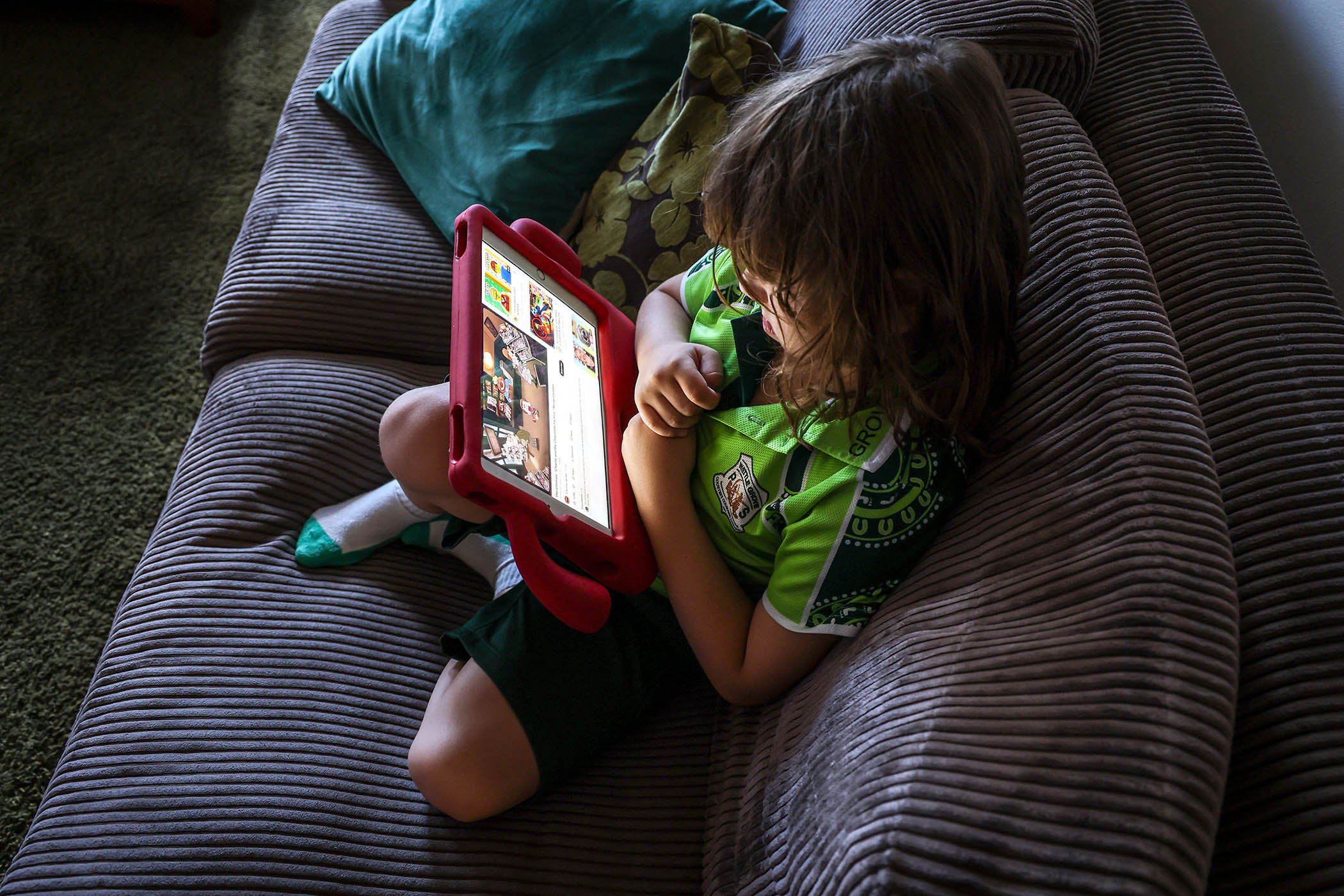
Australia is about to be the first country to ban social media for under 16s. Some of the biggest social media firms have already begun kicking young users off their platforms.
So what? The rest of the world watches with interest. A social media ban was first suggested by the Australian politician Peter Malinauskas after his wife read Jonathan Haidt’s The Anxious Generation, a book about the negative impact of smartphones on children. The law was passed in parliament last November. Taking effect on 10 December, it will test to what extent
•
sweeping social media bans are truly enforceable;
•
teenagers are willing to find their way around restrictions; and
•
mental health issues among young people are caused by online spaces.
Same page. Politicians of nearly all persuasions supported a ban. They argued that self-regulation of the platforms has failed as they routinely ignore a 13+ age requirement. A recent study suggested 96% of 10-15 year olds in Australia used social media, while 70% had been exposed to harmful content.
View from the top. The prime minister Anthony Albanese says social media is “a weapon for bullies, a platform for peer pressure, a driver of anxiety”, as well as “a tool for online predators”.
Other views. A few months ago more than 140 academics and tech experts signed an open letter opposing the restrictions. They called for increased online literacy and said it was up to the government to secure safe access to digital spaces for children. There are concerns that the law will push teenagers to less regulated parts of the internet.
Proximate cause. Australian MPs may have been persuaded on the merits of a ban following two mass stabbing incidents in Sydney last year. In the first, which happened at a shopping centre, social media was awash with misinformation falsely linking the attacker to Islamic terrorism. In the second, which took place in a church, Australia’s eSafety commissioner Julie Inman Grant requested that Meta and X take down graphic images.
Different responses. Meta removed the material. X eventually blocked video content in Australia but it was still available globally. Elon Musk, the owner of X, called Grant “the censorship commissar”. She received an avalanche of death threats and other online abuse.
On the list. Platforms that need to impose the age limits include TikTok, Instagram, Snapchat, Facebook, X, YouTube, Reddit, Twitch and Kick. The government says it will keep this under review. Some believe Roblox and Discord are also in its sights.
Related articles:
How the ban works. Responsibility for implementing the restrictions will fall on the tech companies rather than parents, children or smartphone makers. Firms need to take “reasonable steps” to ensure anyone under 16 doesn’t sign up for an account. It’s not clear how social media companies will verify ages, but they face multimillion pound fines for breaches of the ban.
Get ready. Meta has contacted users under 16 and warned them to download their data and back up their photos before the law comes into force. Australia is expecting a spike in the use of location-masking VPNs to circumnavigate the new rules. This happened in the UK when the Online Safety Act took effect earlier this year.
Newsletters
Choose the newsletters you want to receive
View more
For information about how The Observer protects your data, read our Privacy Policy
I’m an influencer, get me out of here. Many of those who make a living producing content for TikTok, Instagram and YouTube may have to rethink their work. They will be catering to smaller audiences and therefore bringing in less cash. Jordan Barclay, a YouTuber with seven channels, told Reuters he was moving abroad because “that’s where the money is going to be”.
Not fair. Google has threatened to sue the Australian government, saying that the ban is unconstitutional. The company argues that YouTube, which it owns, is a video sharing site not a social media platform.
What’s more… Two 15-year-olds are also seeking an injunction in Australia’s highest court. They allege that the law is unconstitutional as it breaches their right to free communication. How this plays out may indicate how bans will hold up elsewhere. Malaysia looks like it will be next.
Photograph by David Gray/ AFP via Getty Images