
This article first appeared as part of the Daily Sensemaker newsletter – one story a day to make sense of the world. To receive it in your inbox, featuring content exclusive to the newsletter, sign up for free here.
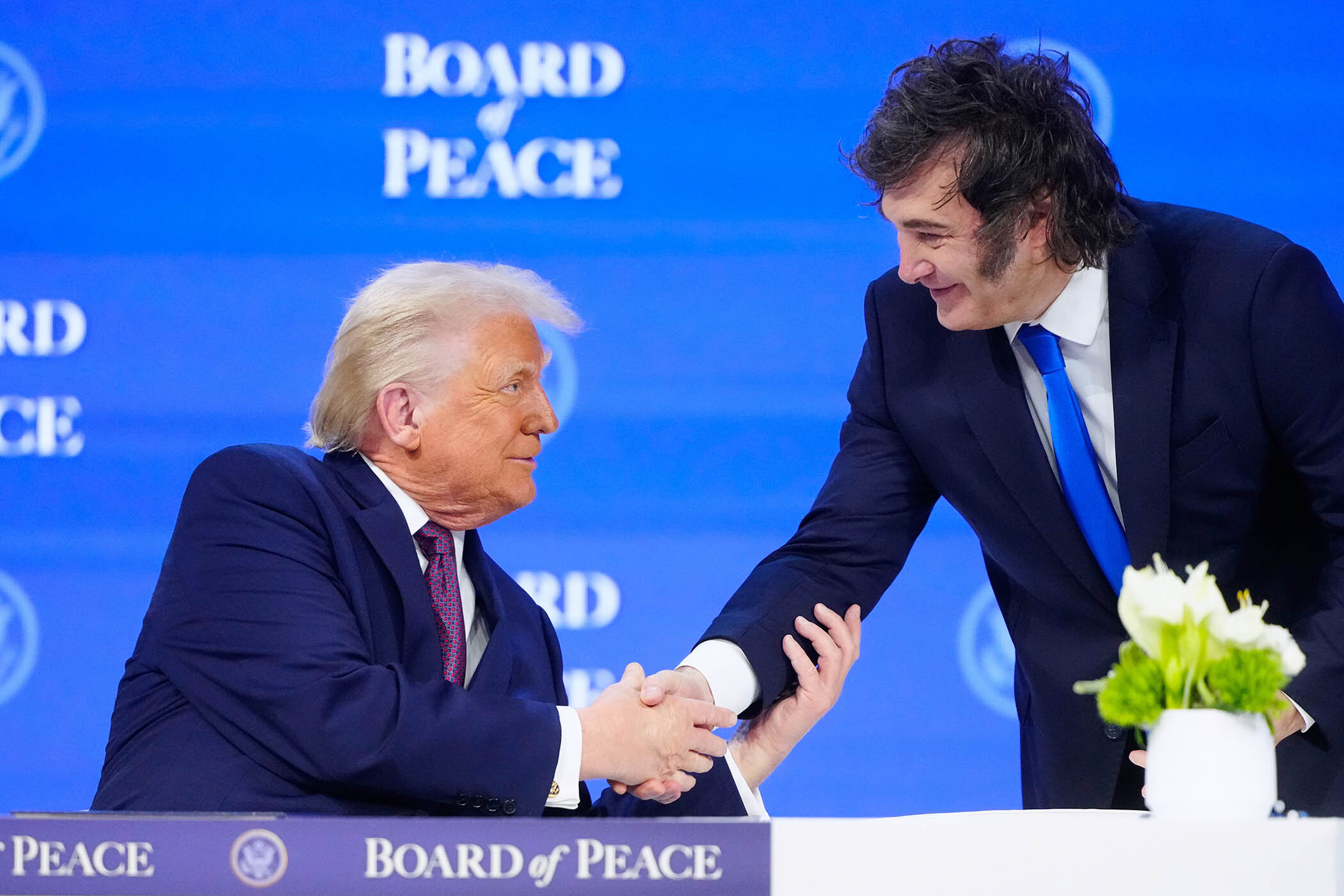
Donald Trump has launched his ‘Board of Peace’ of world leaders in Davos, saying it has the potential to be “one of the most consequential bodies ever created”.
So what? The jury’s out. About 60 countries have been invited to the board, with some 35 agreeing so far, according to the White House. Others are still reviewing the offer and several key US allies have declined. Canada had its invitation withdrawn following a speech by its prime minister Mark Carney in which he openly decried powerful nations using economic integration as weapons and tariffs as leverage. The body
•
remains deeply ambiguous in terms of its scope;
•
sparked speculation that Trump is setting up a new world system, with himself at the top; and
•
could be a lame duck without the participation of more countries.
Back then. The Board of Peace was initially conceived as a temporary body tasked with overseeing Gaza’s reconstruction. In November it was endorsed by the UN Security Council, whose members thought they were tying Trump to the shattered enclave’s peace process.
Mission creep. Now Trump says the body will focus on “pretty much whatever we want” with a particular emphasis on “world peace”. The board’s charter makes no mention of Gaza but instead references “areas affected or threatened by conflict.”
Misfits. The founding members include monarchs, military-backed regimes and ex-Soviet strongmen, as well as Trump allies like Argentina’s Javier Milei and Israel’s Benjamin Netanyahu. Belarusian president Alexander Lukashenko has a seat at the table, despite being subject to US sanctions for trampling on democracy and supporting Russia’s war in Ukraine.
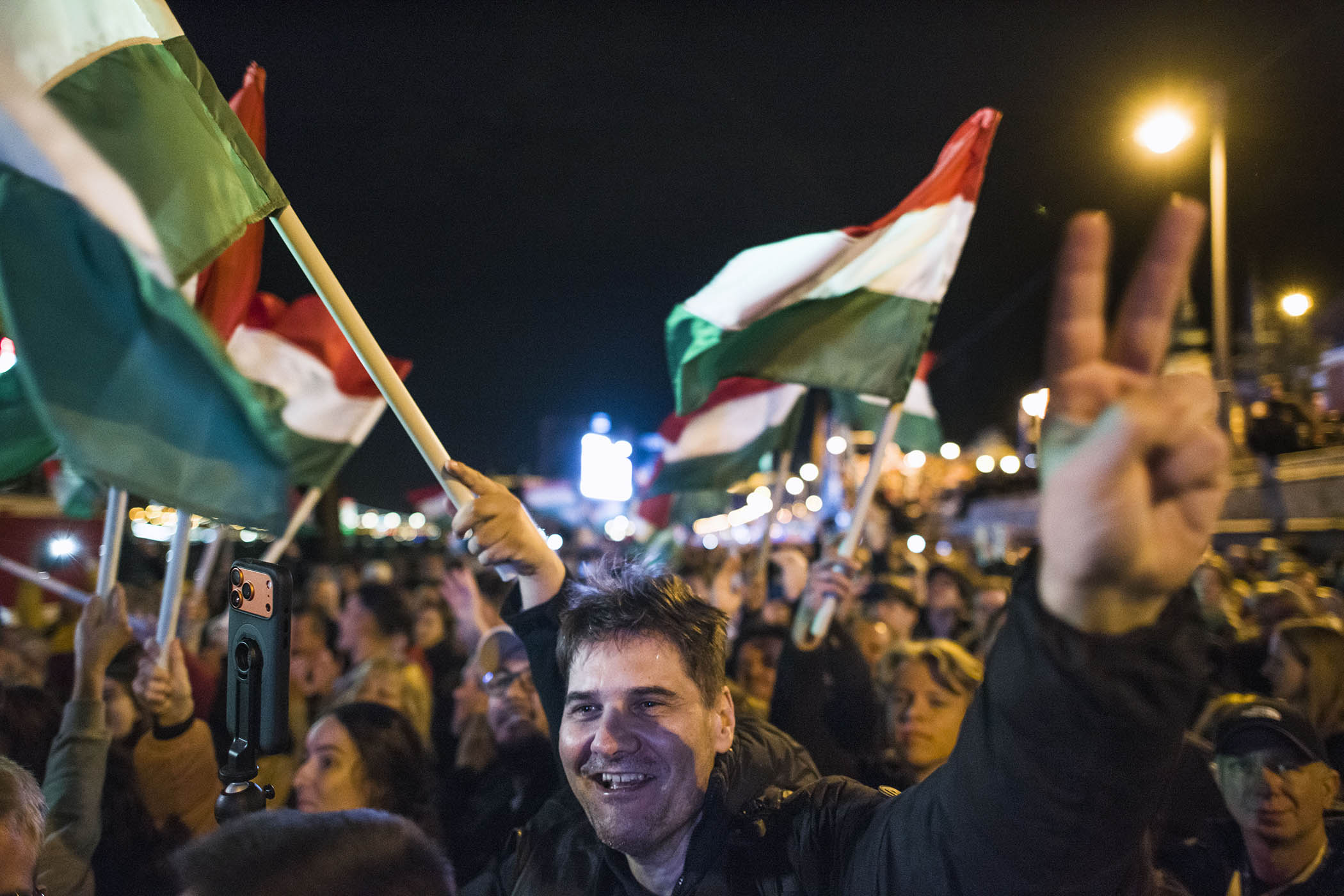
No thanks. Most controversially of all, Trump has extended an invitation to Vladimir Putin, who is still “studying all of the details”. This prompted the UK to say no. The only EU leader to join is Victor Orban of Hungary, who pioneered the ‘illiberal democracy’ governance model. When France rejected the offer, Trump threatened its wines with 200% tariffs.
World king. Trump could chair the board for life, not just while he is president. He has the power to select members, veto decisions and sign off on the agenda. Each country will serve a term of three years, although a permanent spot can be secured for $1bn – in cash. It is not clear who would receive these funds or their intended purpose, raising fears about corruption.
Favoured friend. Tony Blair has been named as a member of the board’s executive body, alongside several Trump aides. This has provoked criticism in Westminster. Downing Street refused to comment “on the decisions of an individual outside of government”. But it may be beneficial for Starmer to have Blair close to Trump, who has criticised the UK’s decision to surrender control of the Chagos Islands.
To work. After announcing the Board of Peace, Trump met with Volodymyr Zelensky. The Ukrainian president said he received promises of US security guarantees, but added that the deal still needed to be signed and ratified by both countries' parliaments. It wasn't clear if these were offered in Trump’s capacity as US president or Board of Peace chair.
Newsletters
Choose the newsletters you want to receive
View more
For information about how The Observer protects your data, read our Privacy Policy
A new sheriff in town. With its sprawling mandate, the board appears to be an attempt to supplant the UN. Although Trump said the board would work “in conjunction with the United Nations”, he has made no secret about his disdain for the current international system, slashing US funding for the UN, pulling out of dozens of its bodies and calling Nato a rip-off.
Will it work? With just 35 members to the UN’s 193, the Board of Peace is small. For now it only exists on paper, lacking the UN’s vast global bureaucracy of 37,000 staff. This means it is unlikely to eclipse the UN. But a fragmenting world order will hurt the organisation, which embodies a spirit of international cooperation that increasingly feels like a relic of the past.
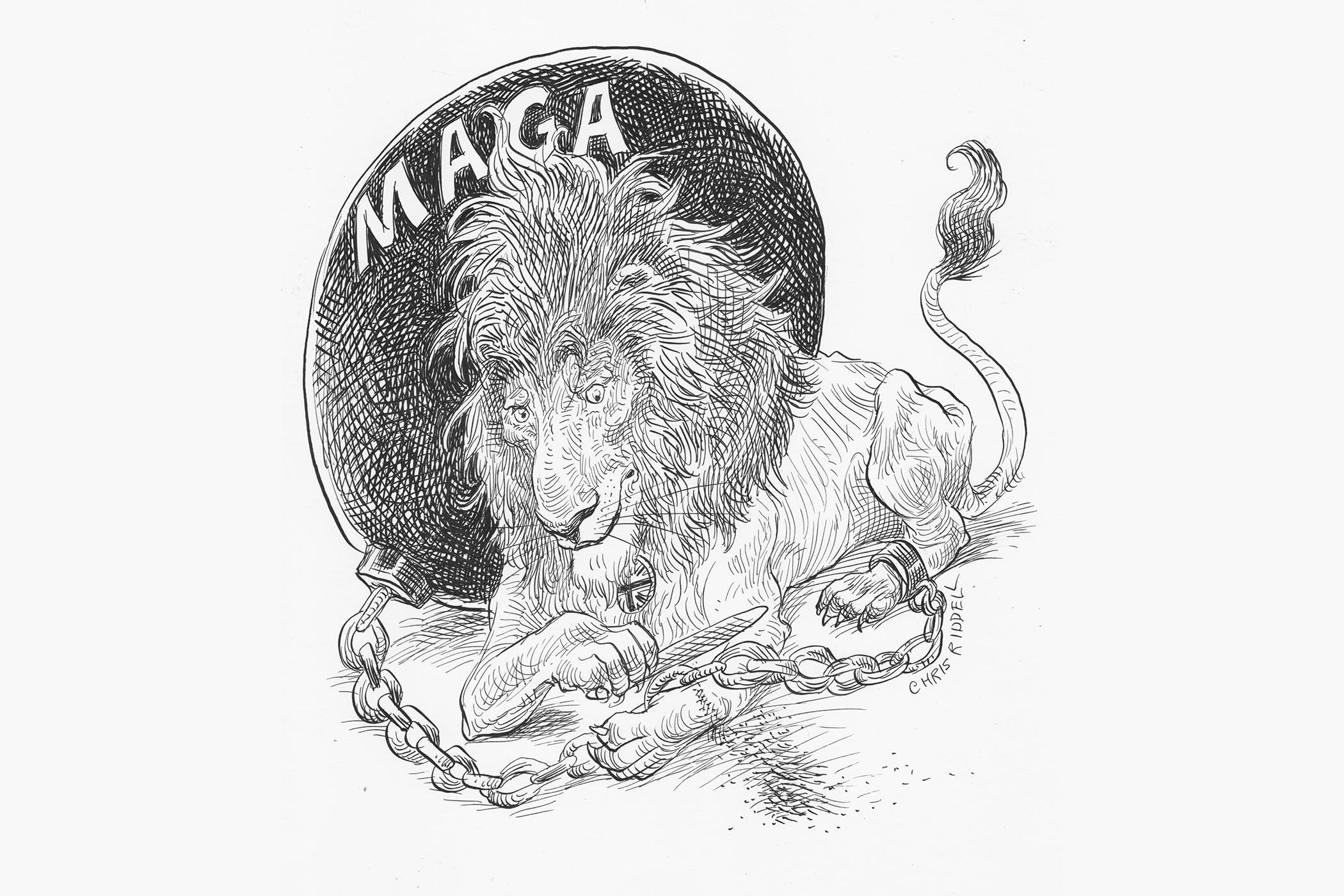
Step change. Although Trump is no longer threatening them with tariffs over Greenland, US allies are rethinking their relationship with Washington. Canadian prime minister Mark Carney has declared “the old order is not coming back” and the EU’s top official is calling for a “new form of European independence”.
What’s more…. Without the buy-in of American allies and other major powers such as China and Russia, the Board of Peace could simply serve as a forum for Trump’s aggrandisement. He might not mind.
Photograph by Markus Schreiber/AP