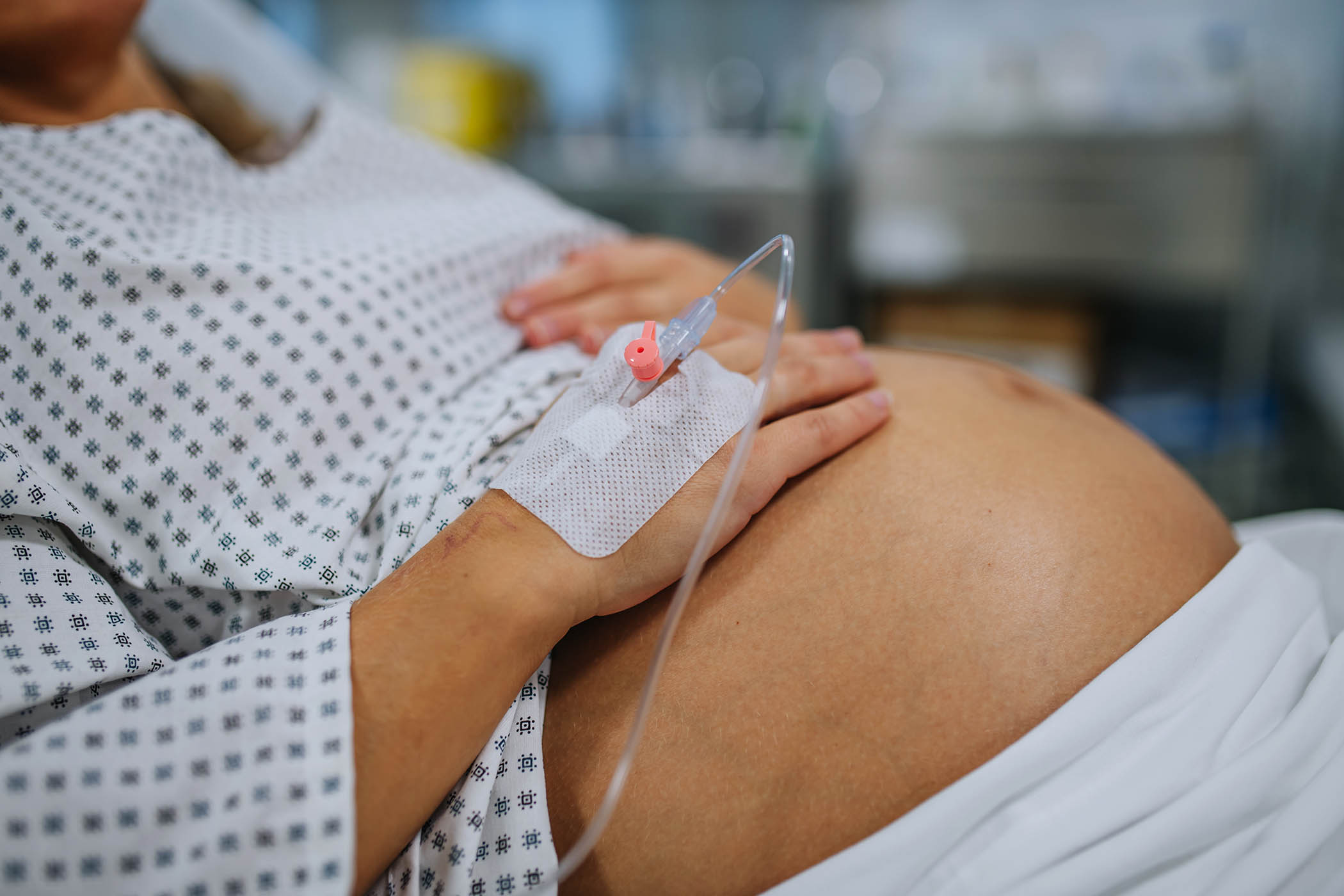


A major review has concluded that hundreds of babies and mothers died or were harmed due to “deep-rooted and sustained” failures at maternity units in Nottingham.
So what? The Ockenden inquiry is the largest of its kind and its final report paints a damning picture of antenatal, natal and postnatal care at the NHS trust in question. It found that the trust
•
failed to investigate serious incidents, resulting in the deaths of mothers and babies;
•
consistently ignored and dismissed women and families who raised concerns; and
•
for more than a decade allowed a culture of bullying and fear to persist among staff.
Terms of review. Roughly 2,500 families and more than 800 staff members contributed to the inquiry. It was led by Donna Ockenden, an independent senior midwife, and ordered after families repeatedly raised concerns about maternity care at Nottingham University Hospitals NHS Trust. These concerns date as far back as 2007, when a newborn baby, Ryan Sissons, suffered irreparable brain damage due to what the report called a “series of systemic clinical failures”.
What was found. The Ockenden report concluded that 444 women and 76 newborns suffered “potentially avoidable outcomes” between 2012 and 2025 due to substandard treatment, which included failures to
•
monitor babies properly;
•
recognise babies in distress; and
•
escalate urgent cases in good time.
At great cost. “In a number of cases,” the report said, “these failures contributed to severe neonatal injury, stillbirth and neonatal death.”
Not listening. The report found that clinicians used “dehumanising language” and that one of the “common failures” involved in maternal deaths was staff not acting promptly on concerns. Efforts to improve services were hindered by a “bullying and toxic culture” at the trust.
Window of horror. The report identified one baby who died early in gestation. After a postmortem examination her body was inadvertently “disposed [of] as clinical waste”.
What next? The inquiry has called on Nottingham University Hospitals to take a series of steps, such as improving risk management and bereavement processes, strengthening neonatal training and standardising emergency care. Nottinghamshire police last year launched a corporate manslaughter case as part of a wider criminal inquiry into maternity failings at the trust.
Bigger picture. The 2016 National Maternity Review was supposed to reshape how care was delivered to women and babies in England. But there have since been several high-profile maternity scandals, most notably at Shrewsbury and Telford NHS Trust, and the data doesn’t lie:
•
Two-thirds of NHS maternity services are rated as inadequate or requiring improvement.
•
Women from the most deprived areas are twice as likely and Black women three times as likely to die during childbirth.
•
The maternal death rate in the UK is 12.8 per 100,000 women giving birth, 20% higher than what it was between 2009 and 2011.
What’s more… James Murray, the health secretary, has not ruled out a statutory inquiry to examine maternity failings across England. He said the report was “chilling” and announced that Martha’s rule, the right to a second opinion, would be implemented at every unit in the country.
Newsletters
Choose the newsletters you want to receive
View more
For information about how The Observer protects your data, read our Privacy Policy
Photograph by Getty Images