
This article first appeared as part of the Daily Sensemaker newsletter – one story a day to make sense of the world. To receive it in your inbox, featuring content exclusive to the newsletter, sign up for free here.
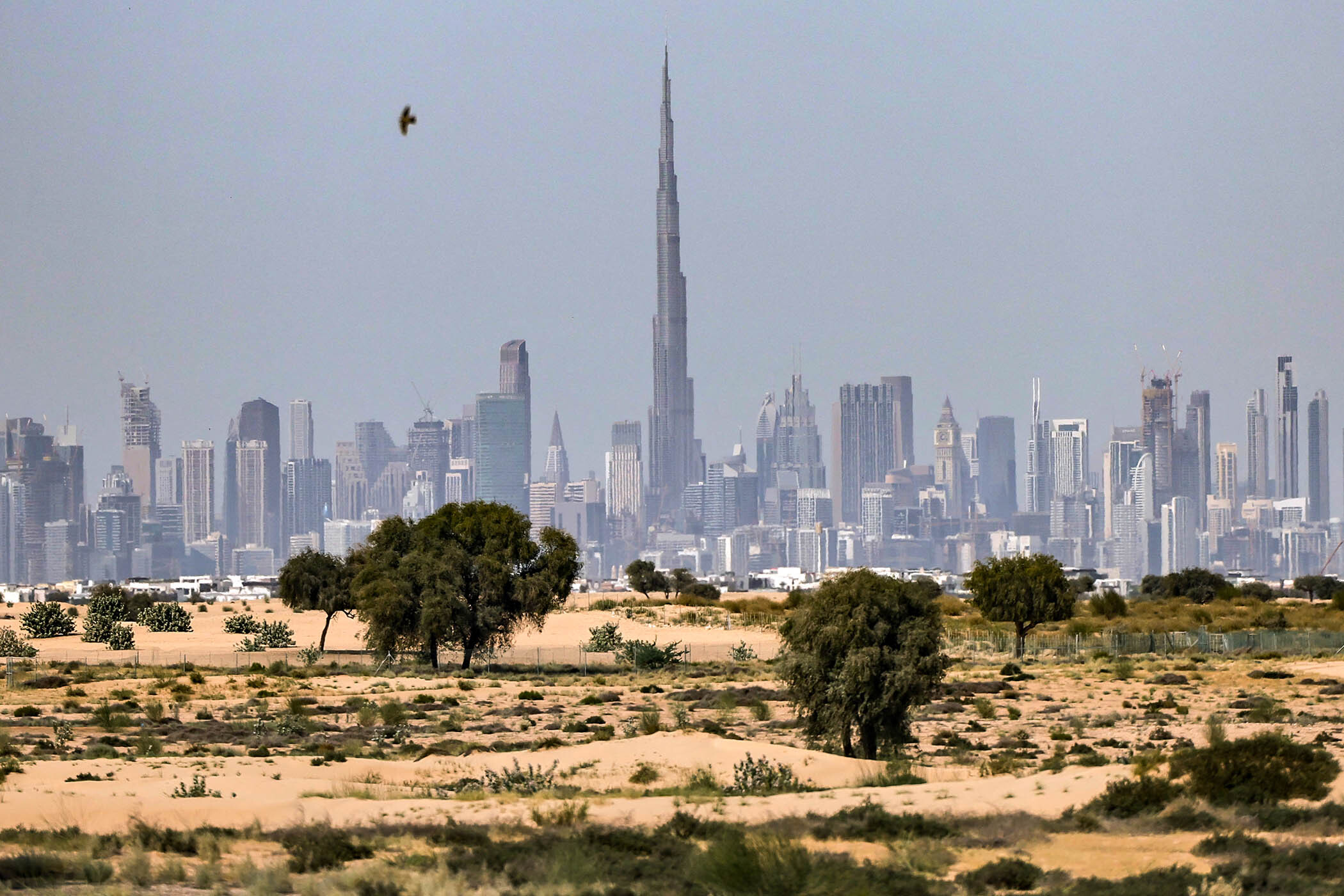
The United Arab Emirates has quit Opec after nearly 60 years as one of the largest producers in the oil cartel.
So what? This will weaken Opec’s influence and serves as the latest demonstration of how the war in Iran has upended economies across the Gulf. The withdrawal of the UAE
•
follows an ongoing public rift with Saudi Arabia, a founding member of Opec;
•
speaks to wider struggles faced by the region over the closure of Hormuz; and
•
will be welcomed by Donald Trump, who has accused Opec of “ripping off” the world.
Short history. An organisation of oil exporters, mainly from the Gulf, Opec was founded in 1960 to control the price of crude and coordinate petroleum policies. The UAE joined in 1967 before it had even become an independent state. While Opec controlled 85% of internationally traded oil in the 1970s, this is now down to roughly 50%.
Self interest. Still bristling from Iranian attacks on energy infrastructure, the UAE said on Tuesday that it was leaving Opec as part of a bid for independence, including from its neighbours in the Gulf Cooperation Council. “The time has come to focus our efforts on what our national interest dictates,” read a statement carried by the state news agency.
Let us drill. Until the Strait of Hormuz reopens, the UAE’s decision is essentially meaningless. But when it does, Abu Dhabi will try to rapidly rebuild its economy by pumping as much oil as it wants. It produces 3.4m barrels per day, held to quotas effectively set by Opec powerbroker Saudi Arabia, but has capacity to pump roughly 4.8m per day.
Independence day. After exploring a financial lifeline from the US to ease pressure on its banks, the UAE launched a $272m National Resilience Fund this week. It aims to make the country more self-sufficient by boosting local production of food, pharmaceuticals and metals. Initially it will focus on the basics, such as bottled water, flour and dairy products.
Forever frenemies. The UAE’s split with Opec follows years of tension with Saudi Arabia. Anwar Gargash, an adviser to the UAE president, publicly lashed out at other members of the GCC this week. Claiming surprise, he said they “supported each other logistically, but politically and militarily, I think their position has been the weakest historically”.
Bigger picture. Every country exporting energy through the Strait of Hormuz has taken a financial hit, with the IMF projecting severe economic losses in the UAE, Saudi Arabia, Bahrain and Kuwait. Gas giant Qatar, which left Opec in 2019, is forecast to take an 8.6% GDP hit this year, while Iraq, an Opec founding member, could see a contraction of 6.8%.
Kingdom come. Saudi Arabia had already started to cut back on some of its flashier mega-projects, but the war is impacting overseas investments too. Riyadh has backed out of a $200m deal to bankroll the New York Metropolitan Opera, while Saudi Arabia’s Public Investment Fund is withdrawing support for the breakaway LIV Golf tour. There are ongoing questions about Newcastle United, with the PIF in town this week for annual meetings.
What's more… There are few signs that the Gulf’s economic fortunes will improve any time soon. Donald Trump appears determined to maintain a US blockade of Iranian ports. Tehran says it has to be lifted as a precondition for talks, including over the Strait of Hormuz. But even if things returned to normal tomorrow, the financial impact could take years to reverse.
Photograph by Fadel Senna/AFP via Getty Images
Newsletters
Choose the newsletters you want to receive
View more
For information about how The Observer protects your data, read our Privacy Policy