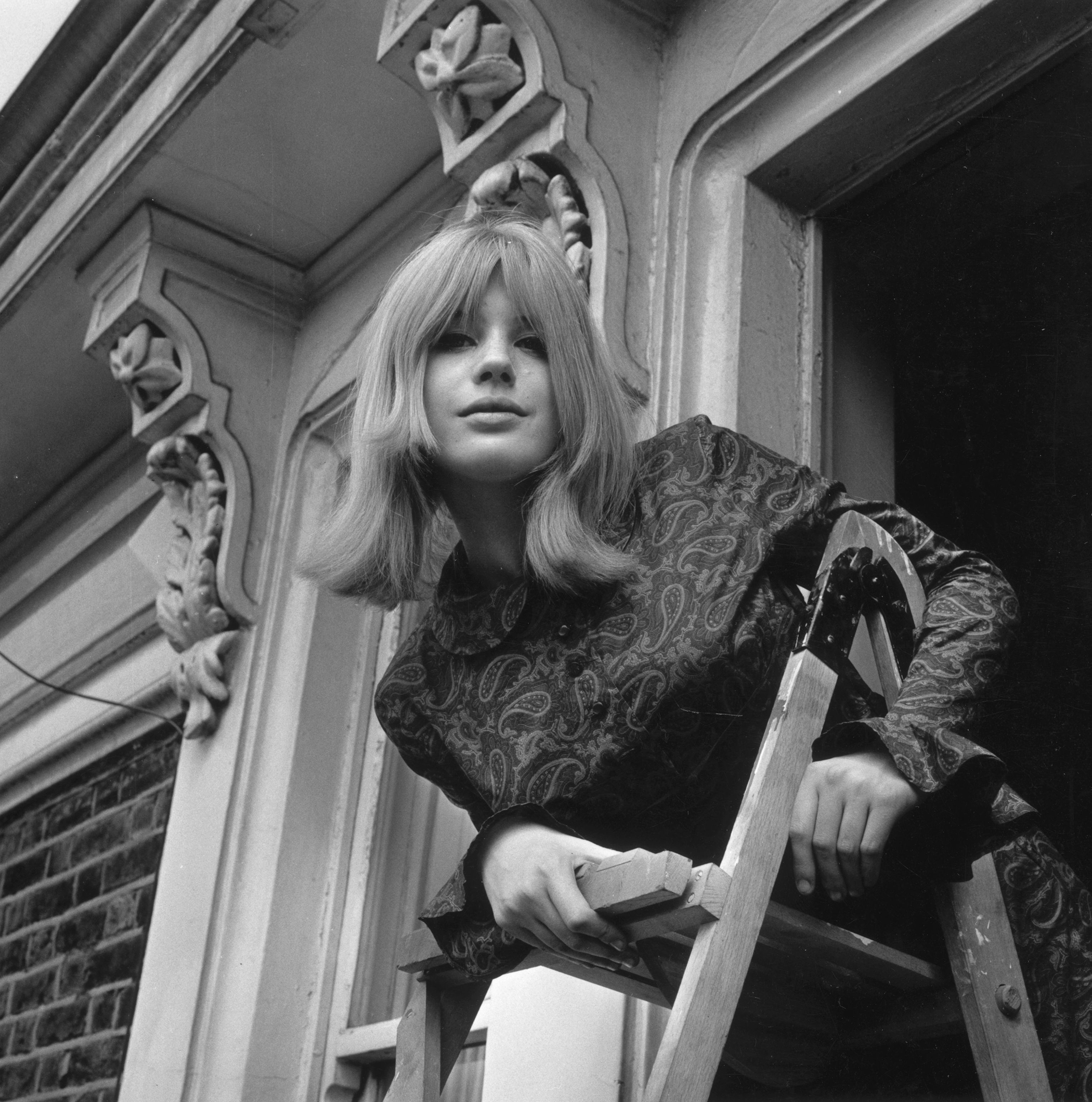
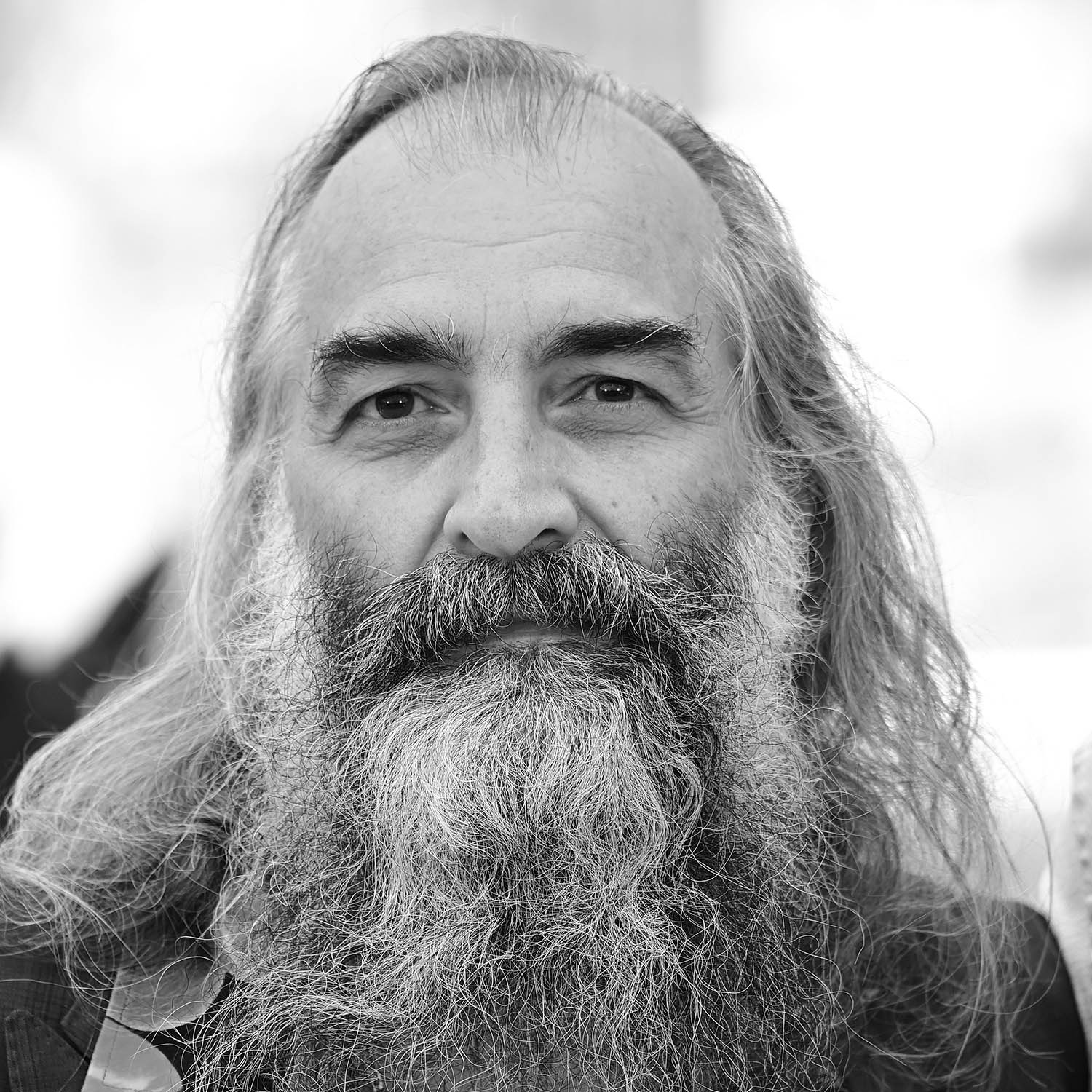
I met Marianne in 2004 after I had been asked to play on some songs my long-term musical collaborator Nick Cave had written for her album Before the Poison. She came to the suburbs of Paris, where the Bad Seeds were working, basically in a garage that had been converted into a studio. The only place for her to sit was on a milk crate in the hallway, which is where she sang one of the songs. Everyone was in awe of her, but what struck me was how unassuming she was. She didn’t complain; she just sat there and did her thing and it was devastatingly powerful. When she started singing you knew it was one of those moments when life wouldn’t be the same.
A few months later I went round to her place in Paris for dinner. She opened the door in her dressing gown with two black eyes and her face bruised and swollen. She’d just had dental implants. She said: “I knew you wouldn’t give a fuck.” We had dinner but she couldn’t eat. I fell in love with her in that moment and so began one of the great adventures of my life.
I worked with her on most of her album sessions after that, but our real relationship was outside the studio. It was a deep friendship but unusual. She was totally unreliable. And s he had no filter. S he would just tell it like it is. I remember way back before I knew her there was some talk of her working with Dirty Three [Ellis’s other group]. After she saw us perform, she came up to me and said, “I like you, but the band is fucking terrible.”
Another time, when we were out walking together, she suddenly pushed me hard against a brick wall and said, “If I was 10 years younger, I’d have eaten you alive!” I just said: “Yes, Marianne, I believe you”
I didn’t know so much about her back catalogue except for her classic album, Broken English, but I knew the myth – Mick Jagger, the Stones, the Redlands drug bust – all the stuff that haunted her because people wouldn’t let it go. She was so much more than that: a true artist with an extraordinary presence. I once asked her what it was really like in the 1960s, and she said: “It was like a lamb being thrown to the wolves.” She didn’t say it as a victim; that was not her style.
Collaborating on her album Negative Capability was one of the most extraordinary experiences of my working life. I’d just been in the same studio with Nick Cave and the Bad Seeds, working on Skeleton Tree, which was an intense experience. Suddenly, I was back there with Marianne and she was in poor health. She had a bed upstairs and no one was sure if she would be able to sing.
What happened was classic Marianne: she turned up for the first session in a leather jacket and slippers with a walking stick, ordered a Sunday roast and said. “Let’s do a take.” We literally had to carry her down to the studio. We were all hanging at the mixing desk willing her to get through it and, of course, she nailed it in one take. There was total silence at the end and then I realised everyone was in tears. Marianne’s response was: “Is that all right?” I had to lie down for a couple of hours afterwards. That kind of thing only happens with people who have a natural gift.
During the recording sessions, she was on a ventilator because of emphysema. It didn’t work some of the time, so she’d get wound up and I’d hear her screaming “Warren!” from the room above. I’d go in and we’d sit together and basically do a version of an AA meeting – reading from the big book as it’s called. Once, after she had calmed down, she leaned in close and said, “Thank you, darling, I needed that. Now pass me the ashtray.”
Recalling all of this, I realise how much I miss her. Marianne was easy to love, even though she could be a complete tyrant. She was consistent in her extremes: lovely and savage, charming and impossibly demanding. You had to know when to step back to protect yourself. She would never put on a face that disguised how she felt inside. She didn’t ever try to be anyone other than herself. Even if you watch her early interviews, when she was only 17, she was truly Marianne. She stayed that way through it all and I loved that about her. She was one of the most real people I have ever met.
The last time I saw her, she was in hospital and it was near the end. I was just about to go to Milan and I asked her if she wanted anything. Without missing a beat she said, “Dante’s Inferno.” I returned to London with a copy, but she had died. I will always remember her lying in her hospital bed with her pink Chanel sunglasses on, ordering me to raise the bed up and down and telling me to ask the nurses for more bread and butter and strawberry jam.
Newsletters
Choose the newsletters you want to receive
View more
For information about how The Observer protects your data, read our Privacy Policy
Photograph by Getty Images