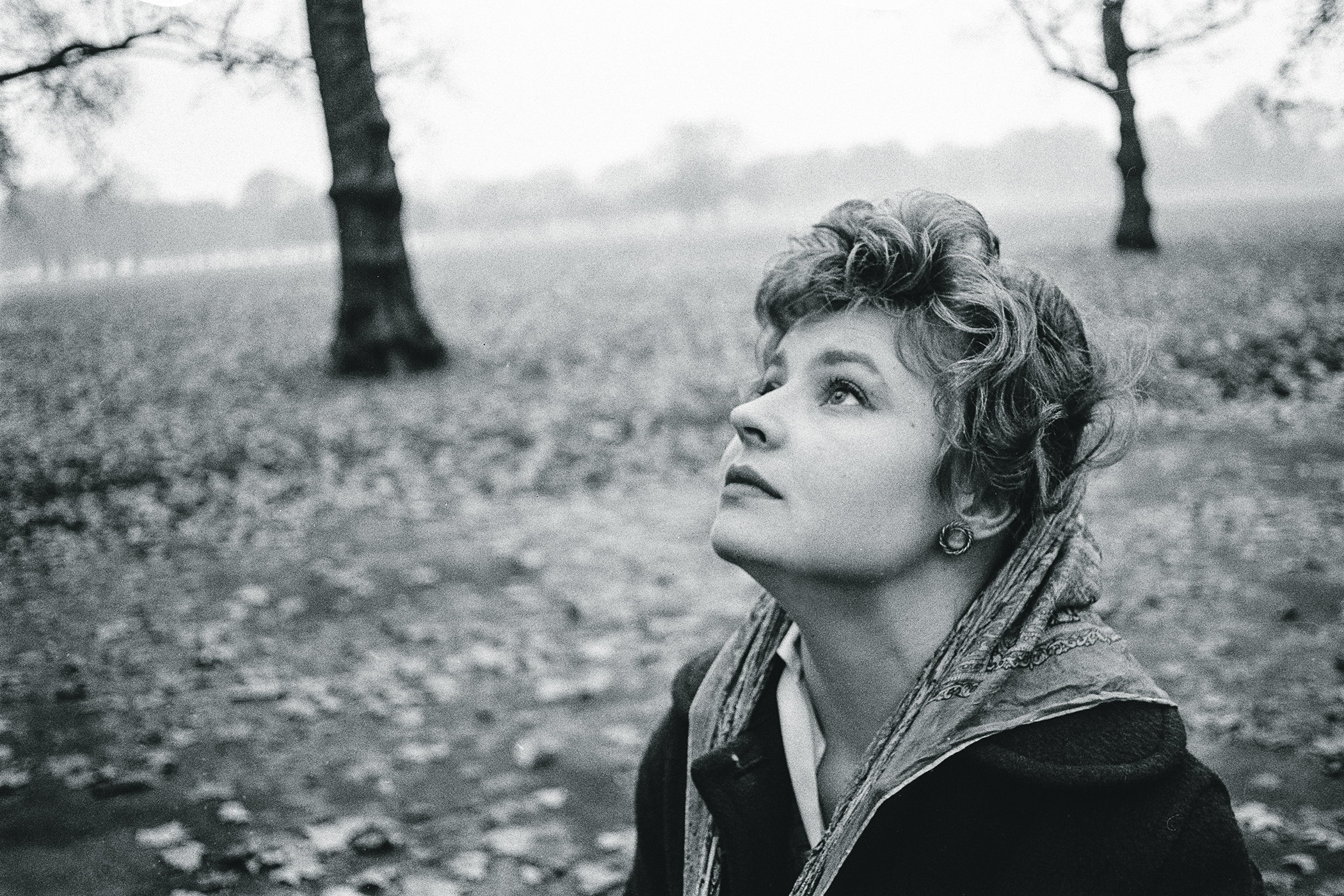

To feel a nation united in pride and admiration at a parent’s 70-year career is a pleasure given to few offspring. Our mother was the last surviving cast member of David Lean’s 1953 film Hobson’s Choice (Helen Haye, who played Mrs Hepworth, was born in British India in 1874). She was in the 13th ever episode of Coronation Street, in 1961. The sitcom Marriage Lines made her famous. And thanks to Fawlty Towers, one performance of hers can be called immortal.
Prunella Illingworth was born in Sutton Abinger in the Surrey Hills in 1932. She was seven when the second world war began. Pru’s mother had lost her favourite brother at Ypres in 1918; her father served in the Normandy landings. It was an anxious time, and a manifestation of low-level anxiety never quite left her. Acting, she used to say, was a means of playing people “much more interesting than I am, who say things infinitely more intelligent than anything I can think of”.
From an early age, Pru decided she wanted to act (though she would never admit to such immodest self-belief). Illingworth would cost too much in lightbulbs, she reasoned, so she took her mother’s maiden name and had a go herself. She was a bright student, devoted to the interpretation of texts, expected to go to university. She approached acting very seriously, as a craft that wanted to be an art, with a good bit of science thrown in.
In her twenties, while appearing on Broadway in The Matchmaker, she studied with Uta Hagen. It left her with a lifelong love of Stanislavskian and method principles. She always played people from their own point of view, never commenting or giving us a type. Take Sybil Fawlty. As written, she was indolent; Ma’s instinct was that it would be funnier if she was better at running things than Basil was. Her need to believe in the marriage conjured Sybil’s backstory: a family in catering on the south coast, young Sybil working behind the bar. One day a tall, dark stranger called Basil comes in, posher than her, demobbed from Korea in a nice suit; he buys her a drink and they flirt and fantasise about running a hotel. So she marries up, and then there are no children and her sex life becomes Harold Robbins novels. But it’s built on truth, so it’s still funny. Some of the obituaries called Sybil a battleaxe; Ma always thought her a heroine.
She had a huge appetite for detail and a remarkable capacity for languages. Fluent French, Italian learned on holidays and in a mid-life triumph of idealism over utility, self-taught Russian. She arrived to play Ranevskaya in The Cherry Orchard, having learned just enough to work through the play in the original. In her last year, when dementia had largely robbed her of English speech, she was still able to converse with her family in French.
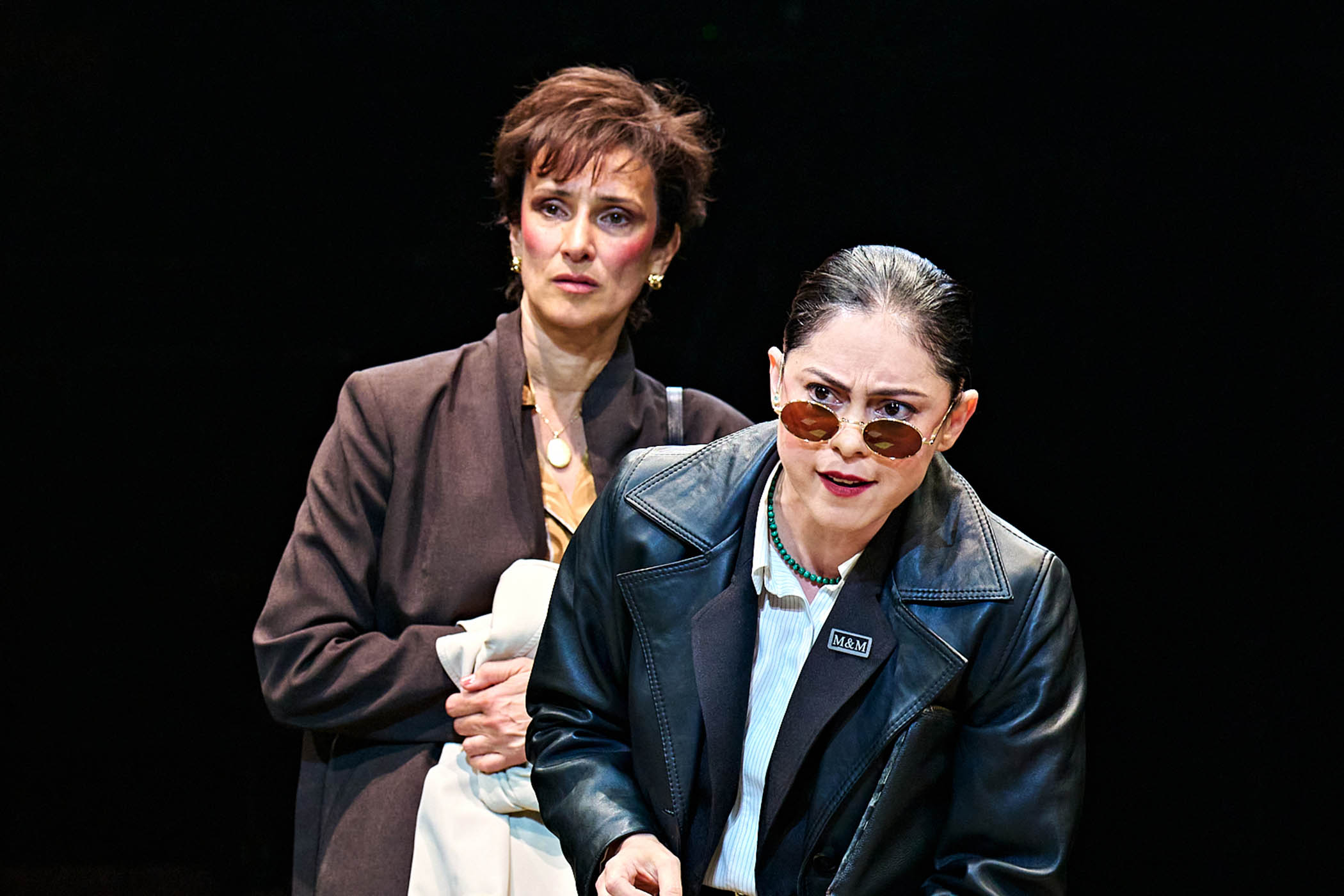
So many of her performances really can’t be improved upon: the “blazing hypocritical perfection” of Miss Mapp in Mapp & Lucia; Sarah France in After Henry; totally convincing as “HMQ” in Alan Bennett’s A Question of Attribution at the National, later filmed for the BBC. My mother was the first person for 400 years to play a reigning British monarch on stage; when she got her CBE in 1992, the Actual Queen put it round her neck with the words: “I expect you think you ought to be doing this.”
It was an eclectic career: with pianist Richard Burnett and tenor Ian Partridge, she toured An Evening with Queen Victoria for 28 years to every continent but Antarctica. Antarctica’s loss. Ten years of embarrassing Jane Horrocks in a series of adverts for Tesco paid for my dad’s career in regional theatre. And as a good socialist, what she really wanted to do more of was radical writing: “That’s more exciting than anything: working with new writers on new work.” Always grateful for the success of Fawlty Towers because it meant people crossing the street to see what she did next, she rebelled only slightly at the label “comic actress”, because, she said, it meant she didn’t get offered much of her real love, classical theatre.
Pru’s 61-year love story with her husband, Timothy West, was beautifully memorialised in 10 series of Great Canal Journeys, which took her around the world even as dementia shrunk her horizons. A narrowboat cabin neatly married their interests: he wanted to move, she wanted somewhere small and familiar with a crossword. And the philosophy with which she travelled, “I don’t always know where I’m going, but I always enjoy getting there,” has yet to be bettered. She died a day after what would have been their 62nd anniversary – the first they’d spent apart.
I learned huge amounts about language and acting from her wise advice. But more, I gloried in the beautiful stability of her long, kind, loving life. At her 90th birthday party, I proposed a toast. “Here’s to Ma. She’s still got it, even if she can’t remember where it is.”
Photograph by Getty Images
Newsletters
Choose the newsletters you want to receive
View more
For information about how The Observer protects your data, read our Privacy Policy