Related articles:
This article first appeared as part of The Puzzle edit newsletter – trends, histories, insights and brain teasers all in one place. To receive it in your inbox, featuring content exclusive to the newsletter, sign up here.
I showed my 6-year-old, Theía, a video of me this week that had made the rounds on a school parents WhatsApp group. She pulled a face I don’t think I’ve seen on her before. One eyebrow up, mouth slightly open. The ick, unmistakably, instantly, no prompting from me.
“I found the voice upsetting,” she said. “It made me feel a bit sad.”
I realised that any photo of you, doing anything, is potential AI “deepfake” raw material now. That’s true for me, and it’s true for whoever’s reading this.
I told a friend about the video over lunch the next day. Ste Curran (aka Etruscan) sets Mindset, app-game-turned-Observer-print-puzzle. He reminded me that at our Puzzle Centenary night, the last question of the evening was whether AI had a role to play in puzzles. Ste gave the most uncompromising answer of the night. AI could help with the initial build, the logistics and the boring scaffolding behind the scenes, but not the puzzle itself. He said: “Puzzles are a dialogue between me and you. I want to know I’m in a dialogue with a person. And so, no, it has no place in crosswords, and it has no place in the puzzles that I make either.”
Telling him what had happened to me – the ventriloquism, the hollowed-out, too-wide grin, hair and jewellery that looked like mine but weren’t quite – he paused for a second. Then he built on the argument he’d made that night in March. Ten years ago, he said, it took him months to develop a working prototype of a game. Now he can build one overnight. But a prototype isn’t a finished game, any more than a first draft is a finished article. The part that still takes time, the part that can’t be skipped, is everything that comes after: testing it, breaking it, rebuilding the bits that don’t hold up, playing it through as if you were a person meeting it cold for the first time. AI got him to the starting point faster. It didn’t do the part that makes it good.
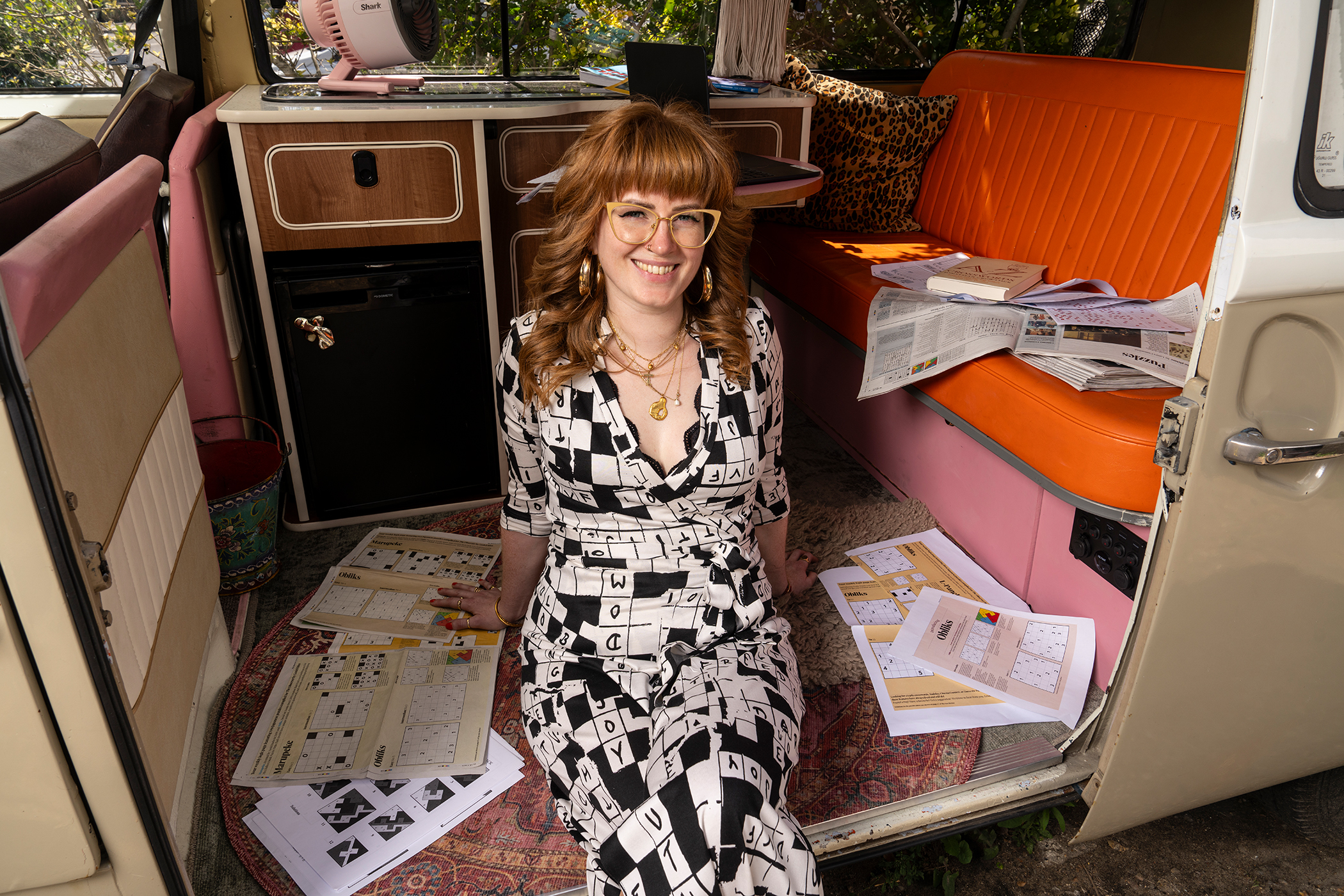
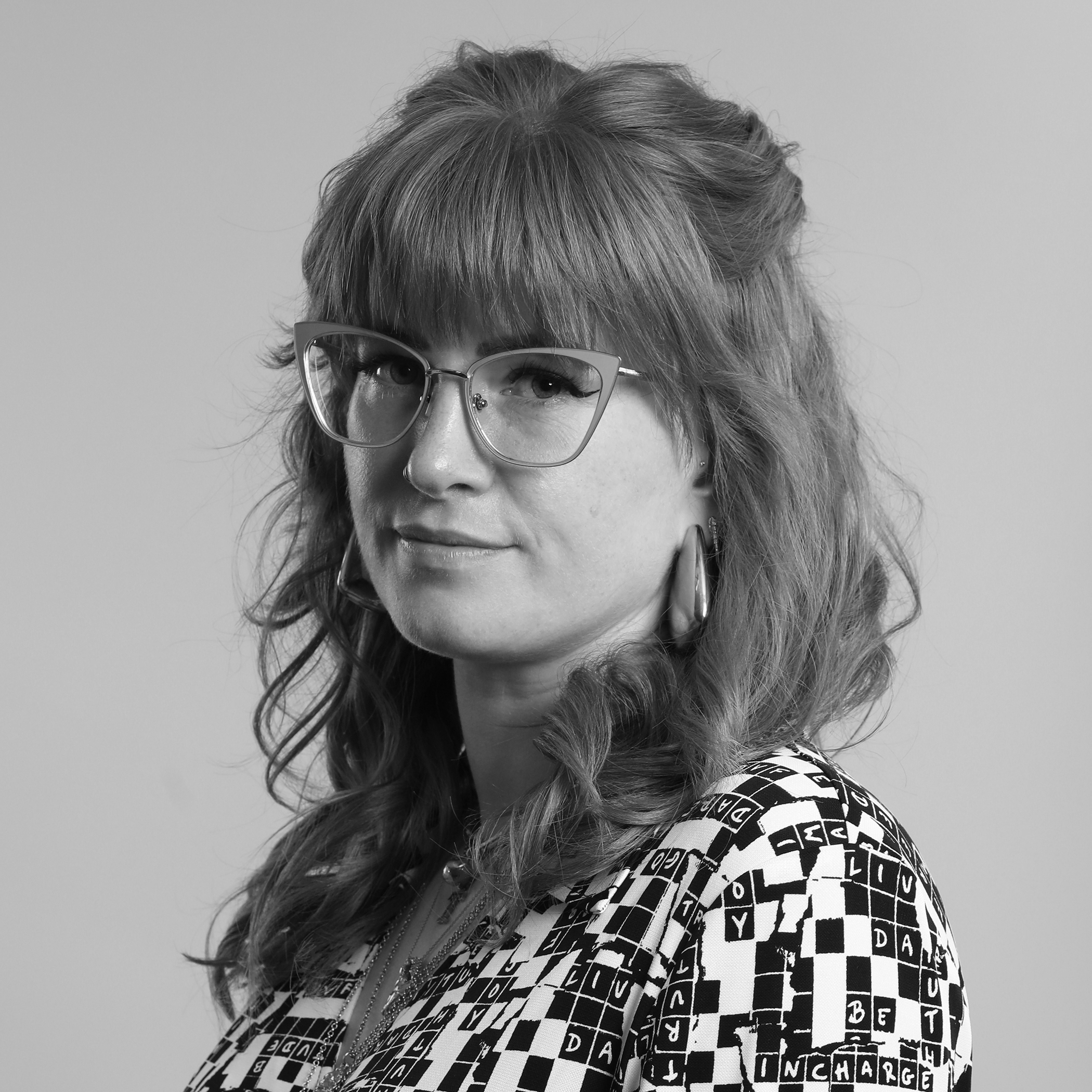
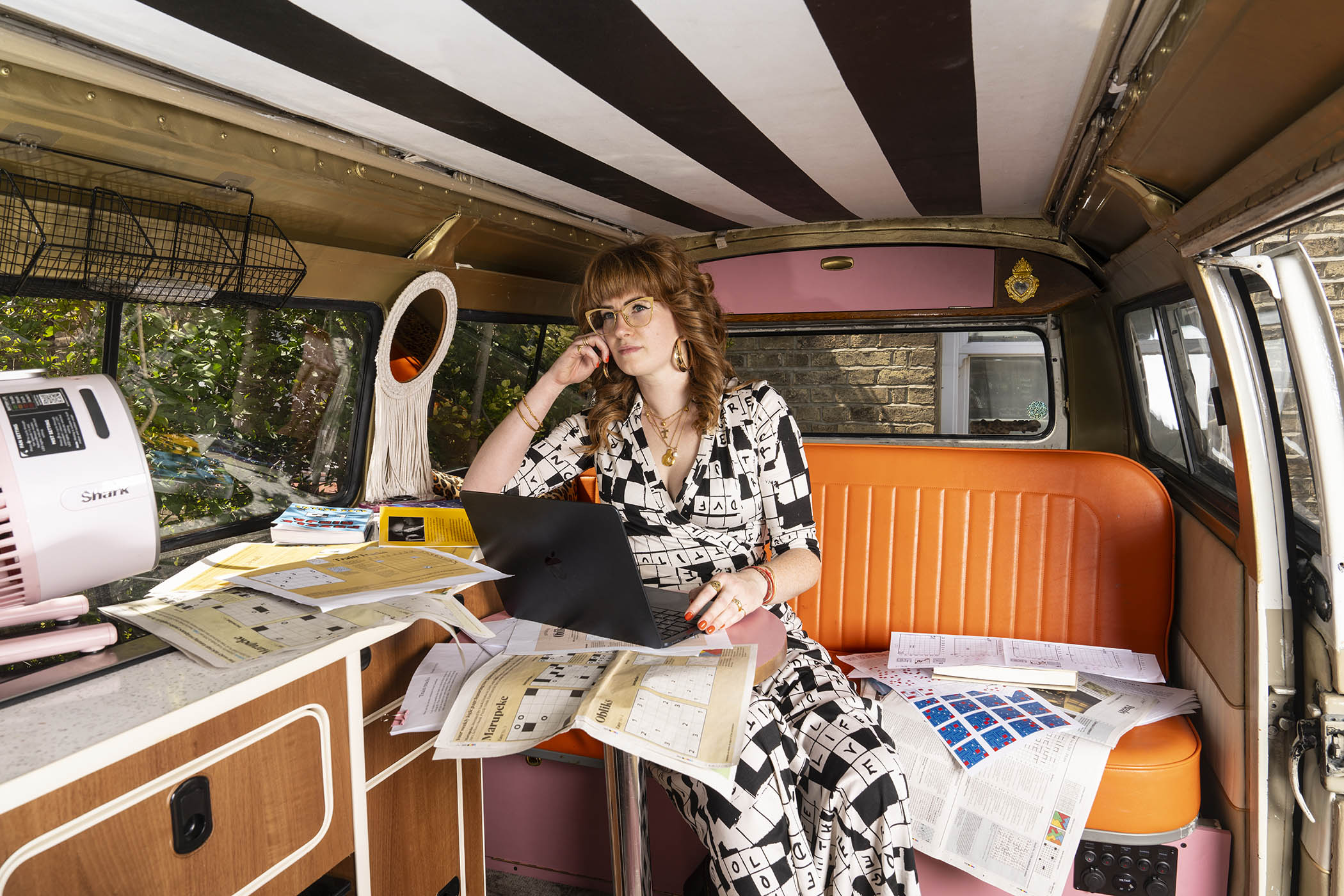
So what about the video? If you haven’t already guessed, it wasn’t of me, or not exactly. Created in mockery of a rival school’s summer fair promotional video, it was an AI-generated clip, built from a professional photo taken of me in my campervan for work, in the DVF crossword dress that’s become something of a uniform for my puzzles persona. Not a shrinking violet of a look.
“She” was affecting an accent I have never once used in my life, beaming at the camera and giving the full thumbs-up. “I’ve made blue ribbons. I’ve worked really hard.” She was cheerful in the specific, hollow way that has less in common with me and rather more in common with The Stepford Wives.
Related articles:
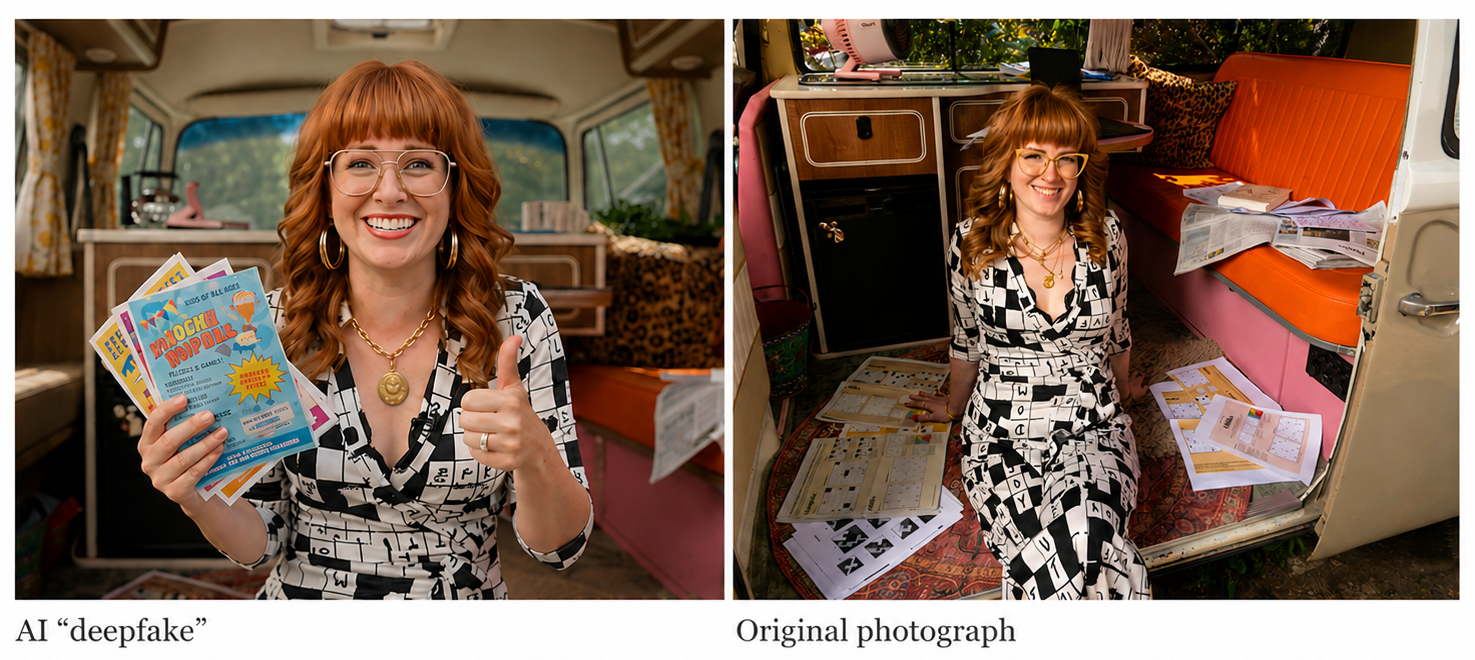
There’s a specific flavour of humiliation I discovered, reserved for watching a version of yourself do something you didn’t do. Not guilt, you didn’t do it. Not quite shame either. Closer to secondhand embarrassment, except the person you’re embarrassed for is wearing your face.
“Do you think that was a kind thing to do?” I asked Theía.
Newsletters
Choose the newsletters you want to receive
View more
For information about how The Observer protects your data, read our Privacy Policy
“No.”
Someone in the group who watched the video thought it was hilarious, until she realised who’d made it. Funny, in her telling, if I’d made it myself. Not funny, the moment she understood someone had done it to me, without asking.
That distinction is the whole story. Not whether AI was involved. Whether anyone checked first.
I think thats the difference between AI used with care and the thing people mean when they say “AI slop”. It’s about whether a human being stayed in the loop long enough to take responsibility for what came out the other end.
The video of me wasn’t slop because the voice was wrong or the joke didn’t land. It was slop because nobody asked the one person who could have told them: not yet, or not like this.
My daughter answered a question I never put to her. Not was that funny or kind, but did anyone check first.
It’s the same question I’d ask of a puzzle, or a sentence, or a video of someone’s face built without their permission.
The tool doesn’t decide that. We do.
Photograph by Antonio Olmos/The Observer