
Related articles:

How do you segue from the glittery plenty of Christmas to the muted austerity of January? When it comes to drink, recommendations now come in degrees of wetness, from the shock therapy advocates of Dry January abstinence to the bloody-Mary-minded refuseniks who rail against the creeping prohibitionism that they feel the annual anti-festival of abstinence represents by sticking to their usual consumption.
As always, I’m somewhere in the middle, although I still can’t bring myself to use the phrase that the drinks industry has come up with to describe my drinking behaviour over the next month. So, no, I won’t be calling it Damp January, even though I will be having a more-than-usual number of booze-free days alongside those where I’ll have a glass or two.
In fact, my plan, as ever in January, is to offset the excess of the previous month by drinking much less while still avoiding the slightly dreary sense of no fun by making those occasions when I do drink as interesting and glamorous as possible.
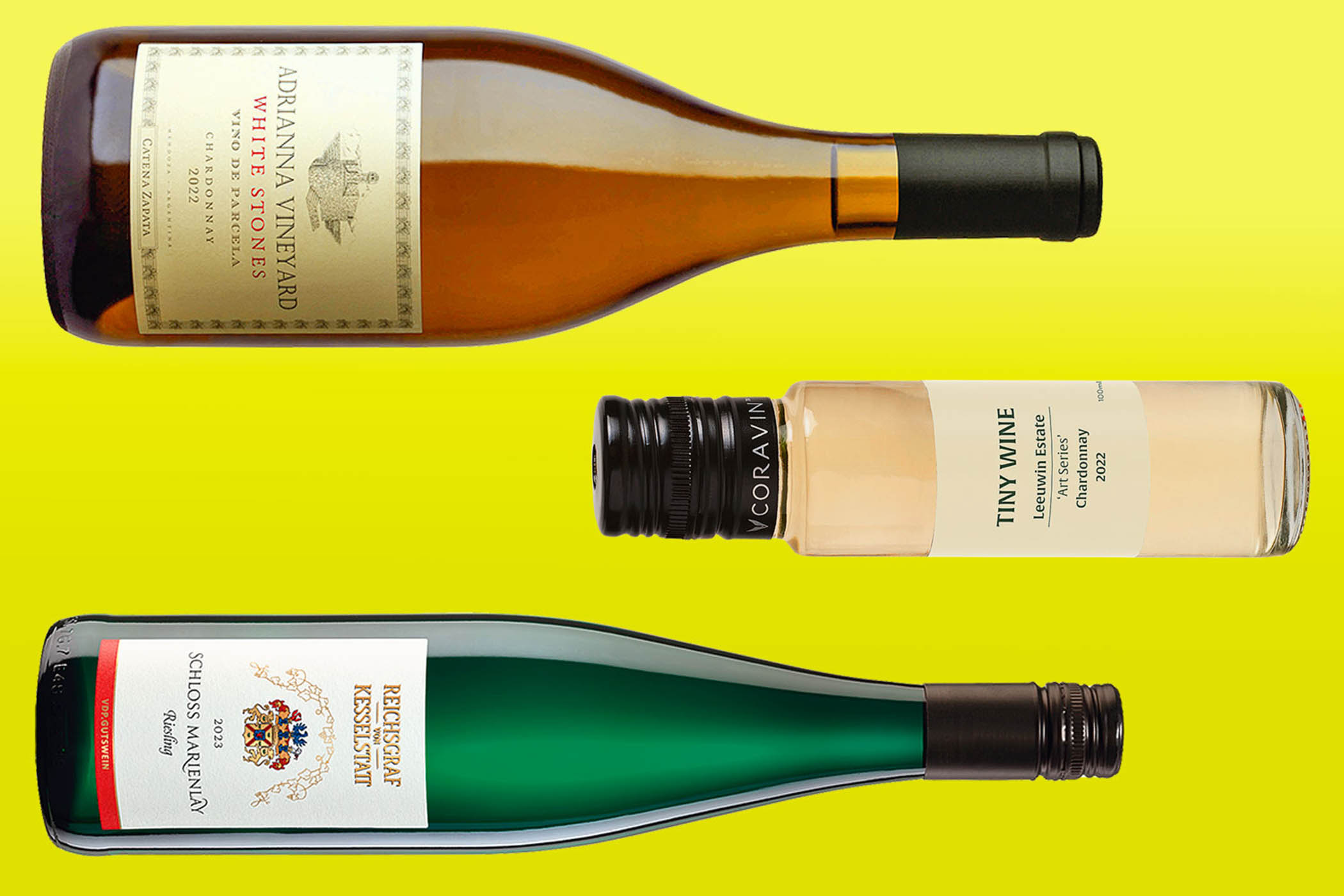
I’ve taken some inspiration from a friend of mine who does Dry January and who has taken to breaking his vinous fast in February each year with a bottle bought with all the savings he made by not buying any wine in the previous month. That frees him up to reward himself with something truly special and original, like the astonishing high-altitude Catena Adrianna Vineyard White Stones Chardonnay 2022 (£85, Hedonism), a chardonnay from Argentina, a country you may not associate with the variety, that is as good as any in the world.
I prefer to adapt my friend’s idea, bringing it forward and diluting it slightly, and taking a “less but better” approach throughout January, and one way of doing that is to take advantage of the tasting kits of six 100ml bottles of fine wine put together by a new company called Tiny Wine.
Effectively an at-home response to the boom in high-quality by-the-glass offerings that has transformed drinking out over the past decade, Tiny Wine makes use of the Coravin, a key bit of kit used by bars and restaurants to extract smaller servings from bottles without opening them. You’ll pay a bit more pro rata for a set of three or six screwcapped 100ml sample bottles (which will last for two years unopened) than you would for a full 75cl bottle elsewhere. But given that few of us have the spare £80 to splash on the likes of silky red burgundy of Domaine Sylvain Pataille “Les Longeroies” Marsannay 2019 or the immaculate Western Australian chardonnay of Leeuwin Estate Art Series, Margaret River 2022, the respective £18 and £16 per 100ml at Tiny Wine doesn’t seem entirely unreasonable.
Another way of drying up in January is to drink the same amount, but with less alcohol per glass. I’ve yet to find a wine actively made as “mid-strength” that I really like, so I prefer to find wines that are traditionally and incidentally low in alcohol, like a delicately racy off-dry Mosel riesling, such as Von Kesseltstatt Riesling Kabinett 2023 (£12.75, 10.5% abv, The Co-op), or to hunt down the quality reds that have avoided a general upward drift in alcohol towards 14% and above – wines such as Tanners Super Claret Haut-Médoc 2019, a refreshing classically styled Bordeaux that clocks in at the kind of modest abv (12.5%) that used to be de rigueur in the region.
Then, there are the entirely alcohol-free bottles, which genuinely seem to get better year to year. Indeed the consistently drinkable range offered by Wednesday’s Domaine, for example, including its alcohol-free Sparkling Rosé Cuvée from La Mancha in Spain (£18, Ocado), is (almost) convincingly wine-like enough to make me consider spending the month entirely dry.
Related articles:
Newsletters
Choose the newsletters you want to receive
View more
For information about how The Observer protects your data, read our Privacy Policy