

Antipodean winemakers have a justified reputation for being adventurous. It’s not just that so many of them spend their formative winemaking years doing a vinous version of the traditional backpacking thing, travelling to Europe to work vintages in the Northern Hemisphere’s classic wine-producing areas (I almost always run into an Aussie or a Kiwi at some point when I’m travelling around European wine regions). They also like to play around with different wine styles and grape varieties when they’re back home, where a spirit of, “Why? Why not!” still seems to be the rule rather than the exception.
That adventurous, questing, curious spirit is much easier to cultivate Down Under than in Europe, thanks to much less proscriptive wine laws: it’s not true to say you can do anything you like in Australian and New Zealand vineyards and cellars, but you are much freer than you would be if you were working in, say, a French, Italian or Spanish appellation, where the opportunity for planting different varieties is strictly limited.
The winemakers of Australia and New Zealand are also much less likely to be hampered by tradition: there are plenty of classic styles in both countries these days, and the likes of Marlborough sauvignon blanc, Barossa shiraz, Margaret River cabernet sauvignon, or Central Otago pinot noir, among others, tend to dominate the shelves of UK supermarkets and wine shops. But they are not treated with the same degree of reverence as European equivalents such as Bordeaux or Barolo, if only because their history is relatively short.
The creative spirit of Australia and New Zealand’s best winemakers emerged as something of a theme at the annual tasting joint-hosted by trade bodies Wine Australia and New Zealand Winegrowers in London last month, notably in a 40-strong selection of wines from the two countries picked out by some of the UK’s best sommeliers. This turned out to be a really inspired run of bottles, with many of the most interesting (and delicious) of them being made from what the Antipodeans call “alternative varieties”.
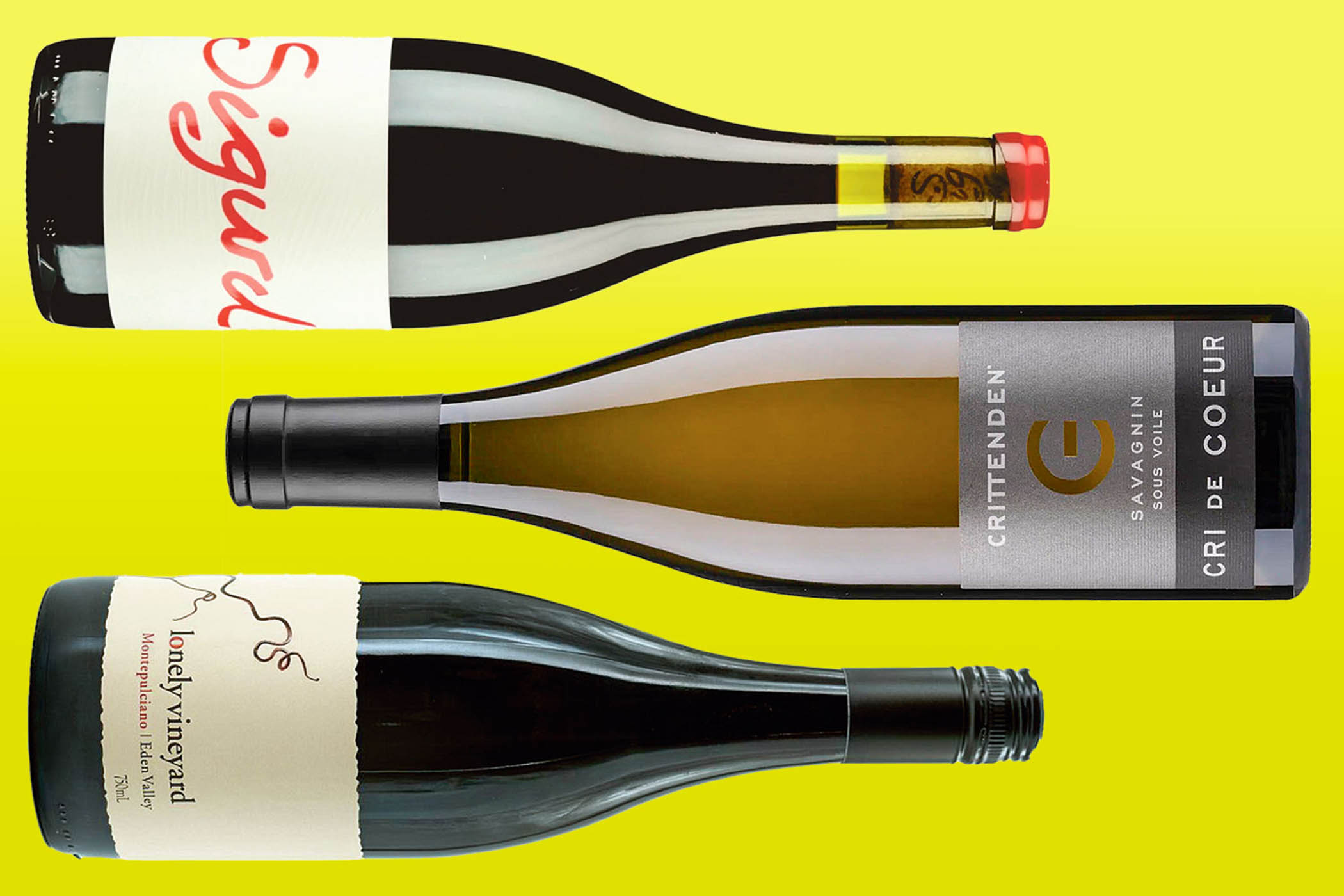
I enjoyed a rare, convincingly blackberry-juicy and crunchy take on the Austrian red grape zweigelt from New Zealand’s Nelson region (Seifried Estate Nelson Zweigelt 2024), and was very impressed by the stylish polished black cherry and firm but fine tannins of Lonely Vineyard Eden Valley Montepulciano 2018 (£21.75, Corney & Barrow), a red made in south Australia’s Eden Valley from montepulciano, a variety that doesn’t tend to travel well from its home in central Italy’s Abruzzo region. But the wine that made me do the biggest double take was Crittenden Estate Cri de Coeur Mornington Peninsula Savagnin 2018 (£51.50, Barrique Fine Wines), a Victorian take on the very particular style of winemaking that flourishes in the Jura region of eastern France, where a voile (or veil) of yeast forms over the top of the wine as it ages in barrel, bringing all kinds of savoury, curry-spicey, nutty and fresh apple flavours in a tangibly drinkable style.
But while I loved the fact that the natural-leaning Sigurd Red Blend, Barossa Valley, Australia 2022 (£26.95, Ministry of Drinks) is a blend of French and Italian-origin grapes I’ve never seen together in the same recipe before, many of the best-buy New Zealand and Australian wines I’ve tasted lately have been fresh takes on grapes that have long established their Down Under reputation. Whether it’s the herb-infused suave strawberry and cherry of Yangarra Old Vine Grenache McLaren Vale, Australia 2023 (£36.95, NY Wines), the fresh-and-fragrant blackcurrant bargain Exceptional by Asda Margaret River Cabernet Sauvignon, Australia (£6.98), the gorgeous flinty fluency of Dog Point Section 94 Marlborough Sauvignon, Marlborough, New Zealand 2020 (£30.95, Fortnum & Mason), or the elegantly toasty Kumeu River Estate Chardonnay, Nelson, New Zealand 2024 (£22.50, The Wine Society), creativity in both countries comes in many forms.
Newsletters
Choose the newsletters you want to receive
View more
For information about how The Observer protects your data, read our Privacy Policy