


It’s a source of fascination to me that people used to drink so much more fortified wine than we do these days. And I mean a lot more, and not just at Christmas. Even at the beginning of this century, when the sales rot had long since set in and the various caricatures of sherry-drinking vicars and red-faced, port-passing toffs already felt like relics from a far-off time, the world was still drinking roughly twice as much sherry, about 25% more port and just shy of 20% more madeira than today.
What happened? Did people just have stronger constitutions when these classic wines were in their heyday? Are we all too preoccupied with ideas of temperance and wellness now to bear the few extra degrees of alcohol that come with the fortification process? Or was it more of a quality thing – did the wines themselves just get worse?
None of these explanations really seems to pass muster. It’s hard to argue that we can no longer tolerate 15-20% abv when much stronger drinks, such as the negroni and the espresso martini, have been among the most popular of recent years. And while over-production and corner-cutting might have led to some fairly low-rent sherry and port (and cooking madeira) being made in the 1970s and 1980s, for most of this century fortified producers have switched their focus to seducing drinkers with the quality of their more upmarket styles. This is due to having largely accepted they had lost the mass market and that making the very cheapest styles was in any case increasingly unsustainable.
In fact, the term “upmarket” barely covers the level of swank and discreetly wood-panelled bling of some of the new breed of very rare, old tawny ports that have emerged in recent years. Sold with a bespoke Italian decanter and a “maple burl veneer” presentation case, a wine such as Taylor’s extraordinary 1863 Single Harvest, a blend aged in wooden casks for more than 150 years, is aimed at the kind of wealthy collector who might ordinarily be looking to drop the required £5,000 a pop on a rare whisky or cognac.
Other fine, rare ports, notably in the new official 50 Year Old and 80 Year Old Tawny categories, may be younger, but they are also strictly luxury buys (the newly launched Graham’s 80 Year Old is a cool £1,675 a bottle at Hedonism, for example). So, too, some of sherry’s VOS (average age of 20 years or more) and VORS (30 years old or more) bottlings and rare 20th- and 19th-century vintage madeiras. For the producers themselves, however, the success of the tiny quantity of very high-priced wines is judged less on how many bottles they sell than the tone they set, as if to say: look at how special these wines you’ve taken for granted can be.
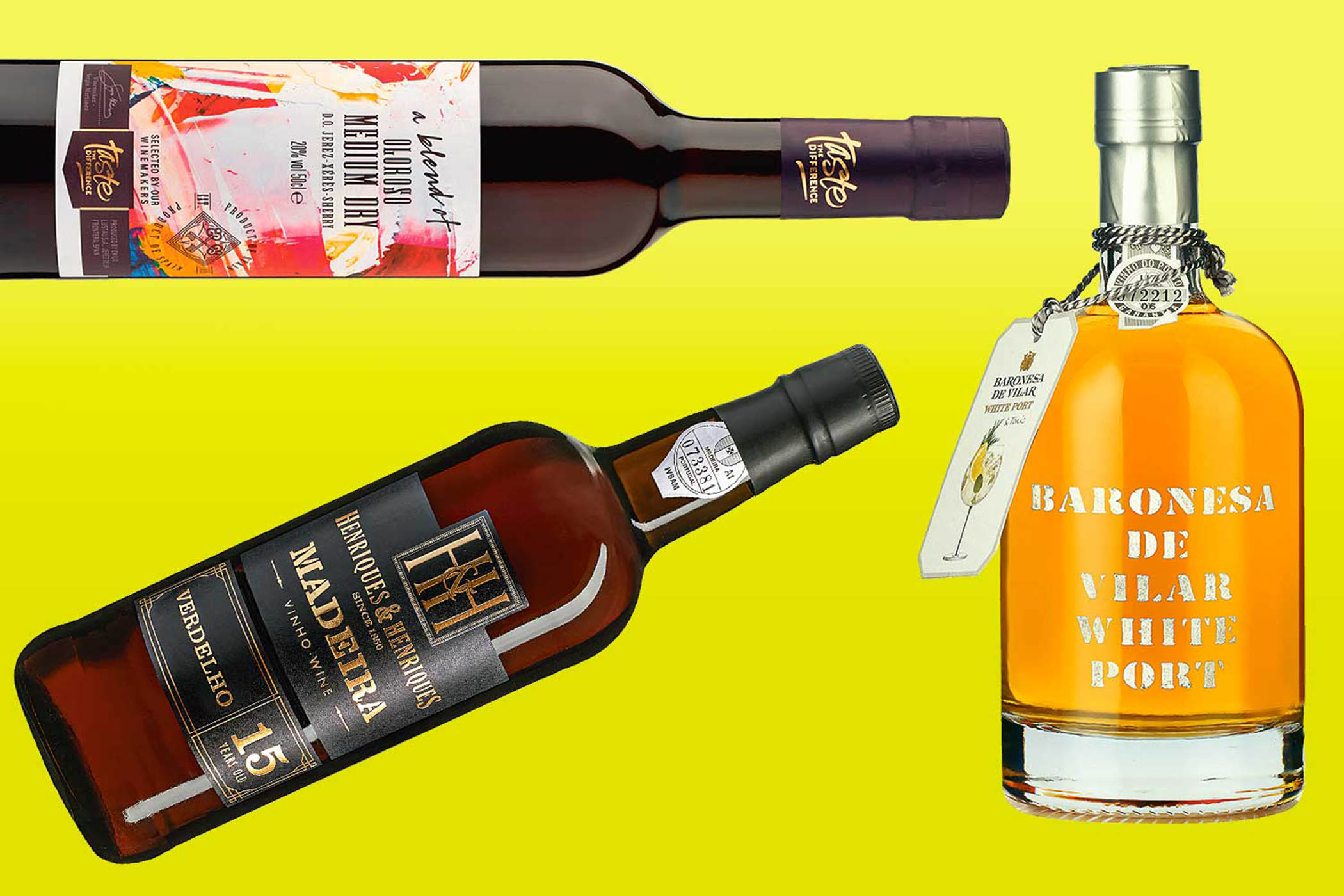
And really, when it comes to the bottles I’m currently sizing up for Christmas cheeseboards and late-night sipping, what stands out is the pound-for-pound value of this still undervalued and extremely heterogeneous category. It’s true of supermarket own-label bottlings such as the purring, dark-fruited Asda Extra Special LBV Port 2019 (£11.97) and the intensely nutty Sainsbury’s Taste the Difference Oloroso Sherry NV (£9.75; 50cl). But it’s also true of branded wines, such as the honeyed golden Baronesa de Vilar White Port NV (£9.99, 50cl, Laithwaites), the electrically tangy spice-box-scented Henriques & Henriques 15 Year Old Verdelho Madeira (£29.95, The Whisky Exchange), the mellow Australian tawny port-alike Penfolds Father Grand Tawny NV (£26, Tesco) and the suavely mature classic vintage port of The Society’s Exhibition Port 2011 (£43, The Wine Society) – all bottles that only add to the puzzle of why more people aren’t drinking more fortified wine.
Newsletters
Choose the newsletters you want to receive
View more
For information about how The Observer protects your data, read our Privacy Policy