Harriet, can you tell us about a particular role you look back on affectionately?
It was Bert, in The Ragged Trousered Philanthropists [a 1978 production by Joint Stock Theatre Company], for two reasons: it was one of the best productions I was ever involved in, and it was the first where my career suddenly took off. I’d been trucking along for six years on the fringe, very happily doing the work I wanted to do. It was a small world. You moved from one job to the next. I never thought I needed an agent. The Ragged Trousered Philanthropists had no women in it, so I wound up playing the apprentice boy whose social position wasn’t much different to women at home – he was kicked around a bit. I became part of a gang, respected by my fellow actors, and lessons were learned: how to be part of an ensemble, which to me is the most valuable thing about theatre: a thing that is the sum of its parts. There’s something so satisfying about what a group of people can put on stage in terms of a reflection of our world. There are no recordings of that show, but it stays in my memory.
How did you become so good at playing men?
The theatre world then was very lean on good parts for women. There was fringe activity, but it wasn’t part of the mainstream. I’ve played a number of male parts, or women who dress up as men in Shakespeare. What’s interesting is you always act out a side of you. I do believe we’ve all got a boy and a girl in us. I felt most true acting in The Tempest, in which I wasn’t defined by my gender. I was just a person called Prospero. That’s where I feel most at home.
What else has been dominating your thoughts recently?
Well, there’s age. When you get old, you’re too seldom allowed to express youth. Old people are cast as ill, sad, angry. But there’s so much more we relate to. We still love people. We still love life. We still feel joy. I still feel 17 years old inside, and I know I’m not the only one. But you so rarely get to express that in roles. I’d like that to be the next revolution.
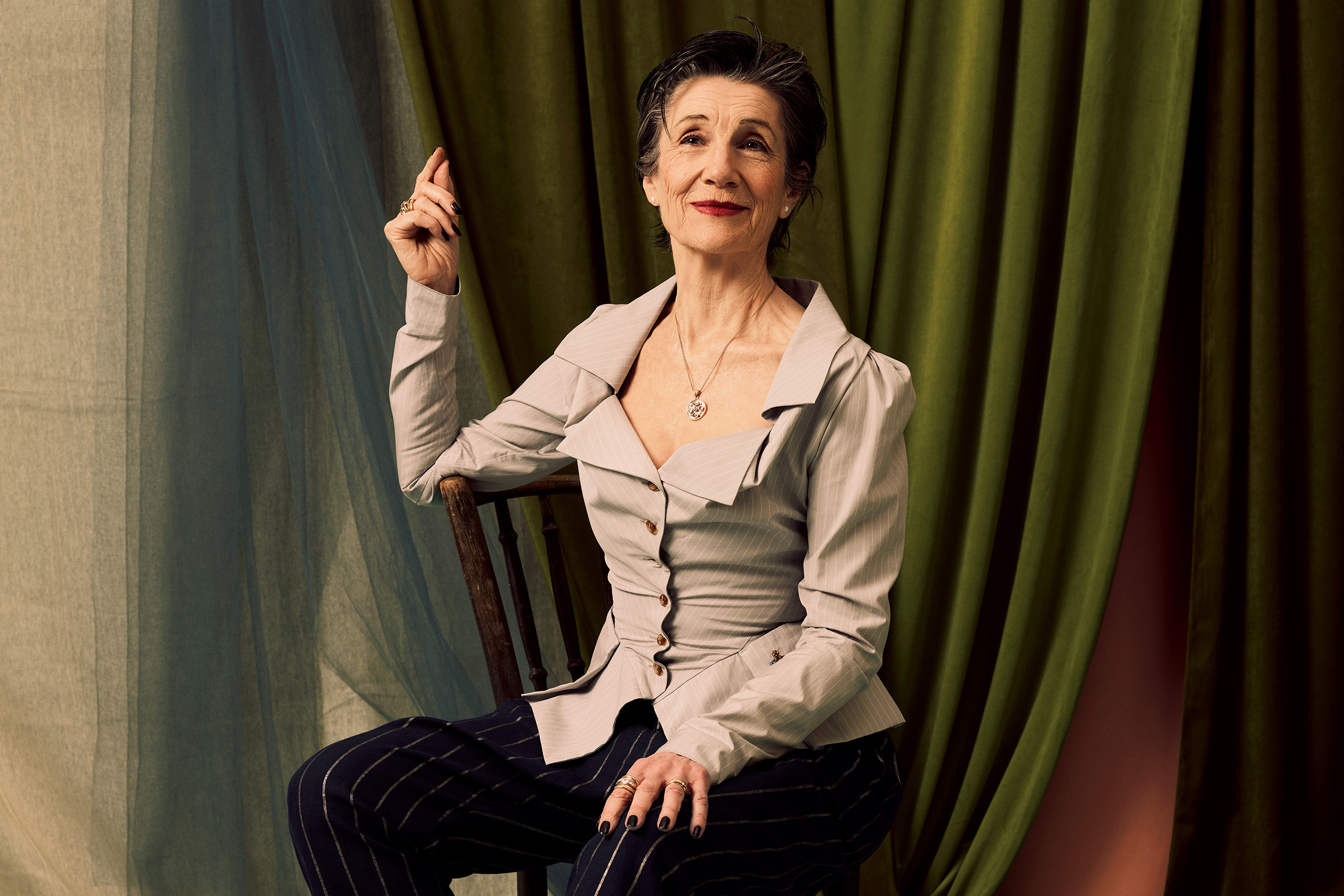
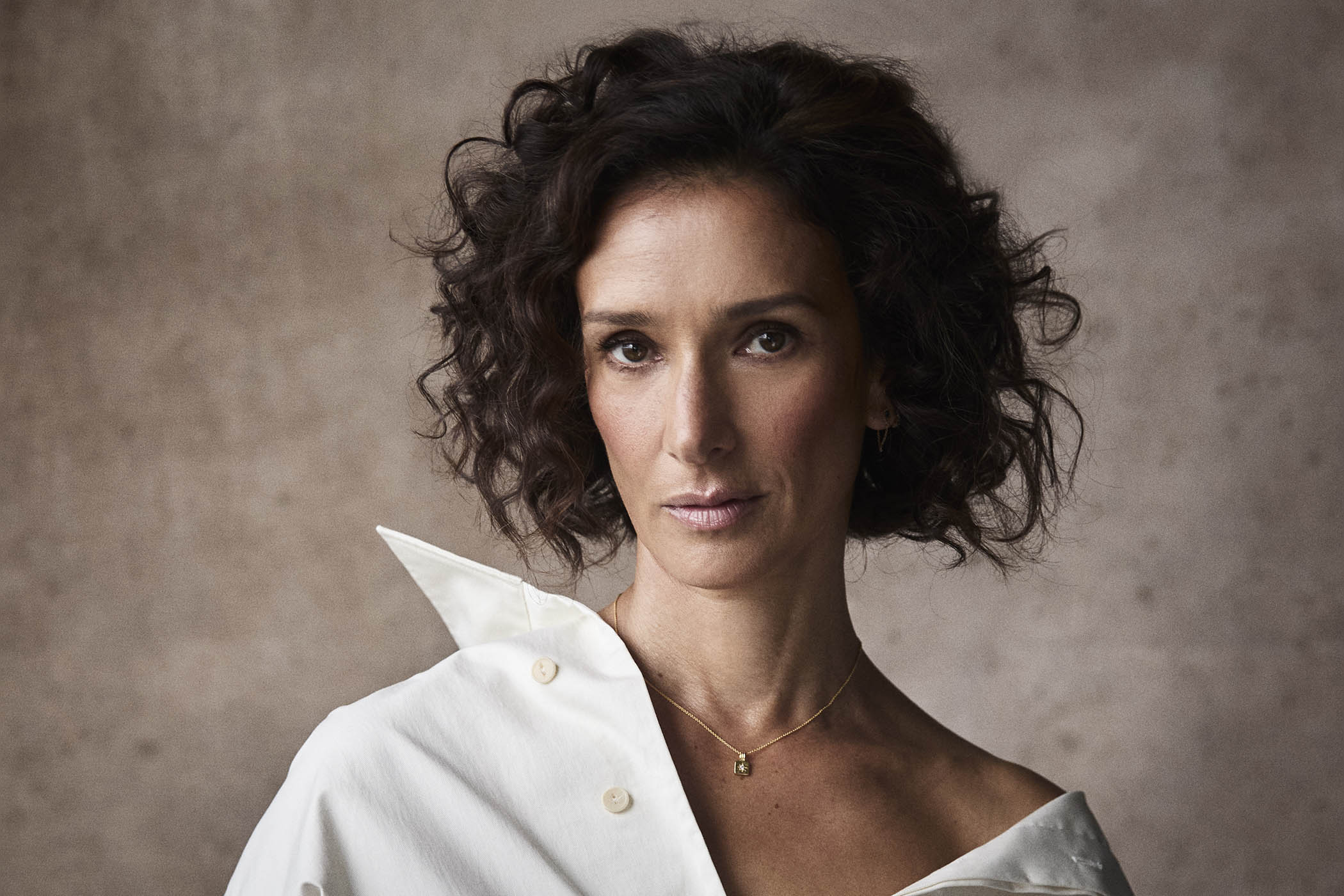
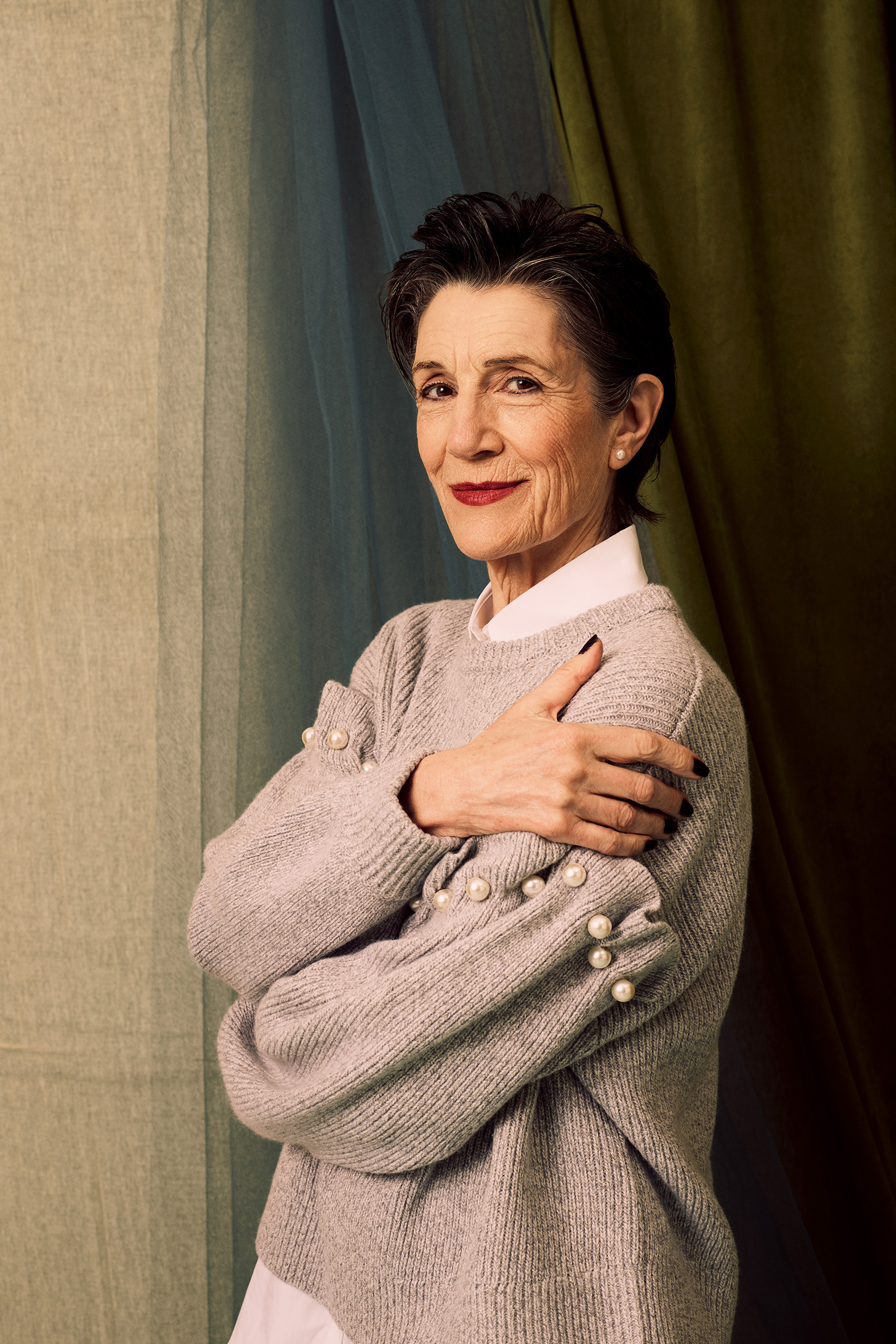
Harriet Walter wears: (first look) shirt and trousers by Vivienne Westwood, necklace and rings by Lylie, shoes by Edeline Lee; (second look) shirt by Emilia Wickstead, jumper by Akyn. Hair by Sven Bayerbach using Sam Mcknight. Makeup by Charlie Duffy using Erborian, both at Carol Hayes Management. Styling assistant: Sam Deaman
Newsletters
Choose the newsletters you want to receive
View more
For information about how The Observer protects your data, read our Privacy Policy