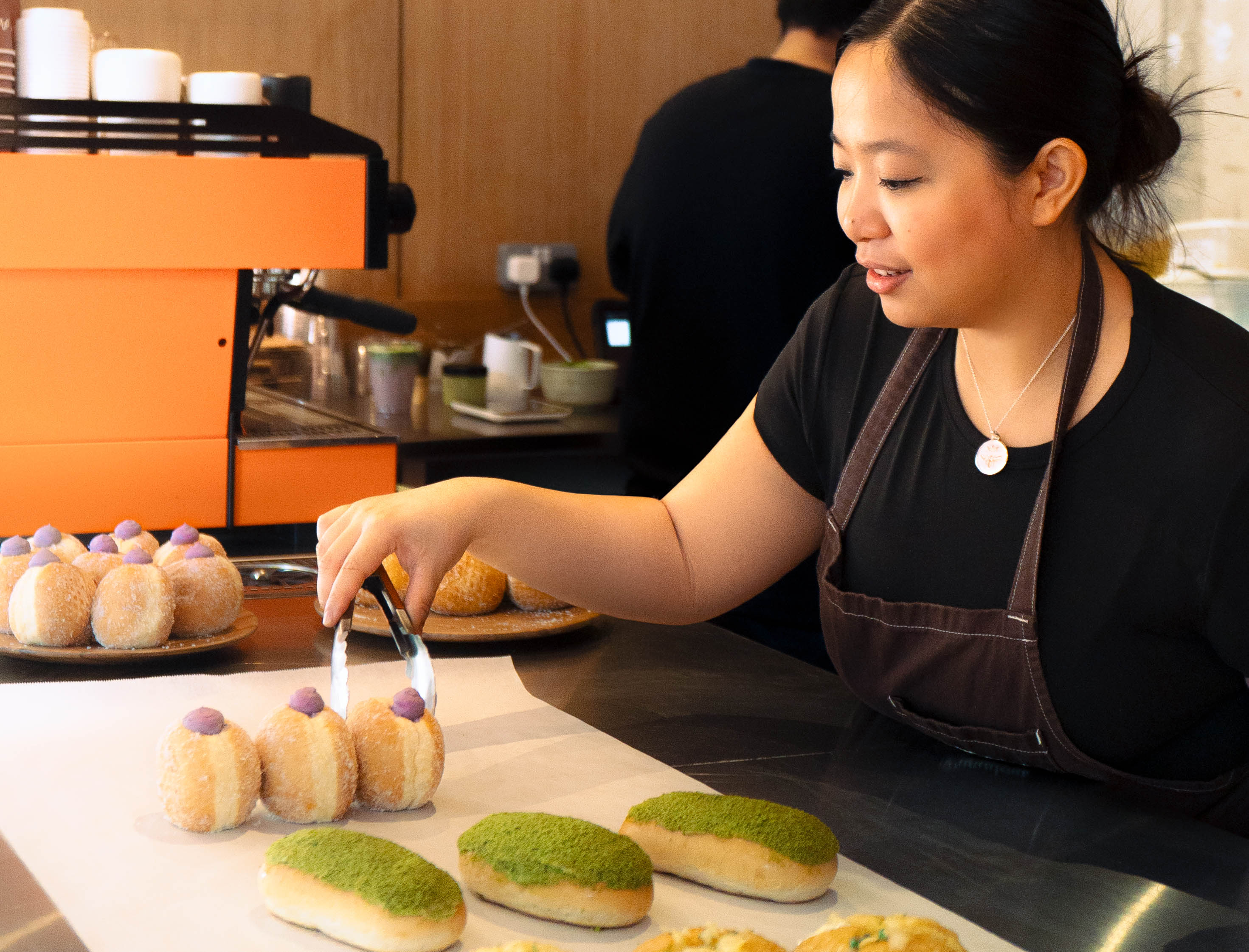

On a recent wet afternoon in London, no one was on Soho’s Hopkins Street who didn’t need to be. The narrow lane is lined mostly with service entrances to commercial buildings. Except there was Panadera, a Filipino bakery that relocated from Kentish Town last spring, as packed as ever.
The draw began with the corned beef hash sandwich, but guests have been selling out a new favorite recently: the longganisa sausage roll. Born of chef-owner Florence Mae Maglanoc’s dual heritage – she grew up in Northern Ireland to Filipino parents – the English classic, overlaid with sweet-savoury Filipino sausage, is part of a growing new wave of hybrid pastries available to eat in London. “I was envisioning the things I grew up eating,” she says, “like a sausage roll on the way to school, but with my flavours.”
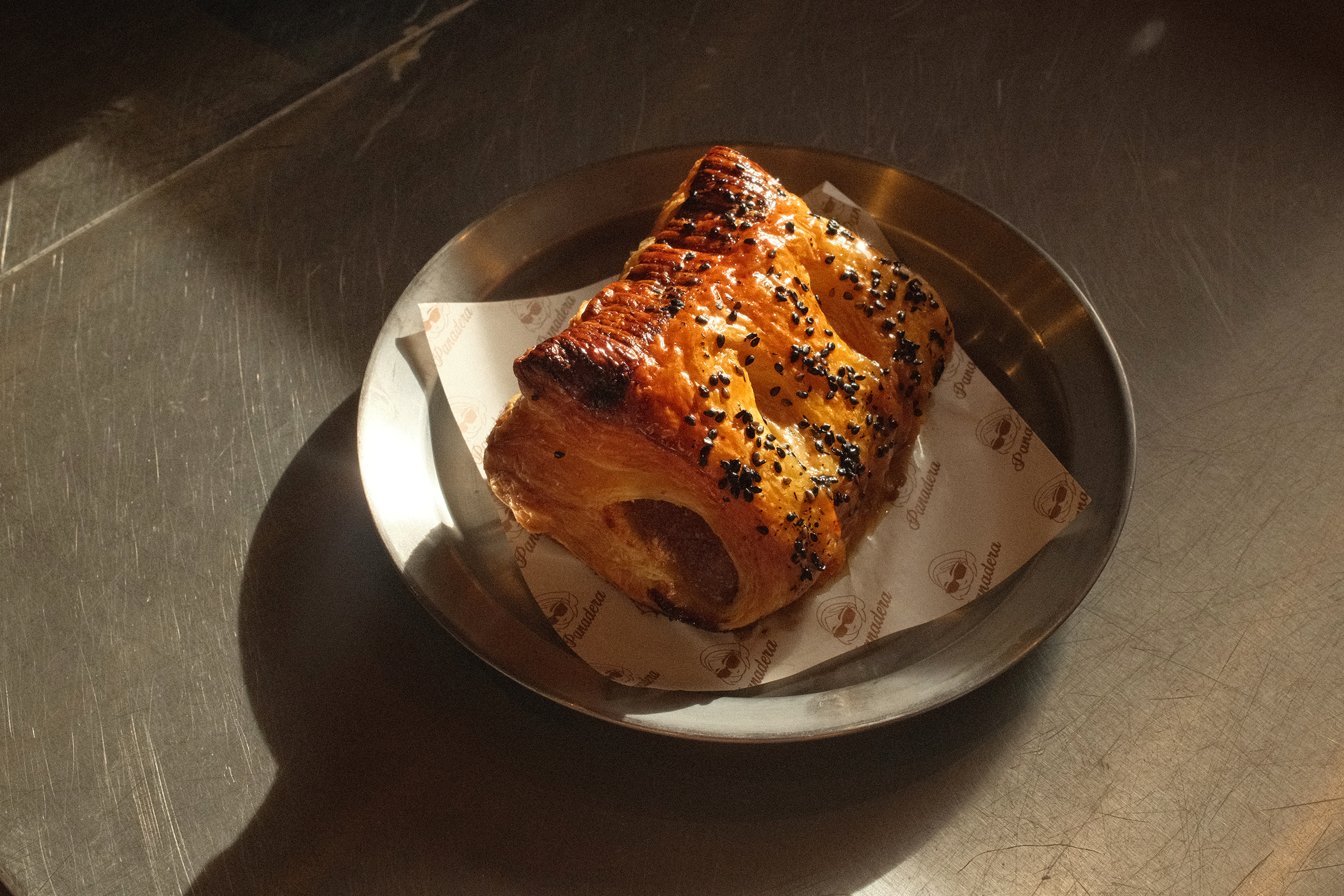
The longganisa sausage roll at Panadera
In cities including San Francisco, Los Angeles and Toronto, Filipino-fusion cuisine has flourished, thanks to a strong foundation of traditional restaurants and a broad public understanding and appreciation of the cuisine. London, with its sizable Filipino population of nearly 60,000, has plenty of diners eager for Filipino food, but remixing pastry – especially the sweet kind – provides chefs with a way to introduce diners to their south-east Asian flavour profiles while activating that key trigger: nostalgia. They also draw a creative rubric in which chefs fluent in both English and Filipino cuisines can play.
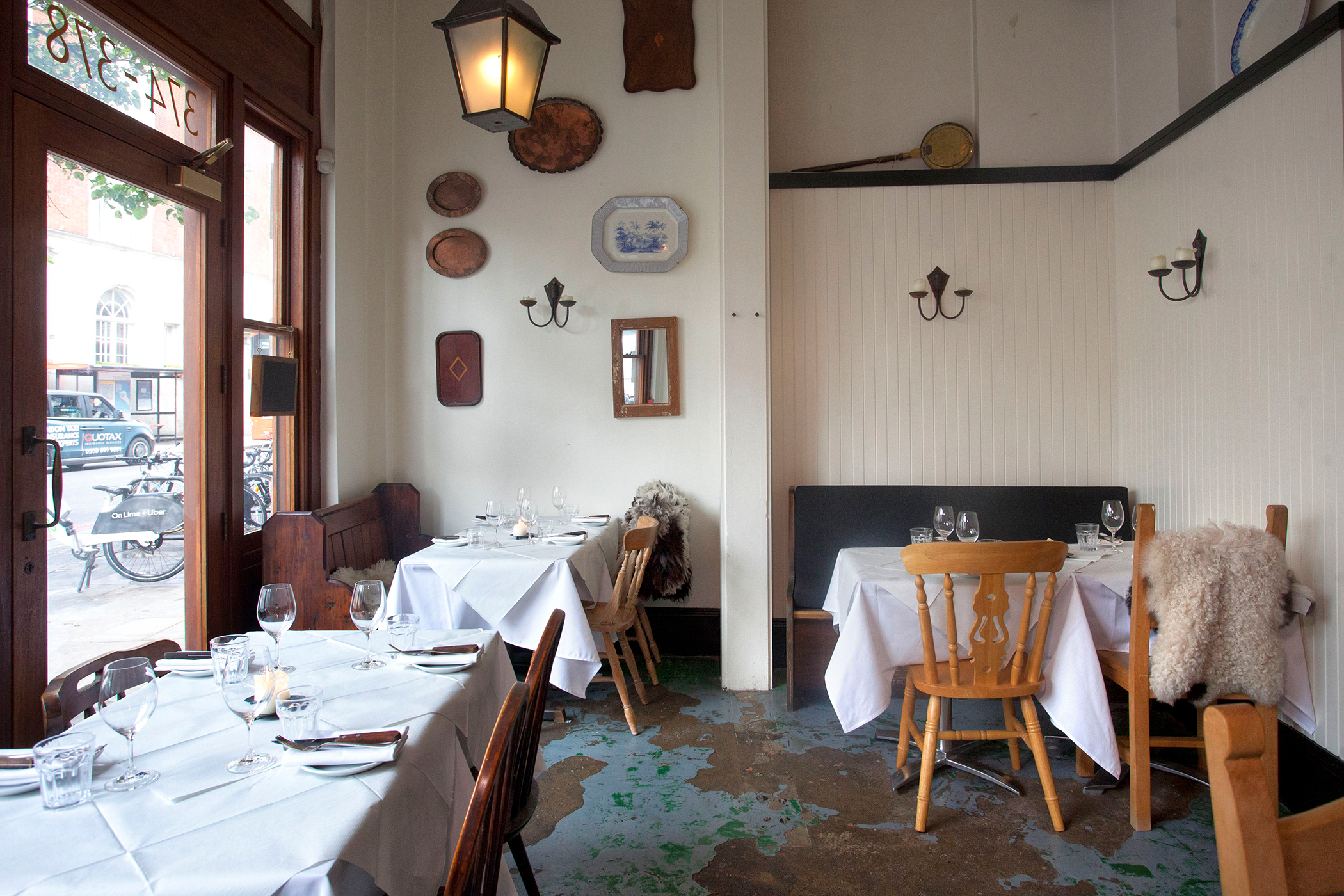
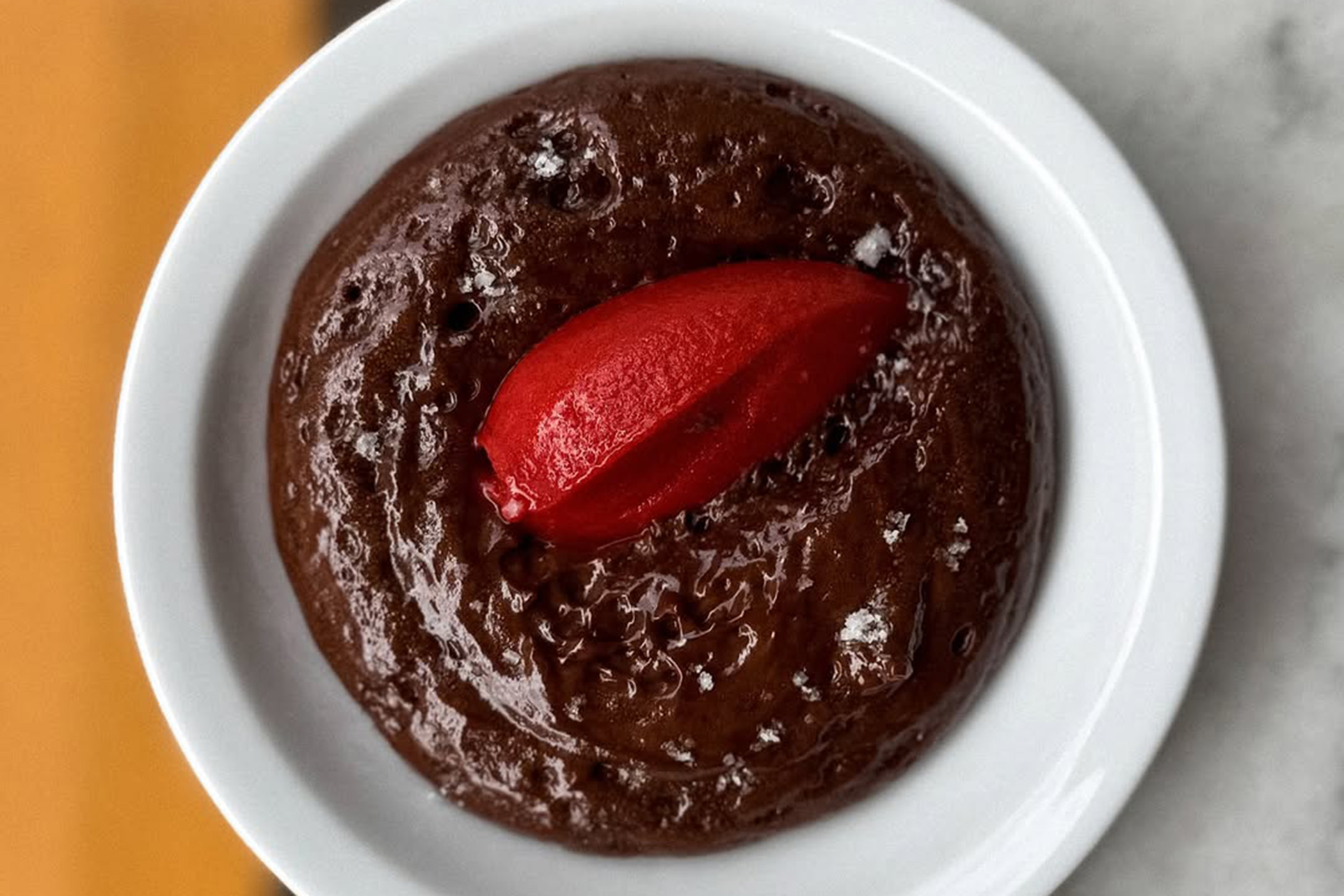
“It’s a way in,” says chef and restaurateur Omar Shah. “They look like something the average English guy might already know,” but taste like something else. At his Filipino bistro, Belly, in Kentish Town, Shah serves profiteroles glossed with caramel that’s finished with fish sauce, inspired by a dish he ate at Automat, in Manila. At Kapihan, in Battersea, Rosemary Motley uses her pastry background from the Dorchester and Shangri-La The Shard to translate the flavours of bread and butter pudding into thick pandesal offcuts softened with custard and banana, alongside favourites like ube buko pies filled with bright purple ube (yam) and coconut.
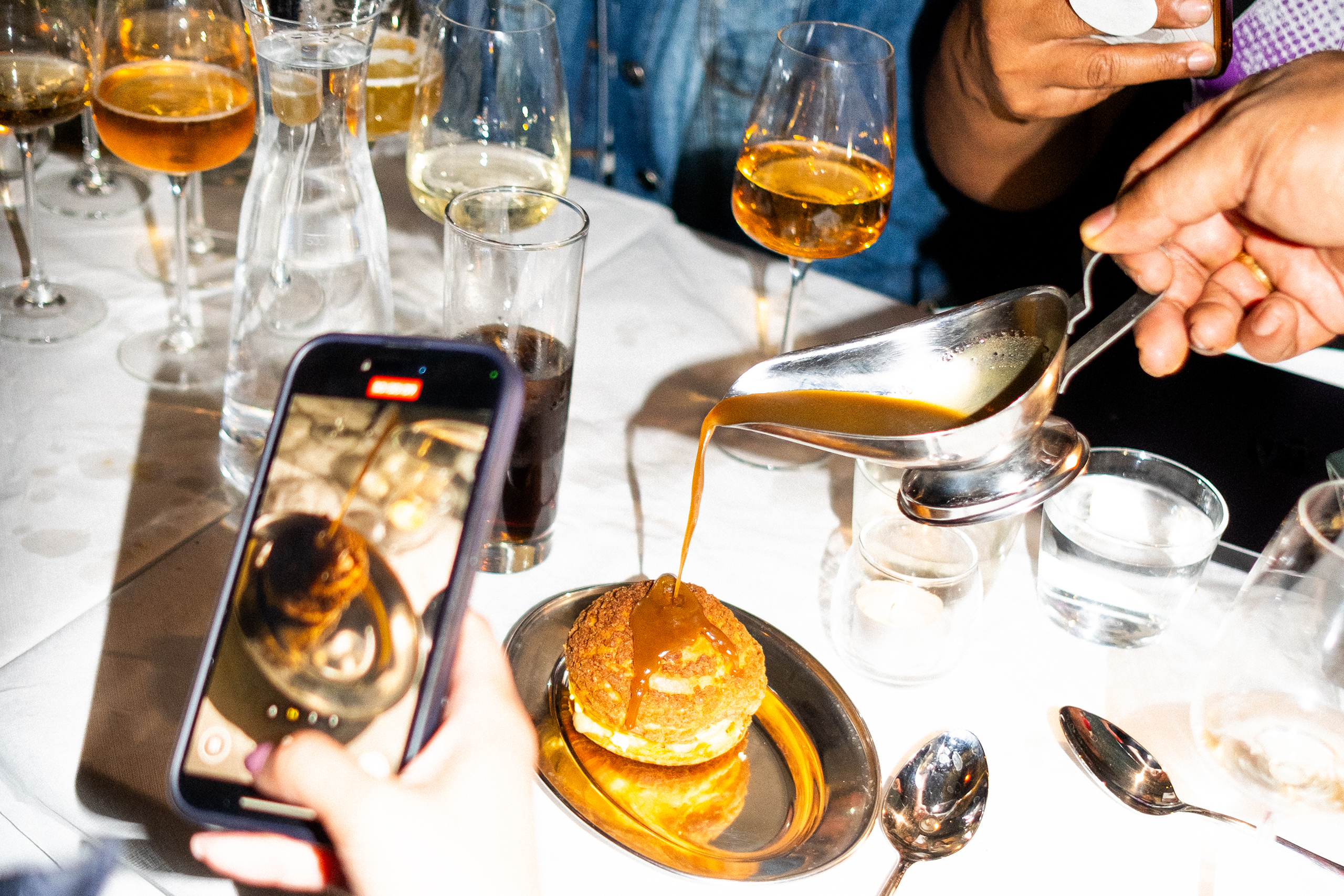
The profiterole drizzed with a fish-sauce caramel at Belly
Nearby at Mahali, pastry chefs Ru-Yan Foong and Miguel Jocson similarly draw on their fine dining backgrounds when reinterpreting Chinese and Filipino desserts. “Australia has a strong culture of fusion food,” says Foong, “but the freedom of creating our own menus allowed us to explore.” The duo pipe burnt vanilla cream into an ensaymada, its top coated in a fluffy layer of microplaned parmesan. Foong points out that Filipino diners have long since gravitated towards the simultaneously sweet and savoury; a vanilla and cheese pairing that might seem avant garde in England is a familiar friend to a chef raised on queso ice cream.
The ensaymada itself is already a hybrid. It originated as the lard-based Spanish ensaimada, its presence in Filipino cuisine a legacy of Spanish colonialism. Maybe the nimble creativity of these pastry chefs is, in part, inherited: they have roots in a country with a rich indigenous culinary history layered beneath American, Spanish, Chinese, Japanese, and Indian influences.
As Shah puts it: “Everything is already from somewhere else.”
Newsletters
Choose the newsletters you want to receive
View more
For information about how The Observer protects your data, read our Privacy Policy