

What can £60 buy you in 2026? Increasingly, just a single main course. Across the UK, menu prices are creeping up, and not only for dishes built around luxury ingredients. Rising costs are affecting diners and restaurants alike. According to recent data from Mastercard, roughly 88% of Brits now prioritise preserving their funds for “memorable activities”, with eating out often sitting at the top of that list. Yet, the purchasing power of that cash is diminishing rapidly.
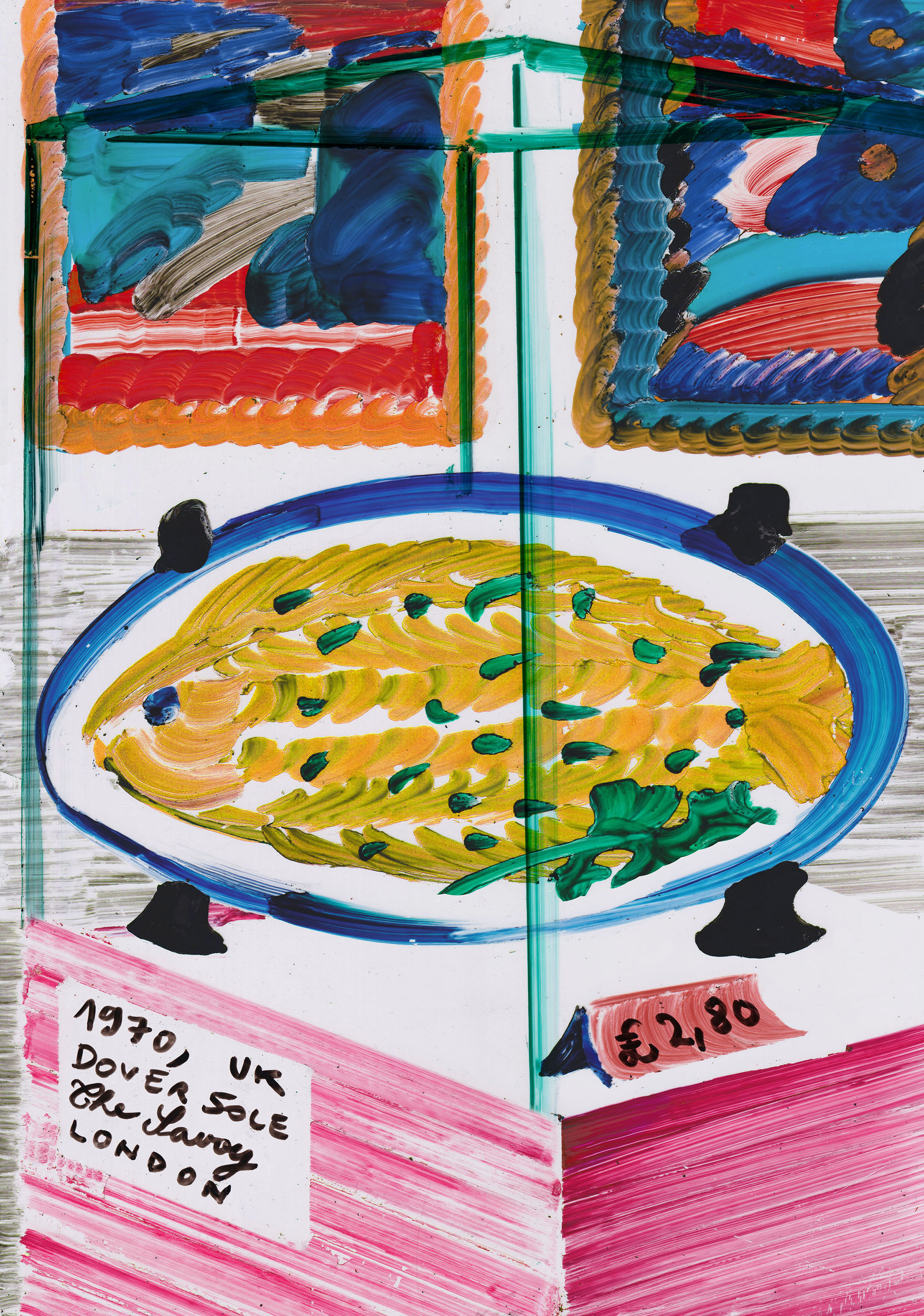
Fifty years ago, the Savoy Hotel’s Art Deco London restaurant was the place to be. Its dusty yellow Escoffier-style menu promised diners a main course of dover sole bathed in lemon and brown butter for £2.80. Today, that equates to a modest £26, yet in the current economy, the same dish – with the added flourish of capers, cucumber, shallots and croutons – is £69. Tag on the 15% service charge, and that’s nearly £80 without so much as a chip. (Those will cost £8.50.)
In London, veal milanese is £67 at Carbone, while a rack of lamb is £58 at Mount Street Restaurant. At the River Café, turbot, sea bass and veal chops all sit north of £65, which is the cost of the pork collar chop at Gymkhana – not even the most expensive main on its menu.
These prices are not relegated to London postcodes. At Rick Stein’s The Seafood Restaurant in Cornwall, turbot with hollandaise is £58; at The Sorting Room in Cardiff, beef wellington is £56; and at Louis in Manchester, a plate of osso buco is £65.
Shaun Moffat was chef of the year at the 2024 Manchester Food and Drink Awards and his neighbourhood-style restaurant, Winsome, was recently named as one of the UK’s top 100. He feels a growing dread about rising prices. “When I look at our menu, I feel a pang of guilt about what I’m charging,” he says. Moffat recently listed pork schnitzel with split peas to share for £60, as well as a beef-and-pickled-girolles pie for £50. Sides of clotted-cream mash and greens were £7 each. “I’m not ripping anyone off, we’re scraping pennies together here. Out of every £100 spent, we’re lucky to see a couple of quid.”
Duck is one of Moffat’s favourite things on the menu for its taste and sustainability (he buys whole birds directly from a farm). One portion of duck at Winsome costs the diner £42. “That’s the absolute minimum we can charge,” he says, listing VAT, rent, staff wages, utilities and business rates. If he were to price the dish profitably, he says: “It would have to be about £52 – that would be for me to be able to have any profit to put in the bank for a rainy day when something breaks or we’re quiet.” At “full” price, with one side, plus service charge of 12.5%, the duck main course would be £65.50. “For me, I think it’s worth it,” Moffat says, “but then again that’s more than four hours’ work for someone [on minimum wage].”
Moffat says that utility costs have caused the price of vegetables to rise dramatically, too. “I’ve been cheffing for 20 years now,” he says. “When I started, it was 30p a cabbage and now they’re £2.90 – and that price change has happened in recent years.”
Many diners cannot afford to care how much it costs to run a restaurant. And this, according to Natalia Ribbe – the owner of Sete in Margate and the host of hospitality podcast, Staying Open – creates a problem that she describes as “perception of value”. As her restaurant is in a seasonal seaside town, visitors often expect prices to be lower. A chicken dish might need to cost £50 for profitability, but that does not mean diners believe it should. “As soon as you write that number on the board, people are going to be like: ‘What? £50! I can make that chicken at home,’” Ribbe says. “But unfortunately, it’s not just the chicken you’re paying for, it’s the labour that goes into it and all the costs that come with operating an independent restaurant.”
Jay Claus, chef and co-founder of sustainable fish restaurant Rake (currently in residence at the Compton Arms in north London), identifies a significant gap between what diners expect and the prices they are prepared to shell out for. People increasingly want restaurants that prioritise sustainability, ethical sourcing and animal welfare, all values that add to operating costs: “Caring about things that guests want you to care about doesn’t often match up with the price point that people are willing to pay.”
Claus thinks these rising costs have changed restaurant culture completely, even for neighbourhood places like his own. “There’s no casual way to go out to dinner,” he says.
Newsletters
Choose the newsletters you want to receive
View more
For information about how The Observer protects your data, read our Privacy Policy