

After the noise and busyness of the holiday season at my restaurants, I find myself drawn back to the calm of planning the year ahead, and to new dishes built from winter’s slower ingredients: the root vegetables that have sat in the cold ground, the pumpkins curing in the store, the cheeses deepening in flavour for months.
Winter vegetables have grown through frost and snow, and that hardship gives them a natural sweetness. As a chef, you simply give them heat, time and a bit of care, and their flavour reveals itself. A whole celeriac, slow-roasted in embers, becomes incredibly sweet and earthy, ready to take on thyme-laced brown butter and a sharp, acidic cheddar. Pumpkin, cooked in a similar way, turns almost orchard-sweet, its warmth the perfect backdrop to a silky fonduta made from Hafod cheddar, one of my favourite hillside cheeses from Wales.
These dishes are simple, but built on contrasts – smoke against acidity, the richness of cheese against the freshness of herbs, the natural sweetness of winter vegetables sharpened with a touch of vinegar. They’re meant for sharing, for being laid out on a table with warm grilled breads, a green salad and maybe a bottle of cider or wine. This is food cooked slowly, eaten slowly, and made to warm you from the inside out.
January is also a good time to make broths from the goodness of root vegetables, alongside restorative salads that bring together beetroots, winter kales, grains and refreshing dressings made with fruit vinegars and olive oil. In my kitchens, the chefs begin looking forward to the first bright blood oranges of the season, the forced pink rhubarb from the Yorkshire rhubarb triangle and pristine shellfish from colder waters.
To me, the beauty of cooking over fire is that the technique can be exciting all year round. In the summer, it’s grilled peas eaten immediately after cooking. In winter, the embers do a lot of the work, more slowly, and this is the kind of cooking I always return to in the cold January months. Winter’s best ingredients do the rest.
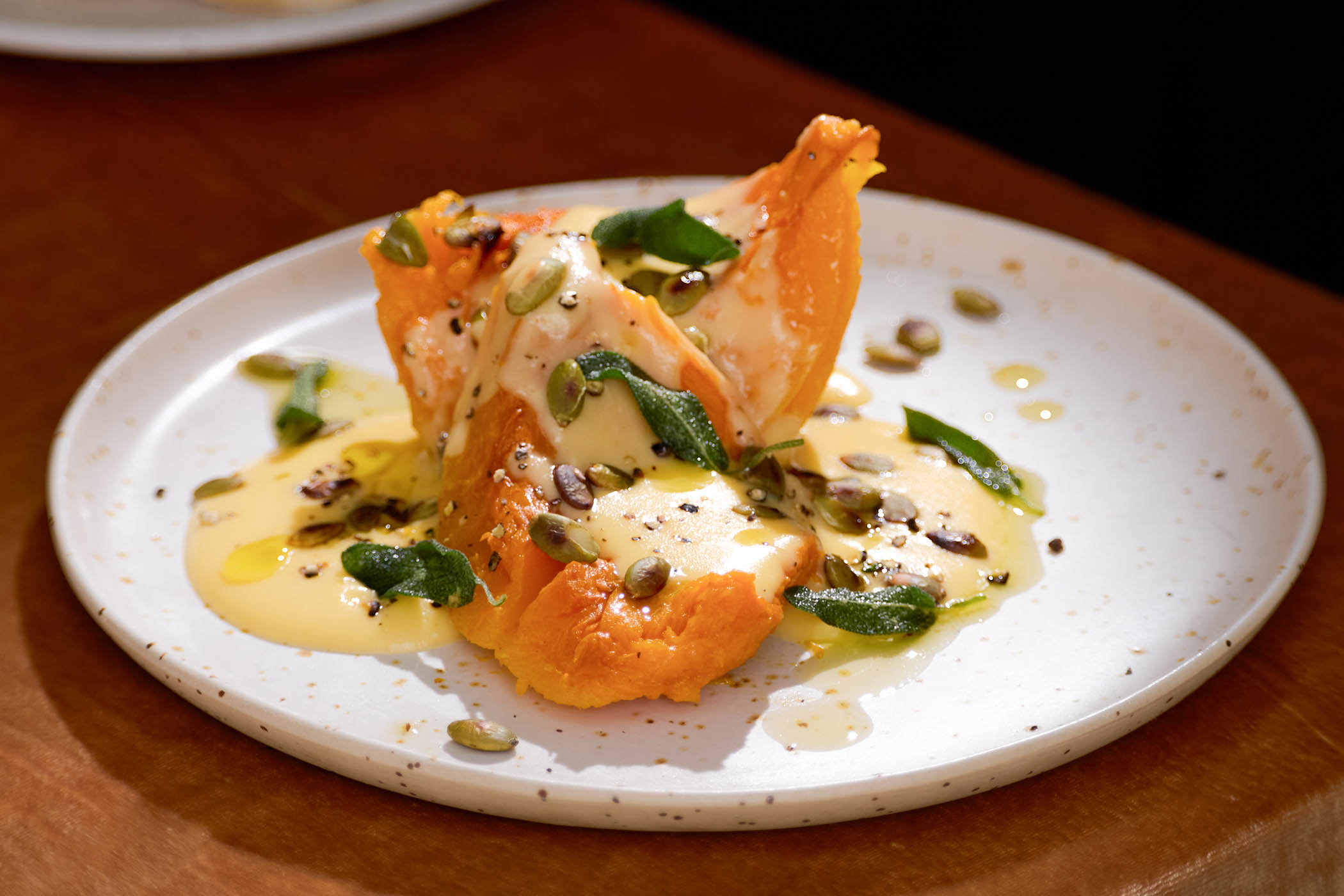
Roasted pumpkin, Hafod cheddar and toasted pumpkin-seed oil
Serves 2-4, to share. Ready in about 1 hour.
Soft pumpkin meets hot cheese fonduta – sweetness, acidity and smoky warmth. Delicious with a slice of warm sourdough.
crown prince or kabocha pumpkin 1, small, whole
olive oilrosemary 1 sprig, leaves picked and chopped
sea salt to taste
pumpkin seeds a handful (use the ones from the pumpkin, if you like)
sage leaves a small handful
cider vinegar or apple verjus pumpkin-seed oil a few drops (or good cold-pressed rapeseed oil)
black pepper a generous amount, freshly cracked
lemon ¼, zested
For the fonduta:
whole milk 150ml
mature cheese 150g (try Hafod, Ogleshield or Lincolnshire Poacher)
nutmeg a tiny grating
egg 1, yolk
unsalted butter 1 tbsp
Preheat the oven to 160C/gas mark 3. (If using fire, burn hardwood down to steady, white embers. No flames – just calm, even heat like that from a wood-fired hearth.)
Halve the pumpkin and remove the seeds (reserve for toasting). Rub the pumpkin with the olive oil, the rosemary and some sea salt. Place on a roasting tray and put in the oven for 35-40 minutes, until the flesh is tender. (If using a fire, wrap in parchment, then foil, or place cut-side down in a cast-iron pan and nestle into the embers for 40-60 minutes, until tender and lightly smoky.)
Towards the end of cooking, make the fonduta. Warm milk gently in a pan, never letting it boil. Add the cheese and a grating of nutmeg, and stir slowly until fully melted and silky. When that’s done, remove the pan from the heat and whisk in the egg yolk and butter. Return the pan to a low heat, stirring until the mixture thickens to a pourable custard. It should be smooth and flowing.
Toast the pumpkin seeds in a small pan until nutty and popping. Crisp the sage leaves briefly in the same heat.
When the pumpkin is done, spoon the hot flesh into shallow, warm bowls. Let it slump naturally, then add a dash of cider vinegar or verjus while still hot, to brighten the sweetness.
To serve, spoon the warm fonduta over the hot pumpkin flesh. The fonduta should pool and run into the folds of pumpkin. Scatter with the toasted seeds and drizzle with a little pumpkin-seed oil. Lay over the sage leaves, grind over some pepper, and finish with lemon zest. Serve with warm sourdough.
Baked celeriac with brown butter, cheddar and pepper
Serves 2-4, sharing style. Ready in about 2 hours.
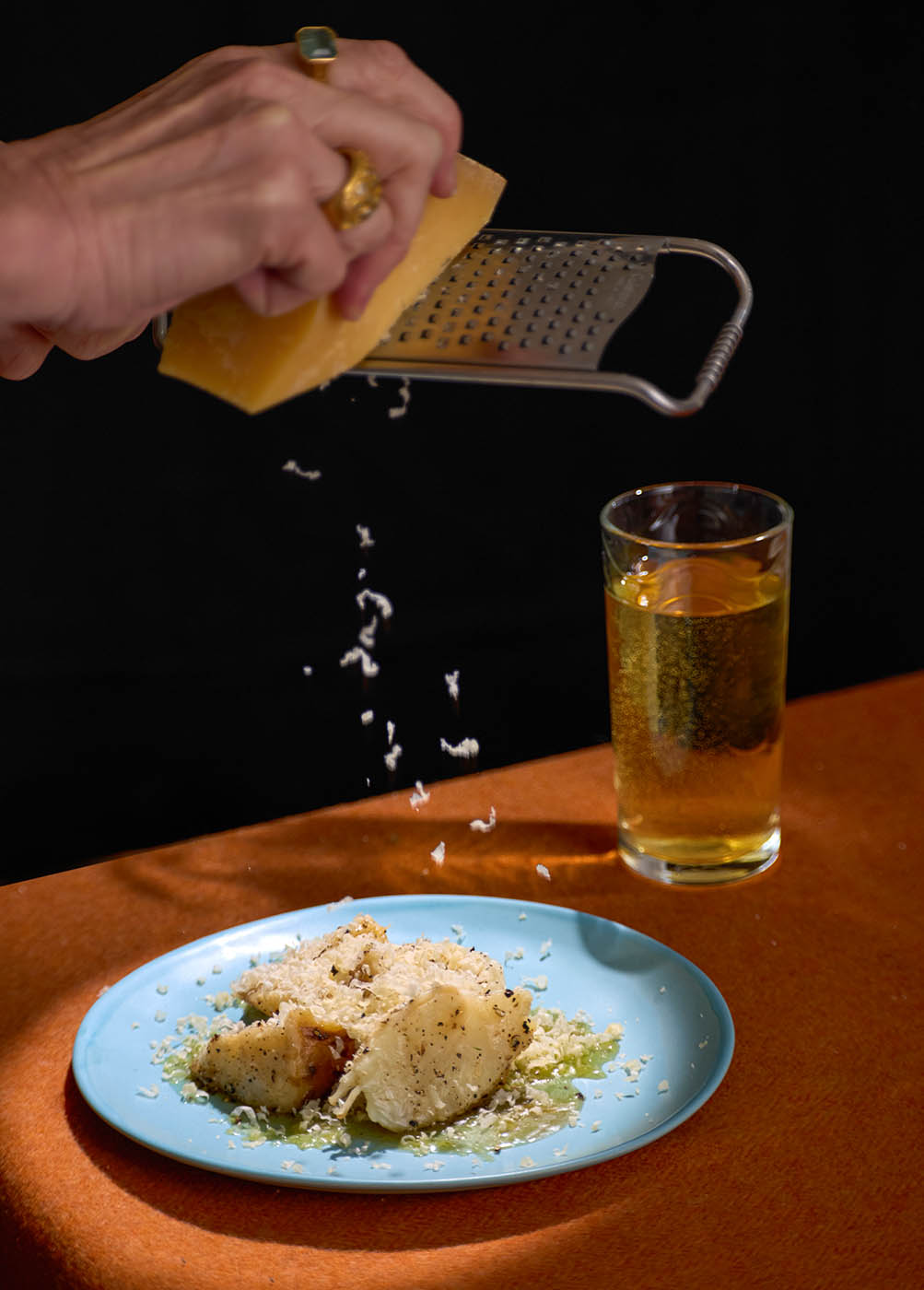
Cooked until collapsing-soft: baked celeriac with brown butter, cheddar and pepper
This deeply savoury dish uses the mountain method of cooking whole celeriac in embers until collapsing-soft. At home, bake the celeriac, fold the flesh with brown butter and a touch of vinegar, and finish with the aged cheddar and cracked pepper.
celeriac 1, whole and unpeeledbutter 80gthyme 3 sprigs apple cider vinegar1 tbsp (or to taste)sea salt to tasteblack pepper a generous amount, freshly cracked sage 10 leavescheddar 120g, aged chives 1 tsp, chopped
Preheat the oven to 200C/gas mark 6. Wrap the celeriac in foil, then roast for 1½-2 hours until completely tender. (To cook by fire, bury the whole wrapped celeriac in hot embers and cook until tender, usually up to 2 hours.)
Meanwhile, in a pan over a low heat, melt the butter until nut brown – it should also smell nutty. Take off the heat and allow to cool a little, then add the thyme.
When the celeriac is cooked, carefully split it and scoop the steaming flesh into a bowl.
Discard the thyme sprigs, then fold in the brown butter, a little cider vinegar, salt, plenty of black pepper and finally the sage leaves. Shave over the cheddar and sprinkle with chopped chives.
Serve with toasted sourdough (ideally done on a flame), green salad and a glass of cider.
Newsletters
Choose the newsletters you want to receive
View more
For information about how The Observer protects your data, read our Privacy Policy