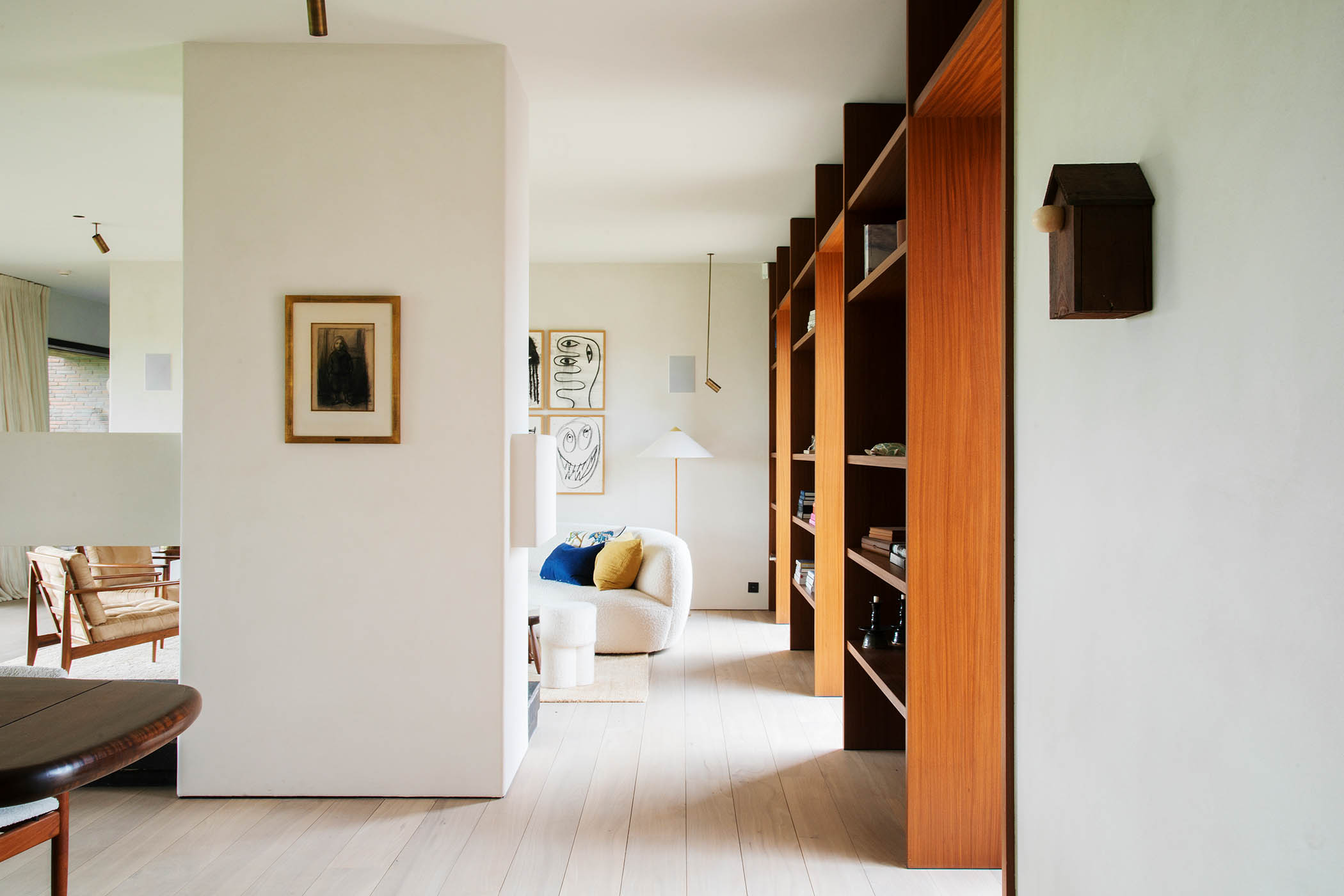

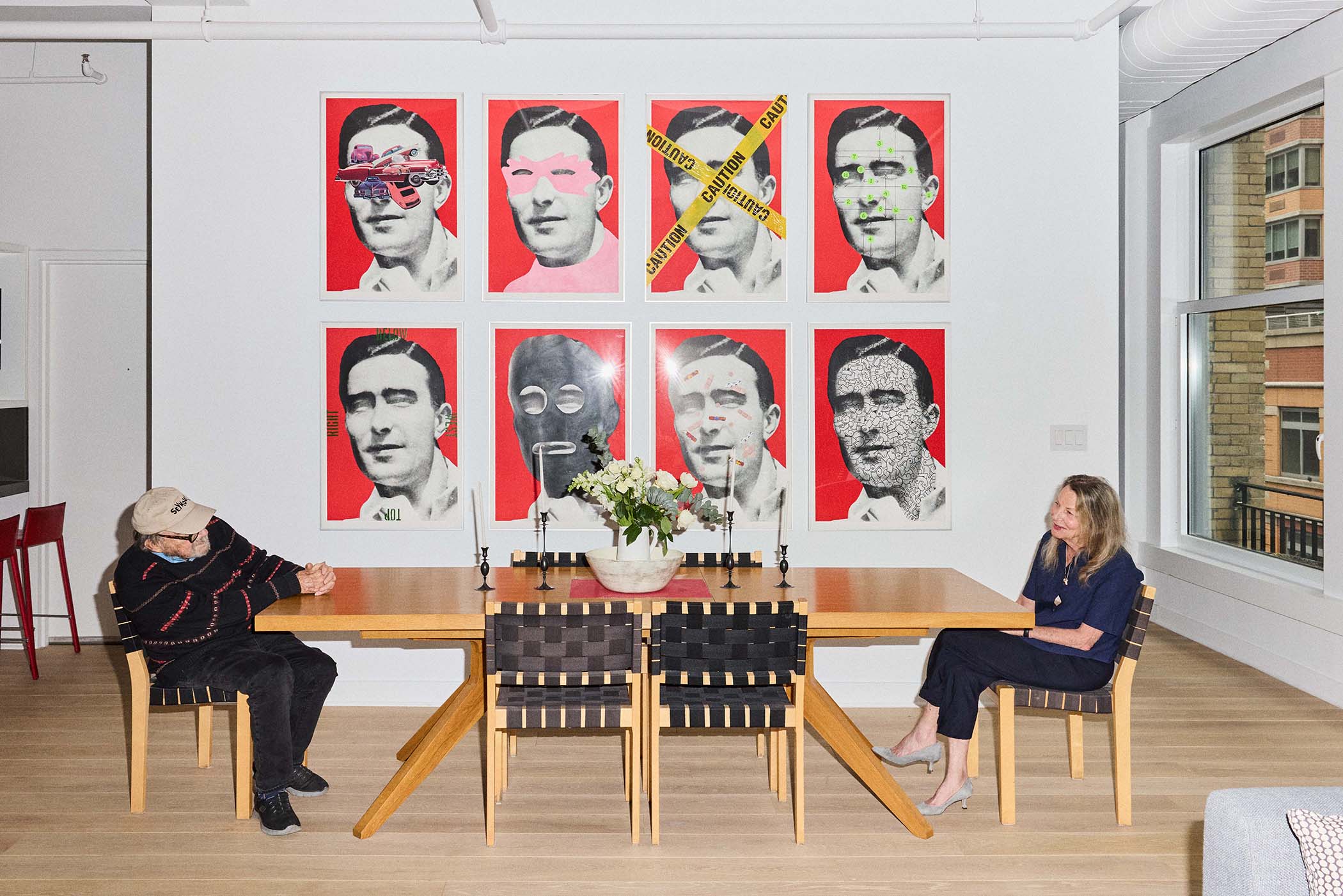
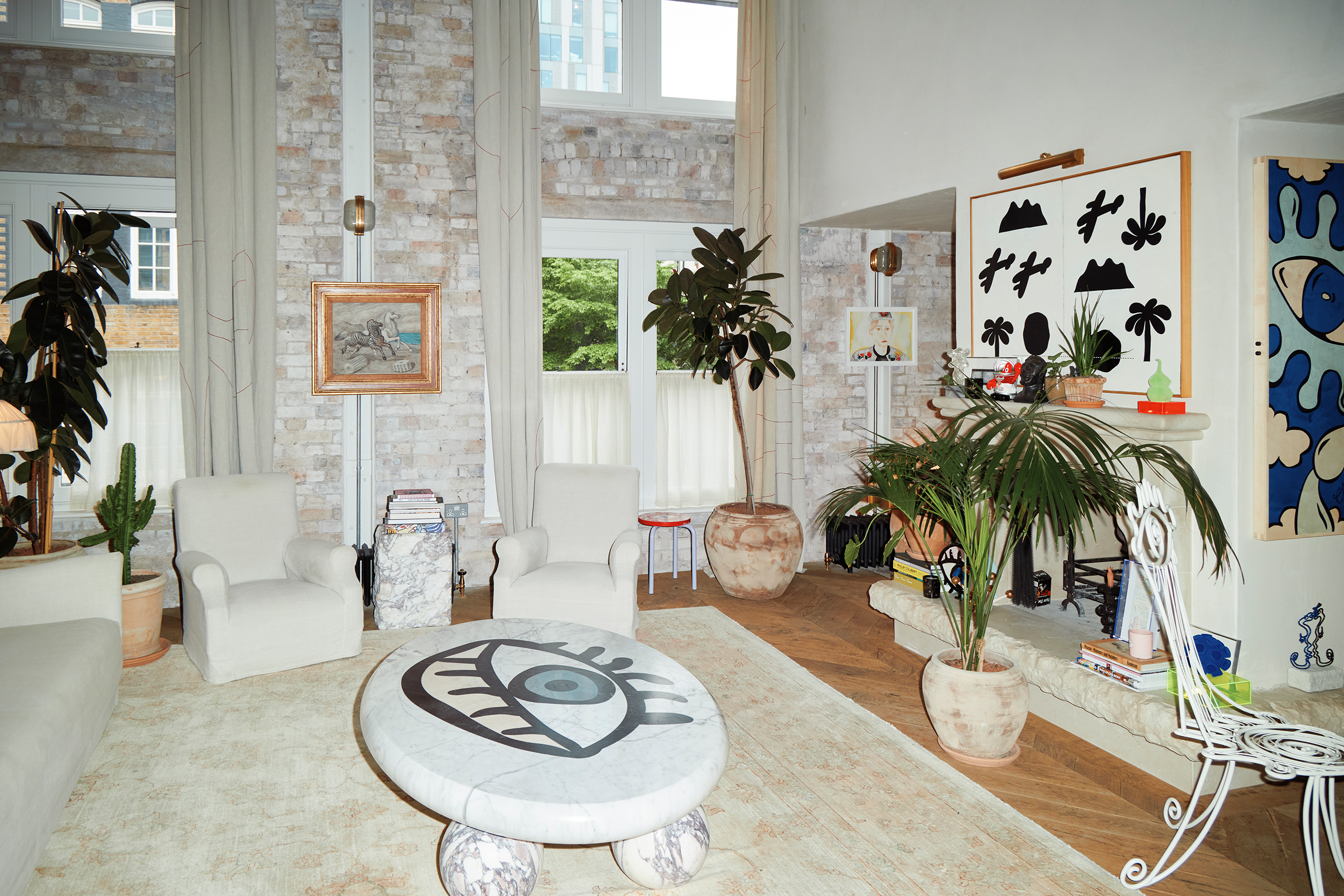
Few national sayings sound more uncomfortable than “Every Belgian is born with a brick in their stomach,” which might conjure thoughts of indigestion or existential dread, but instead is really about home. The idea is that the people of Belgium are hardwired to own, and preferably build, their own houses – the more individual the better.
This seems true enough along the road to the rural village of Elsegem, where the interior designer Julie Thiers lives: bricks and individuality are on constant display. During a recent vistit, green fields dotted with geometric churches stretched off to my right, while every house I passed seemed to encapsulate a different architectural vision, from revamped farm workers’ houses to newly built villas in a vaguely Spanish style. What unified it all was the presence of bricks, specifically small ones, laid with a forensic neatness: the Belgian way.
Thiers’s house at once fits in with all this and stands apart. A cascading arrangement of red-brick cuboids framed by flashes of wood and greenery, it’s unusual even by local standards. The impulse is to stop and mull it over, like a visual puzzle to be solved.
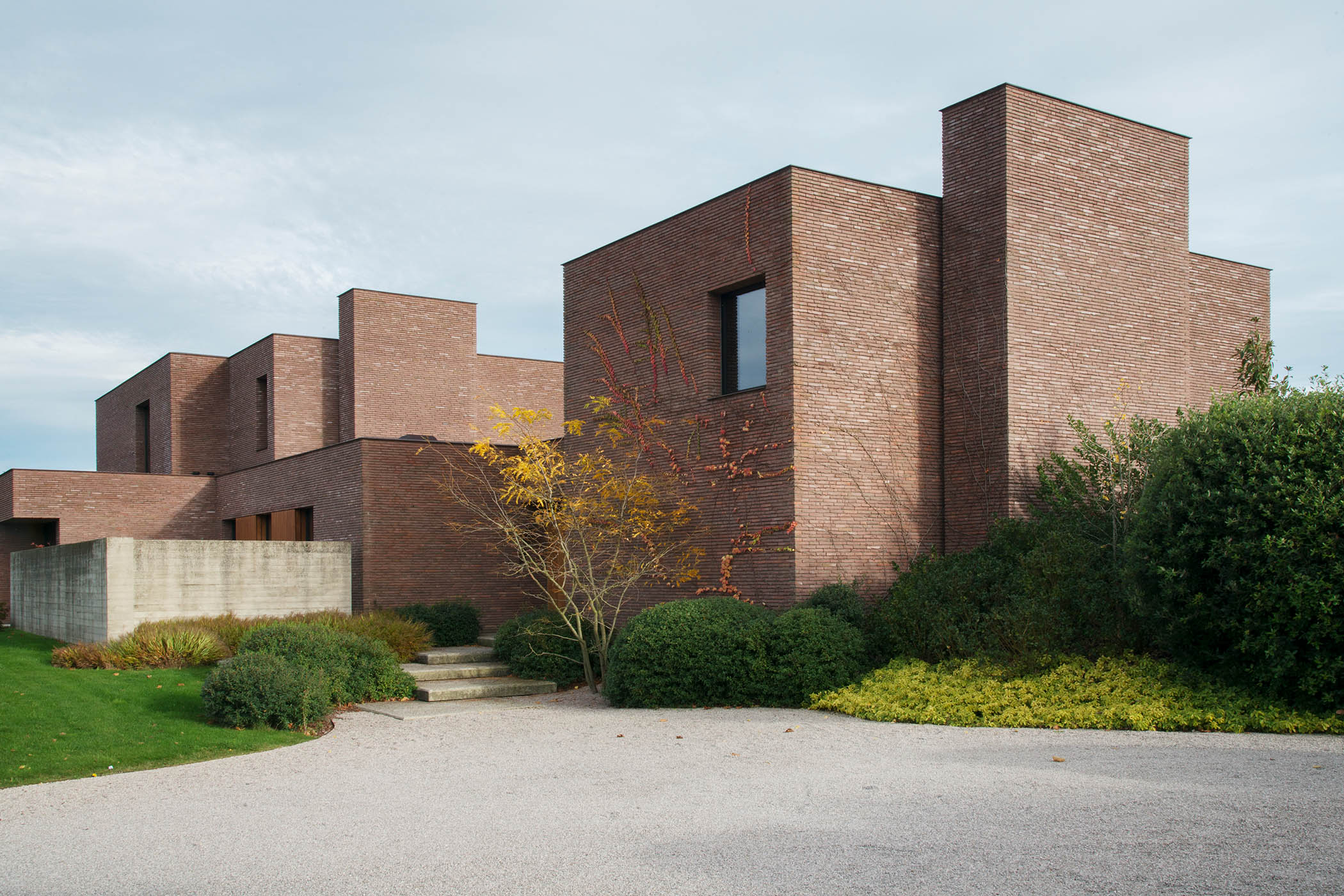
Out of the blocks: Julie Thiers’s house in rural Belgium is an arrangement of red-brick cuboids
The 43-year-old lives here with her husband and two children. They built the house in 2020. Working with the architect Pascal Bilquin, Thiers came at it as an interior designer, deciding on the requirements of the spaces inside and letting everything flow from there. “Architects often do it the other way around,” she told me. “They have ideas about how they want it to look, then make the interior. For me the logic was to think about how we wanted to live first.”
We were sitting at a wooden dining table from the studio of Brazilian designer Sergio Rodrigues. It’s in what I’d describe as the main living space, though during my visit Thiers kept revealing new rooms and even, at one point, a whole floor, whose existences were a complete surprise to me. Behind the table an orange, blue and yellow fabric painting by the Canadian artist Brent Wadden exudes warmth. Above the curving grey sofa nearby are 12 charcoal drawings by Cameron Platter. Her eye for such works informed the building’s embrace of right angles. “When I was younger, I lived on the upper level of a house where all the walls were at a slant. You couldn’t put posters anywhere,” she said. “I wanted to have a flat roof, because I like art.”
As in many beautiful houses, there is a tension here between looking and using. In a cosy location in the living room, by the floor-to-ceiling windows that fill the room with natural light, is a pristine day-bed by design duo BassamFellows. “I put it here more as an object just to look at,” Thiers said. “But my husband lay down here on Sunday to read the newspaper. It’s a bit of a pity because, as you can see…” She laughed, gesturing at the traces of his weight on its leather contours. “I was like, ‘David, what are you thinking?’”
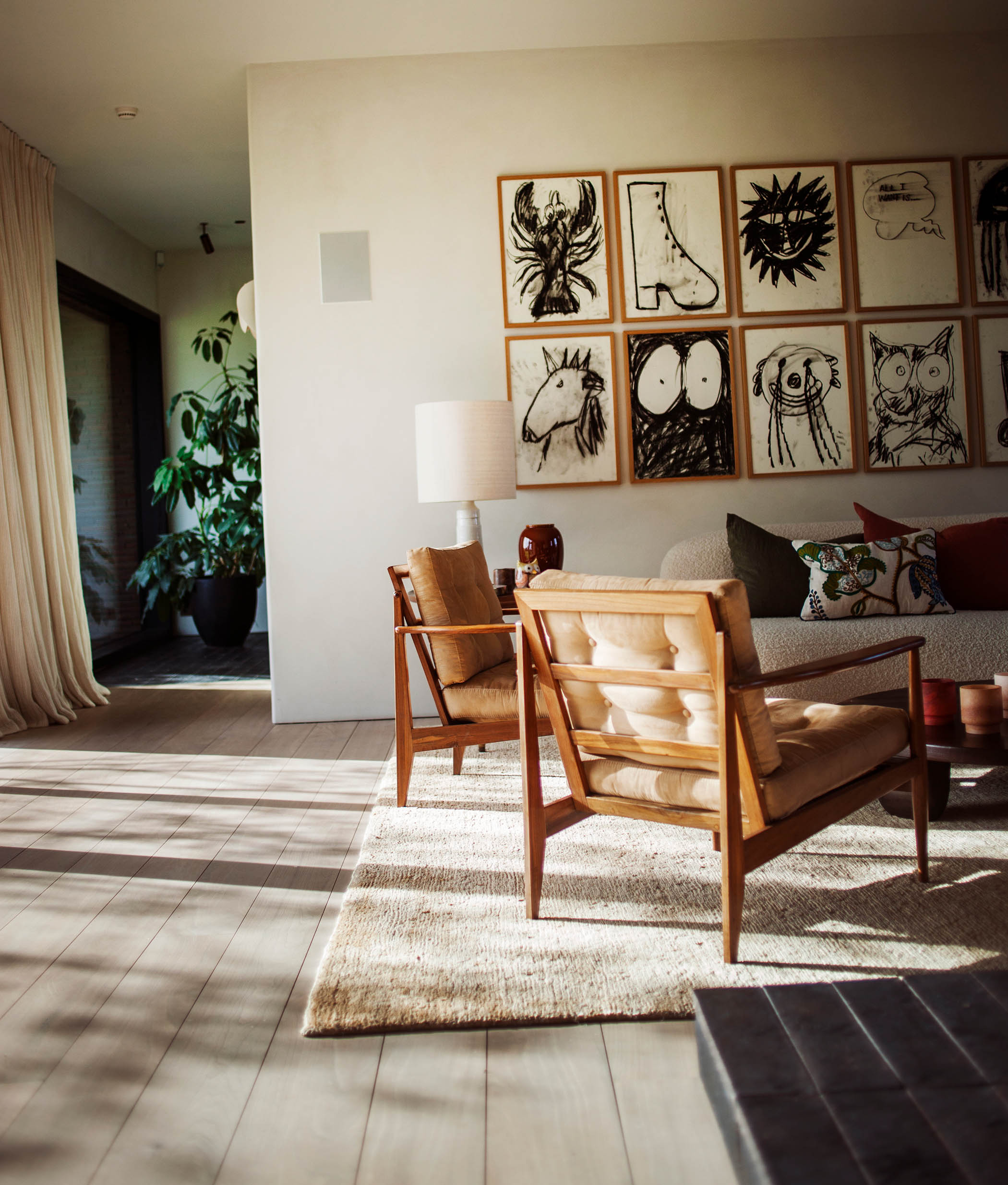
In the Belgian style: brushed-concrete floors in the living space, a cosy carpet and charcoal drawings by Cameron Platter
Still, as we walked between rooms, via corridors with brushed-concrete walls, it was clear she had found ways of navigating the tricky waters between aesthetics and liveability. Set-piece communal spaces, such as the snug and wholesome “grandmother’s kitchen”, are complemented by discreet functional areas: a laundry room, yes, but also an entire alternative entrance to the house separate from the one a visitor uses, which opens into an area with a more lived-in feel. My favourite was a TV room with a sofa that’s been elongated so the whole family can lie down in a row.
Thiers was born in the West Flemish city of Kortrijk, and “from around the age of 10, I wanted to be an interior designer,” she told me. After studying interior design at the Luca School of Arts in Brussels, she worked for other people’s firms, then set up her own, Atelier 10.8, in her early 30s.
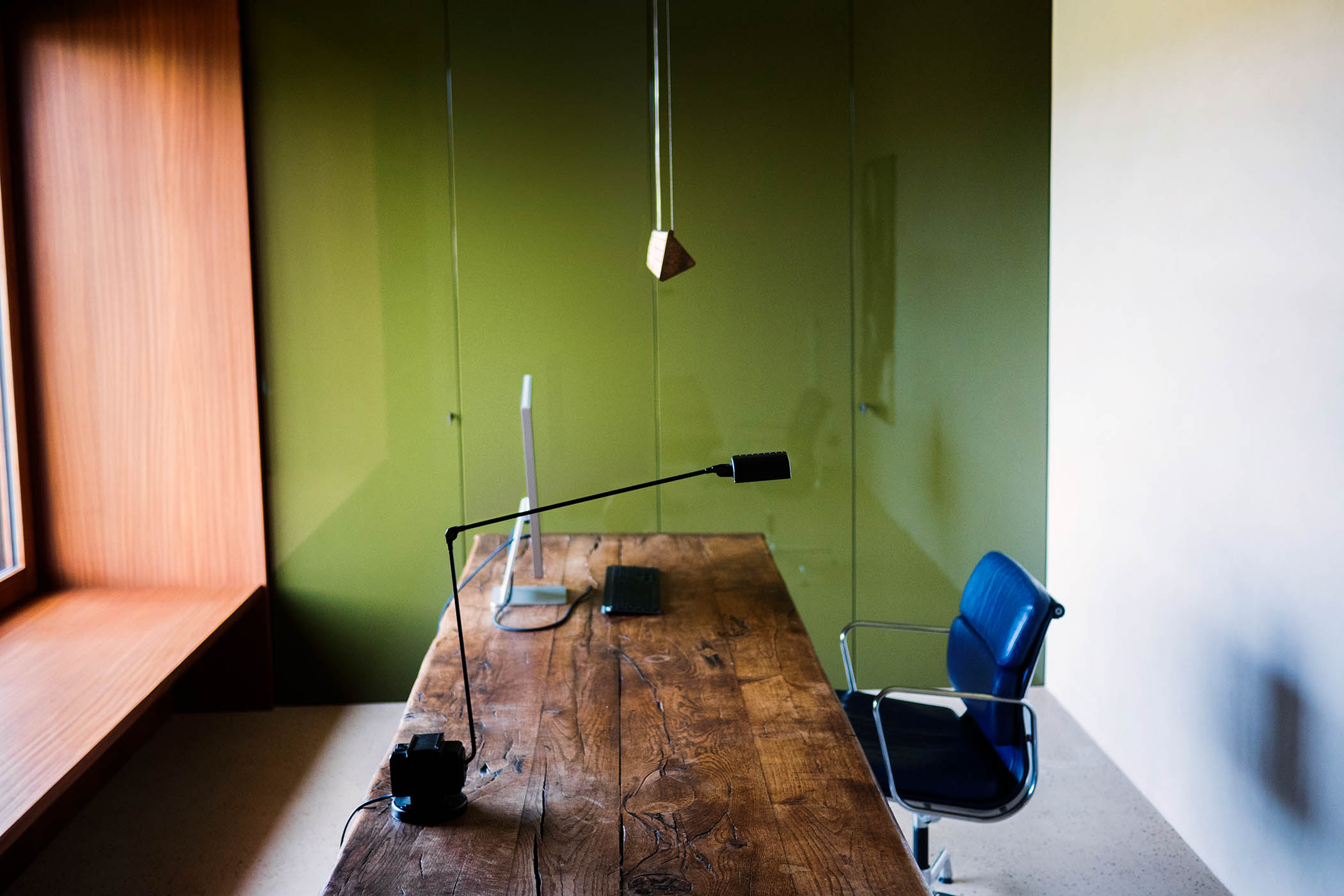
More recently, Thiers started a second company, Illus, born out of frustration at how tricky it was to source homeware that struck the right note between old-fashioned and industrial. “I thought, it’s not so difficult to make items that are simple and timeless, but also handmade and so have poetry,” she said. The brass-framed Illus mirror in Thiers’s own bathroom is a flagship in a product lineup also embracing handles, hooks, and even toilet brushes. She eventually sold her stake in Atelier 10.8 to focus on Illus, whose clients include Antwerp luxury hotel Botanic Sanctuary.
Everywhere you go in the house there are views of the garden centred around a fenced-off area in which four sheep are grazing. An old ram with a long black beard stared at us as we did a circuit past cherry, apple and plum trees, a pond and a corner that Thiers calls her “English garden”. The sheep are loved for their own sake, she said, but there’s also a local condition that parts of the land must have some agricultural use.
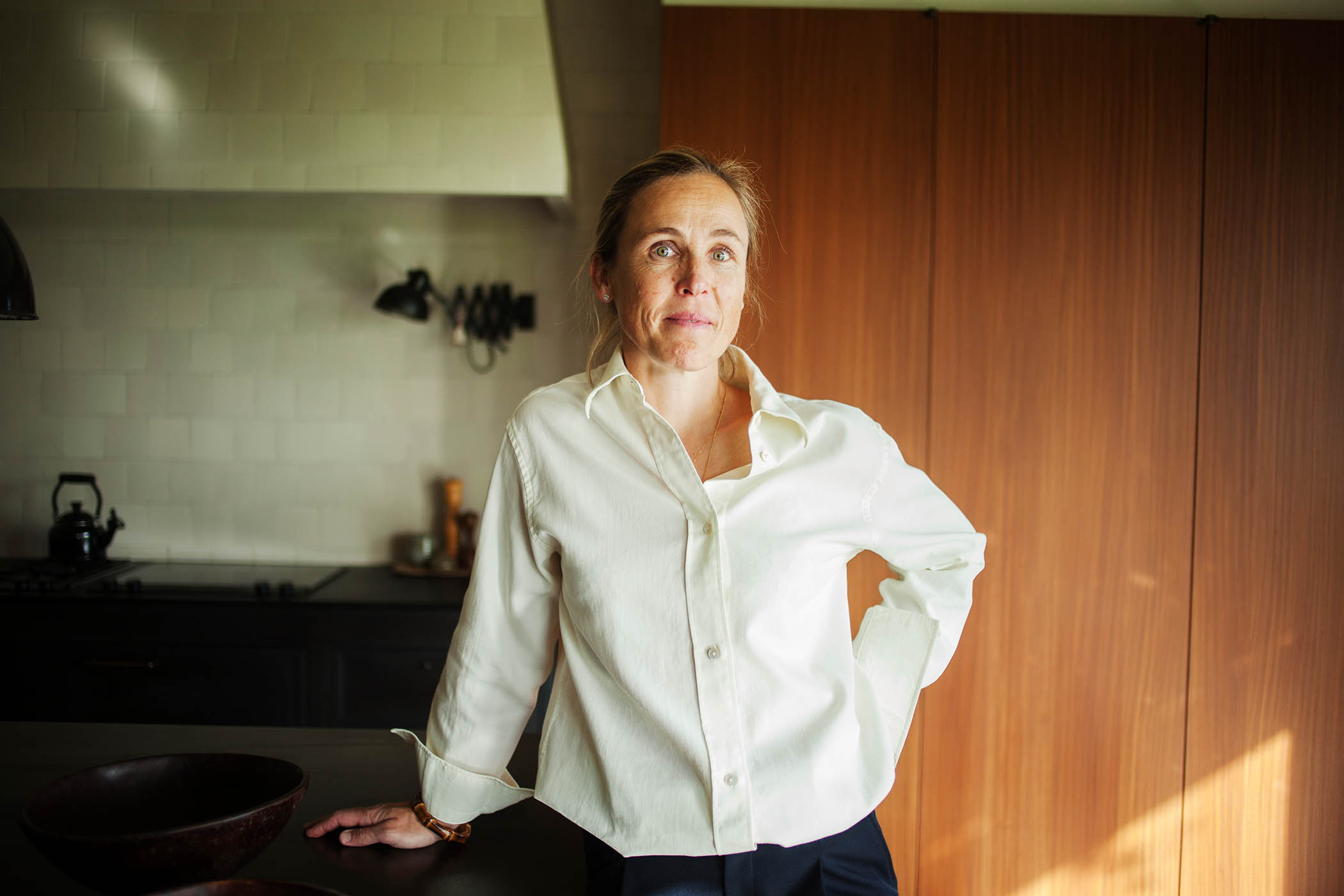
‘In my childhood home, all the walls were at a slant. Photographs Michael Thomas Jones I couldn’t put posters up anywhere’
Guest room aside, the children have the upper level pretty much to themselves (their floor includes an impressive display of Lego Technics and a vitrine filled with rocks and shells). The master bedroom, on the ground floor, offers in-bed views of the surrounding landscape, with Elsegem’s chapel glinting white on the other side of a field.
The house is designed for the future, to adapt as time passes. A storage room by the kitchen could in theory be converted into a lift, “if something happens and I can’t use the stairs any more,” Thiers said. “When I was designing it, I had in mind that this would be my home for the rest of my life.”
Newsletters
Choose the newsletters you want to receive
View more
For information about how The Observer protects your data, read our Privacy Policy