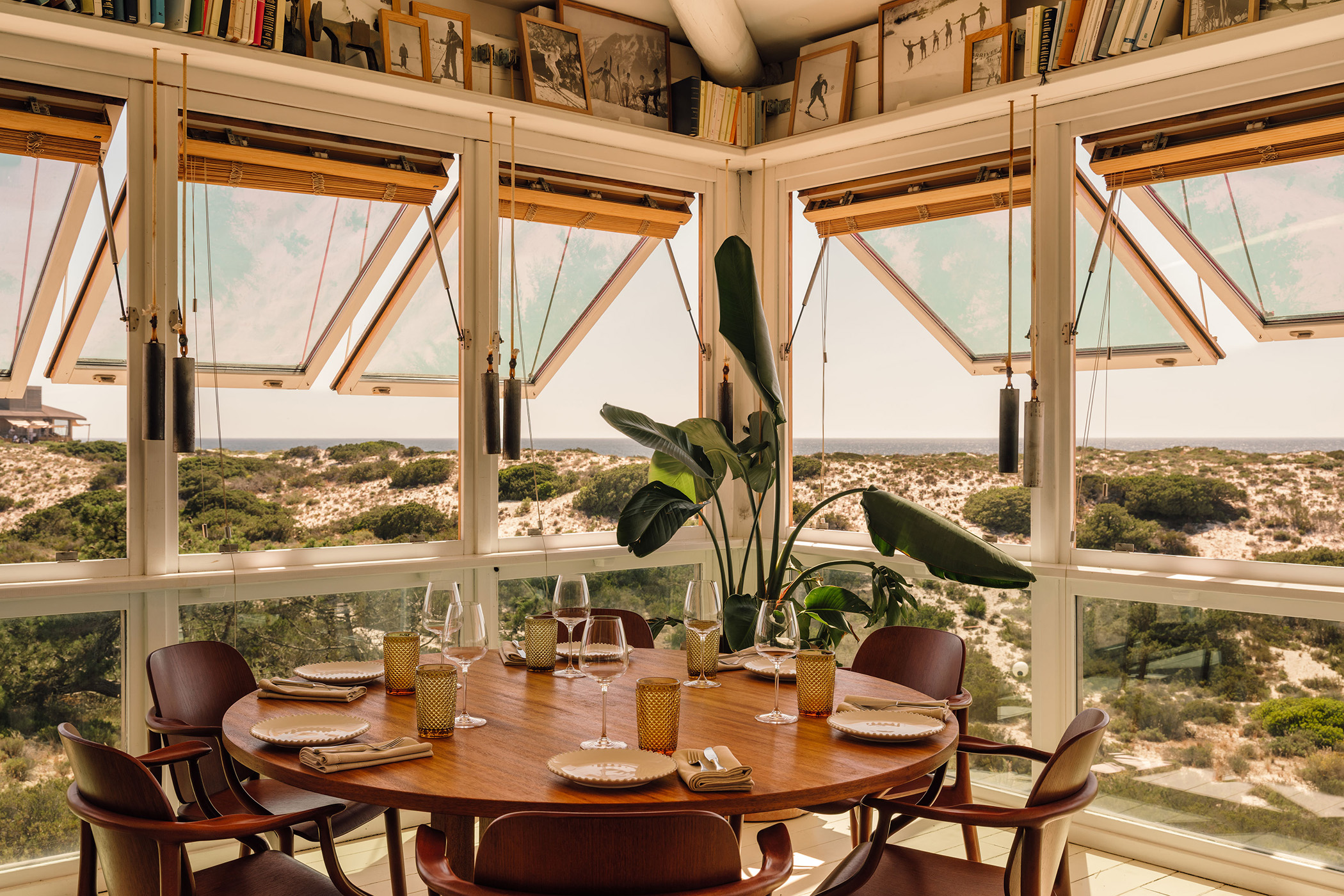

Rice tastes better in Comporta. The local arroz Carolino, cooked in clay pots and served al dente, is comfortingly simple, earthy and subtly sweet. Comporta translates as “a gate that holds back water”, a nod to the miles of striped rice paddies sheltered from the wind by sand dunes. In spring, the fields swell with water, fed by a zigzag of irrigation canals, and the wetlands fill with the sound of frogs, while flamingoes and storks are drawn from the Sado Estuary further north. Just look up and the latter can be spotted on top of sturdy nesting platforms constructed to protect the powerlines, or circling the traditional thatched cabanas that dot the dusty roads. Beyond the paddies, pine trees and cork oaks fill the landscape, and on still evenings the scent of sap hangs in the air. Just an hour south of Lisbon, Comporta is often mistaken for the single village of the same name. But when people talk about Comporta, they are referring to the wider region: the Herdade da Comporta, a stretch of Atlantic coast with one of Europe’s longest uninterrupted sandy beaches, and a sprawling cluster of villages set back from the shore. The reason the area still feels so untouched lies in this geography and its unusual history. Until 2014, the entire region was owned by the Espírito Santo banking dynasty, whose tight control over development helped preserve the coastal enclave as a destination known mostly through word of mouth and weekends at friends’ houses. Since then, only a handful of hotels have opened, including the wood-panelled huts and swimming ponds at Sublime, followed by Quinta da Comporta, with bedrooms in former grain stores overlooking the paddies – recently sold to Parisian cocktail enthusiasts Experimental.
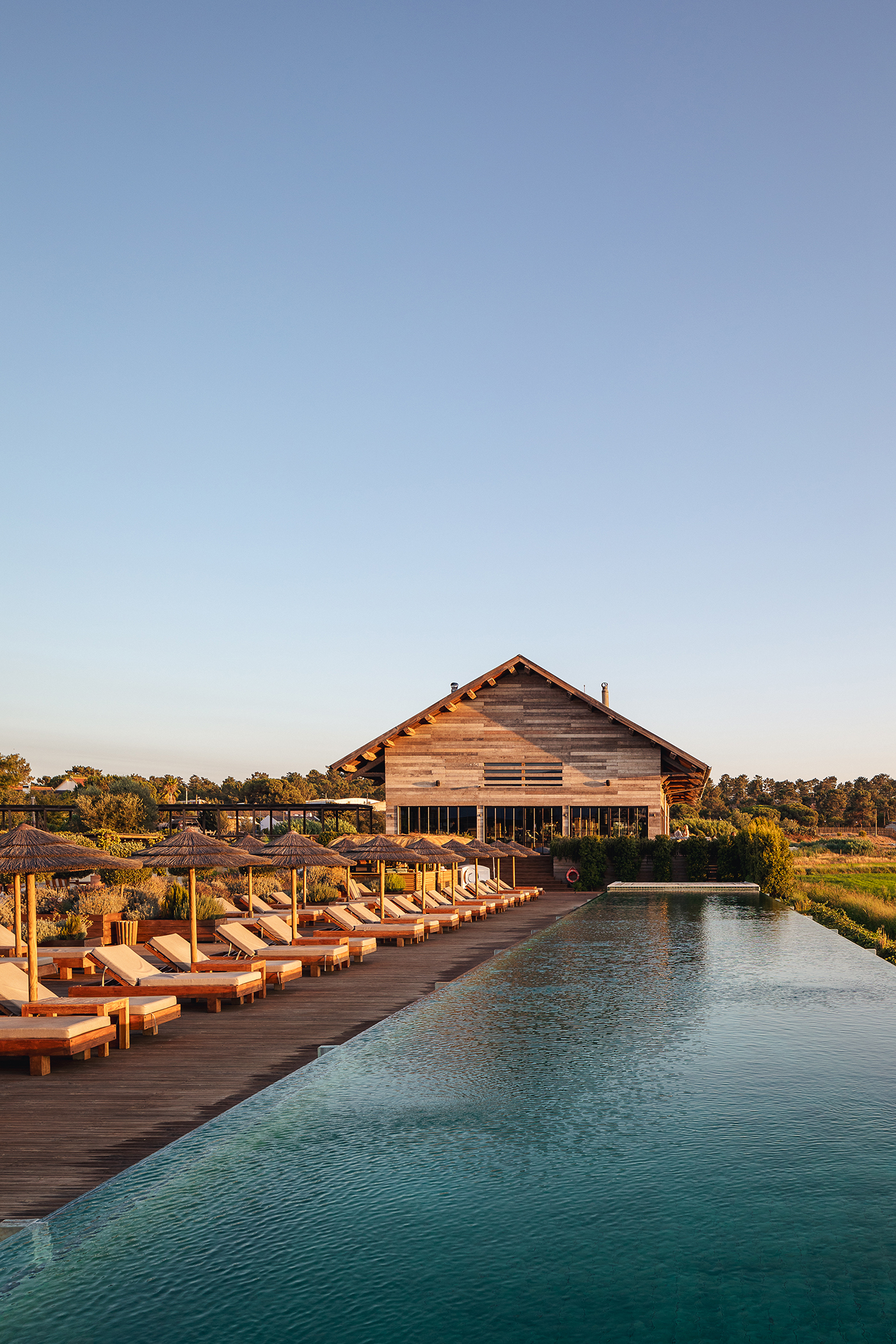
Quinta da Comporta’s scenic infinity pool
Despite the broad sweep of golden sand that even on busy summer weekends is rarely crowded, development has remained relatively slow. “What you see now is never going to change,” says JNcQUOI founder Miguel Guedes de Sousa, who owns four restaurants in Lisbon. His wife Paula Amorim, whose family are the world’s leading wine cork producer, is one of the region’s new stakeholders. Together, the couple have big plans, but credit the area’s appeal to decades of protection. “Parts of the south of Portugal have been destroyed and that is never going to happen here. You can’t build anything within 650m of the beach. So, the sand, the dunes and the pine forests, they’re forever.”
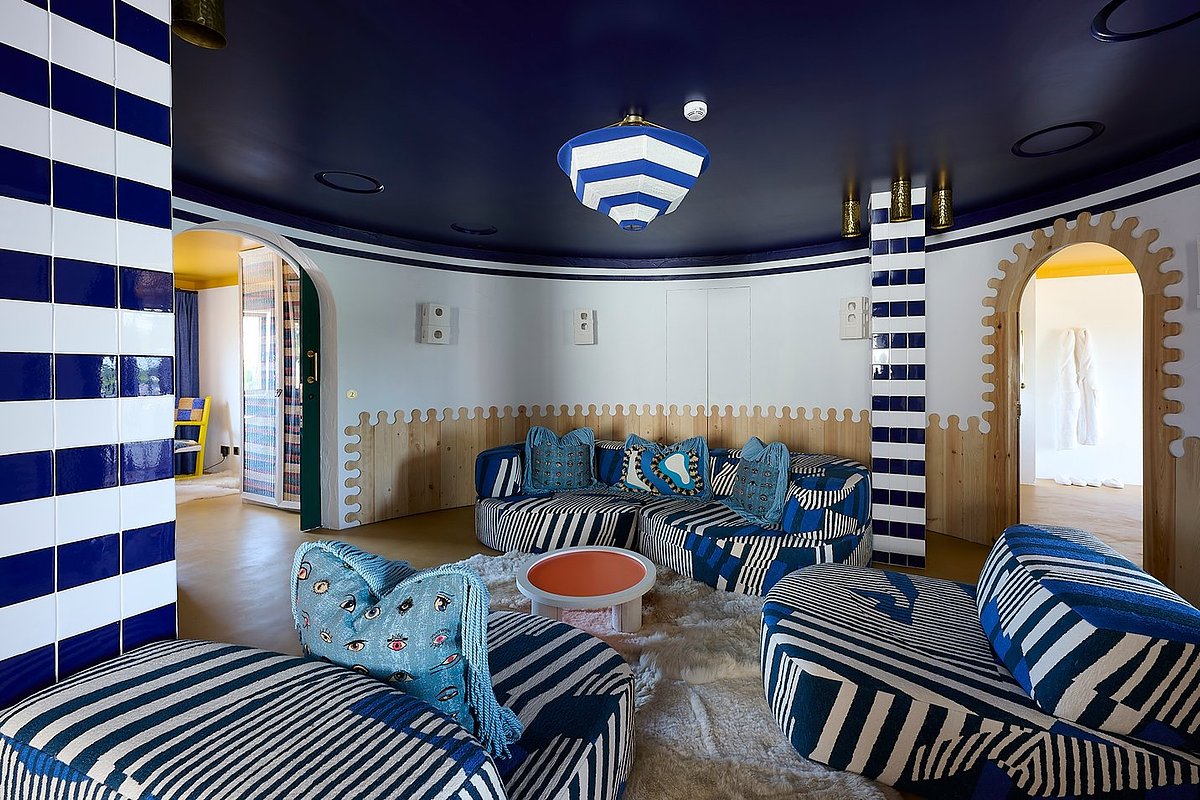
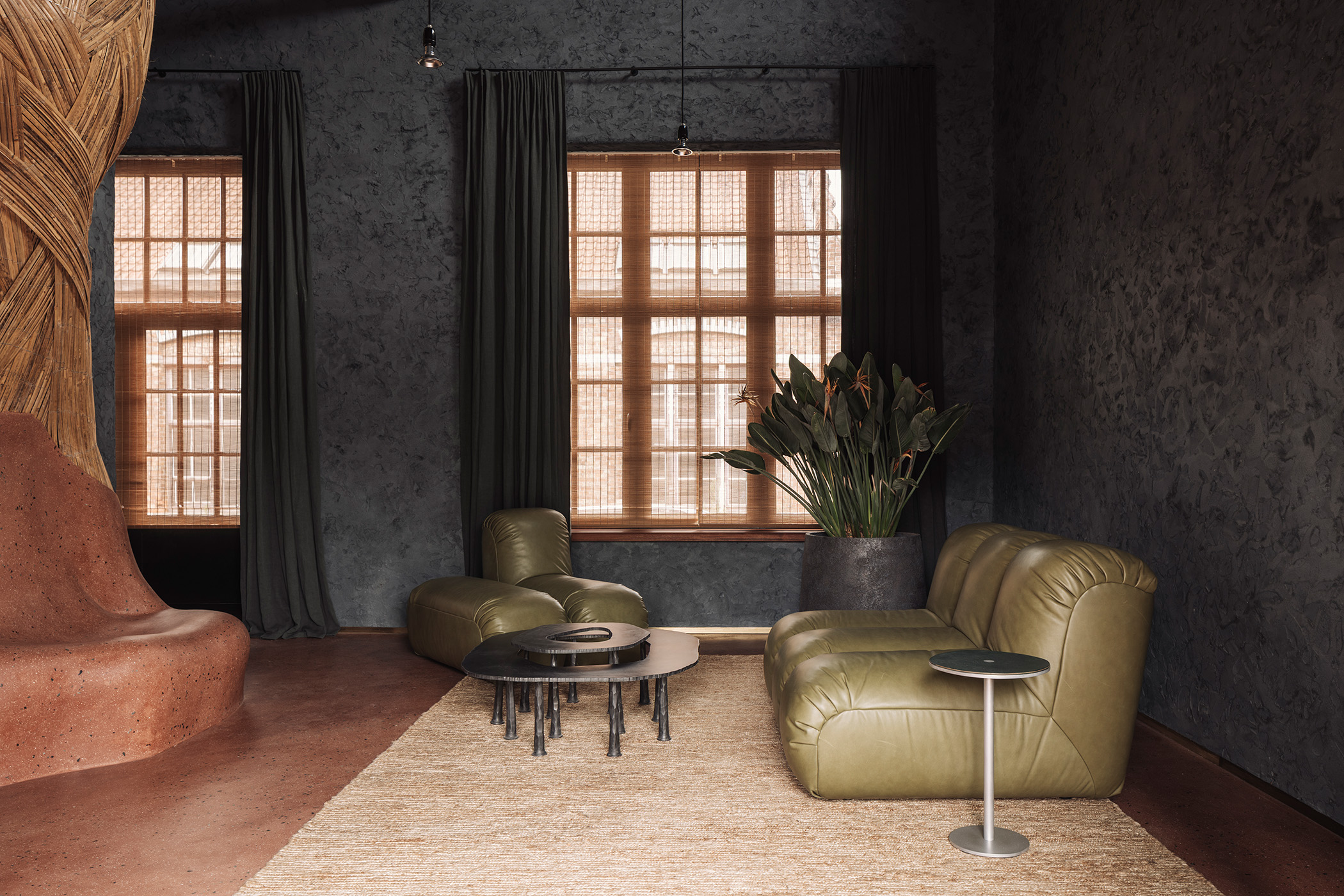
At JNcQUOI Comporta, opening 2028, the Deli Suite features modular blue sofas and traditional tiling
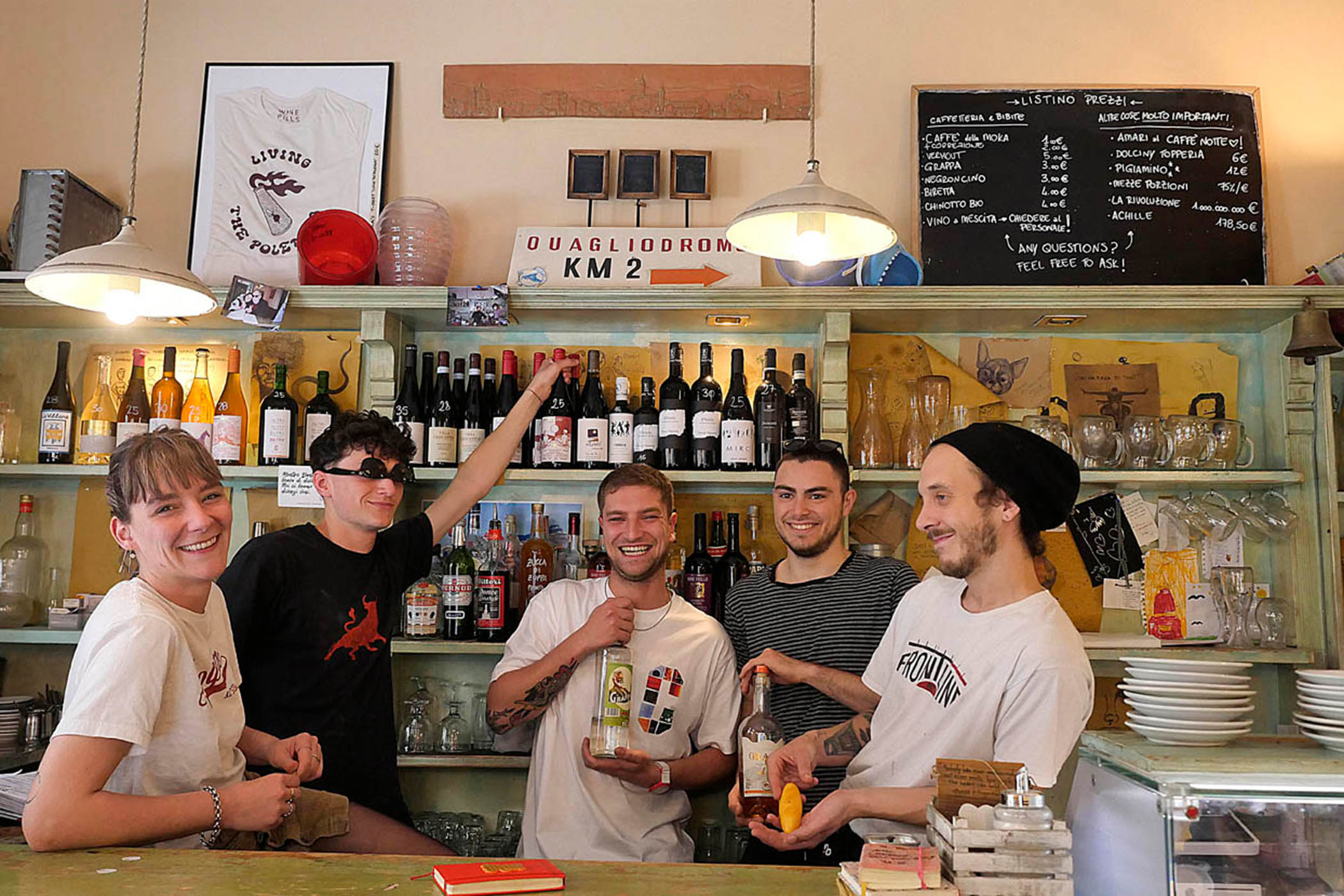
In Carvalhal village, where local children still gather in the rainbow-striped playground after school, is Guedes de Sousa’s colour-splash interpretation of the wider Alentejo region’s traditional tasca. His grandfather was one of the founders of the Lisbon Ritz – “I grew up there. It is part of my DNA” – and he has created his own hospitality group, rooted in Portugal. A horseshoe-shaped bar is hung with patchwork curtains made by a social enterprise empowering older women via arts and fashion. Surplus Viúva Lamego tiles give the floor its stripes and the shelves are lined with vases handpainted with faces of local heroes – from the mayor to a fisherman – by Portuguese illustrator Susa Monteiro. This is where young Lisboeta families and Parisian gallerists feast on thin strips of beef carpaccio topped with a fried egg and shoestring chips. And rice too, of course – seasoned with teriyaki and pork, topped with enormous tiger prawns.
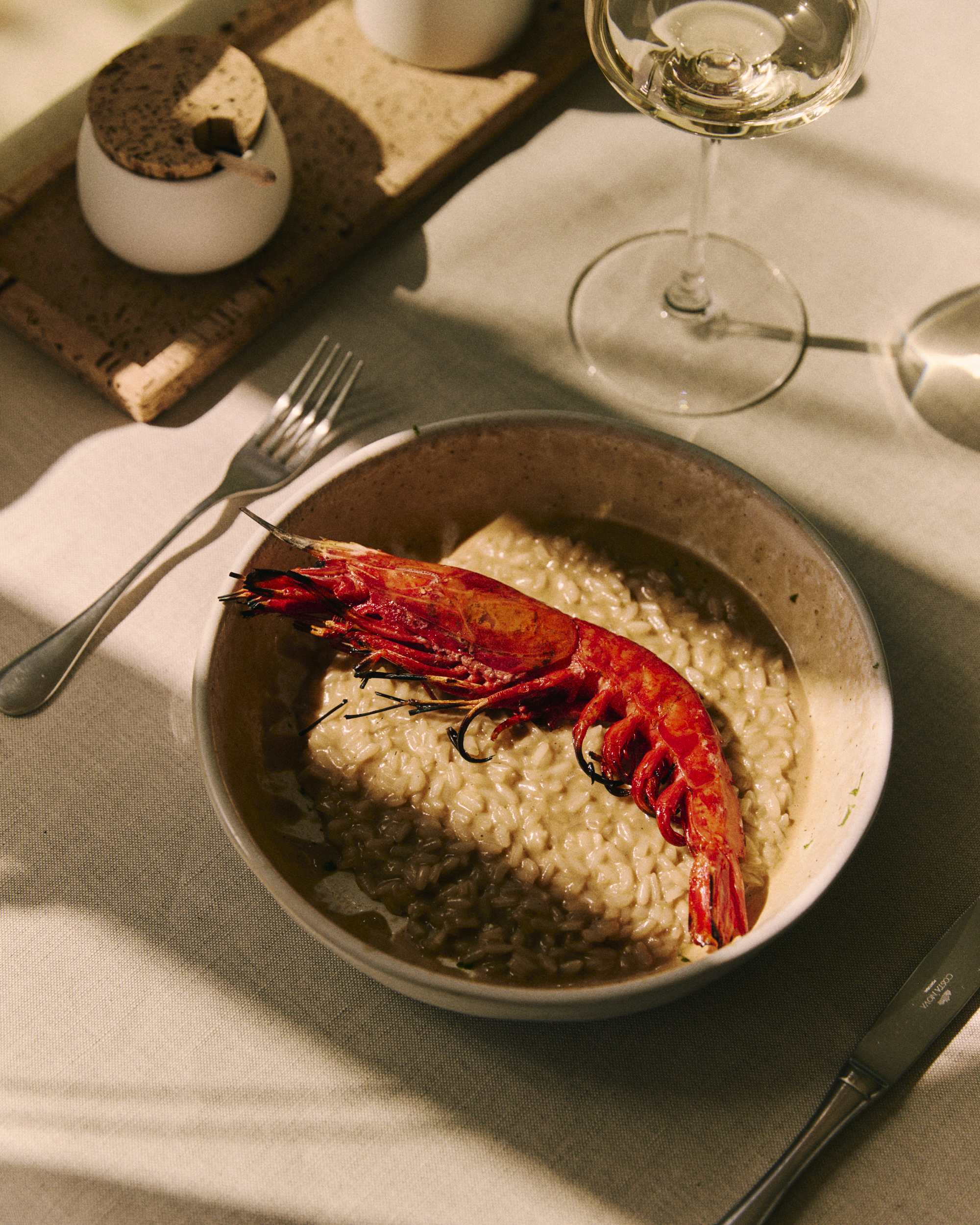
Cashew rice with carabinero prawns at at Elemento Atlântico
Upstairs, the two-bedroom apartment is also layered with colour – striped, textured fabric, a jigsaw-style wood frieze and a blue-and-white chequerboard bed. At breakfast, just-baked bread rolls are served inside mini versions of the region’s handmade woven reed bags. Planned for 2028 is the opening of a much bigger JNcQUOI hotel hidden in the pine-covered hills outside Carvalhal. From the highest points, the sea appears only as a thin band of blue beyond the trees. Designed by Belgian architect Vincent van Duysen, who has a home in nearby Melides, the blasted cement and terracotta bedrooms are being built with living roofs and will have direct access to Pego beach where holidaymakers from Lisbon pitch chic tasselled umbrellas in the golden sand. And JNcQUOI beach club serves huge pans of rice with tomatoes and clams. Next door, at Elemento Atlântico, Brazilian chef Manu Buffara whips up creamy cashew rice with carabinero prawns.
Further west on Carvalhal Beach is another beachside stalwart, Sal, with its coriander-laced grains served with the day’s fresh catch. Its little sibling burger bar rubs shoulders on Carvalhal’s main drag with a few more telltale signs of the area’s recent evolution. A vintage store, Binz, with a butter yellow Chanel jacket in the window is run by Valerie Azria who worked at Celine for many years. The newsagent is Monocle-branded. A few doors down is Parisian interior designer Jacques Grange’s gallery, Stork Club.
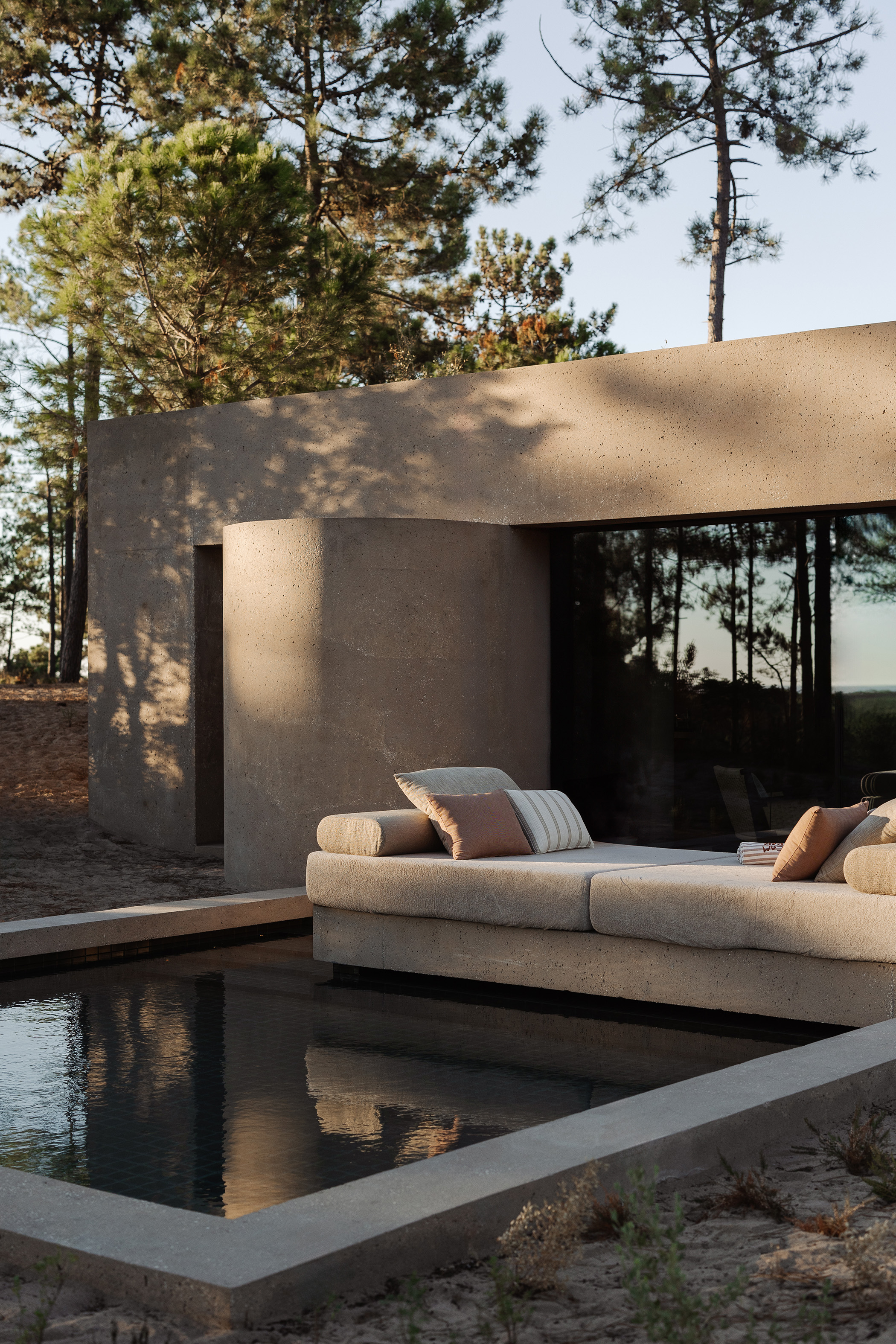
JNcQUOI Comporta
“The mix of people who come here is what makes it – yes there are artists, filmstars and writers – but also families who have visited for generations. Any nightlife still happens in people’s houses.” says Helena Lunardelli who runs Brazilian-meets-Portuguese concept store Caju on the same stretch. “There’s a really generous spirit” she says, referencing stars including Cristiano Ronaldo, Madonna and Harry Styles who have all been spotted here in recent years. “They come wearing sunglasses and hats and no one looks up from their coffee. It’s just not a paparazzi place.”
Guedes de Sousa is planning a new café and general store in the village, too. “The idea is to keep the locals here,” he says. “I don’t want it to become a ghost town – winter is actually when Comporta is at its best.” Guedes de Sousa is not the only one with grand plans for the region – Na Praia, a new hotel from the team behind Alentejo retreat, São Lourenço do Barrocal, is due to open in 2027, and a Six Senses the following year. But with the landscape still protected and defined by nature, storks continue to outnumber beach clubs, and rice farmers and fishermen determine what’s on the menu.
Photographs by Francisco Nogueira, Bernardo Lúcio, and Henrique Isidoro
Newsletters
Choose the newsletters you want to receive
View more
For information about how The Observer protects your data, read our Privacy Policy