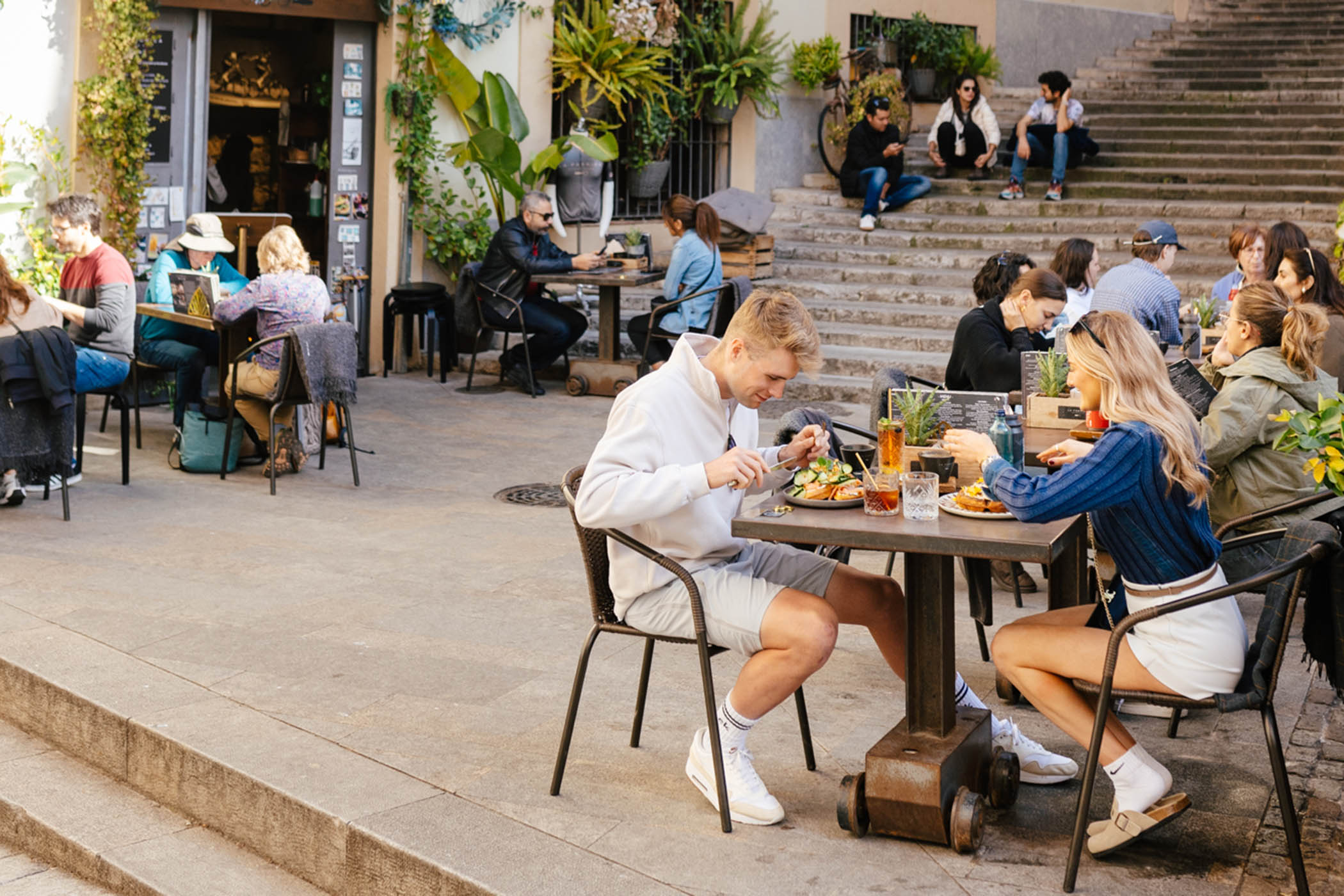

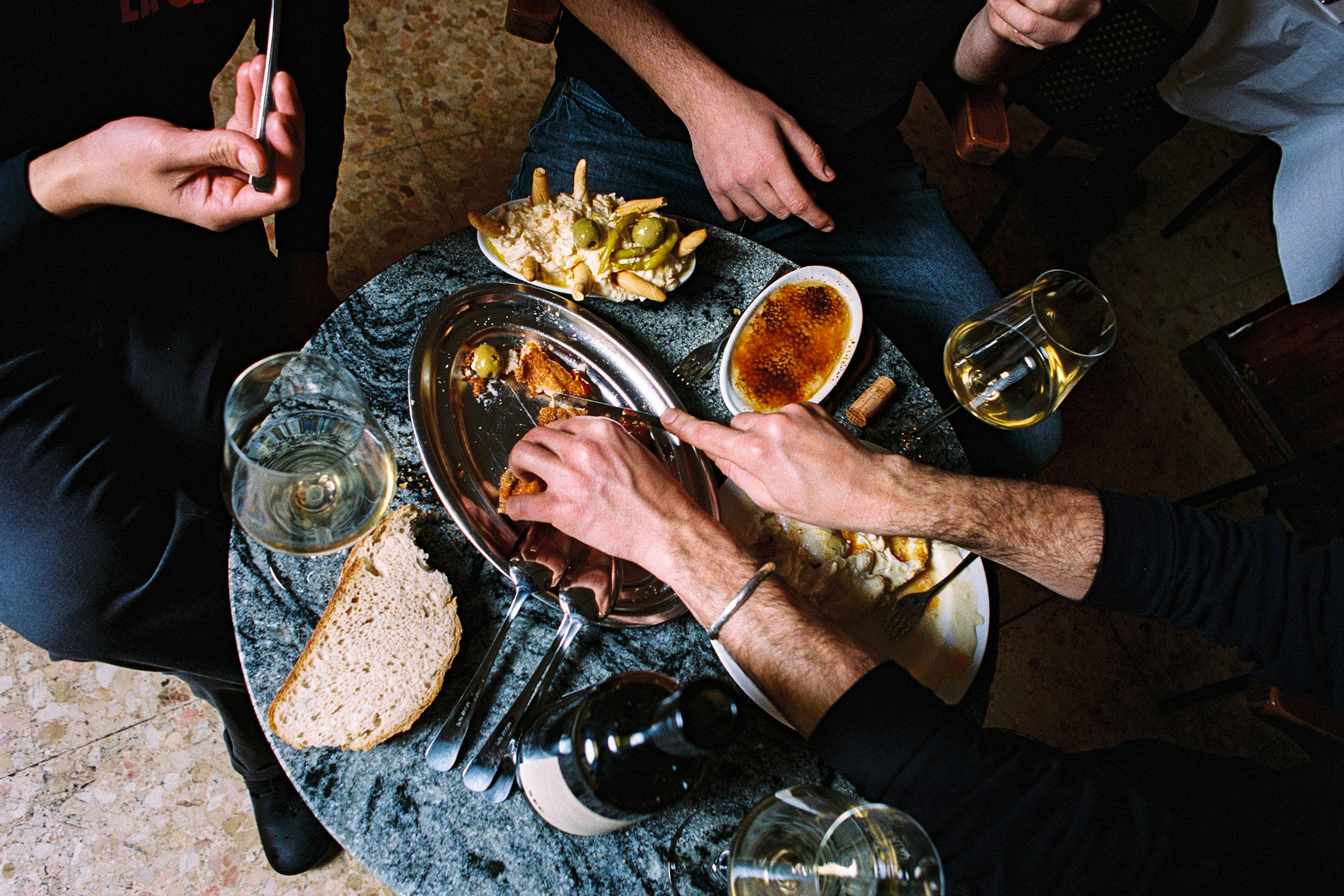
Girona’s game-changing fine-dining story began in 1986 when the Roca brothers, Joan, Josep and Jordi, founded El Celler de Can Roca. Successful doesn’t quite cover it: the three Michelin-starred set-up was voted the top restaurant in the world in 2013 and 2015, before being enshrined in the Best of the Best, a list of 11 restaurants so good they can never be named number one again. Today, people still travel from all over the world to check out the award-winning kitchen in one of the city’s most unassuming suburbs. However, a handful of new openings is shifting the spotlight away from white tablecloths on to dressed-down bars, focused but honest and to the point. Countercultural, lo-fi and innovative, these days Girona feels a bit like Barcelona did 15 years ago.
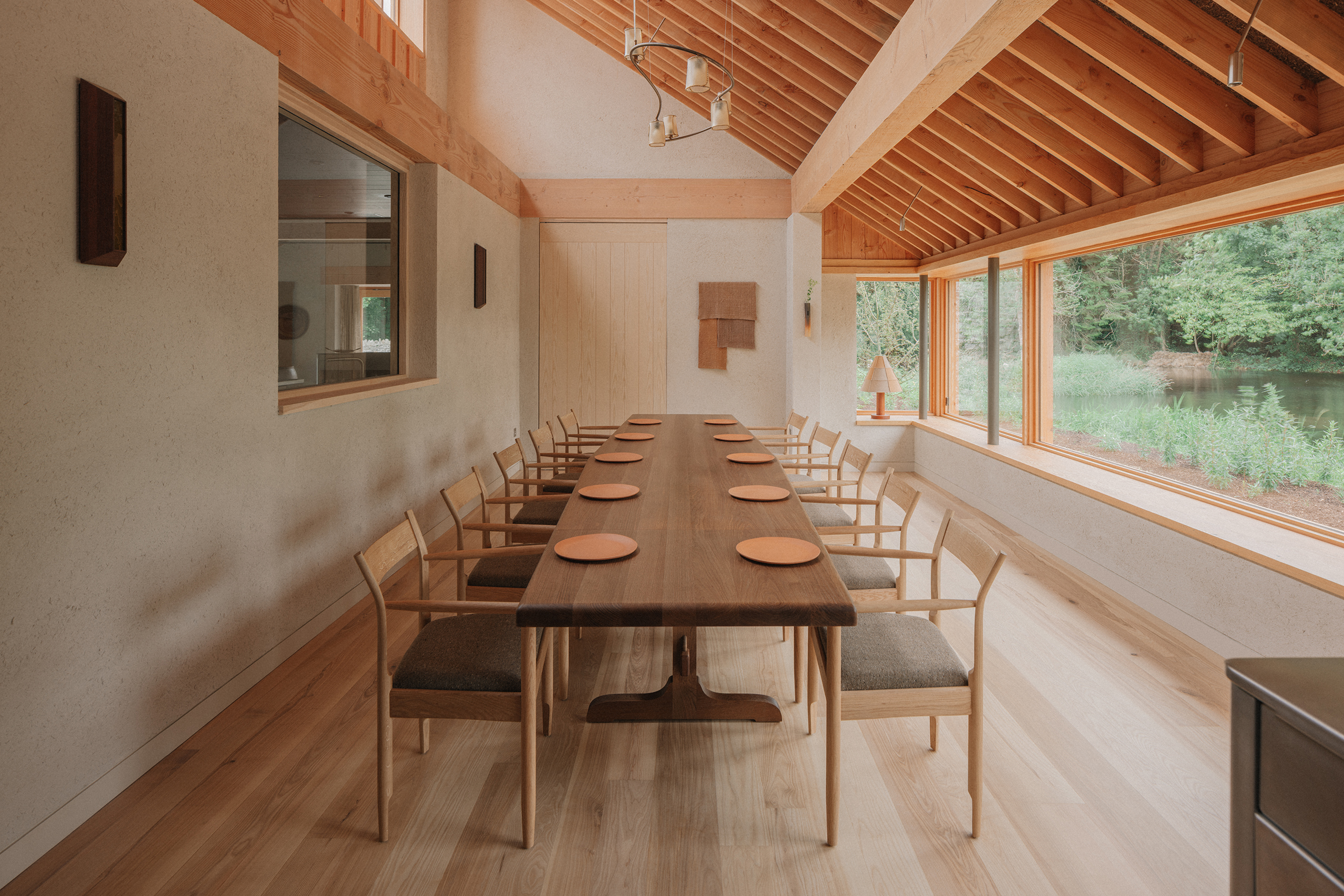
It’s hard to pinpoint exactly when the tides changed, but when the Catalan Roca family launched Restaurant Normal in 2021 it felt like a reflection of the city’s mood – one that was loosening up and looking to the local community after a strict and isolating lockdown. Set in a 17th-century building in the old town, plate presentation is still spotless, but tabletops are created from upcycled wine bottle terrazzo and unfussy wooden chairs made by local artisans. The food is more traditional than the brothers’ intense 30-plus-course tasting menus, serving dishes such as crispy croquetas with jamón ibérico and a creamy béchamel made with organic sheep’s milk from Peralada Mas Marcè, a sixth-generation farm nearby. While everyone entering El Celler de Can Roca is suited and booted, Restaurant Normal is filled with crumpled linen shirts.
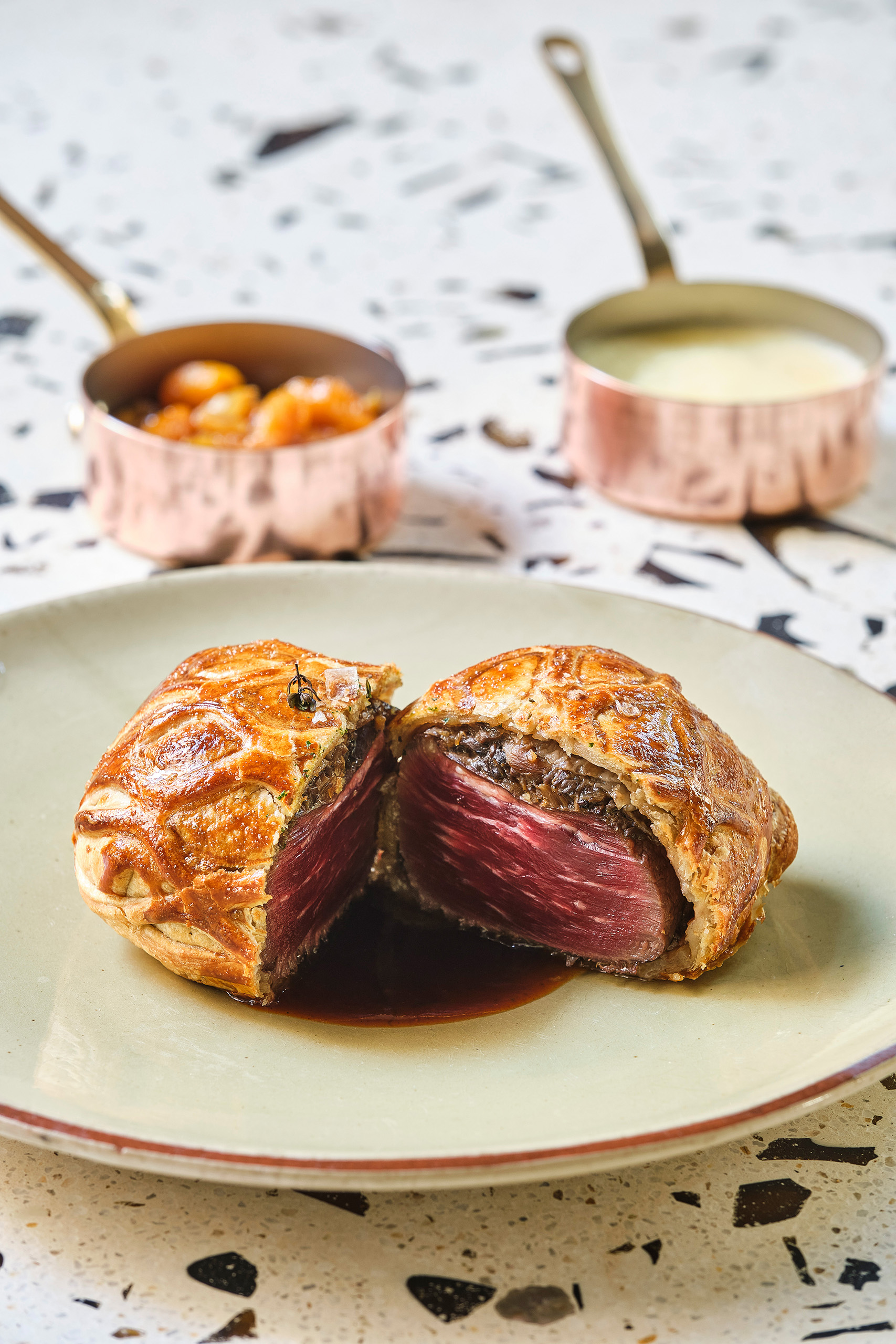
Dry-age Wellington at Restaurant Normal
A flurry of new restaurants followed, and word spread. Over in Barcelona, Marietta Richter and Víctor Martín, both 34, had spent years working in innovative spots, such as Bar Brutal and Berbena, but they grew tired of the oversaturated restaurant scene. And hearing whispers of a new crew of chefs and sommeliers moving to Girona with a more down-to-earth offering, they wanted to get involved. “We thought it would be more interesting, a bit more chingón [badass], to open something here,” says Richter, who wears Crocs and a Congolese-print apron made by her mother in Kenya.
Richter and Martín opened their first restaurant on a cobbled square in Girona’s old town in 2023, and it looked nothing like the tapas bars and dainty townhouses nearby. Safo – Mexican for shotgun (as in shotgun front seat) – is written graffiti-style across the windows. Inside, the vibe is utilitarian: cardboard boxes of pét nat stacked under the window, sacks of flour by the door and Shaker-style wooden tables and chairs. The dining room gets a splash of colour due to a floor-to-ceiling painting of fruit, vegetables and wine bottles by Barcelona-based artist Michael Swaney. The whole place is wonky, but the door is always swinging open to young families with chatty toddlers and cheerful friends who spontaneously dance to a playlist that could have been compiled by Gilles Peterson.
Martín works front of house while Richter heads up the kitchen. Her menu is a happy hybrid of cooking styles, from modern French to Mexican street food, inspired by her spell living in Mexico City. Whether it’s home-cured mackerel with a smoky sauce made from peppers charred over open coals, or a buckwheat galette with confit duck topped with zippy red onion and fennel, plates are simple and impromptu – a reaction to whatever has come in from the market that day. And that’s not to say that the cooking isn’t sophisticated: Richter’s sourdough stands up to the hottest Chamberí bakery, and locals arrive early to snag her chocolate ganache with electric-green olive oil and breadcrumbs.
![‘We thought it would be more interesting, a bit more chingón [badass], to open something here’: Marietta Richter and Víctor Martín of Safo Bar](https://cdn.slowdownwiseup.co.uk/media/original_images/91931.jpeg)
‘We thought it would be more interesting, a bit more chingón [badass], to open something here’: Marietta Richter and Víctor Martín of Safo Bar
Newer to the city’s scene (and already pals with the Safo team) is Murmur. The six-table hangout with a long stainless-steel bar where friends perch to chatter and share bottles, opened in August 2025. The label “natural wine” isn’t really used here. The preferred term is vins vibrants, written on Murmur’s floor-to-ceiling glass door. “They’re wines I would drink,” explains Jordi Rigau, 32, who returned to his home city after working at Casa Lhasa, a natural wine bar in Ibiza, to open Murmur with his partner, Marie-Julie Garcia Soto.
Growing up with the Roca family dominating the city’s story, Rigau wanted to create an alternative. For him, wine shouldn’t be elitist, it should be fun, affordable and informative. “We’re leaning towards smaller, friendlier spaces, without much infrastructure,” he says. The result is community-driven hubs and a dynamic menu that supports local farmers.
Rigau’s must-try is Còsmic, a leader in biodynamic winemaking just an hour’s drive away. Owner Salvador Batlle Barrabeig takes holistic farming to a new level, treating his vines to energy cleansing and sound baths. He makes extraordinary expressions of rare grape varieties, such as Cariñena Blanca, a native crop that Barrabeig says had nearly become extinct. Rigau’s favourite, a glass of Còsmic’s Destí, blends this lesser-used grape with the more established muscatel variety, Muscat de Alexandria, to make an amber-coloured wine that tastes like apricots and jasmine.
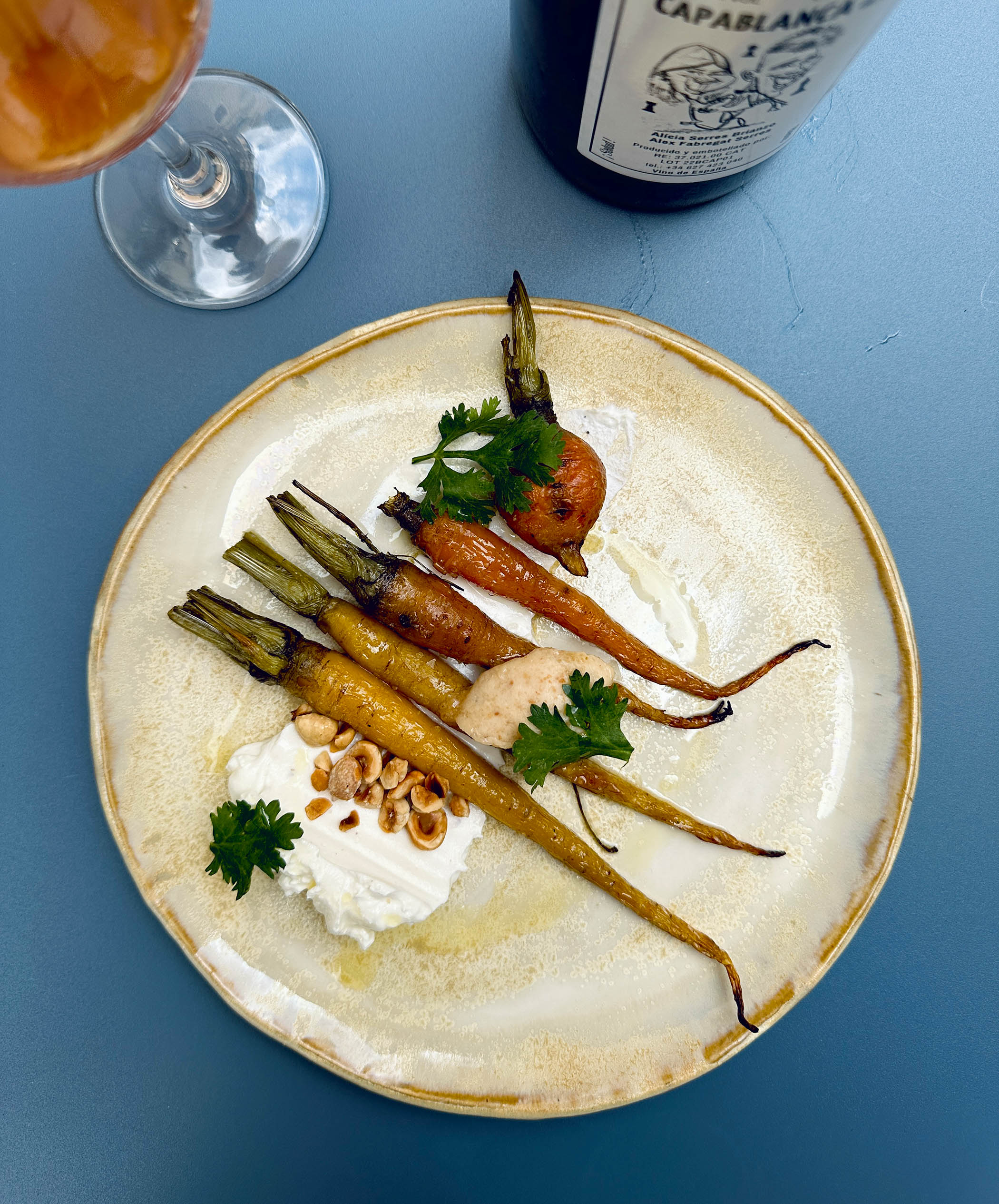
Heritage carrots at Murmur
At Murmur, Rigau pairs this with small-batch Spanish cheeses from the neighbouring cheesemonger, Cal Formatger. Perhaps a buttery raw goat’s milk Miner d’Espinelves, matured for six months in the silent, dark chambers of an old mine, or grilled artichokes grown in the wildflower-dotted fields of the organic farm, Horta de Tramuntana, served with shavings of cecina, an earthy cured beef that originated in the north of Spain, which tastes like a more umami jamón.
Unsurprisingly, Girona’s new bistros have attracted a new crowd. Day-trippers from Barcelona and a discerning bunch of French and Spanish wine-lovers who come to drink “glou glou” (the onomatopoeic word used to describe a light wine that’s easy to drink), graze on charcuterie and potter through its web of alleys.
The hotel everyone migrates towards is Palau Fugit, an 18th-century palace with a pretty stone courtyard that draws locals sipping on spicy margaritas. Palau Terrace is the best room – it has a sun-dappled terrace and direct access to the plunge pool. Pensió Bellmirall is a more low-key option, a B&B built on Roman ruins and renovated by a local artist, with croissants and cupcakes left out for guests 24/7, and practically on the doorstep of Jardins de la Francesa, a medieval cemetery-turned-garden.
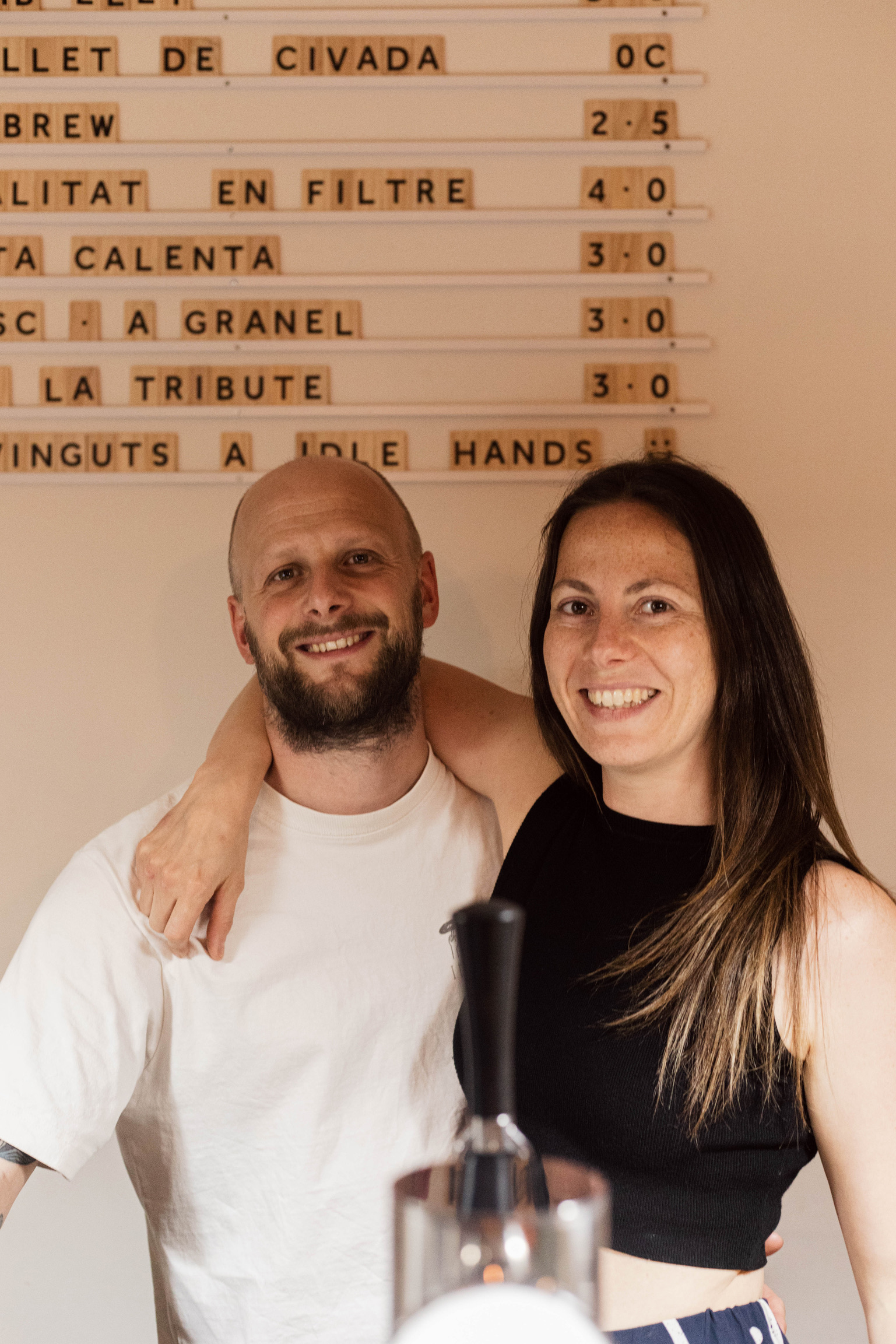
Jacob and Ayla, the owners of Idle Hands coffee shop
Girona’s cafés have evolved, too – kicked off by the bicycle-loving La Fabrica in 2015, and backed up by the coffee roaster Originem, the community-focused Oniria Cafè and Tramuntana, a pour-over pit stop next to the cherry red Eiffel Bridge, designed by Gustave himself. Idle Hands is the highlight, with Matthew Halsall’s silky jazz on the record player and sharp table service. It’s found on a small cobbled street, tucked under the wrought iron balconies of four-storey townhouses. The café manager, 22-year-old Girona native Joan Maronna, is usually behind the counter, pulling cortados. “I love this place. Girona is somewhere that everyone has to visit at some point,” he says.
His one gripe? The lack of nightlife, but his next project might turn that around. Maronna is a record producer, and he’s quitting the barista game to bring music to the city. His new project, El Circulo, will organise gigs and promote local musicians, from experimental to hip-hop to disco. With his tie-dye MTV hoodie and a look of playful defiance, he makes his intentions clear: “Right now, most people go to Barcelona to party. Let’s see if we can change that.”
It seems that Girona hasn’t finished reinventing itself just yet. Young restaurant owners are paying tribute to the food scene that preceded them while staying true to themselves. “The OG is the OG, they’re the original gangsters,” says Martín of Girona’s food heritage. “It’s important to know how it started, but there’s a new generation now. And we’re shaking up the city.”
Photographs: Salva Lopez; Joan Pujol-Creus; Nick Cusseneers
Newsletters
Choose the newsletters you want to receive
View more
For information about how The Observer protects your data, read our Privacy Policy