

Homeland mutability: 25%
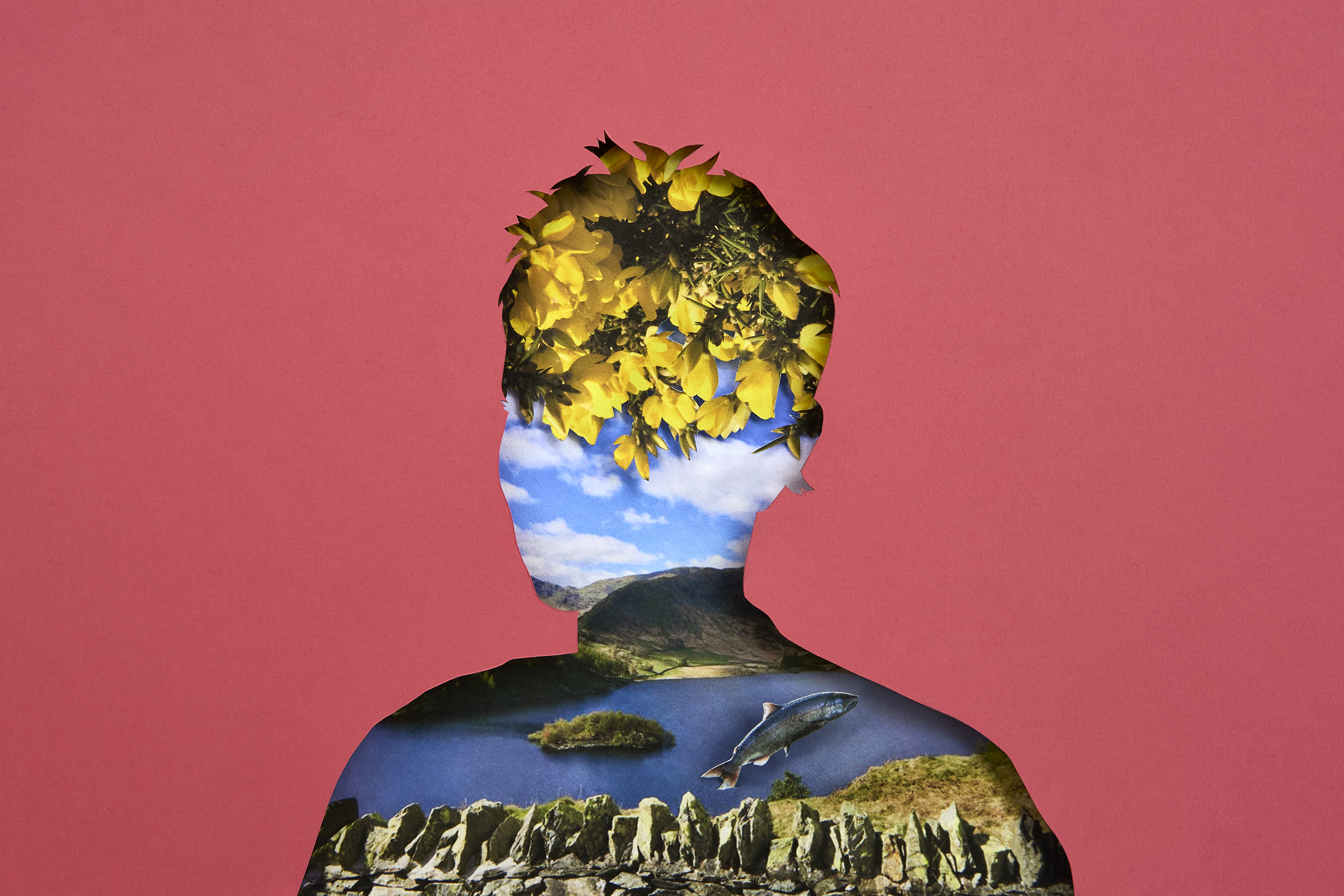
The Lowther Valley in Cumbria, where I’m from, nurtures a fundamental quarter of my personhood wherever I am, not unlike Count Dracula needing to sleep in his native soil. I’m very proud of the valley’s attempt to balance traditional upland farming with changing environmental realities. Several kilometres of river have been restored to a meandering course, tens of hectares of floodplain reconnected. Atlantic salmon are spawning in gravel redds again, water voles have been reintroduced and there’s a family of beavers happily procreating downstream from my house. Hundreds of thousands of trees have been planted and the richer habitat is leading to increased biodiversity and vibrancy. Meanwhile sheep are still farmed, dry-stone walls are maintained, hedges are laid and hay meadows cut. The work has led to a big increase in employment at the local estate and the RSPB at Haweswater. Oh, and our pub is now community-owned. Adapt, thrive and stay alive.
Mother and daughter: 51%
There’s a beautiful Egon Schiele painting with this title that I often look at. The figures are embracing tenderly; the nude girl is almost a woman, the mother’s gown is an alarming shade of red. In very few brushstrokes, complex maternal dynamics are conveyed. As a solo parent I joke that I’m like Sarah Connor in The Terminator. The reality for girls seems frightening, with misogyny and violence against women rising, macho, dick-swinging world leaders creating chaos, and tradwifery reducing the spheres of female influence. I’m always glad to hear strong male voices countering the bilge from the manosphere – Alan Bissett and Tim Winton among them – but we need more. Fellas, it shouldn’t just be women in the red zone over these issues.
Sixes not sevens: 6% (of course)
I frequently find myself going down a wormhole regarding the universal significance of the number six. Patterns and structures in the natural world – hexagons, honeycombs, insect legs, snowflakes, carbon’s atomic signature, etc. Religious symbolism – star points, creation of humans, work days, the beast. I’m a dyed-in-the-wool humanist, but this is an area where evolution, science, intelligent design and mysticism collide and start twisting my melons. Is six connected to singularism? Is its repetition intended (and by whom)? Is nature just coincidental and efficient? The wormhole is long, metaphysical and has no exit. Once you’re in it, you start noticing sixes everywhere…
Literary republics of England: 6%
The UK has a fantastic track record of science fiction and political thrillers, including dystopias and chaotic states, but depictions of republics are few and very exciting to find. Perhaps institutionalism extends even into the imagination. I tried writing one 20 years ago and am always on the lookout for authors who are treasonous, creating mad and merry versions of Britain without a crown. Top of my list is Mary Shelley’s The Last Man. Given the rolling scandals in the royal family, our testing of democracy and questioning of hereditary power, I wonder whether there will soon be more provocations on the page, revolutions enacted through fiction, at least. Recommendations on a postcard please.
Innovation nation: 6%
It’s easy to miss hopeful developments in the onslaught of hideous news – you have to go prospecting for their bright glimmers. Projects like Professor Wendy Russell’s research into how gorse protein can be repurposed into human food really delight me. Yum! (I already love the gorse chocolate made by Chocolarder, a small Cornish company.) Lately, I’ve been following a project George Monbiot is involved with, the Earth Rover Program, a not-for-profit organisation developing low-cost “soilsmology” technologies to help farmers understand the properties of earth, minimise intervention practices and gain higher yields.
Newsletters
Choose the newsletters you want to receive
View more
For information about how The Observer protects your data, read our Privacy Policy
Desert Island Discs: 6%
I regularly have to make long drives up country on a Sunday morning in my old Saab, which has a very temperamental CD player and a less temperamental radio, so I often end up tuning into this show. The BBC isn’t perfect, but it remains a source of inquiry, intelligence and connectivity. Lauren Laverne is the most endearing host and intimate stories are always safe in her hands. The programme’s scope has diversified, so guests include surgeons, actors, photographers, scientists, all kinds of folk. Even if I don’t like the tracks, it’s rare not to feel warmth and compassion listening to those discussing their life-associated music. The premise might be about castaway solitude, but we need these shared empathic platforms.