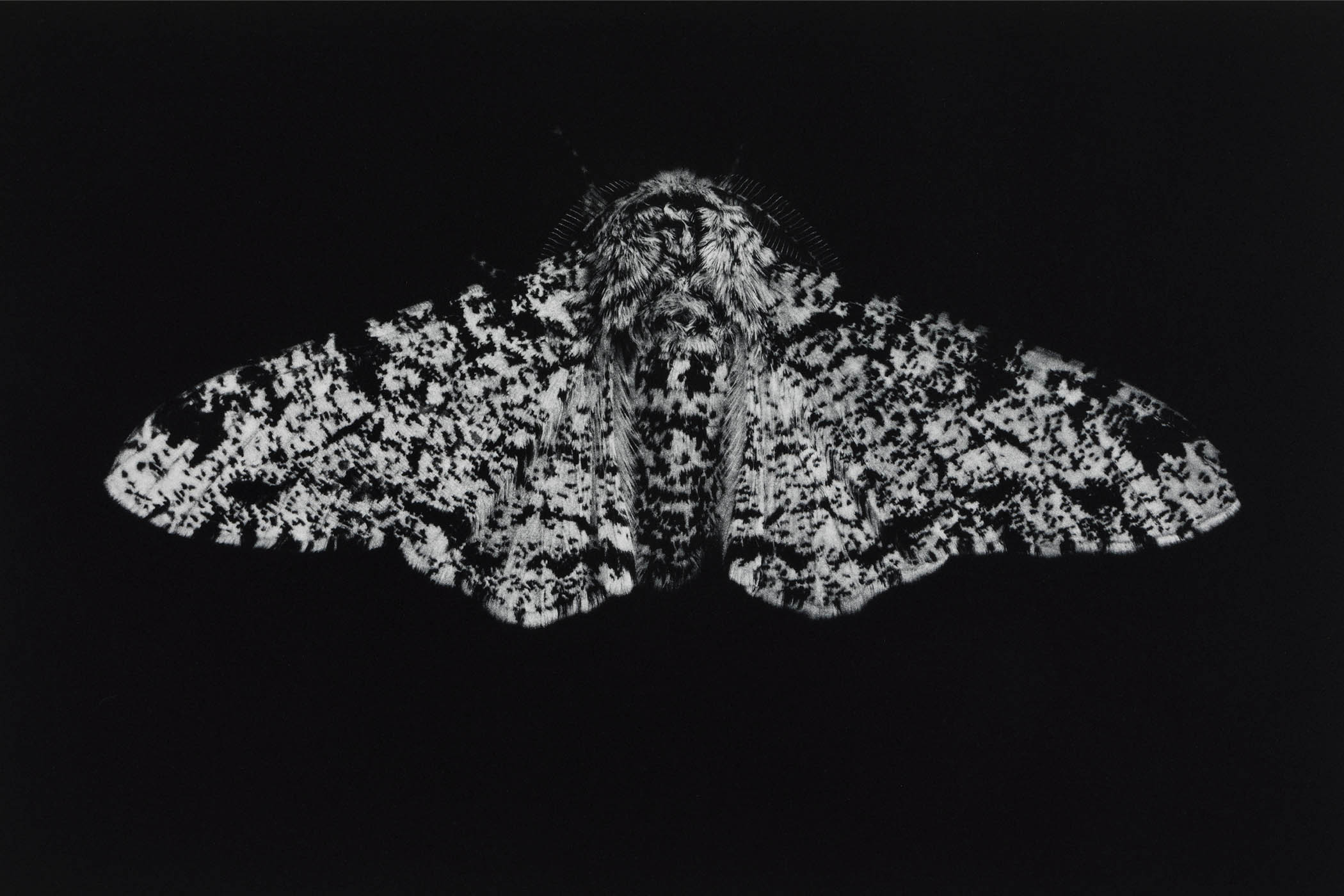


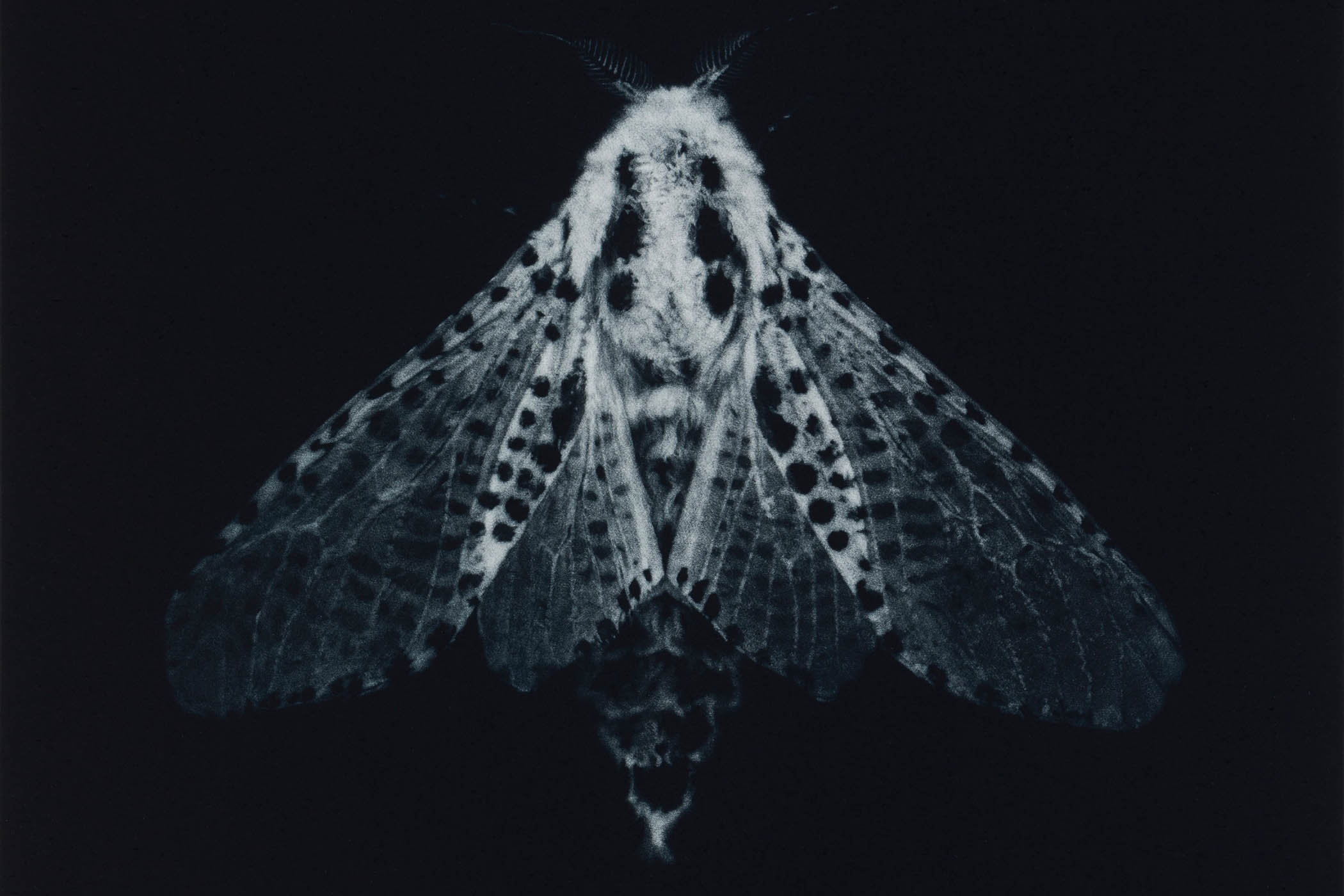
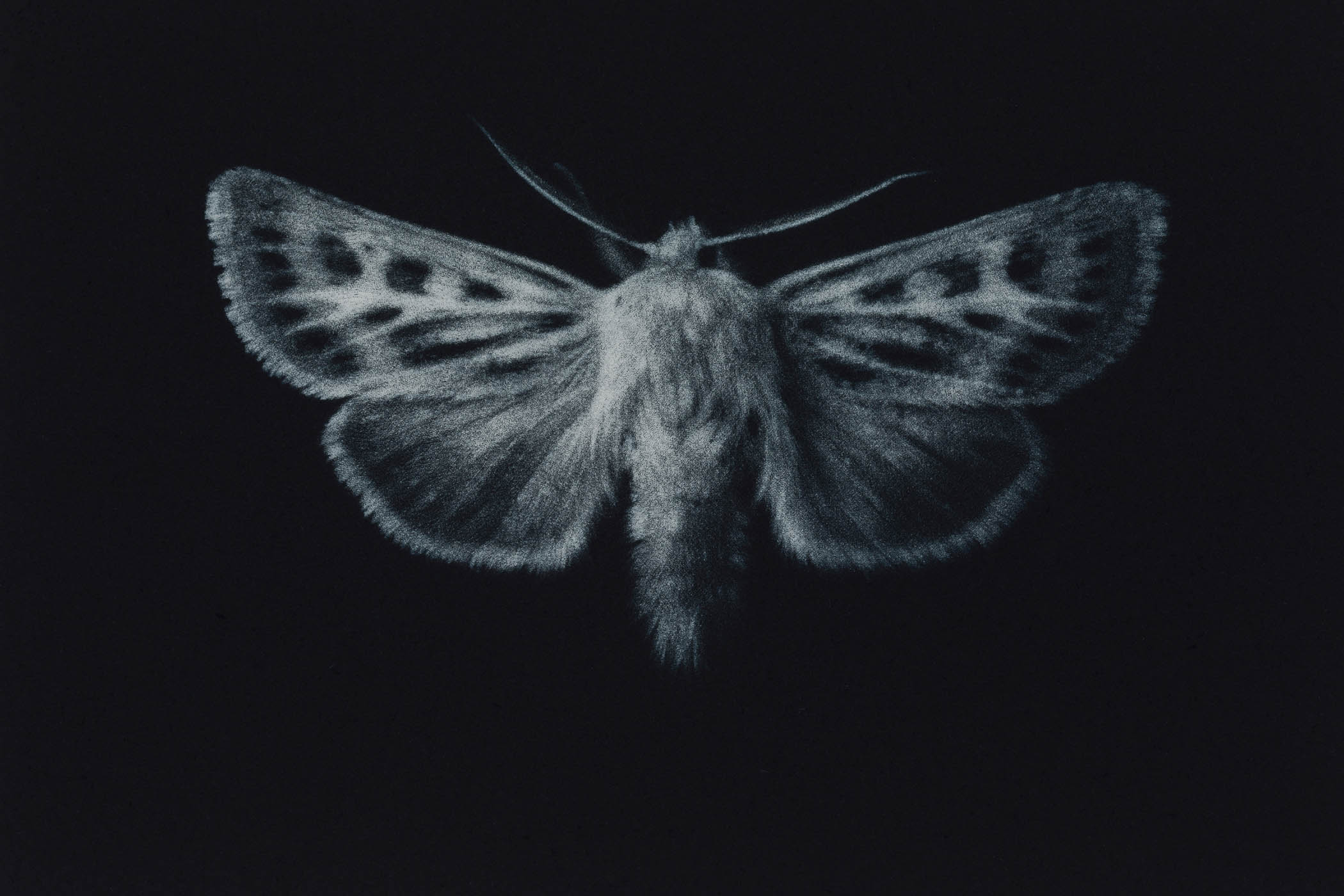
Moths are often maligned creatures but, according to British artist Sarah Gillespie, they are misunderstood. Her series of mezzotints, currently on show at Kestle Barton in Cornwall, reveal the delicate, otherworldly beauty of the winged insects.
Gillespie focused on moths in part because of their increasing scarcity. She points to her youth, during which countless moths would fly in through the window on summer nights, and the realisation that this no longer seems to happen: numbers have declined by 33% since 1968, according to the charity Butterfly Conservation. “I was never a scientist, still less an entomologist,” says Gillespie. “But as the ecological crisis of our own making deepens, the absence of our winged neighbours became so poignant and painful that I started to seek them out.”
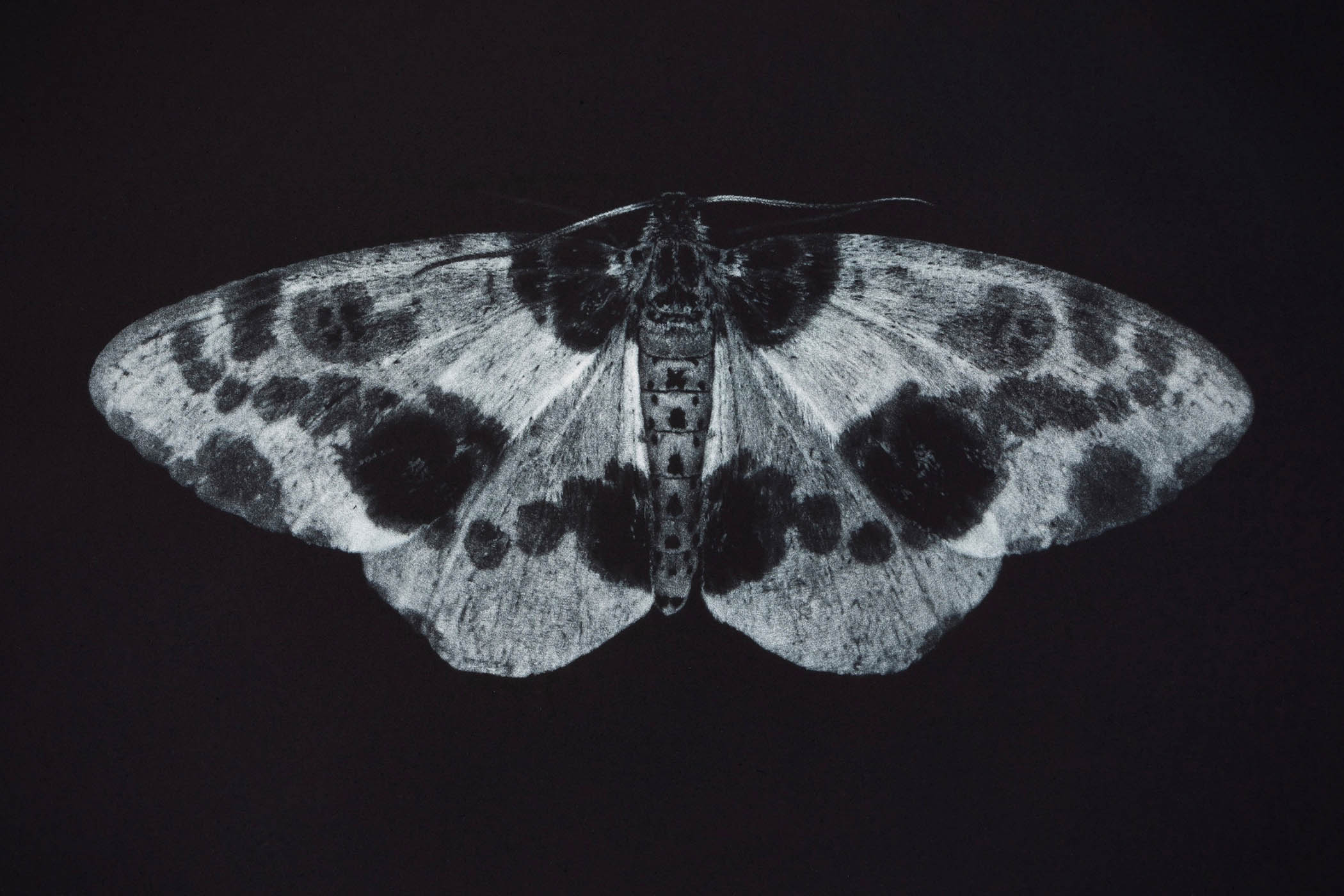
Mezzotints became Gillespie’s preferred form for the project after searching for a medium that, she has noted, “held within itself what might be described as a poetic melancholy”. Using a near-forgotten 17th-century printmaking technique to document a rapidly diminishing species is certainly poignant.
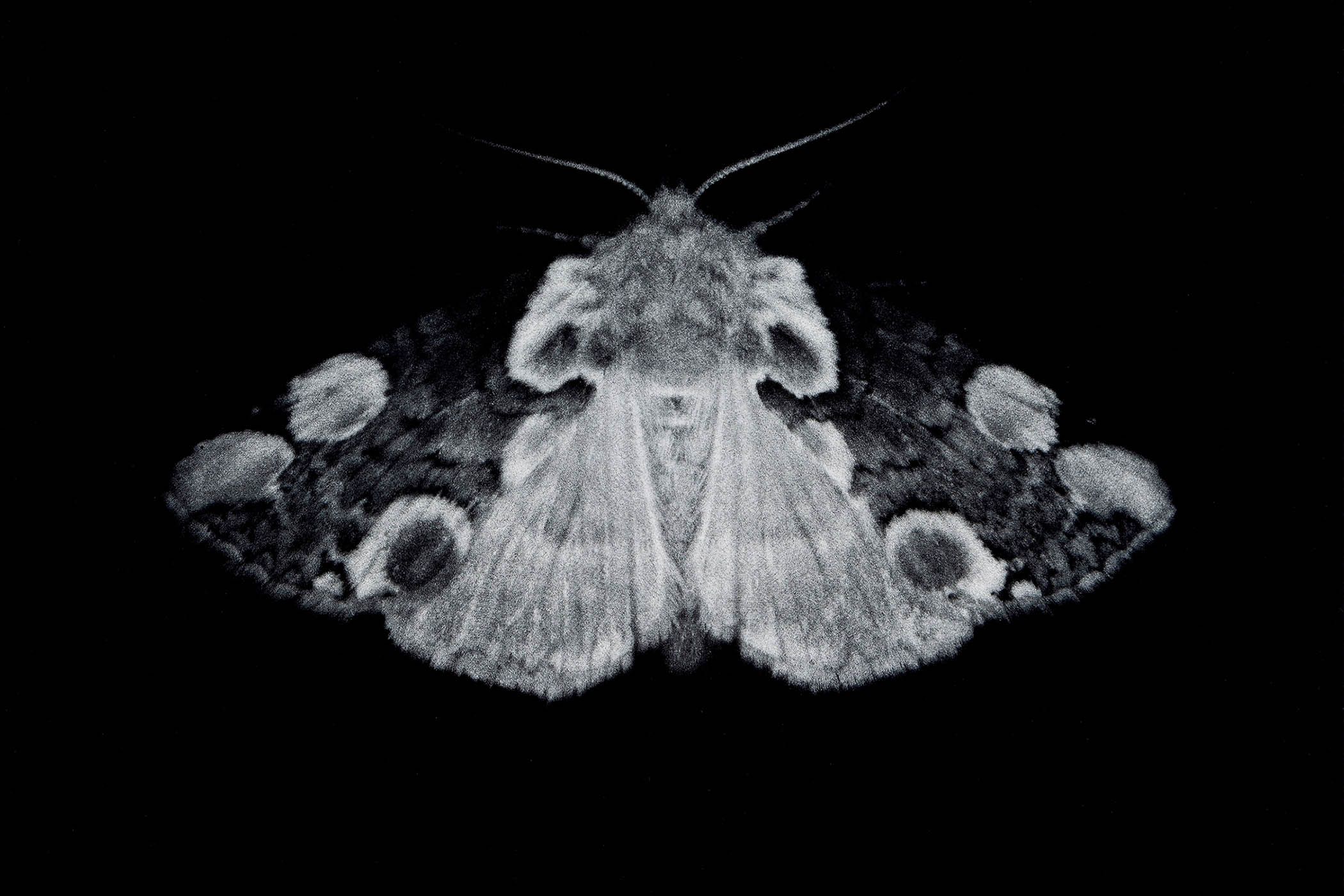
The exhibition is a clarion call, examining how moths have adapted and attempted to survive the harm humans have done to the natural world, destroying habitats through development and the desire for “tidy” green spaces. “The more I researched, the more I realised how vital a part they play in ecosystems and how entangled they are with plants, lichens, soil, bats and birds,” says Gillespie. “I found that entanglement deeply affecting. The thought of what we are wantonly unpicking with our lack of attention breaks my heart.”
Trevor Burrows