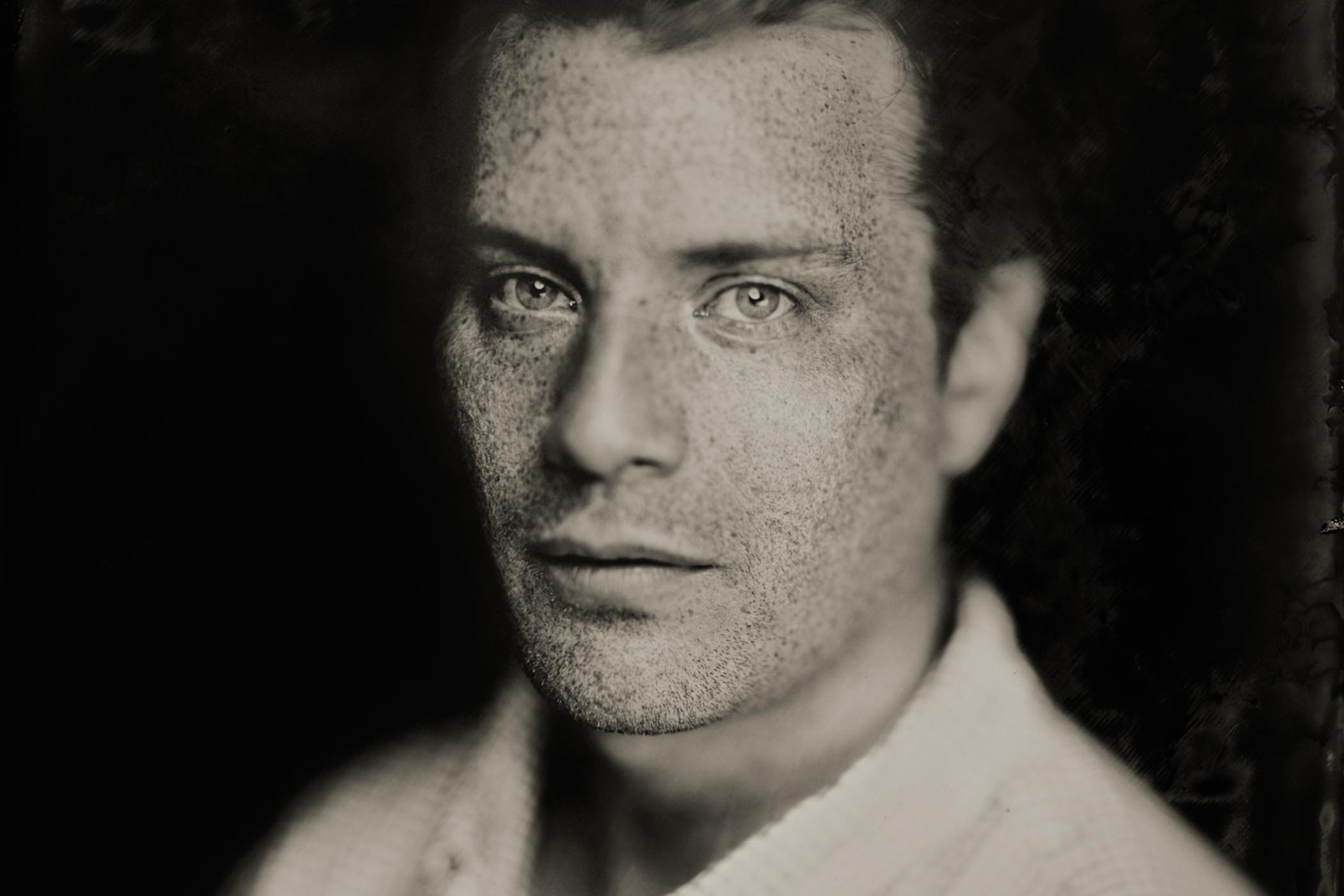


Every so often I write in this column about the genius of Nick van der Kolk, creator of Love + Radio and one of the audio ground-breakers who got me properly into podcasts. Love + Radio’s episodes are single documentaries, based around an individual telling their story, without preamble or scene-setting. The tale is detailed and intimate, about blackmail, voyeurism, personal crises. The sound is perfect, as though the speaker is sitting right next to you. Sometimes there are editing tricks: murmuring sounds, repeated phrases, music. And then there is always – always – a surprise: not a true crime-style shock twist, but an “ohhh” moment when all is utterly transformed.
Blood Memory, a 10-episode epic released to coincide with Love + Radio’s 20th anniversary, is far longer and more in-depth than anything Van der Kolk has done before. A single story based on six years of interviews, the first episode won best independent nonfiction podcast at the 2025 Tribeca festival. And yes, there are “ohhh” moments.
The series is about Michael Lynne Thompson, from California. Thompson’s is the first voice we hear, and it is a seductive one: calm, sonorous. He coolly describes being in prison, disarming a man coming for him with a knife, and then using that knife to scar a circle around his attacker’s heart. We meet other people in this first episode: two women, one a prosecutor, one a woman who helps the convicted tell their stories. And gradually, over the episodes, we hear Thompson’s tale. From him, and those others.
Thompson’s version of his life is like a Tarantino film, at once romantic and violent
Thompson’s version of his life is like a Tarantino film, at once romantic and violent
There is a double murder, a trial, and a conviction, despite unwavering protestations of innocence. Thompson’s version of his life is like a Tarantino film, at once romantic and violent. It’s a story of growing up on an Indigenous reservation, of learning how to be a man from a taciturn foster parent. A story of being sent to prison and joining a fearsome gang, the Aryan Brotherhood, to survive – and yet somehow staying his own man. A story of turning on that gang. Thompson is compelling. But is what he’s saying true?
Blood Memory makes you wonder, and waver. Is Thompson an ethical man forced to turn to violence by incarceration, or is he a manipulator who says what you want to hear? Is he, perhaps, both? Whatever you find yourself thinking – and you will find yourself changing your mind – this is a great piece of storytelling from Van der Kolk. And, indeed, from Michael.
Radio 4’s Illuminated strand is one of my life’s small pleasures; it’s on at a time when I’m often listening to the radio, and single episode documentaries are my jam. Last weekend I loved Bolton: The Happiest Town on Earth? in which Katharine Longworth interviews Boltonians. In the 1930s, researchers used the townspeople as guinea pigs, asking them one question: “What is happiness to you and yours?” – and Longworth went to the same houses visited then to see how today’s residents would react to that query. It was sweet how often the speakers felt a kinship to those who had been happy before. They’d hear what was said back then and respond: “Oh, that’s just like me!”
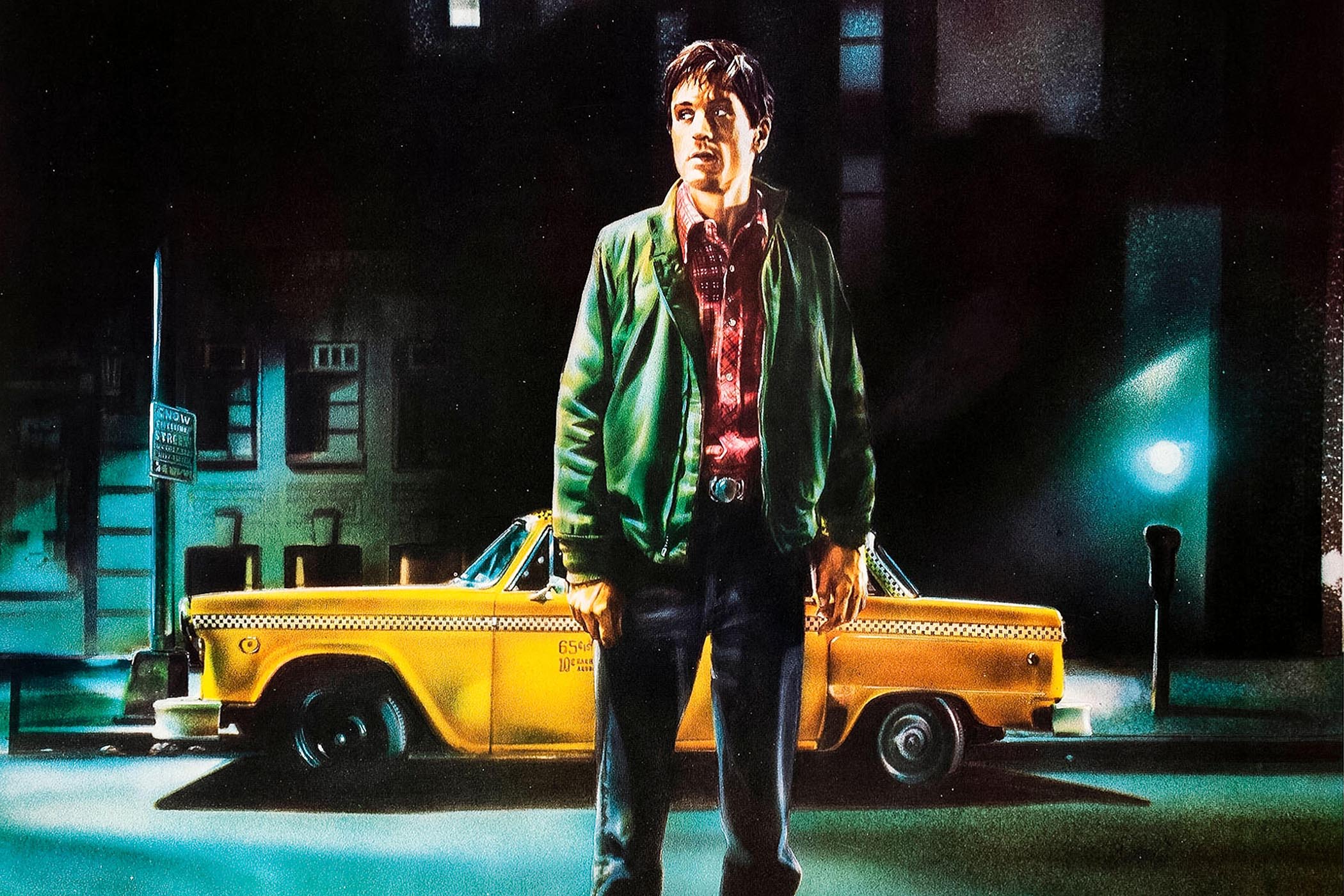
‘It was like being in a Bosch painting, and not the nice part’: Martin Scorsese discusses his seminal Taxi Driver on Archive on 4. Main image: Nick van der Kolk, creator of Love + Radio
This week’s Illuminated, Functioning, about alcohol addiction and recovery, was less cheery but just as touching. It focused on two women whose lives seemed tantalisingly close to a nice “functional” one: good jobs (teaching, running a small business), supportive marriages, lovely kids (“I like it when you drink tea best,” said a child to his mum when she reached for the wine), even the occasional gym session. All running alongside a persistent drink problem and a knowledge deep down that something was very wrong. “There was this back room [inside me] and the noise and chaos in there,” said one woman. “I was desperate to keep the two places apart.” The sound work – rushing water, echoing creaks, broken chords – gave everything a creeping dread.
The always excellent Archive on 4 used Martin Scorsese’s Taxi Driver on the occasion of its 50th birthday to craft an up-close and personal examination of New York. A nice angle, and our host was the perceptive, intelligent Michael Goldfarb; from the start, we were learning. Initially, about the film itself: Paul Schrader told us he was “adrift” in life when he wrote the script, and how, in his head, it was set in Los Angeles.
Then Scorsese launched straight into a vivid description of the streets of New York, specifically between 2nd and 3rd Street, where he transposed Travis Bickle et al. “The devil’s mile,” he said. “All the men and some women went there to die. It was like being in a Bosch painting, and not the nice part.” Goldfarb, who lived there when the film was being made, understood what he was talking about.
From there, we moved into an unpicking of the city itself in the 70s: how its mayor flailed against the power of the unions, how an economic depression took away half a million jobs, the lengthy garbage strike. Taxi Driver was made amid this, Scorsese blithely filming among the piles of trash. Goldfarb talks to others who had grown up there, all boggling at the change.
Newsletters
Choose the newsletters you want to receive
View more
For information about how The Observer protects your data, read our Privacy Policy
Fascinating and revelatory, and a reminder that austerity, bureaucrats and national government can turn a city into a basket case – or a gentrified gated community – far quicker than we might care to think.
Photographs by Penumbra Gallery/BFA /Columbia Pictures