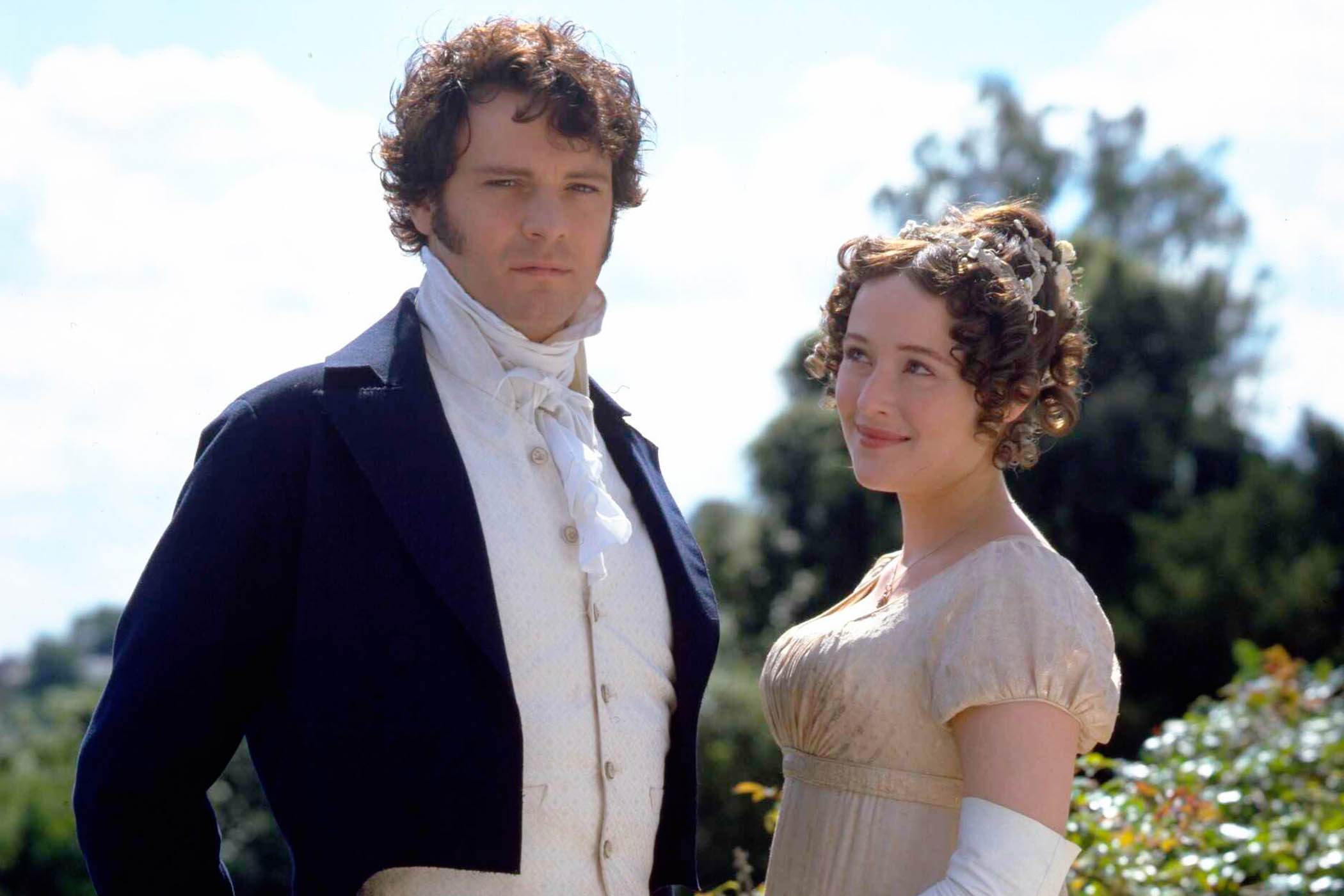



What is a romance novel? This is a more difficult question than it first appears, and there are several possible answers. A book that ends with a “happily ever after” (except plenty of romance novels don’t end that way)? A book that unfolds the story of a romantic relationship (although that could also describe plenty of other fiction, including literary fiction, too)? A book that follows a certain set of rules and conventions, always concluding the same way (but that describes crime fiction as well)? Or is it perhaps a book written for a female audience? Women are the vast majority of romance readers, it is true, but they are also the majority of fiction readers in general.
The longer you try on definitions, the more impossible it seems that anything will fit. A good case can be made that Jane Eyre, an acknowledged classic of English literature from the mid-19th century, is a romance novel. So is Unhinged by Vera Valentine, a 2023 novella about a woman who falls in love with her front door. As a genre, romance is simply too prolific, too diverse, too fluid to be pinned down.
Wisely, the author Ella Risbridger sidesteps this problem from the very first line of In Love With Love, a book that seeks to celebrate “the persistence and joy of romantic fiction”. This is not an exhaustive history or comprehensive summary of the genre, she tells us, but something akin to the romance novel itself – one writer’s overflowing of passion for her subject matter in all its infinite variety. “A romance novel is always a love story; but a love story is not always a romance novel,” she writes early on in a chapter with the delightful title of “What If We Kissed in the Community Library?”. Readers who love this kind of fiction have an instinct for it, even when there is no helpfully signposted section in the bookshop, and Risbridger knows it when she sees it. These are books that tell us “there is space for love in the world”, even when everything around us seems to indicate the opposite.
Risbridger’s knowledge of this type of fiction is both broad and deep. She hits all the expected subjects: the ever-evolving appeal of Pride and Prejudice; the global phenomenon of Fifty Shades of Grey; the endless fascination of fairytales and especially Prince Charming; the enduring, prolific powerhouse that is Mills & Boon. But she is well versed enough to go beyond the obvious. The connections she makes between genre stalwarts, literary greats and newer trends are delightful. Mr Darcy has correspondences with the creature of Beauty and the Beast and with the “grumpy hot billionaire” protagonists who brood at us from Kindle Unlimited covers. Fifty Shades of Grey is a partly epistolary novel like Frankenstein or Les Liaisons Dangereuses because its central couple are continually exchanging text messages and emails that are printed in full. A Prince Charming can be a science professor in late 1930s Vienna or Peter Wimsey in a golden age detective novel by Dorothy L Sayers, or even a blue alien with some exciting extra bits in his loincloth in the hugely popular recent series Ice Planet Barbarians. In fact, the chief joy of In Love With Love is that the reader will come out of it with a long and varied list of other books to read.
These are books that tell us ‘there is space for love in the world’ even when everything indicates the opposite
These are books that tell us ‘there is space for love in the world’ even when everything indicates the opposite
There are some marvellous, laugh-out-loud sentences in this book – “Sigmund Freud famously had a lot to say about horse romances” might be one of the best – but on the whole Risbridger’s prose is not paced for a continuously smooth reading experience. At times, it works: she is breathlessly excited to share everything she knows with you, and you feel charmed by her enthusiasm. At other points, it feels a little jerky or disjointed. Interjections to the reader such as, “Isn’t that so great? Isn’t that completely wonderful?” do begin to wear thin after a while.
The question of whether romance novels (or their readers) can be “feminist” has long been debated, sometimes in very bad faith. Get trapped in the wrong conversation at a party and you can still hear terms such as “chick-lit”, “women’s fiction” and “bodice ripper” thrown around pejoratively. There is some discussion of this, but Risbridger’s book is not an intense dissection of feminist thought or gender theory, and it is all the better for it. She seeks to celebrate, not persuade, and ably avoids being diverted from highlighting the skill of the women who write romance books that are enjoyed by millions of readers.
A common criticism of the romance genre is that it is formulaic, bound by a set of tropes and hamstrung by the need for the protagonists to settle down together at the end. This makes it harder to write well, Risbridger argues, not easier. The best romance authors, from Georgette Heyer to Jilly Cooper or Jill Mansell, make the reader turn the pages with their heart beating faster, even though they know how the story will end. As she says, “I need to wonder what’s going to happen, even though I know what’s going to happen.”
The scope of this book is ambitious, encompassing everything from the heartbreaking perfection of Eva Ibbotson’s romance novels to the current, booming trend for quirky, cosy hometown stories with titles such as The Little Bakery of Hopes and Dreams. In fact, the referencing is so rapid and prolific that the relatively new romance reader might feel overwhelmed. Where else can you encounter Samuel Richardson’s 1740 novel Pamela; or, Virtue Rewarded, the sitcom Friends, and the psychological appeal of the hot cowboy all in the same place? This is a text to consume in small nibbles, not gigantic bites.
Related articles:
Although you finish this book without being able to precisely define what a romance novel is, Risbridger makes a good case that the genre’s appeal comes from the desire to choose happiness over despair. There are even romance novels set in funeral homes, she points out, which explore death and its aftermath. Some of them feature sexy ghosts. This is a type of fiction preoccupied with happy endings, yes, but one in which writers and readers alike know that there is no such thing. Romance is not escapist in the sense that it numbs you to the realities of human existence. Whether we’re dealing with vampires, billionaires, gods or ordinary people, the emotions are real.
In Love With Love: The Persistence and Joy of Romantic Fiction by Ella Risbridger is published by Hodder & Stoughton (£16.99). Order a copy from The Observer Shop for £15.29. Delivery charges may apply
Newsletters
Choose the newsletters you want to receive
View more
For information about how The Observer protects your data, read our Privacy Policy
Photograph depicting Colin Firth and Jennifer Ehle in the BBC’s 1995 adaptation of Pride and Prejudice by TV Times/Future Publishing/Getty