
The figures in these nine stories travel alone, away from an intricate past, its events and contours often obscure. The future they move towards is rarely clearer: even when there is a goal or destination apparently in sight it is dependent on the actions of half-apprehended others, or on the ability of the protagonist to marshal their own inadequate resources. But the future, in one form or another, is coming to meet them all.
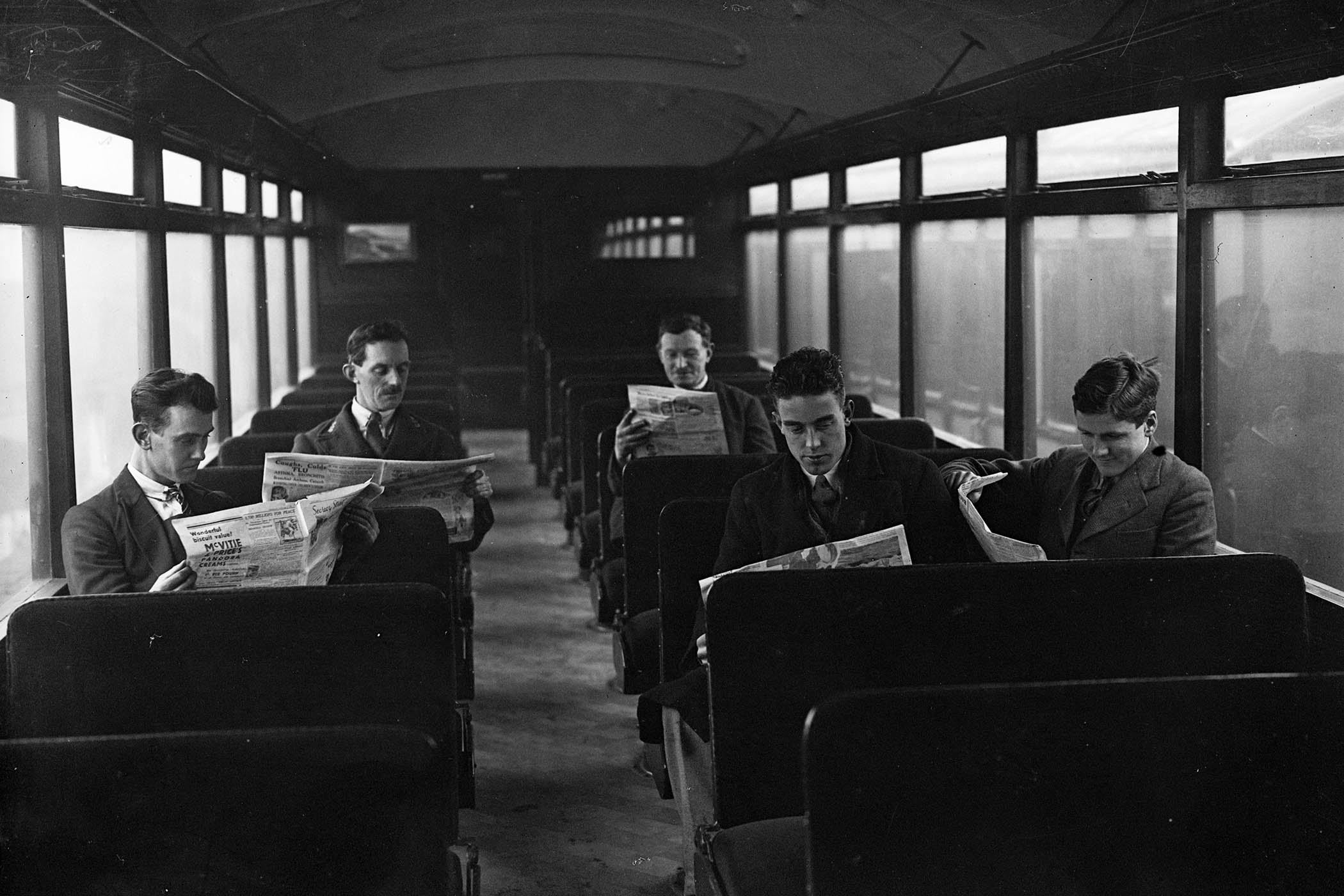
Though Colm Tóibín’s collection is suffused with ambiguity, there is a striking precision in how he describes his characters’ circumstances. The collection’s opening story, The Journey to Galway, which draws on Lady Gregory’s account of the death of her son, Robert, a fighter pilot in the first world war, pictures a woman en route to tell her daughter-in-law of the loss. The narrative proceeds via a series of enclosed spaces: the drawing room where the telegram is received, the train carriage in which she sits opposite a passenger unpacking a lunch basket, the window she stands before as she breaks the news. Each scene is remembered once the unnamed woman is alone again, “as a story that had been told and retold rather than a brutal single fact, as though placing it in time and remembering how the news had spread would come to soften what had happened, ease it, edge it away”.
He diverts us with individual drama while allowing a hinterland to roll out in our peripheral vision
He diverts us with individual drama while allowing a hinterland to roll out in our peripheral vision
What must be edged away, though, is not simply a son’s death, but the complexities of his life – his quarrels with his mother, his difficulties with his wife, all that the war had “solved” but also left “in abeyance”. And although the story is presented primarily as one of familial loss, there is, too, the press of history at its margins, the whole question of a woman in Ireland mourning the death of a son fighting for the British; what, she imagines, would she be feeling had she been travelling to see him executed in the aftermath of the Easter Rebellion instead of on behalf of a “dream of empire”?
Tóibín is exceptional at diverting and compelling us with individual drama while allowing a hinterland to roll out in our peripheral vision. One of the most unsettling stories here, A Free Man, focuses on a recently released prisoner beginning a new life in Barcelona; it’s disturbing not simply because his crimes are the extensive sexual abuse of his pupils but because we flounder to get a grip on his view of himself. Joe’s grapple with bureaucratic hurdles in Spain – bank accounts, mortgages – comes to suggest the way in which a person might remain out of kilter with themself.
The idea of departure and return frequently exerts a pull on Irish writers. In Five Bridges, much is made of the practice of undocumented Irishmen in America keeping their cash-in-hand income in socks; when Paul decides it’s time to return home before ICE uncover him, he imagines the puzzlement of new tenants in his apartment discovering so many pairs of them, unworn and abandoned. Sometimes, the transition might be far more local, as in the title story, which moves between Dublin and Enniscorthy and features characters mentioned in Tóibín’s Brooklyn universe; but the distance between the capital and small-town Ireland is measured in more than miles.
The most substantial piece here, The Catalan Girls, is a sort of trompe l’oeil in story form. It begins with a woman locked in her house, the victim of unknown malevolents. That mystery proves to be a McGuffin, as we piece together what seem to be the key elements of her story: Montse is one of three sisters – with Núria and Conxita – who emigrated from Spain to Argentina as children with their mother, and who have now inherited a house in the Pyrenees from their aunt.
All of this information is relevant, yet it is also beside the point: the dynamic at work is one of disguise and pretence. Montse is the trio’s stoic, of sorts, although her account of a life shaped by the directives and priorities of others falters somewhat when we learn of her secret quasi-erotic relationships. Confident Núria faked her way into Buenos Aires high society; the most beautiful, Conxita, is a lady’s companion with benefits. Their journey into the past seems less like a resolution of childhood patterns than their continuation by strange and poignant means. We leave Montse where we found her, in a house, alone; her future, her happiness, her regrets are indeterminate, but nonetheless powerful for that, as throughout this impressive book.
The News from Dublin by Colm Tóibín is published by Picador (£20). Order a copy from The Observer Shop for £18 (10% off RRP). Delivery charges may apply
Photography by Fox Photos/Getty Images
Newsletters
Choose the newsletters you want to receive
View more
For information about how The Observer protects your data, read our Privacy Policy