

In her 1936 book How to Live Alone and Like It, the Vogue editor Marjorie Hillis wrote that “if you’re interesting, you’ll have plenty of friends; and if you’re not, you won’t – unless you’re very, very rich”. But Rachel Cooke’s exploration of female friendship reveals something far more complicated than Hillis’s tart binary suggests. Between women, as Cooke points out in her introduction, friendship is about investment and listening, vulnerability and uncertainty, envy and competitiveness. And, of course, attraction.
She sorts the varying types and characteristics of friendship into sections including “Childhood”, “First Encounters”, “Loneliness & Longing” and “Shifting Sands”, each beginning with a sharp miniature essay. Like every anthologist worth paying attention to, Cooke’s taste is both catholic and clearly defined, guiding us from Zadie Smith to Dorothy Whipple, from Samuel Richardson to Sheila Heti, and from Vera Brittain to Bernardine Evaristo. Cooke’s beloved comics and graphic novels get a look-in too, as do Cathy and Claire, the agony aunts for Jackie magazine.
There is, as might be expected, a lot of joy in this book. Preferences will differ, but for an indelible image of companionship the hiking trips taken by the three friends in Margaret Drabble’s The Radiant Way – to which men “are not usually invited” – is hard to beat. Running it close is the relationship described in Helen Garner’s novel The Spare Room. Sitting on a jetty in the cool night, sharing a bottle of vodka, is where Nicola and Helen begin “the long conversation that would become our friendship”.
But throughout the book, even before we come to “Frenemies & Falling Out”, there is an acknowledgment of the perils of friendship, of attractions that might run too deep. As Carmel from Hilary Mantel’s novel An Experiment in Love admits, letting herself admire her schoolmate “would have been to dig myself a bottomless pit. I did not think there was any hope for me if once I fell into it.”
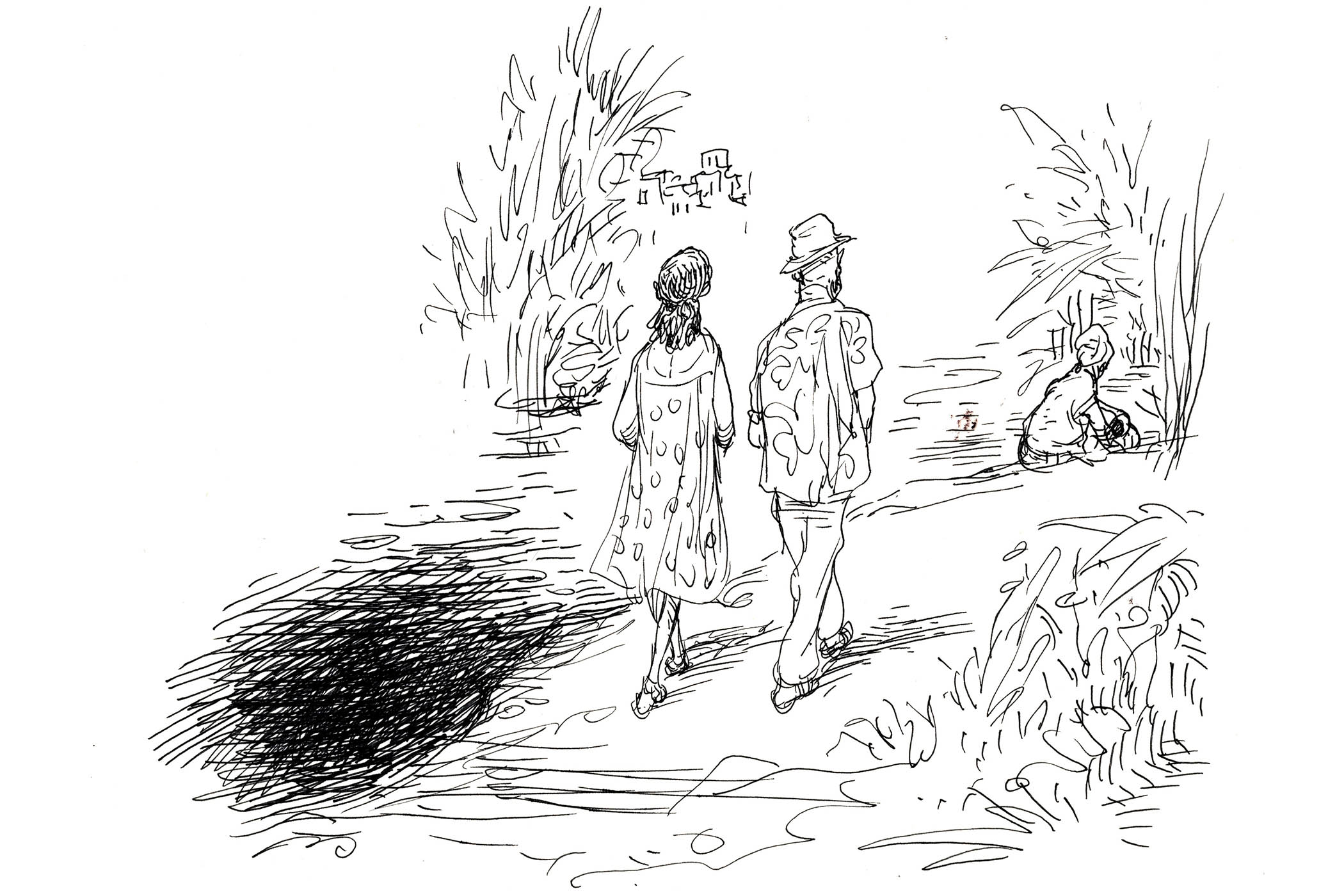
Cooke’s beloved graphic novels get a look-in, as do Cathy and Claire, the agony aunts for Jackie magazine
Cooke’s beloved graphic novels get a look-in, as do Cathy and Claire, the agony aunts for Jackie magazine
There is plenty from the knottier end of things – and these were the passages I tended to want to share with my own friends. Terry Castle, in her hilarious essay about Susan Sontag, writes that, at its best, “our relationship was rather like the one between Dame Edna and her feeble sidekick Madge, or possibly Stalin and Malenkov”. The darkest version of this asymmetry is found between Katherine Mansfield and her lifelong devotee and dogsbody Ida Baker. Mansfield’s letters, in which she describes Baker’s “great fat arms, her tiny blind breasts, her baby mouth, the underlip always wet and a crumb or two or a chocolate stain at the corners”, are bad enough. The extract from Baker’s own memoirs, published in 1971, in which she scolds herself for so often falling below Mansfield’s standards, is even worse. The undermining toxicity of that relationship was clearly still at work, even decades later.
“Would that all of us,” Cooke writes of Mary McCarthy’s loving but clear-eyed and unsentimental tribute to Hannah Arendt, “had someone like McCarthy to memorialise us: to capture all that we were, not only so beautifully, but so beadily (it is the noticing that counts).” I’m not sure, though, that many would want to be captured as beadily as Katherine Mansfield was in Virginia Woolf’s diary. Woolf’s extraordinary entry on the death of her friend, which encompasses bitchiness, admiration, jealousy and devastation, packs into a little over two pages the dramatic content and emotional twists of a great three-act play. “Probably,” she writes towards the end, “we had something in common which I shall never find in anyone else.”
That Cooke should end on goodbyes is given added poignancy by her death from cancer in November last year, between the publication of the hardback and paperback editions of this book. As the many tributes published in this paper and elsewhere made clear, she was as expert a practitioner of friendship as she is its anthologist.
The Virago Book of Friendship edited by Rachel Cooke is published by Virago (£12.99). Order a copy from The Observer Shop for £11.69. Delivery charges may apply
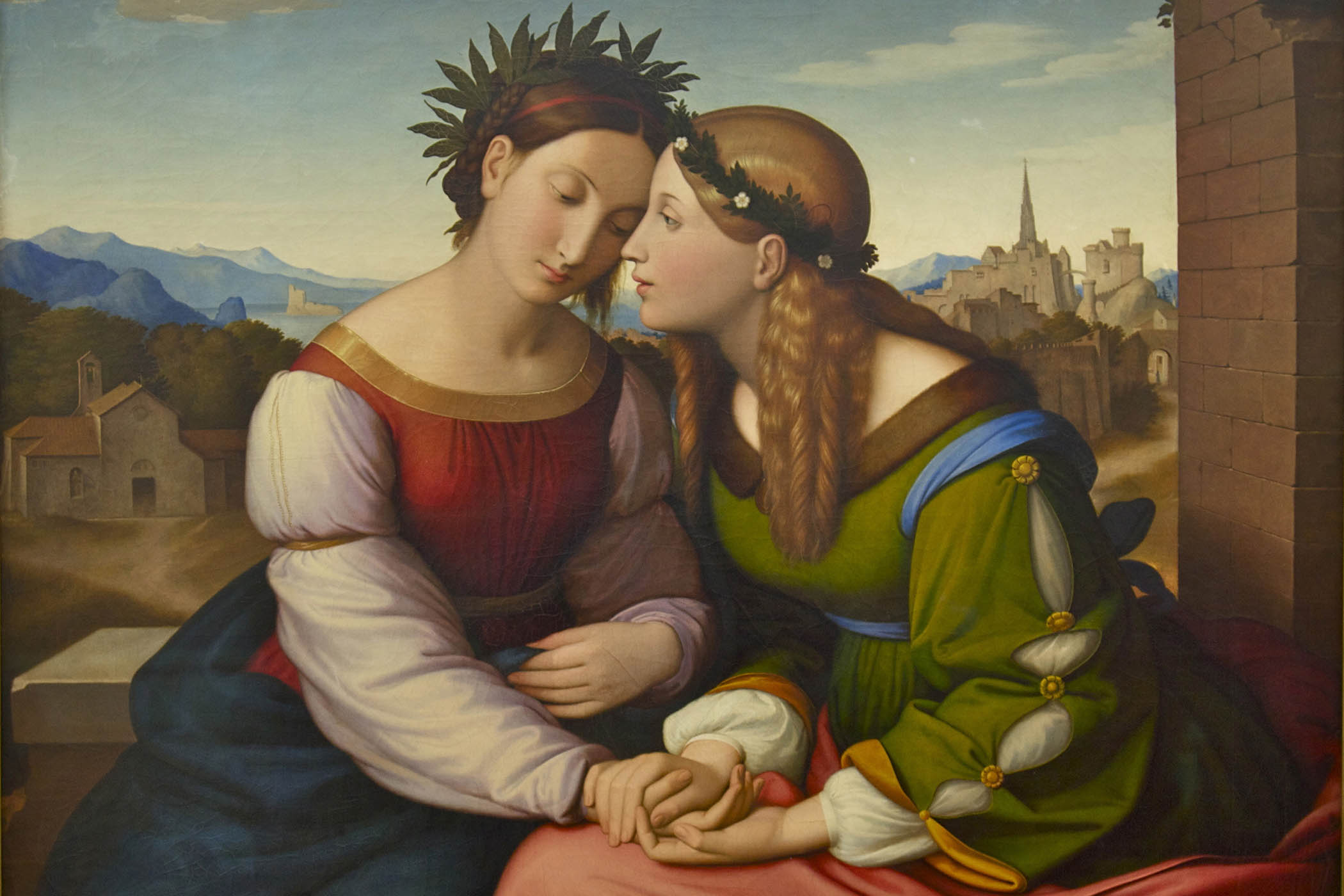
Photograph by Fine Art Images/Heritage Images/Getty Images
Newsletters
Choose the newsletters you want to receive
View more
For information about how The Observer protects your data, read our Privacy Policy