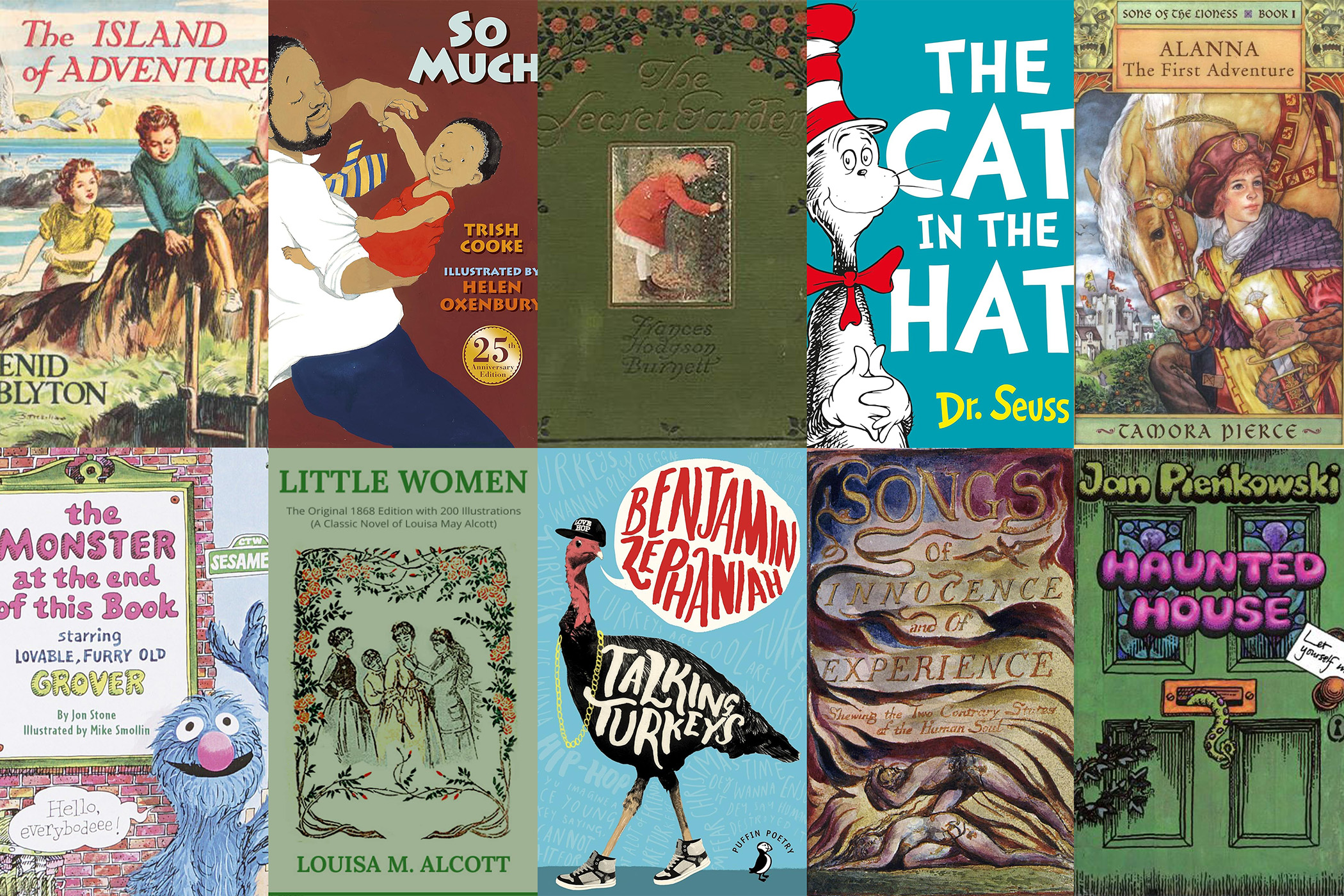
MEG ROSOFF
The Cat in the Hat by Dr Seuss
When I first laid eyes on this book, I signed up to a lifetime of mayhem. The Cat in the Hat’s disdain for authority, his exuberant anarchy – even at age four I recognised my soulmate. “Up-up-up with a fish!” is one of literature’s pivotal moments, and 60 years later I still prefer him to Molly Bloom or Elizabeth Bennet.
At the book’s end, when the boneless children nervously wonder if they should confess all (“Should we tell her about it? Now what SHOULD we do? Well, what would YOU do if your mother asked YOU?”), I think, heck. It was obvious even to child-me that I would lie like a pirate. I would still. It’s called fiction.
KATHERINE RUNDELL
The Dream-Eater by Michael Ende, illustrated by Annegert Fuchshuber
I had a book as a small child – age six or seven – that both thrilled and terrified me. It was about a princess who can’t sleep for nightmares, so the king goes to find a wild, spiny blue creature, the Dream-eater, who eats her night terrors with a little glass knife and horn fork. The Dream-eater stretches his mouth so wide, Ende writes, that he can swallow his own head. I read it hundreds of times; the images of beauty are ravishing, the nightmares like a Hieronymus Bosch. It taught me very young that you can feel for books something stranger and more unsettling than love: a kind of uneasy passion. It taught me that books can haunt you.
KATHLEEN JAMIE
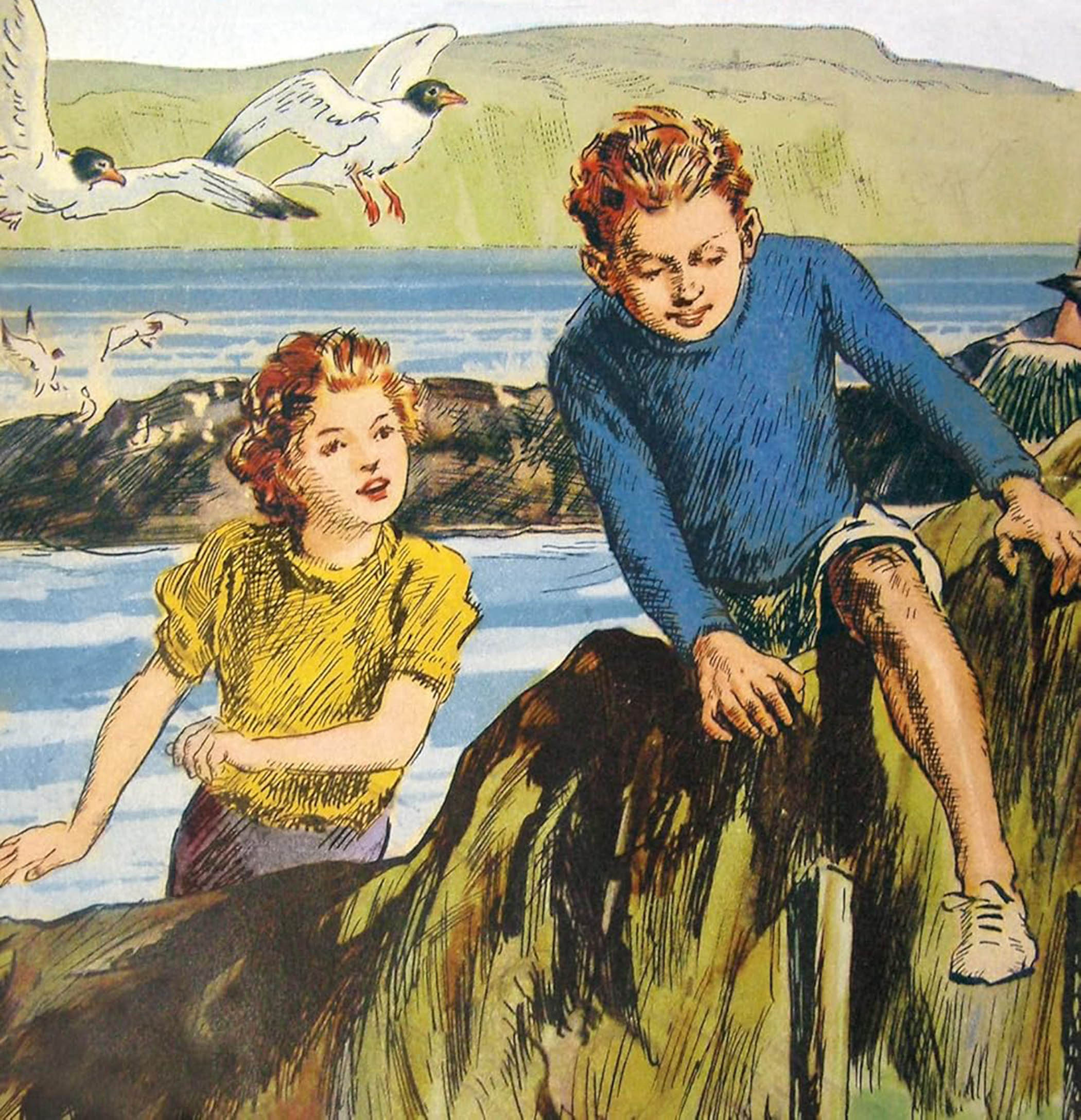
The Island of Adventure by Enid Blyton
Mum had propped it up on the mantelpiece waiting for me to get home. A proper book – not an annual or a Reader’s Digest, but The Island of Adventure. It was around 1970, I’d have been eight or so. It wasn’t even my birthday.
Every single Enid Blyton adventure followed. I could shut out the noisy house, cram myself in a corner and be gone. Yes there was crazy stuff; what actually was a boarding school? And what on earth was a “shooting brake”? As a girl, I resented being told I was useless. But here were the thrilling, simple sentences: “It’s a secret passage”; “I hope they haven’t broken their legs. However shall we get them out?”; “Come on – we must run for it.”
With a couple of other kids I formed a gang. We roved round the scheme and woods, looking for adventures. Alas, none appeared. But the years of unsupervised reading, the childhood rambling! They were adventure enough.
ASHLEY HICKSON-LOVENCE
Talking Turkeys by Benjamin Zephaniah
This is a deeply personal choice for me because Benjamin Zephaniah was one of the very few authors of colour I encountered during my time at school. I remember being struck by how energetic, funny and accessible his poetry felt, almost like listening to music or being at a family barbecue.
It was one of the first times I encountered poetry in a distinctly Black British voice, something rhythmic, political and joyful all at once. It shaped my understanding of how writing for young people can be entertaining, socially engaged and rooted in voice and performance, which has influenced my own work, including my YA verse novels. I’m sad I never got the chance to meet him before his death in 2023.
JAMIE SMART
Scientific Progress Goes “Boink” by Bill Watterson
I could choose any Calvin and Hobbes book, but this one really captured my imagination. Calvin (the small boy) and Hobbes (his stuffed tiger) turn a cardboard box on its side, write “duplicator” on it, and suddenly Calvin is making endless, perfect clones of himself. And these clones, obviously, end up getting Calvin into a lot of trouble.
The Calvin and Hobbes books are collections of newspaper comics, some four panels long, some whole pages. Each strip ends with a gag, but the strips combine to form a longer story. They’re effortlessly sweet, clever and ridiculously funny. Watterson’s artwork is graceful, and these books are considered classics for a reason. I suspect, with my own Bunny Vs Monkey books, I’m trying to capture some of that magic I felt when I first read Calvin and Hobbes.
DAISY JOHNSON
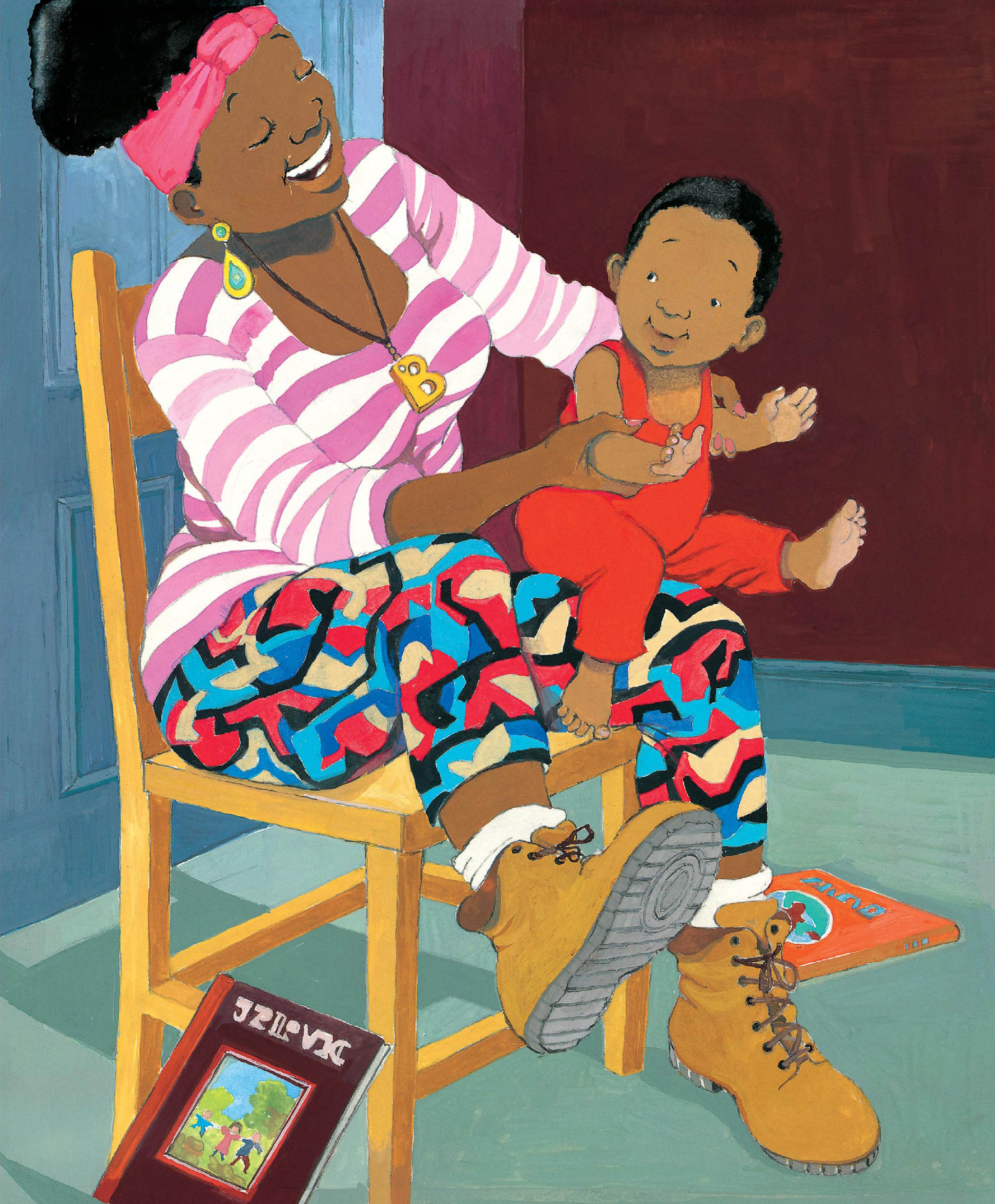
So Much by Trish Cooke, illustrated by Helen Oxenbury
I am not certain if I actually remember being read this picture book, or whether a memory has been created for me by reading it to my children and watching my parents read it to them also. In So Much, a baby and their mum wait for various members of the family to arrive for a surprise birthday party. There is so much play and fun and joy in the language, so much physicality in the images. It is so exactly what being a child is like, it makes me happy every time I read it.
MARK HADDON
Conflict and Compassion: A Selection of Poems edited by John Skull
This must be one of the darkest “educational” books ever published. “An anthology of poems on major conflicts of the 20th century viewed with the poets’ compassion,” we read it for O-level English. John Wain’s On the Death of a Murderer sets the tone and it doesn’t let up. Nuclear war, racism, violence, mental illness, the cruelty of modern capitalism… The poems were interleaved with black-and-white photographs (some by the uncredited Don McCullin) showing the war-wounded, an asylum inmate, the aftermaths of two fatal car accidents.
Yet the book contained some extraordinary poems. Edwin Muir’s The Horses has never left me. Most of the books I’d read up to that point had been about science. Suddenly I understood that the same sense of awe could be conjured by nothing more than gathering a list of words and arranging them in the right order.
NADIA SHIREEN
Haunted House by Jan Pieńkowski
I can still remember the thrill of seeing this for the first time. It’s a pop-up picture book, and it was the first book that made me feel a heady combination of excited and terrified. There is something genuinely spooky about it, especially those quieter spreads of rickety wooden stairs and ghostly portraits on the wall.
We didn’t have picture books at home, so I must have seen it at school – I can remember opening and closing the page with the froglike creature in the sink over and over again, and the gorilla popping through the window was thrilling. The paper mechanics are fantastic, though I can imagine the pages needed a lot of repairing over the years. Happily I have my own copy now, and I still enjoy flicking through it. It is a masterclass of tension, surprise and subversiveness.
ROWAN WILLIAMS
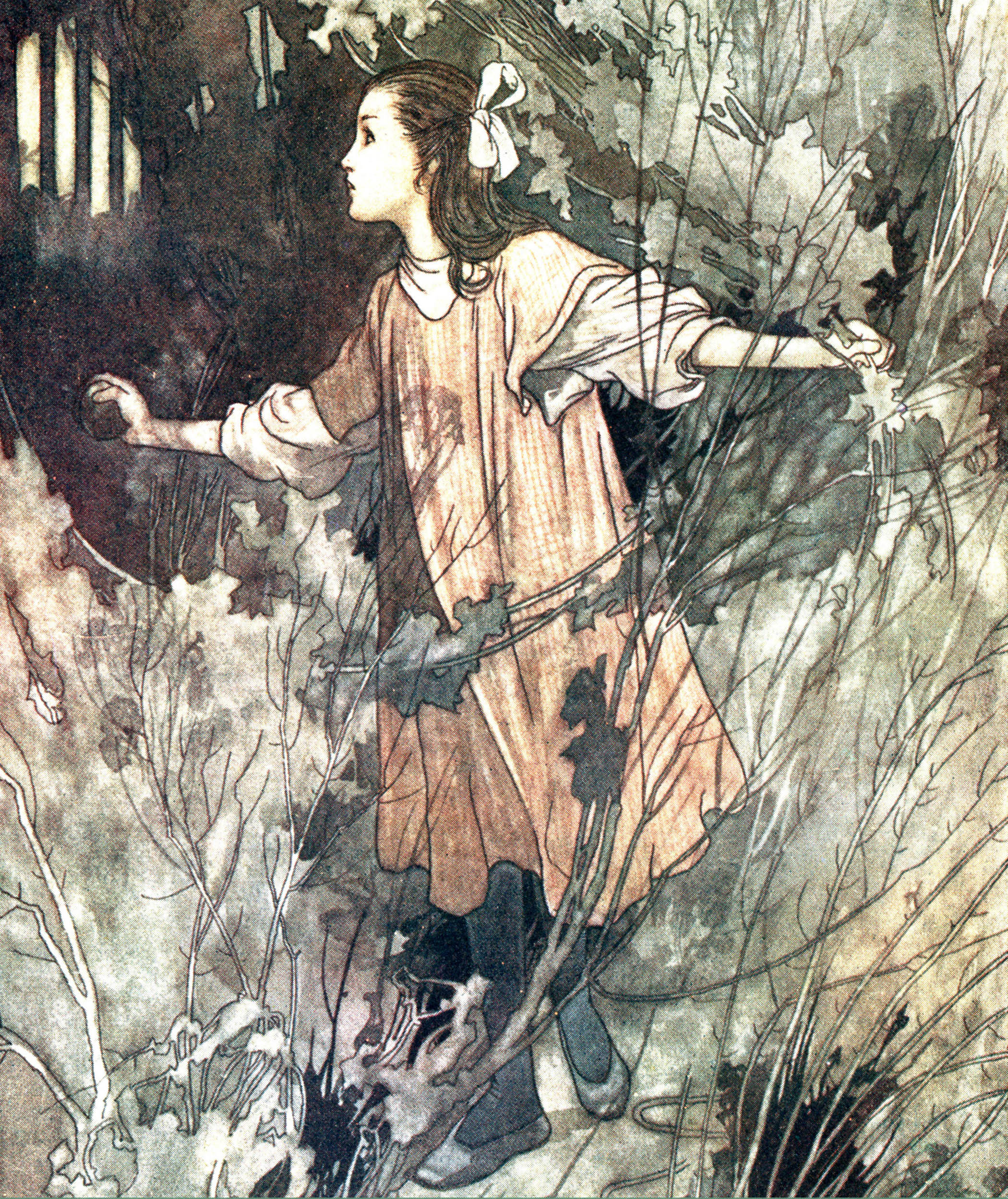
The Secret Garden by Frances Hodgson Burnett
I must have read this when I was about nine or 10, and I remember how disturbing its opening was – mass mortality in a cholera epidemic isn’t the usual currency of children’s books (not to mention the embarrassing blurb inside the cover that suggested it was a story for girls). Two of the main characters start out as thoroughly unlikable, spoilt and selfish brats. But I returned to it regularly.
I think that, for another selfish and sickly child, it was a bracing challenge. The shamelessly obvious metaphor of the healing and renewing life of the natural world opening up the claustrophobia and anxiety of children who were both pampered and emotionally confused worked for me, and still does. It’s a book about “love to the loveless shown, that they might lovely be”, in the words of the hymn.
TAHMIMA ANAM
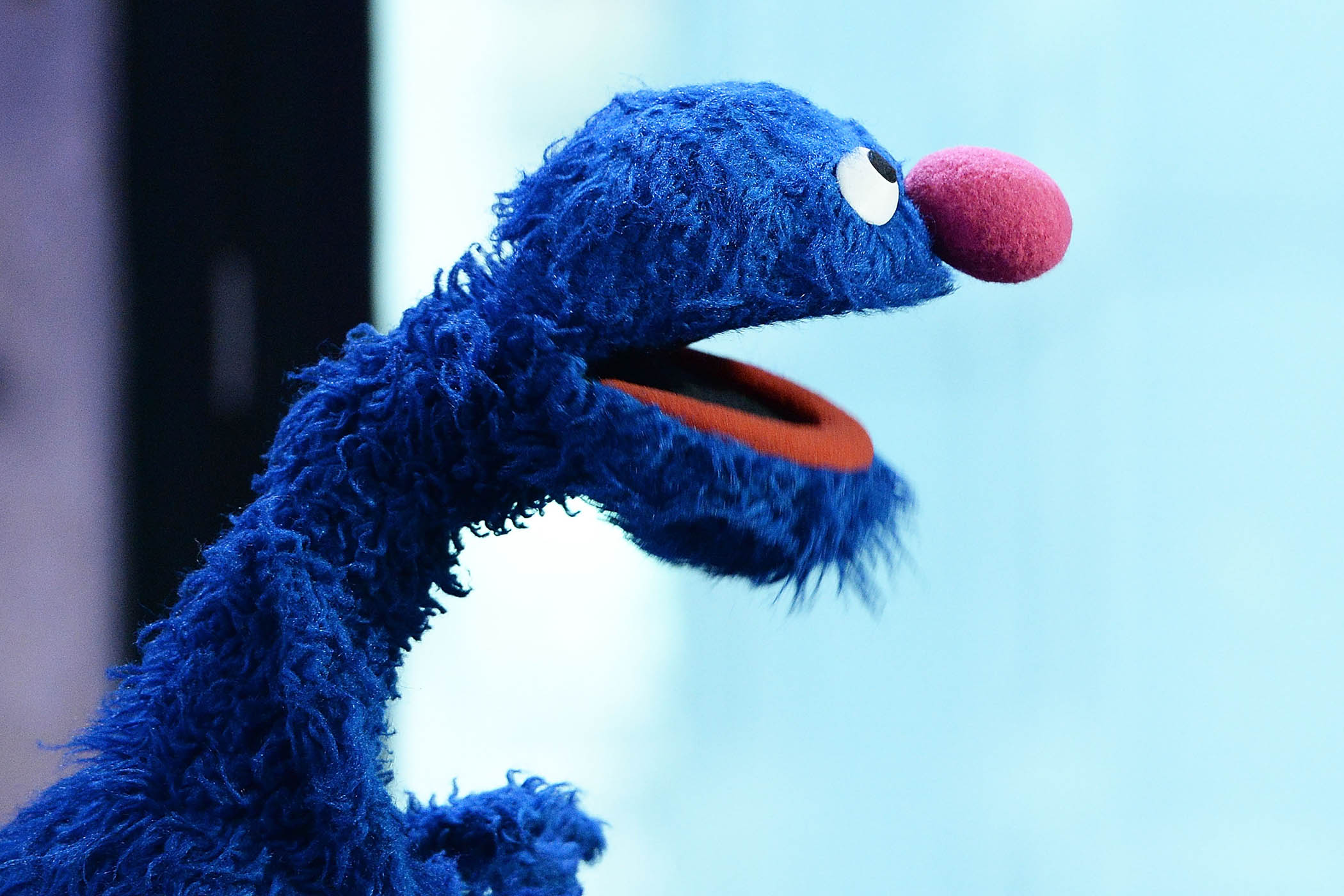
The Monster at the End of This Book by Jon Stone, illustrated by Michael Smollin
I was born in Dhaka, Bangladesh, but when I was seven years old my parents and I moved to New York City. Suddenly, there were bookshops on every corner. My father would return from an errand with an armload of secondhand books (the milk forgotten), one of which was The Monster at the End of This Book.
This book is the reason I became a novelist. It is a masterclass in storytelling, with a charming albeit unreliable narrator, a sustained buildup of tension, and a surprise plot twist at the end. Grover repeatedly advises the reader not to turn the page, because of the monster at the end of the book. Yet in the end, you discover that the monster, in fact, is Grover himself. In fewer than 10 pages, it does what every writer dreams of making: a book you absolutely cannot put down.
SARAH MOSS
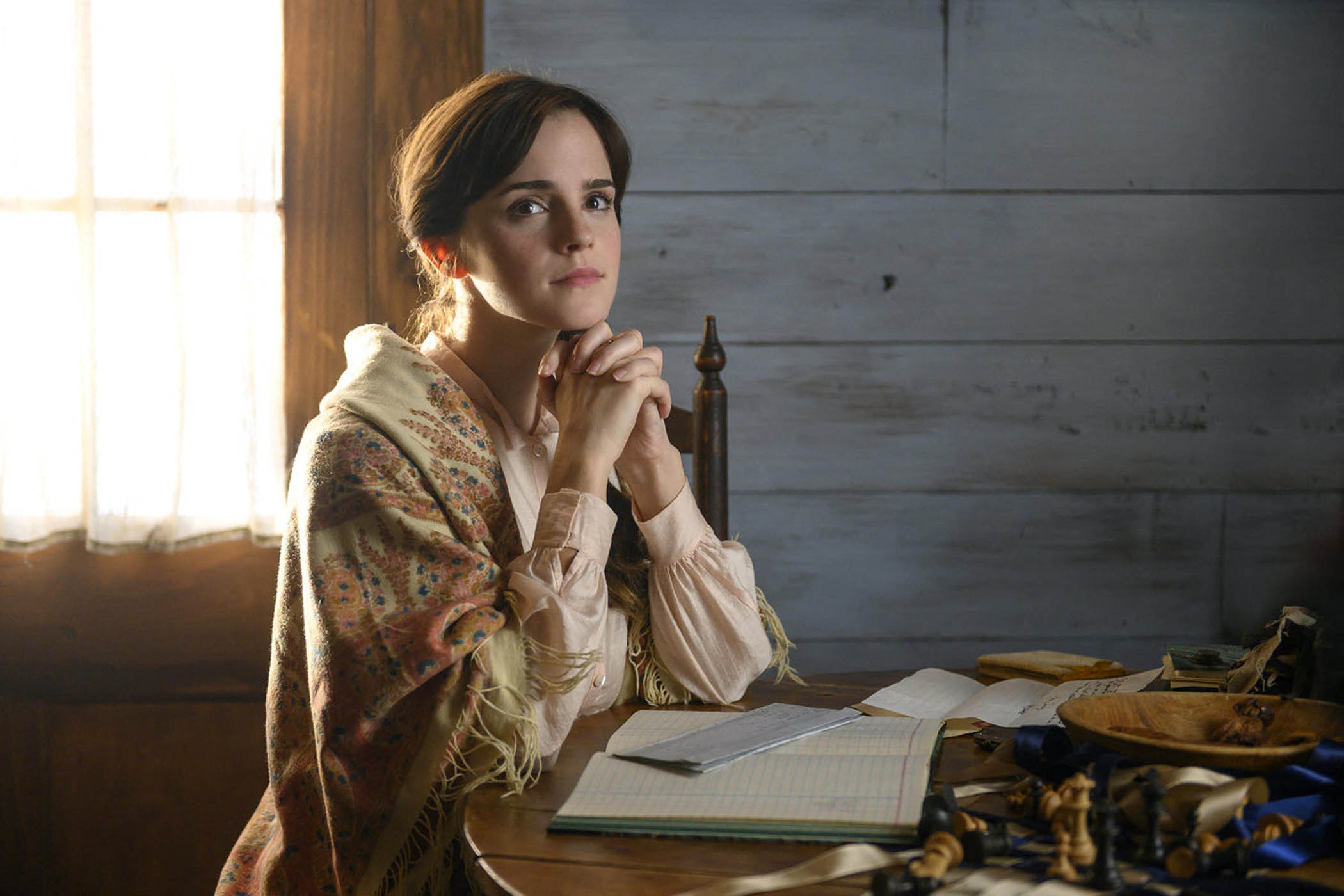
Little Women by Louisa May Alcott
I learned to read late, but once I started, reading was a constant passion and consolation. For children struggling with social integration, fiction can be a mixed blessing: the classics I loved didn’t help me to fit in, and now I can see that some of them were actively unhelpful.
I reread Little Women with fascination and dismay. Each of the March sisters must learn to overcome exactly the characteristic that makes her interesting: Amy has to pay less attention to her art and her appearance; Jo to be less queer and less bookish; Meg to turn away from pleasure and fashion; while the reward for Beth’s self-abnegating perfection is early death. Good girls silence themselves and deny their appetites and their desires. I wouldn’t ban any book, but I’d strongly discourage girls from reading Little Women before they read The Handmaid’s Tale.
YASSMIN ABDEL-MAGRIED
Alanna: The First Adventure by Tamora Pierce
I had never read a fantasy novel until being introduced to this at the age of 11. The first in a quartet, the book follows Alanna, a precocious young girl who is obsessed with becoming a knight in a world where women are forbidden from following that path. She swaps places with her twin brother and trains as a page in the royal court, learning to ride, fight and fence, while becoming besties with the heir to the throne (the Prince Charming) and the King of Thieves (the bad boy).
In Alanna, I met a character who was bending the world to her will, no matter what obstacles were thrown in her way. She believed any barriers to achieving her ambitious dreams were surmountable, and she offered me – a young, outsider child – a blueprint to tackling the world.
DALJIT NAGRA
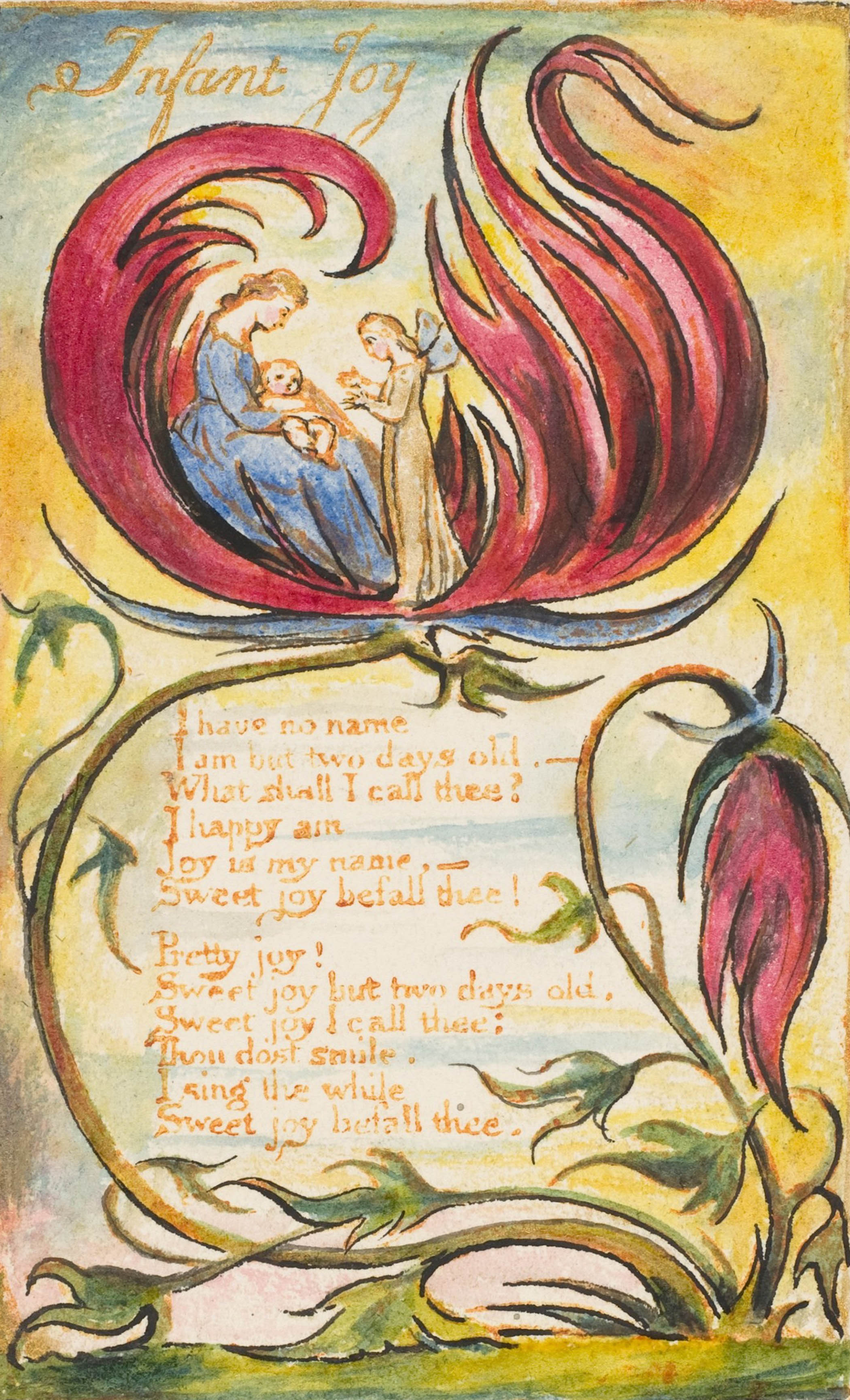
Songs of Innocence and of Experience by William Blake
There were no books at home when I was growing up, but when I heard teachers read poetry in class it had a seismic effect on me. I loved hearing language being patterned into forms of rhythm, rhyme, verse, image. First encountered in my teens, William Blake’s Songs of Innocence and of Experience demanded to be remembered: since then, I have carried a portmanteau of his poems in my auditory imagination.
In his urgent lines, Blake wants children to be revolutionary, to enjoy language by selecting it like fruit from a tree so it feels unique to them. The poems encourage children to seek the truth, to challenge pieties, to ask why some have made a garden of love that is “filled with graves / And tombstones where flowers should be”. Blake’s work is touchstone, benchmark, soulmate – and as relevant now as it was in the 1790s.
Many the books listed in this feature are available from The Observer Shop with 10% off RRP. Free UK standard P&P on orders over £25
Photography and illustrations by Helen Oxenbury, Alamy, Getty Images, Heritage Art
Newsletters
Choose the newsletters you want to receive
View more
For information about how The Observer protects your data, read our Privacy Policy