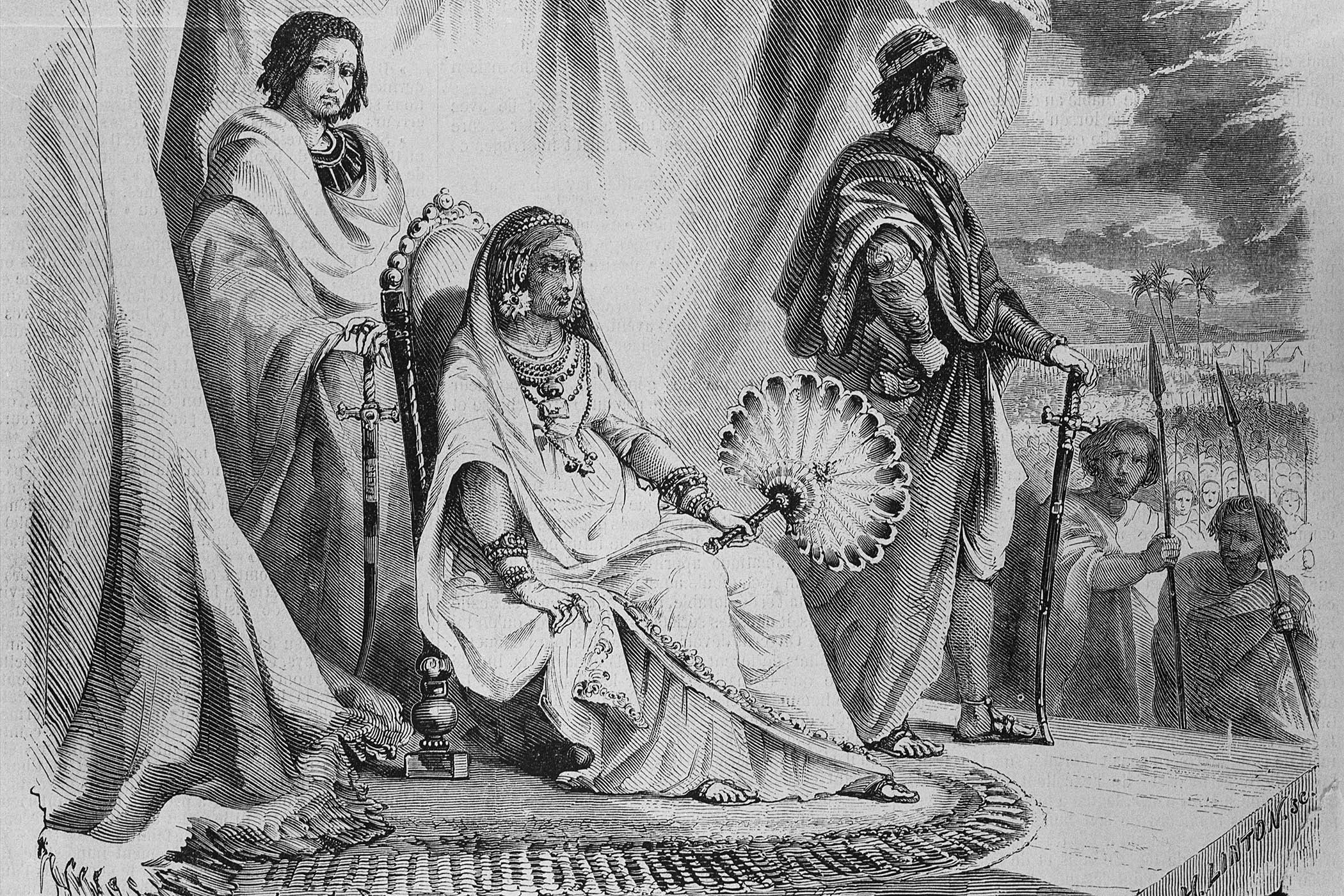

On International Women’s Day, three books exploring feminist utopias and warrior queens
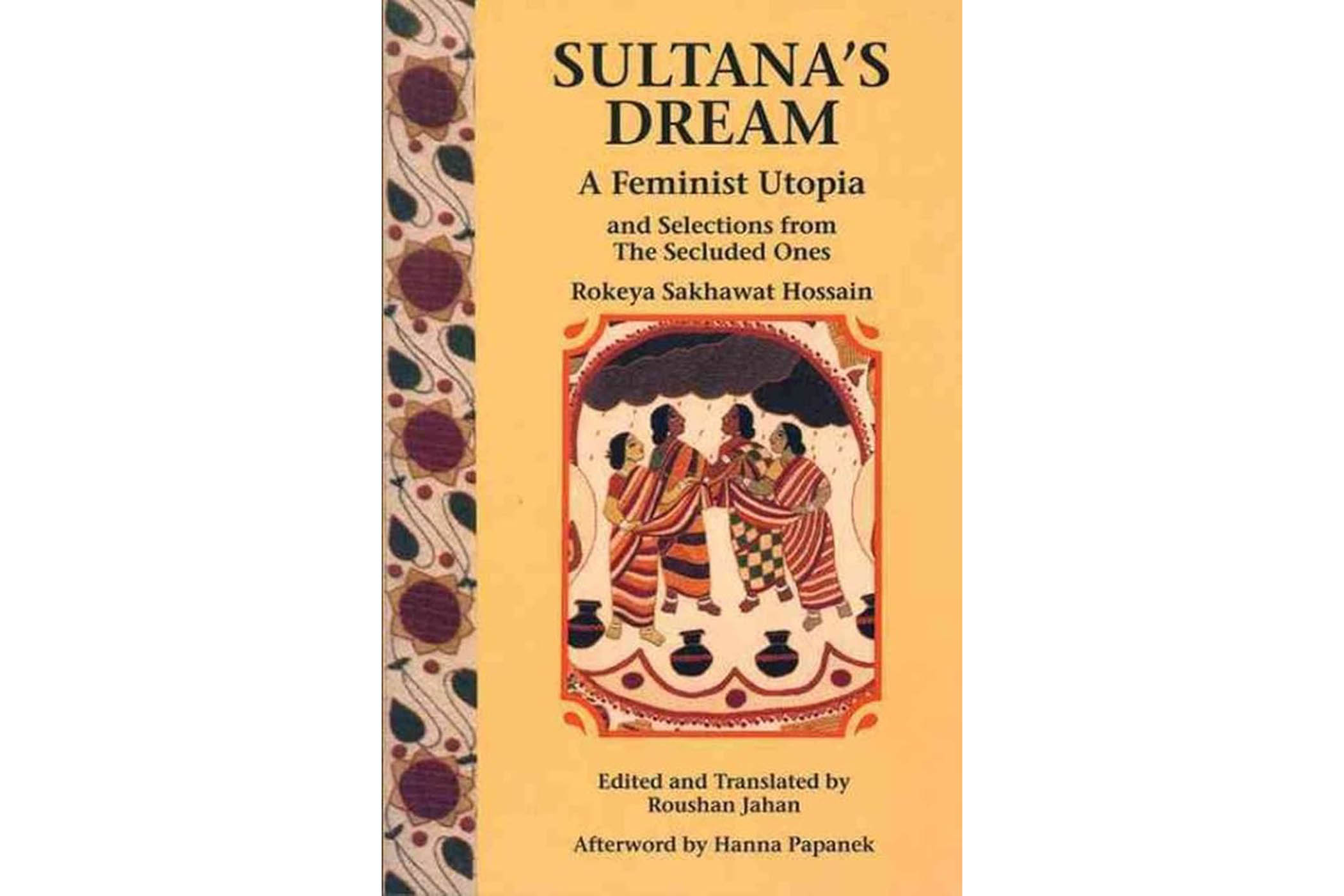
Sultana’s Dream by Rokeya Sakhawat Hossain (1905)
This slim, electric novella imagines Ladyland, a place where women govern. They run universities, draft laws and shape public life, while men are kept indoors, shy of the female gaze. The country runs on solar power, a radical idea for the turn of the last century. Written by Rokeya Sakhawat Hossain, a woman in colonial Bengal, the text uses satire as a social scalpel. Science and serenity replace militarism; education replaces ego. Her feminist utopia is not vengeful but practical, proposing that peace is an infrastructural choice. I return to it often because its clarity and humour still feel startlingly contemporary – an invitation to reimagine our world.
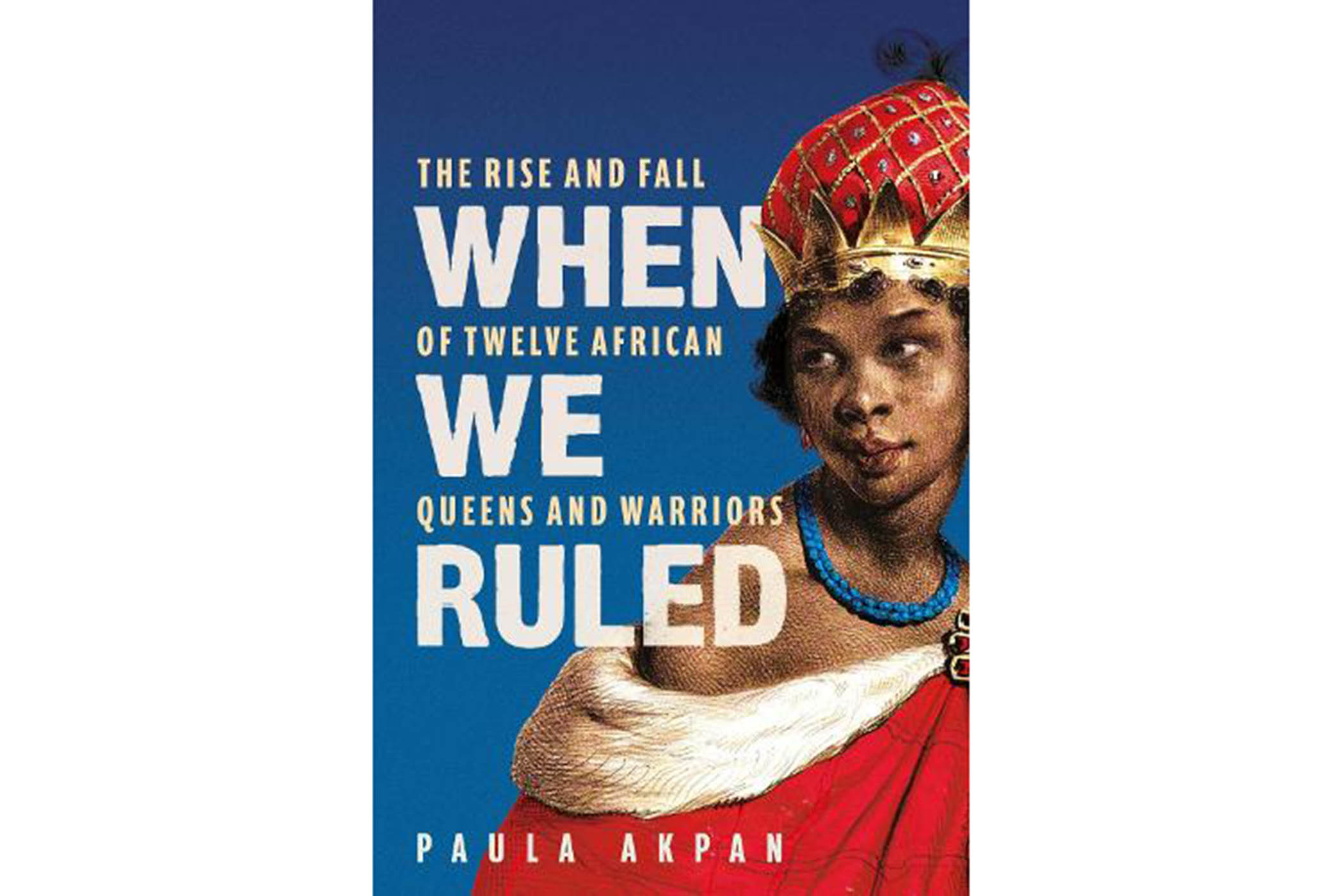
When We Ruled: The Rise and Fall of Twelve African Queens and Warriors by Paula Akpan (2025)
If Hossain imagines an alternative present, Paula Akpan excavates a suppressed past. This sweeping history restores women to the centre of African political power, from the military strategy of Amina of Zazzau to the diplomacy of Njinga of Ndongo and Matamba. The book resists flattening tropes of victimhood or mythic exceptionalism, instead situating these leaders within histories of trade, colonisation and statecraft. Both accessible and rigorous, Akpan’s book is a reminder that matriarchal authority has shaped continents.

Egalia’s Daughters by Gerd Brantenberg (1977)
My favourite. This cult Norwegian novel inverts the gender order with comic precision. In Egalia, women dominate public life, while men are judged for beauty, chastity and domestic skill. Gerd Brantenberg’s linguistic reversals – men are “menwim”; pregnancy becomes a male concern – expose how power hides inside grammar and everyday custom. The text is playful but also cutting, forcing readers to inhabit the absurdities women routinely endure. I love how destabilising it feels; less utopia or dystopia than mirror, it shows that matriarchy in fiction can be as unsettling as patriarchy. An invigorating exploration of inherited power.
Herlands: Lessons from Societies Where Women Make the Rules by Megha Mohan is published by Harvill (£22). Order a copy from The Observer Shop for £19.80. Delivery charges may apply
Photograph of engraving depicting Ranavalo-Manjaka I, queen of Madagascar from 1828-1861, by Roger Viollet via Getty Images
Newsletters
Choose the newsletters you want to receive
View more
For information about how The Observer protects your data, read our Privacy Policy