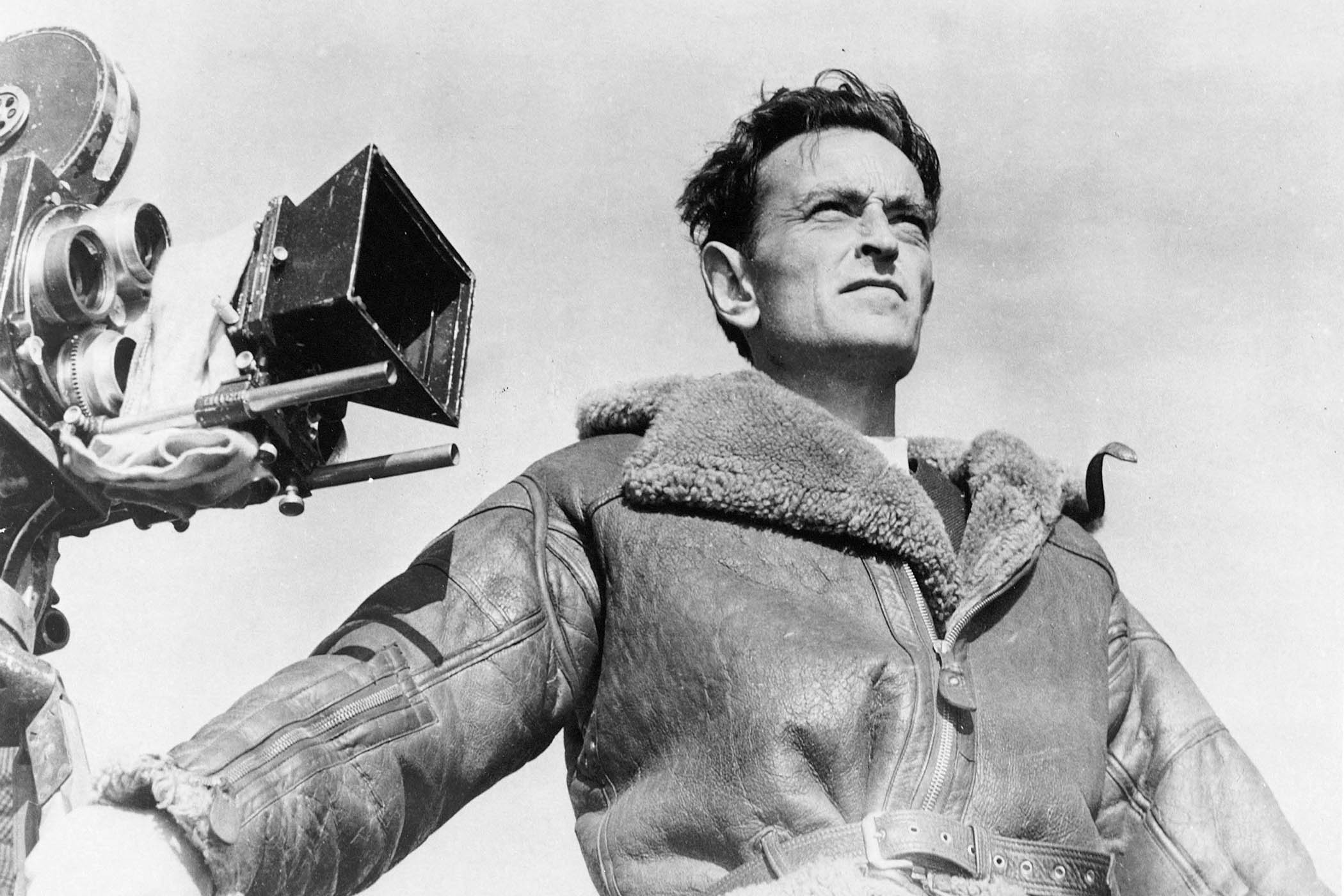

They remain the grandest romantic visions in British cinema: Lara waiting in the snow for her Dr Zhivago, Celia Johnson riven with guilt at the railway station in Brief Encounter, and Lawrence of Arabia crossing the wide screen on his camel.
The worlds created by the great British director David Lean were dramatically beautiful, but also full of yearning. Now a documentary film about his life premiering at the Cannes film festival on Sunday is to reveal that Lean’s childhood was difficult and largely without parental affection, driving him to seek comfort in later life in a string of love affairs and short-lived marriages. Brought up as a Quaker, his strict and critical father had not allowed him to watch films and regarded his son as a dunce, because of his serious reading difficulties.
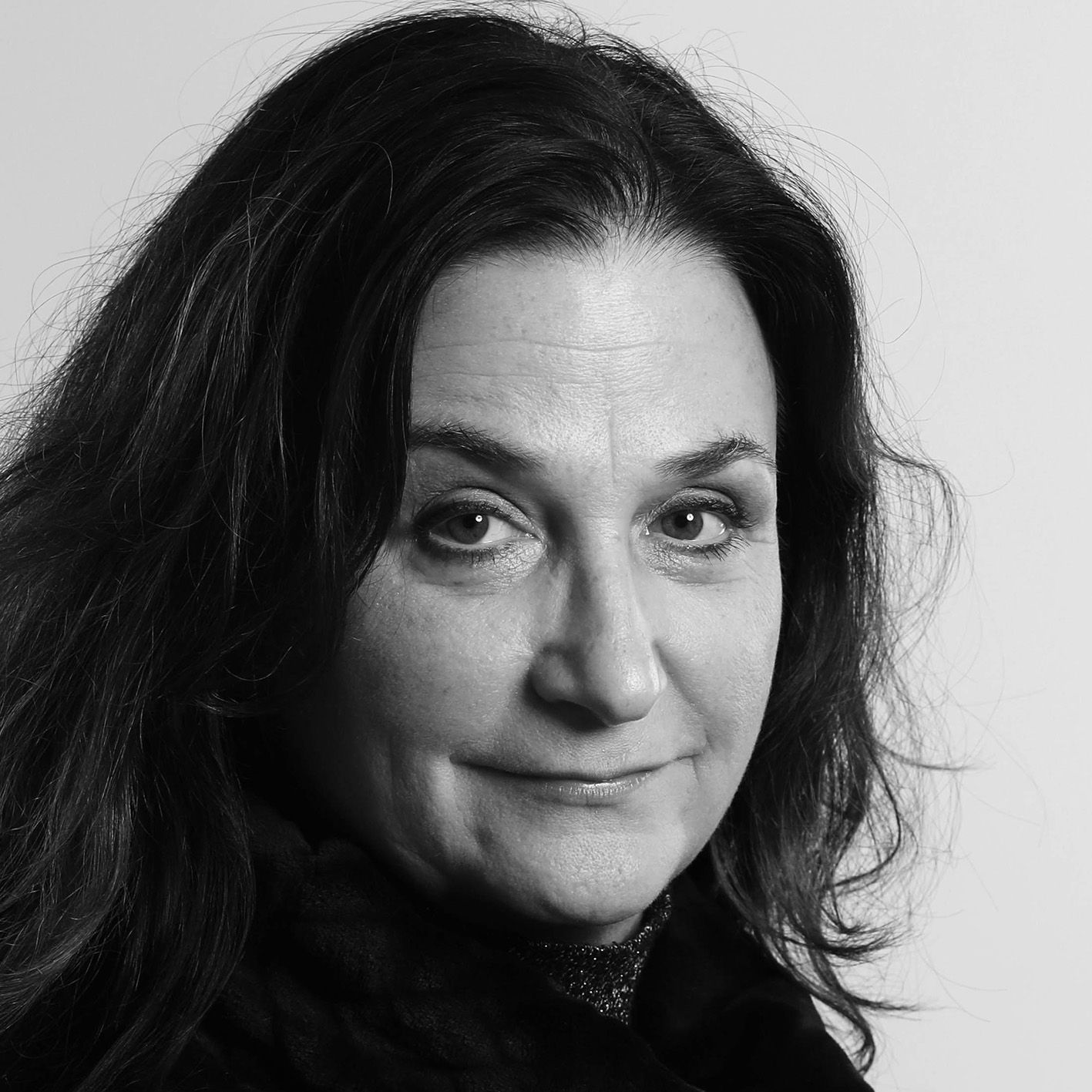
“It is extraordinary to discover that this man, who created some of the most powerful, romantic screen images we have in cinema, was always in search of love and happiness himself, and had grown up with such a sense of his inferiority,” said British director Barnaby Thompson, who researched his new film, Maverick: The Epic Adventures of David Lean, with the help of the David Lean Foundation, reading private correspondence and personal documents that have long been stored away in cardboard boxes. Several emotional letters between Lean and his six wives, and to Lean from his unappreciative father, will now, Thompson believes, alter our perception of the director and his films forever.
“His father died in 1973 and, at that point, he had still never seen any of his son’s films,” Thompson told The Observer this weekend. “Lean did invite him to the premiere of Lawrence of Arabia in 1962, but he didn’t bother to come.” One letter from father to son, seen by Thompson, contains the phrase: “You’re not very good.”
Lean, who was born in Croydon in 1908 and died in 1991, had married two popular screen actresses in succession, Kay Walsh and Ann Todd, as a younger man, but never seemed content in love. He once said: “The excitement of a love affair is hard to beat.”
“Once he had reached the peak of a romantic affair, it seems as if he felt he must move on in order to find that feeling once again,” said Thompson. “This is why I think he had such human sympathy in his films for people who are involved in unhappy love affairs.”
This is the 80th anniversary year of the release of Brief Encounter, which stars Johnson and Trevor Howard in a famously ill-fated liaison. It will screen in Cannes, as will his classic Dr. Zhivago, which is 60 years old and was based on Boris Pasternak’s novel. The director is also now widely loved for his war film, The Bridge over the River Kwai, and for his sentimental Irish rhapsody, Ryan’s Daughter, which received a critical drubbing on its release in 1970. Also for A Passage to India, which came out to great acclaim in 1984.
His black and white treatments of Charles Dickens’s novels Oliver Twist and Great Expectations, made in the 1940s, are also often acknowledged even today as the best adaptations of the novels for the big screen.
In a year when few British films are screening at Cannes and none are in the main competition for the Palme d’Or prize, awarded next weekend, a British film about an English director of such international renown is helping to maintain Britain’s reputation as a film-making nation. Among those influenced by Lean and interviewed in Thompson’s documentary, which is narrated by Cate Blanchett, are Francis Ford Coppola, Steven Spielberg, Wes Anderson, Steven Soderbergh and Paul Greengrass.
Thompson, who also made a film about the playwright, composer and entertainer Noel Coward in 2023, was drawn to Lean, he said, when he found out that, like Coward, the director had not been born into privilege. Like Coward, Lean went on to become an emblem of Englishness and, eventually, a key figure in British culture, due to his visual talent and hard work.
Newsletters
Choose the newsletters you want to receive
View more
For information about how The Observer protects your data, read our Privacy Policy
“It is quite amazing that he could have become such a significant director, from a background like that,” said Thompson. Branded as unintelligent by his accountant father, Frank, who walked out on the family when Lean was young, he was later diagnosed as dyslexic, a condition not understood during his schooldays. As a result, he was attracted to working with images, first as a photographer and then as a film editor.
In the early 1940s, Lean worked on some of the classic films of Michael Powell and Emeric Pressburger and quickly gained a name as one of the best editors in the country. Things changed, though, when Coward suggested that Lean should take on some directing. He eventually worked on films of Coward’s screenplays, including In Which We Serve, This Happy Breed and an adaptation of Coward’s stage comedy Blithe Spirit.
Photograph Alamy