

Borrowing costs for the UK government reached their highest level in decades on Friday. The 10-year bond yield – the interest rate paid on those bonds, referred to in the UK as “gilts” – nudged above 5.1%, to the highest level since 2008.
Bond experts often bemoan the tendency of casual observers to ascribe all market movements to domestic political developments. On Friday, for instance, bond yields rose across Europe, in response to higher oil prices and the resulting pressure that will put on central banks to raise interest rates. It’s not always about Westminster machinations, or who said what to whom.
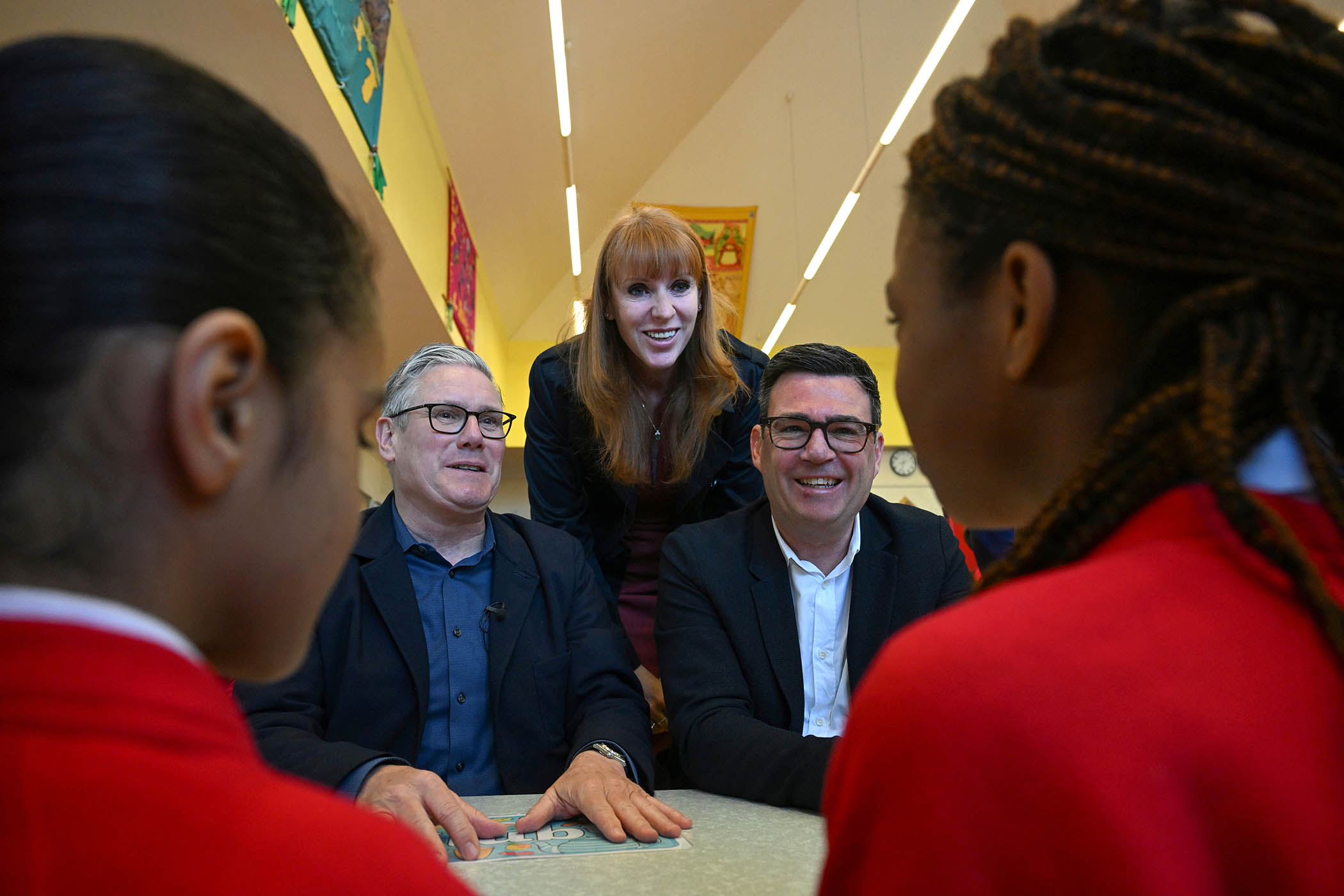
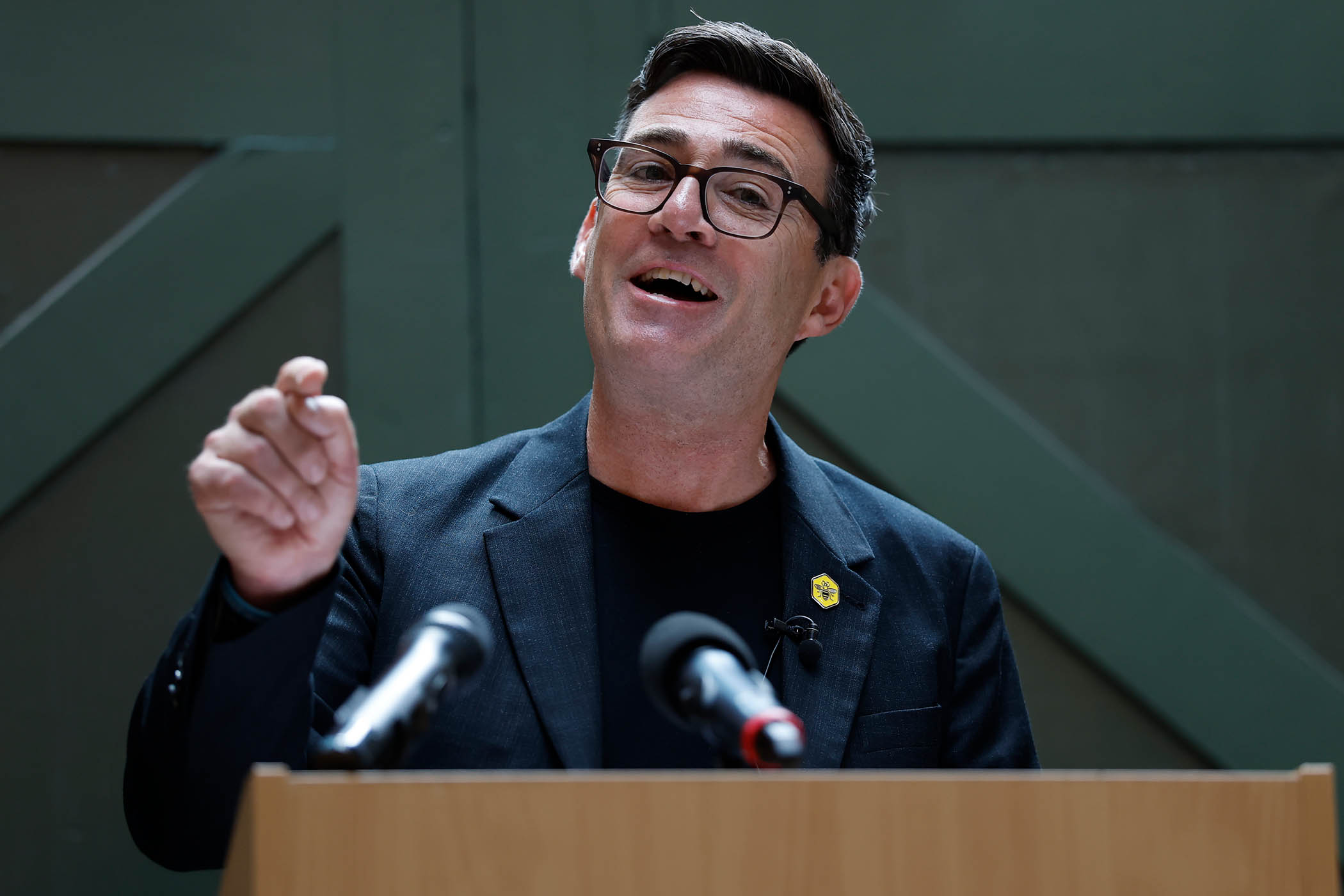
But sometimes it is. The political chaos of last week, and in particular Andy Burnham’s announcement that he plans to run in the Makerfield byelection, has undoubtedly contributed to soaring UK bond yields. There are two big reasons why.
The first is not specific to Burnham. Bond market participants don’t like uncertainty and risk. The world is uncertain enough, amid conflict in the Middle East and geopolitical turmoil everywhere you look. The prospect of an unpredictable byelection and leadership contest adds a great big dollop of UK-specific uncertainty. Market participants may have mixed views on Rachel Reeves and her record, but she’s a known quantity, and they don’t know what might come next.
The second is the widespread expectation that a Burnham premiership would result in higher amounts of government borrowing. Burnham has signalled that he would be willing to borrow more to fund spending on defence, for example, and may need to borrow many tens of billions to take public control of services like water, transport and energy.
We shouldn’t anthropomorphise the bond market. It’s not a sentient being
We shouldn’t anthropomorphise the bond market. It’s not a sentient being
Borrowing more means the government will need to issue more bonds. That would increase the supply of those bonds, and therefore push down the price. A lower bond price means a higher yield (the two move inversely). And, just as significant, higher levels of borrowing could push up inflation and make it more likely that the Bank of England will have to increase interest rates (which feeds through to higher bond yields). This is what markets are pricing in.
We shouldn’t anthropomorphise the bond market. It’s not a sentient being. This isn’t a reaction to personalities, or an attempt to tell the government what it can or can’t do, or can or can’t borrow for. A government led by Burnham would still be able to borrow. The question is, at what price.
Photograph by Paul Ellis - WPA Pool/Getty Images
Newsletters
Choose the newsletters you want to receive
View more
For information about how The Observer protects your data, read our Privacy Policy