
If the general Hollywood rule of thumb is that sequels rarely match the quality of the first film, that goes double – or fourfold, even – for the fourth entry in any franchise: rarely has any series spun itself out that far on pure creative energy. Happily, 28 Years Later: The Bone Temple (now available on demand) is something of an exception.
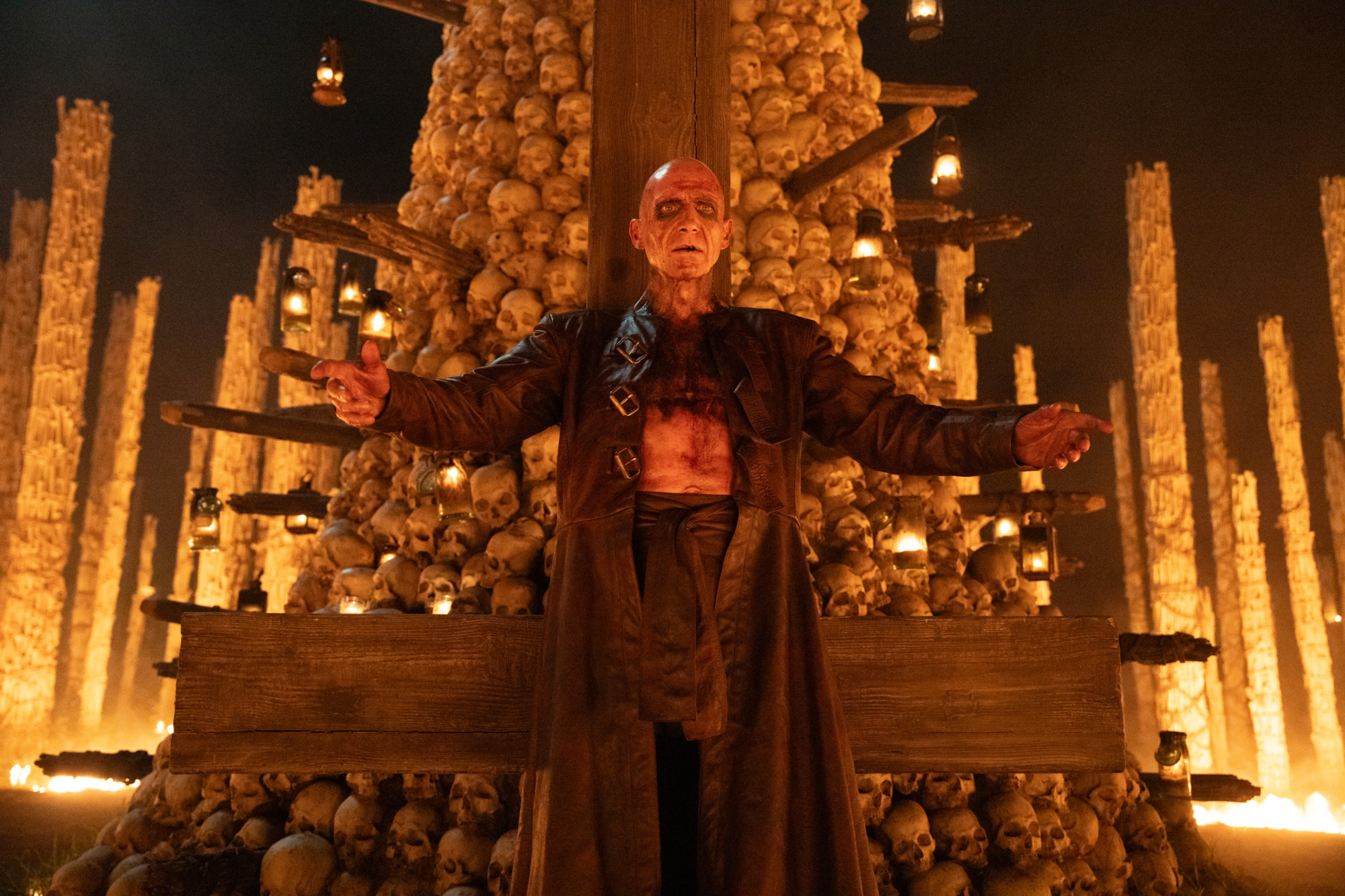
Arriving 24 years after Danny Boyle’s 28 Days Later and a mere year after 28 Years Later– both tautly steered by Danny Boyle – director Nia DaCosta’s gnarly extension of the British zombie-apocalypse saga surprises, not just by being good grisly fun, but by going in its own direction with the material. If the sinewy, high-stakes survivalist narrative is familiar, the cockeyed – occasionally even goofy – sense of humour that DaCosta brings to it is fresh.
The tonal swerve is all the more unexpected given the continuity of the storytelling: there’s no scene-setting or recapping, and any newcomers to the franchise will be lost. It begins with Spike (Alfie Williams), the plucky young hero of 28 Years Later, brutally initiated into the Fingers, a satanic,Jimmy Savile-styled gang led by a riotous, leering Jack O’Connell. On the quieter end of the storyline, Ralph Fiennes’s solitary, melancholic survivor constructs a monument to honour those killed in the rage virus outbreak that tore through the three previous films.
O’Connell and Fiennes’s characters are put on a surprisingly unhurried collision course, challenging each other’s masculine dominance and spiritual authority. Between bouts of flesh-tearing hyper-violence and absurdist camp spectacle, much of The Bone Temple is rewarding talky and contemplative, and it’s Fiennes’s wry, doleful performance that mostly sets the pace for the proceedings. Would that other recycled blockbuster franchises had the temerity to be this still and strange.
It’s a welcome reminder that the best sequels are often those that try a new approach – or , in some cases, even a new genre. The best example remains Aliens, in which James Cameron brazenly threw out the claustrophobic chamber-horror design that made Ridley Scott’s Alien so successful, and built a gung-ho action epic from the same sci-fi concepts.
In Evil Dead II, Sam Raimi took a sledgehammer to his own horror creation, refashioning the severe demonic terrors of The Evil Dead as obstacles in a wild, knockabout comedy that somehow didn’t cheapen the effect of the original. A third film, Army of Darkness, retained the comic tone while veering into a macho action-adventure spoof, but wasn’t as heedless or as fun.
Some genre pivots can be a bridge too far. The crowds went wild for Joker spinning its tired Batman-villain lore into a dour psychodramatic character study, but few were in the mood for Joker: Folie à Deux’s gallows musical. I respected its daring, though: if Hollywood must keep repurposing IP, we need fewer carbon copies – and more weird mutations.
Photograph by Sony Pictures
Newsletters
Choose the newsletters you want to receive
View more
For information about how The Observer protects your data, read our Privacy Policy