

Normal
(88 mins, 15) Directed by Ben Wheatley, starring Bob Odenkirk, Ryan Allen, Billy MacLellan
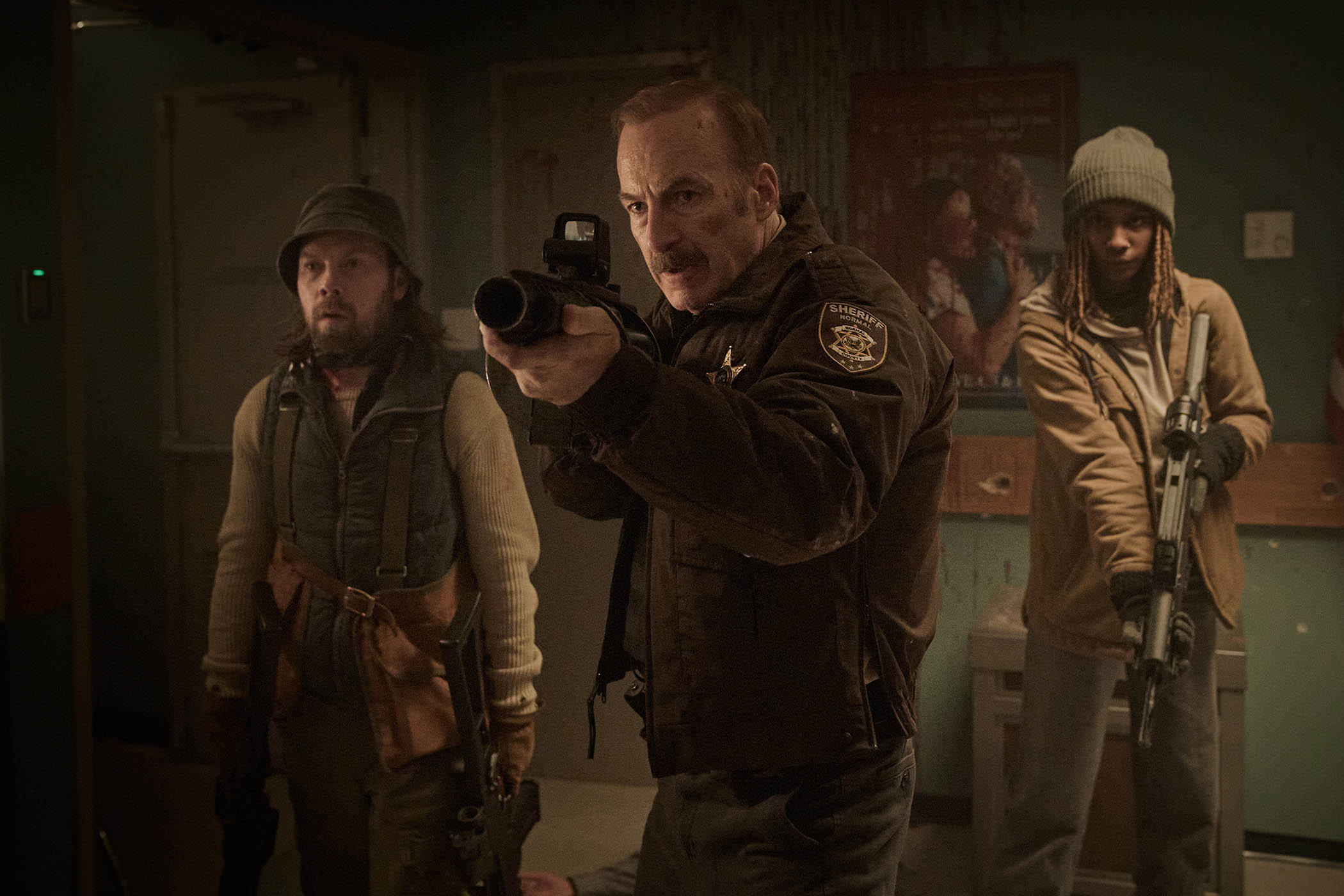
The locations – a brief prelude in a yakuza hideout in Osaka, followed by the raw meat of the story in snowy, small-town Minnesota – might be new. But this is extremely well-trodden territory for both the director Ben Wheatley and star Bob Odenkirk.
The actor plays temporary sheriff Ulysses Richardson, a law enforcement supply teacher who keeps things ticking over while the town of Normal, Minnesota, decides on a replacement for its tragically deceased former police chief Sheriff Gunderson (spot the Fargo reference). It’s a cosy little community; the kind of place that supports a yarn shop and knitting emporium and has a moose as its local celebrity. But the fact that almost every available inch of wall space is covered in guns is a hint of the violence lurking under the chintz.
Another giveaway is the name Derek Kolstad on the writing credits. The man behind the John Wick films and the Odenkirk-starring Nobody pictures, Kolstad is a leading proponent of the ultraviolent, everyman badass genre. Odenkirk, who co-wrote the story, has found a comfortable niche as the quiet bloke who is just trying to keep his head down and mind his own business yet who displays a talent for inventive carnage when the need, inevitably, arises.
Wheatley, meanwhile, has already demonstrated his grasp of bullet-strewn mayhem with the wildly excessive and gory warehouse shoot-’em-up Free Fire. Normal is deliriously messy stuff – any film that has an illicit dynamite store as a narrative device is inevitably going to leave a few entrails on the snow – but the mess extends to the plotting, which bears holes so vast you could drive a snowplough through them.
Obsession
(108 mins, 18) Directed by Curry Barker; starring Michael Johnston, Inde Navarrette, Cooper Tomlinson
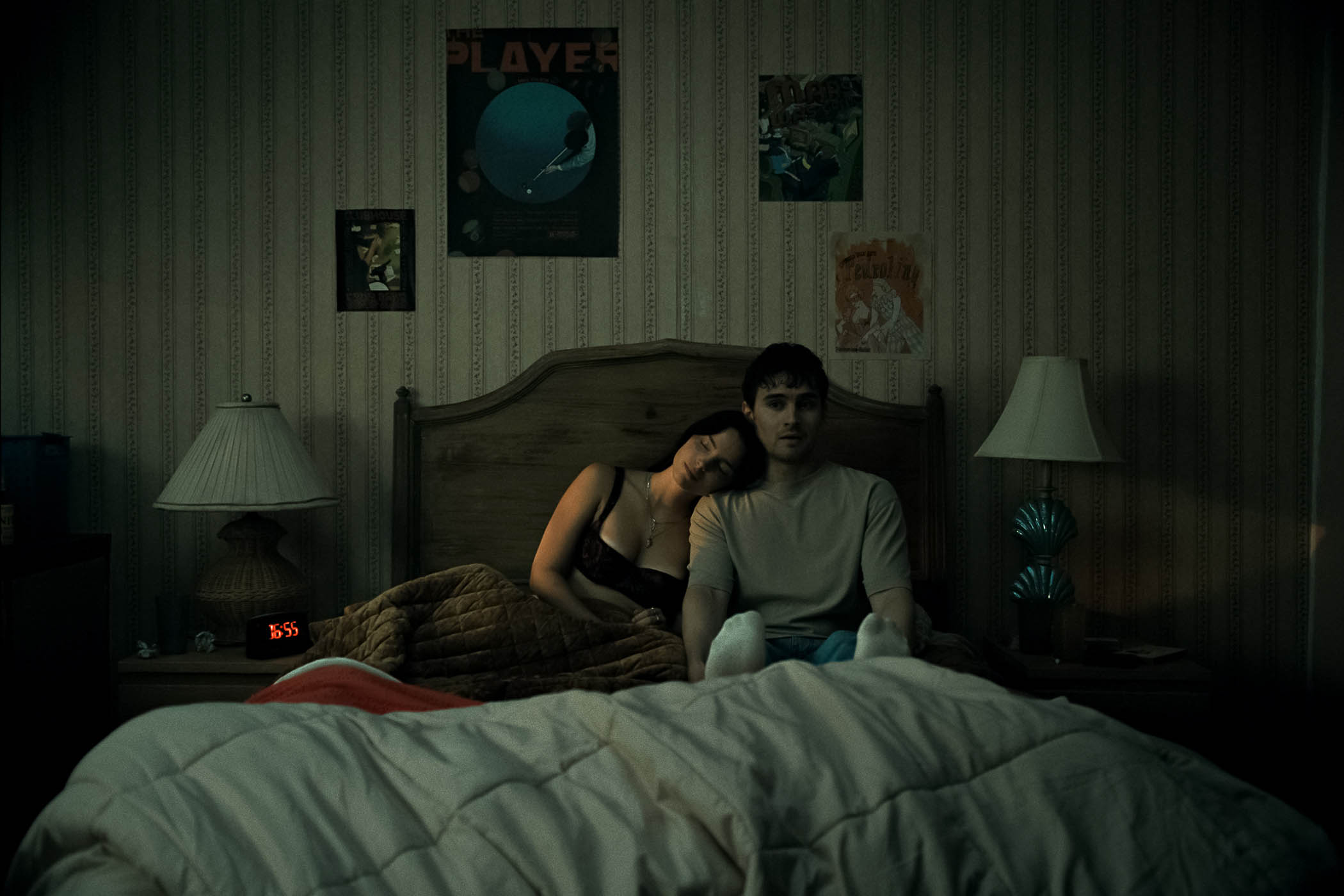
The wildly entertaining second feature from the film-maker Curry Barker is the latest addition to the subgenre of evil-artefact horror. It joins a select group of movies featuring cursed objects that includes Ring (haunted videotape), Hellraiser (devilish puzzle box) and the Philippou brothers’ supremely scary Talk to Me (embalmed hand).
In contrast, the artefact in Obsession, a collectable 1980s novelty joke shop toy called a “One Wish Willow”, initially seems harmless. But hopelessly smitten sad sack Bear (Michael Johnston) discovers that his wish comes at a cost when he asks the willow to grant him the undying love and devotion of his crush, his unattainably cool colleague Nikki (Inde Navarrette).
Newsletters
Choose the newsletters you want to receive
View more
For information about how The Observer protects your data, read our Privacy Policy
The wish works. Bear is nonplussed but cautiously delighted as the girl who had previously relegated him to the friend zone now stares at him with undisguised longing. But there’s something off about Nikki’s all-consuming passion, and it’s here that the film’s secret weapon – Navarrette’s gloriously performance – really comes into play.
She’s terrifically creepy, her singsong voice switching on a dime to a tortured howl of rage, then back again. Her eye-watering, bastardised version of Hansel and Gretel, performed to an appalled room full of Bear’s drinking buddies, is worth the price of admission alone.

Orphan
(133 mins, 15) Directed by László Nemes; starring Bojtorján Barabas, Grégory Gadebois, Elíz Szabó
The Hungarian director László Nemes’s latest film is not quite as bruising as his debut, the harrowing Holocaust drama Son of Saul. But it’s a challenging, exhausting watch, nonetheless. It tackles a slightly later period in European history: the main story takes place in Hungary, shortly after the 1956 uprising was quashed by the Soviets. And there’s a loose thematic link with Nemes’s debut in that both films deal with complex father-son relationships.
Andor (Bojtorján Barabas), a stony-faced urchin with angelic golden curls and a devilish temper, has been raised by his single mother to believe that his father was a hero. The absent idealised patriarch is a core part of the boy’s identity; he sneaks to the basement of his apartment to whisper prayer-like messages to his dad.
Then another man crashes into his life – a brutish butcher who lays his meaty proprietorial hands on his mother and who claims to be his father. They have little in common beyond the explosive anger that punctuates the feature with increasing frequency.
The picture looks terrific: the scars and ravages of the postwar period are everywhere, and there’s an oily quality to the light that feels bleakly authentic. But the story, with its cycles of rage and violence, runs out of momentum.
Northern Soul: Still Burning
(91 mins, 15) Directed by Alan Byron
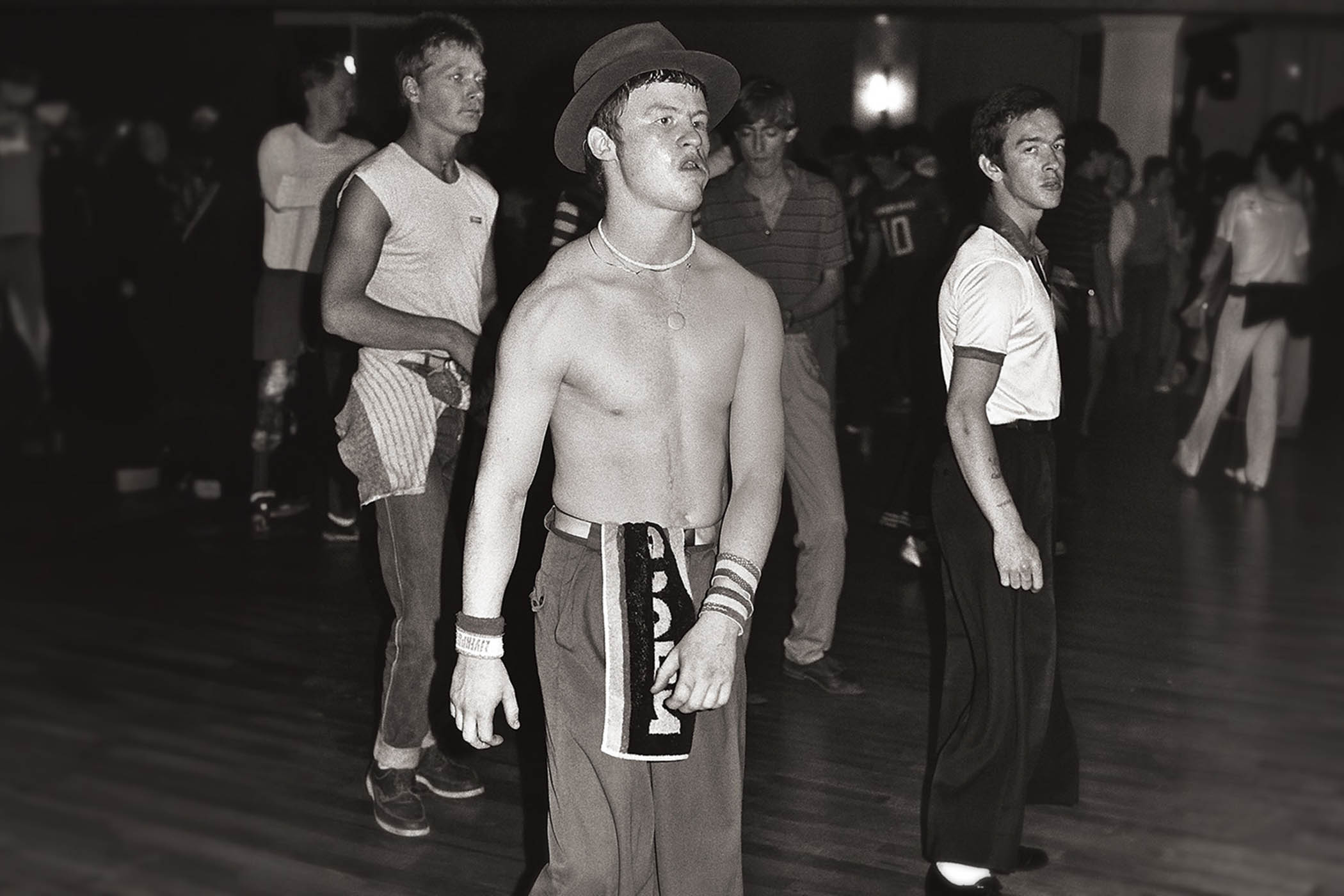
Very little footage was shot in the Wigan Casino during the sweat-drenched all-nighters that spawned an organic British youth movement. And, thanks to a combination of time passed (northern soul, fed by obscure 1960s American soul music, has its roots in the early 1970s) and the industrial quantities of amphetamines consumed, the memories of the birth of the movement are not as sharp as they could be. We hear, repeatedly, that it was all about the music, but there are disappointingly few concrete anecdotes to anchor this affectionate tribute. Still, the film paints an intriguing picture of a youth culture scene that was both inclusive and open, and at the same time riven by divisions. Most importantly, both for northern soul aficionados and new audiences, the music is punchy, joyful and eminently danceable.
Photograph by Courtesy of Focus Features, MUBI