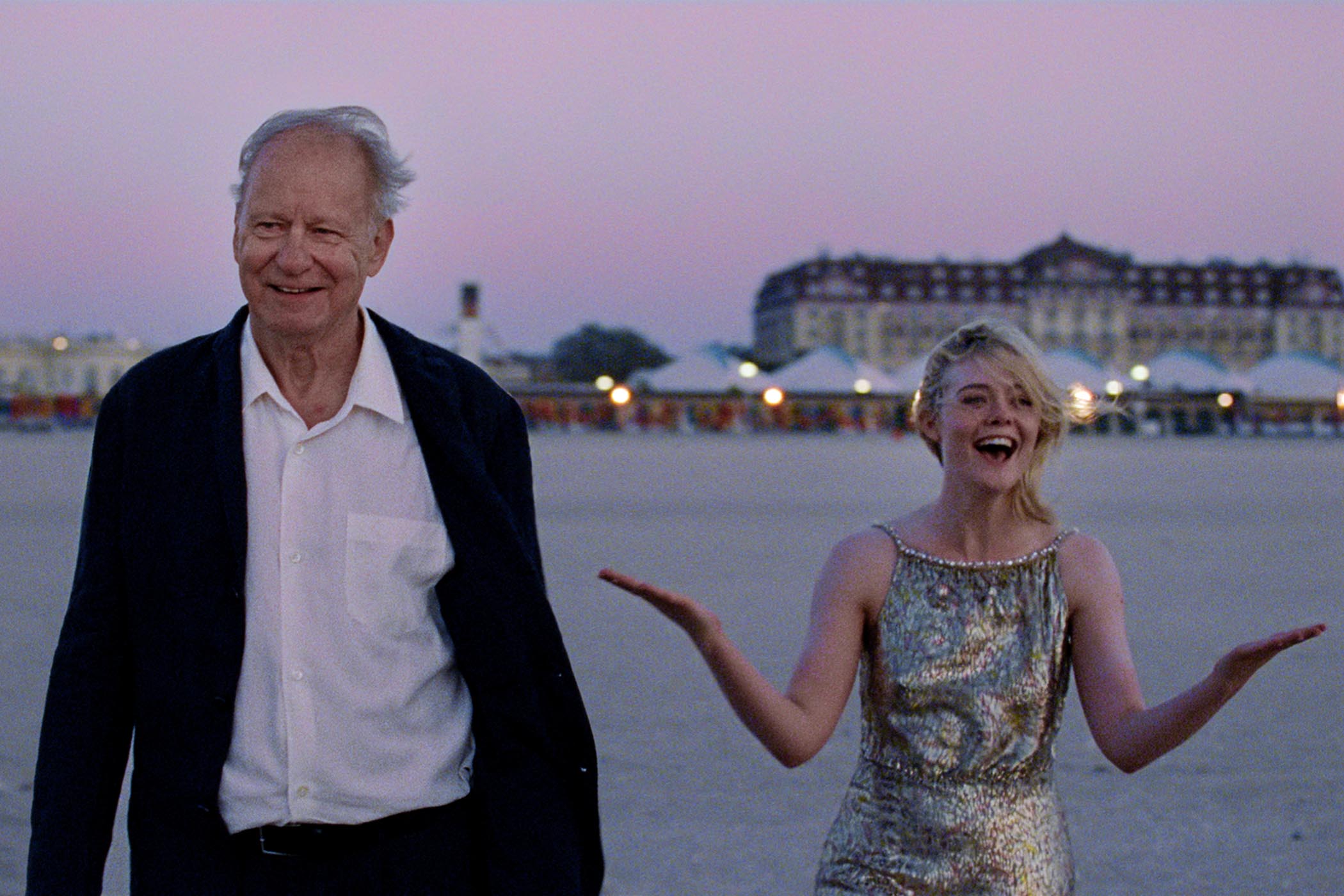



Sentimental Value
There are certain things that we can safely expect from a Joachim Trier film. One is an elegant, intelligent, impeccably structured screenplay. The director and his regular writing partner, Eskil Vogt, have a knack for slipping substantial themes into scripts characterised by their breezy wit, grace and playfulness. Trier’s previous film, The Worst Person in the World, dealt with terminal cancer, guilt and grief with humour and joy. His latest movie, acutely observed and frequently droll, explores the cracks of generational trauma that run through a family.
The other expectation that comes with a Trier picture is that it will contain some of the finest performances of the year. In Sentimental Value he reunites with The Worst Person’s breakout star, Renate Reinsve, who is terrific as Nora Borg, a celebrated but erratic Norwegian stage actor. After the death of their mother, Nora and her sister, Agnes (Inga Ibsdotter Lilleaas, also excellent, albeit in a less showy role), reconnect with their semi-estranged father, film-maker Gustav Borg (Stellan Skarsgård).
It’s a tense reunion: Gustav chose his art above his family, a decision that perhaps made more sense while his career was thriving. Now that he hasn’t made a film in more than a decade, his hopes of getting back behind the camera rest on Nora accepting a role he claims he wrote for her.
The setting for this family collision is the characterful but slightly run-down Oslo house where two generations of the Borgs spent their childhoods. Skarsgård is magnificent as the charismatic, unreliable Gustav, but the film’s secret weapon is Elle Fanning’s hapless US starlet, who replaces Nora in Gustav’s movie and is searching for meaning and a mentor where neither exists.
Avatar: Fire and Ash
(197 mins, 12A) Directed by James Cameron; starring Sam Worthington, Zoe Saldaña, Oona Chaplin
The third film in James Cameron’s Avatar series is, at three bladder-bothering hours and 17 minutes, the longest yet. Jake (Sam Worthington) and Neytiri (Zoe Saldaña) and their family grieve the death of their eldest son, Neteyam, while life on Pandora is riven by yet more conflict. Violence is meted out by colonising human forces on one side and a warlike Na’vi tribe, the Ash People, on the other.
An orphaned human child raised by the Na’vi, Spider (Jack Champion), miraculously develops the ability to breathe the Pandoran atmosphere, an evolution that has ominous ramifications. And that’s about the sum of it as far as the somewhat meagre plot goes. Fire and Ash might be technically accomplished, but the story isn’t strong enough to support the weight of the spectacle. Even worse is the synthetic hyper-clarity of the visuals: dazzling yet emotionally dead.
The Six Billion Dollar Man: Julian Assange and the Price of Truth
Newsletters
Choose the newsletters you want to receive
View more
For information about how The Observer protects your data, read our Privacy Policy
(129 mins, 15) Directed by Eugene Jarecki; featuring Julian Assange, Edward Snowden, Jennifer Robinson
Eugene Jarecki (Why We Fight, The House I Live In) is the latest in an impressive roster of documentary film-makers, also including Alex Gibney and Laura Poitras, to dig into the knotty story of WikiLeaks founder Julian Assange. Exhaustively researched and tightly edited, The Six Billion Dollar Man has the nervy, propulsive rhythms of a conspiracy thriller and a wide-ranging collection of interviewees, from whistleblower Edward Snowden and an oddball figure known as “Siggi the Hacker” to the actor Pamela Anderson.
Perhaps unavoidably, the film is partisan in its approach: Jarecki acknowledges that Assange is a divisive figure but skews towards a sympathetic reading of the controversies that have dogged him (including sexual assault allegations). It’s not the definitive account of the Assange story – that would require an interview with the man himself, something conspicuously absent here – but it’s probably the closest we have to date.
The Housemaid
(131 mins, 15) Directed by Paul Feig; starring Sydney Sweeney, Amanda Seyfried, Brandon Sklenar
Recently released from prison and living in her car, Millie (Sydney Sweeney) has limited options. A job as a housekeeper for highly strung trophy wife Nina (Amanda Seyfried) and her hunky husband, Andrew (Brandon Sklenar), seems like a perfect opportunity. But a pointed closeup of wallpaper with a nest of vipers motif sounds a warning, as does the fact that Millie’s spartan attic room locks from the outside.
Remarkably, the production design is not even the least subtle thing in this lurid, unapologetically trashy suspense picture by Paul Feig. Sweeney and Seyfried attack their respective roles with gusto, but the plotting is too disingenuous and contrived to deliver much in the way of satisfying thrills.
The SpongeBob Movie: Search for SquarePants
(96 mins, PG) Directed by Derek Drymon; starring Tom Kenny, Rodger Bumpass, Clancy Brown
The animation style might have evolved since the first cinematic outing for the rectangular undersea goofball in 2004, but the fourth film adventure for SpongeBob and his best friend, Patrick the starfish, is reassuringly familiar in other ways. Powered by a frenetic, Looney Tunes-style energy, Search for SquarePants revels in the surreal silliness of a plot that sees the impressionable SpongeBob lured from Bikini Bottom by a cursed phantom pirate, the Flying Dutchman (Mark Hamill). SpongeBob fulfils a series of tasks – the video game-style structure and embrace of absurdity reminded me of Hundreds of Beavers – in the hope of earning his swashbuckling certificate. But piratical peril lurks in every corner of the ocean.
Photographs by Kasper Tuxen Andersen/ AP