

The Voice Of Hind Rajab
(89 mins, 15) Directed by Kaouther Ben Hania; starring Saja Kilani, Motaz Malhees, Clara Khoury
The latest docu-fiction hybrid work by the Tunisian director Kaouther Ben Hania is one of the most distressing films I have viewed in the last decade. How could it not be? The film recreates, in wrenching detail, the minute-by-minute plight of six-year-old Hind Rajab, a terrified child pleading to be rescued from the bullet-riddled vehicle in Gaza in which she was trapped along with the bodies of five members of her family. We don’t see Hind – the film is told from the dramatised points of view of the Red Crescent emergency response volunteers who took her call. But the voice we hear is hers: Ben Hania uses the audio recordings of Hind’s calls to the volunteers.
It’s a powerful device, but one that raises highly charged ethical questions. Ben Hania was granted permission to use Hind’s voice by the child’s mother and the director’s stated aim – to speak on behalf of the many children who found themselves on the frontline of the Gaza war – is laudable. But I can’t help but feel there is something queasily cynical and manipulative about appropriating the last traumatic moments of a child’s life as the basis for a piece of cinema entertainment.
It doesn’t help that some of the dramatised elements – the fraught, behind-the-scenes tensions between the Red Crescent volunteers – can seem a little strident, overwrought and contrived. I’m usually an admirer of Ben Hania’s inventive approach to blending fact and fiction film-making; her previous picture, Four Daughters, was a remarkable work. But in this case, I wonder if a more conventional documentary approach might have better served the story.
Rental Family
(110 mins, 12A) Directed by Hikari; starring Brendan Fraser, Takehiro Hira, Mari Yamamoto
An unemployed American actor living in Tokyo, Phillip (Brendan Fraser) is initially hesitant about working for a “rental family” agency that hires out performers to fulfil roles in the lives of their clients. But he has a gift for it, and soon his agency gigs go from “sad American at a funeral” to a fictitious journalist interviewing an ageing former film star (Akira Emoto) and the stand-in father of a little girl called Mia (Shannon Mahina Gorman). The roles may be fake, but the connections Phillip forges are real, filling gaps in his own emotionally impoverished existence and – in that hoariest of culture clash tropes – teaching him valuable life lessons along the way.
Well, that’s the intention. But although Fraser plays the character with an almost childlike naivety, there’s something rather off-putting about this big wet sponge of a man who believes all too readily in the roles he is assigned to play. There is, perhaps, an interesting film somewhere underneath the sentiment and the shots of Fraser pulling his rueful doofus face; a darker, more uncomfortable film dealing with a foreigner misreading a uniquely Japanese cultural phenomenon. But this disappointingly bland and risk-averse storytelling is too toothless to have anything substantial to say on the matter.

‘Bafflingly uninvolving’: Matt Damon and Ben Affleck in The Rip
The Rip
Newsletters
Choose the newsletters you want to receive
View more
For information about how The Observer protects your data, read our Privacy Policy
(133 mins, 15) Directed by Joe Carnahan; starring Matt Damon, Ben Affleck, Steven Yeun
Matt Damon and Ben Affleck reunite in this bafflingly uninvolving Miami-based cop drama by Joe Carnahan. Inspired by real events, the film unfolds in the aftermath of the killing of a police captain (Lina Esco), who also happened to be the girlfriend of Affleck’s character, Det Sergeant JD Byrne. Following a tip off from an unknown source, Lieutenant Dane Dumars (a careworn, crumpled Damon) leads a raid on a gangland safehouse and finds upwards of $20m stashed in the roof. Tensions between Dane and his team (which includes performances by Teyana Taylor, Catalina Sandino Moreno, Steven Yeun and an adorable beagle) rapidly escalate. Is someone trying to steal the money? And if so, did they murder the captain for it?
Despite, or perhaps because of all the jostling egos, shouting and shooting, this is a baggy mess of a picture that fails to muster much in the way of suspense, or even to persuade us that we should care one way or another.
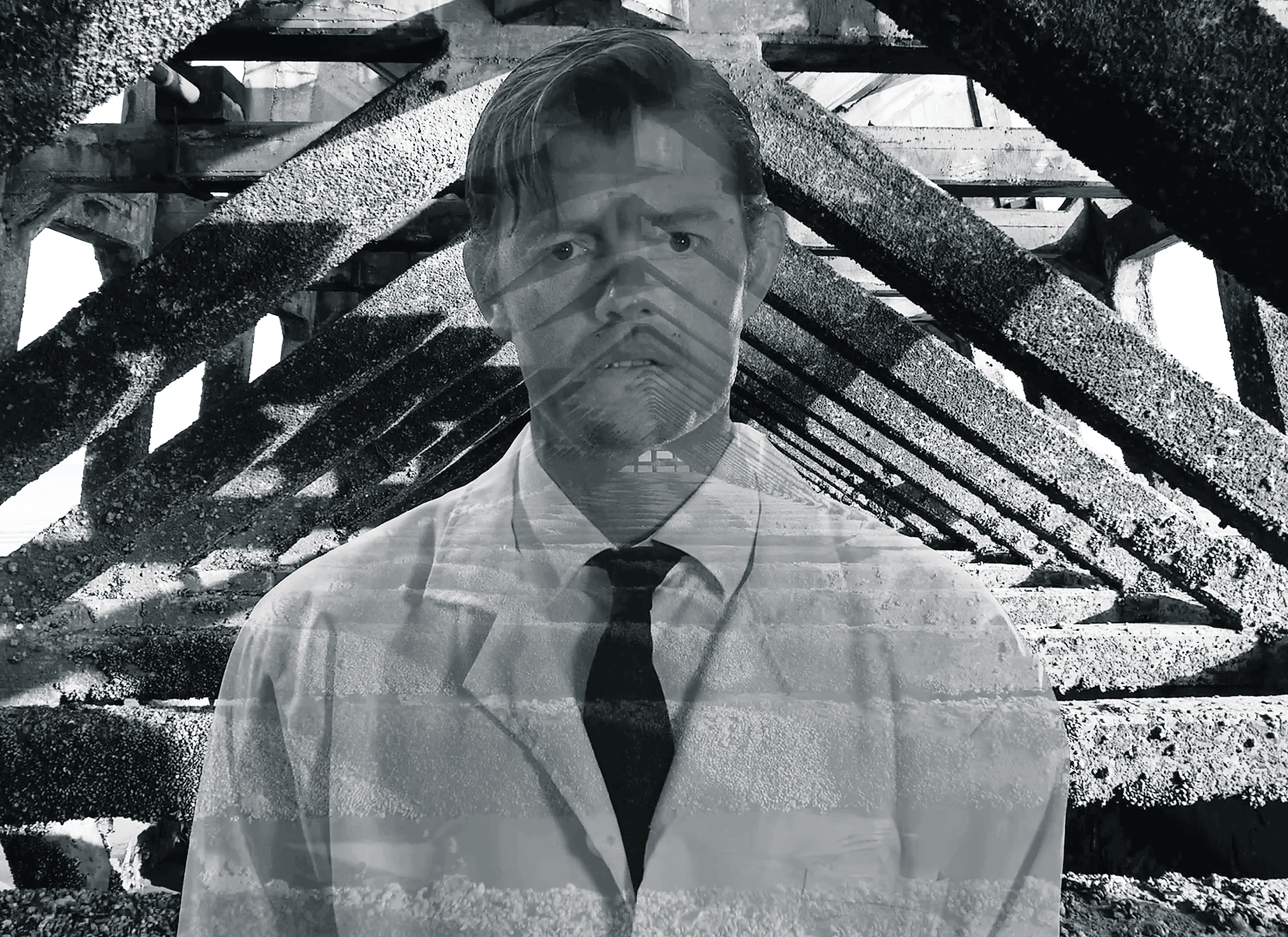
Sam Riley in the ‘scrappy mini-odyssey’ Bulk
Bulk
(90 mins, 15) Directed by Ben Wheatley; starring Sam Riley, Alexandra Maria Lara, Noah Taylor
The filmography of the British director Ben Wheatley is wildly unpredictable. While plenty of film-makers intersperse big budget studio pictures with smaller, more personal works, it’s hard to imagine many others could nimbly jump from the jaws of the sharksploitation sequel The Meg 2 to something as defiantly lo-fi and quirky as this micro-budget sci-fi conspiracy picture.
Starring Sam Riley as a journalist who is abducted while investigating the disappearance of a CEO whose inter-dimensional experiments disastrously backfired, the film is a scrappy black and white mini-odyssey with an aesthetic that leans heavily on cardboard and string. I can’t say that it all makes a great deal of sense, but the film’s playfulness and teasing meta humour is appealing.
State of Statelessness
(106 mins, 12A) Directed by Tenzin Tsetan Choklay, Sonam Tseten, Tsering Tashi Gyalthang, Tenzing Sonam, Ritu Sarin; starring Tenzin Choegyal, Thupten Dhargay, Kalsang Dolma
An anthology of short films created by members of the Drung Tibetan film-makers collective, State of Statelessness offers perspectives of lives lived life in exile. The quality of the four chapters can be a little uneven: the first, which follows a Tibetan man and his daughter now living in Vietnam, is the weakest. Grief and bereavement are recurring themes, together with a sense of rootlessness that comes from having ancestral connections to a land forcibly severed. The final story, about a son’s discovery of a family secret in Dharamshala following the death of his father, is the most intriguing and accomplished.
Photographs by Searchlight Pictures/Netflix/Nick Gillespie