
Related articles:

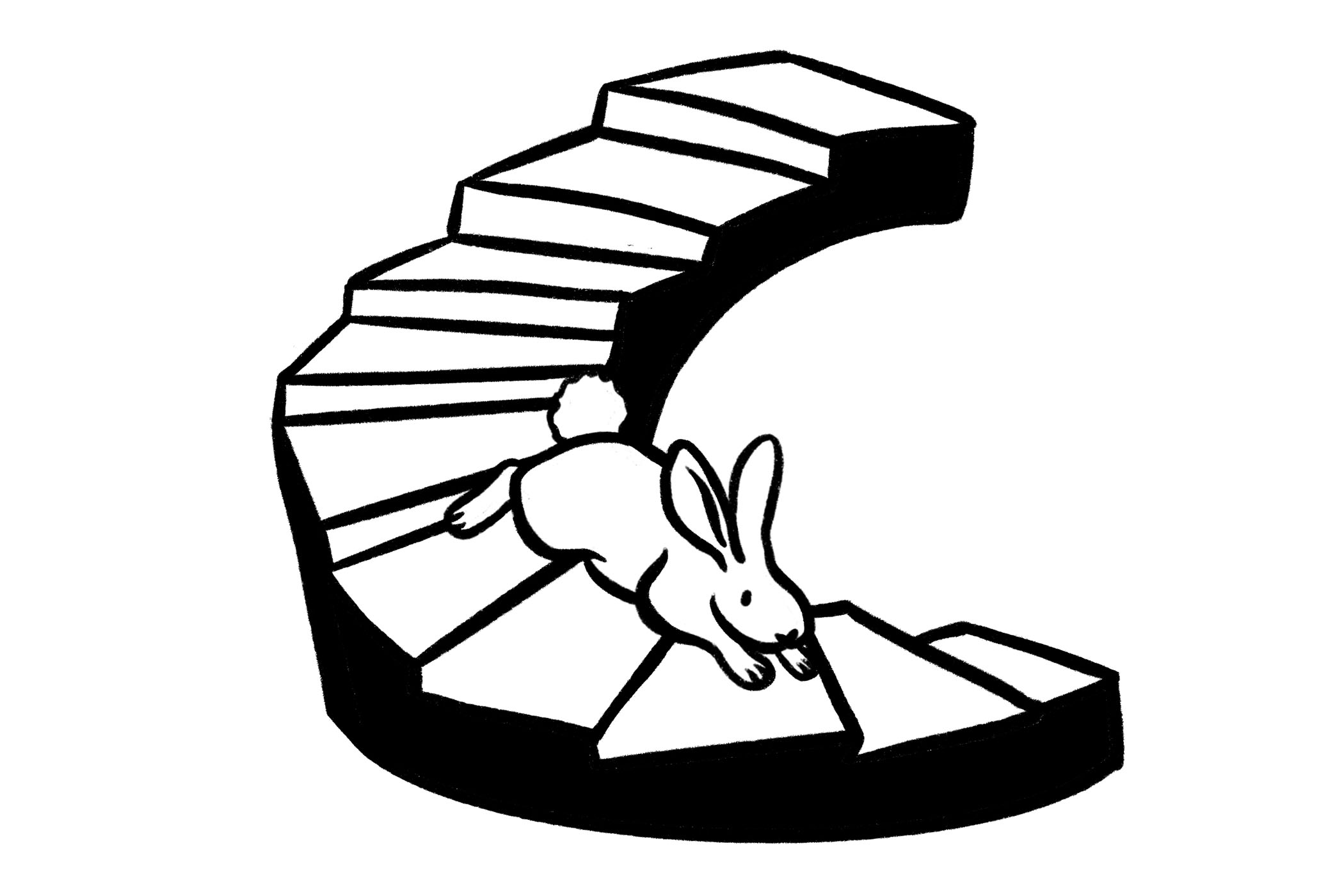
Jack White is standing at the entrance to an outbuilding on the edge of his seven-acre home in Nashville, waving a welcome with an arm splashed with colourful lacquer. The musician, record label boss, furniture restorer and sculptor beckons me into a garage-like space that he calls his upholstery shop.
“I can see from the paint,” I say, “that you’ve been busy this afternoon…”
“Yeah!” he says, a bucket-sized Starbucks in one hand. “I’m trying to tidy everything up until the last second, because I had to leave town a couple times.” One of those trips from the city he’s called home for 21 years was to perform at the Coachella festival; another was to appear on Saturday Night Live with Jack Black (see what they did there?). “And my mother passed away.” He briskly moves on. “But when you have a deadline… there’s gonna be multiple interruptions.”
White’s first exhibition, titled These Thoughts May Disappear, is being staged at Damien Hirst’s Newport Street Gallery in London this summer. “A lot of the sculptures and paintings have already gone. But the [final] deadline is today, and they’re going to come pick up stuff…”
Here in his workshop, White is finishing the final pieces for the exhibition. The gallery’s seven rooms will be filled with artworks – utilitarian, grungy, outsider, “pop” – created by White over the years. They include rebooted furniture; hardware-store art; constructions fashioned from rubbish found in alleys (“I drive around town and go behind industrial buildings”), and many variations on a dapper, slicked-hair figure that he calls Ukulele Joe. “He’s been my idol for my whole adult life,” White says.
There’s a “wine merchant” version of Joe, a small figurine in 3D-printed plastic surrounded by spray-painted likenesses of grapes. There’s a 6ft version, which is still two inches shorter than White. “And this is the Fordite model,” says White. “I just finished this up a couple days ago. Fordite is a material they had at the Ford plant in the spray booth for the cars,” he explains. It’s also known as Detroit agate, after the city where White grew up. “I painted it a different colour every day for 30 days. Then I sandblasted down to the different layers. At first, it was going to be like; ‘Joe’s afflicted with some kind of leprosy.’ But I didn’t want to offend anybody.”
Newsletters
Choose the newsletters you want to receive
View more
For information about how The Observer protects your data, read our Privacy Policy
White leads me to a corner of this workshop filled with art, tools and raw materials, as well as the cutting table and three sewing machines this keen upholsterer uses for coverings and cushions. He pats a small piece of statuary, the original Joe that sparked his obsession. It is a plaster piece from 1941 and would have been a carnival prize.
“We did a 3D scan, and then we were able to print 3D statues. And then I started airbrushing [them] – sheee sheee sheee,” he says, making an aerosol noise. “I was trying to ride the line of cheaply painting things, but also making it look like the dream prize if you were at a carnival shooting ducks with a pellet gun. Then, of course,” he adds, “the statues start being different versions of myself through the years.
“So I got a few more of this guy here,” he explains, jabbing and swiping at his iPhone. “I’m new to phones. So bear with me… ” A fetishiser of the analogue, White only recently got a smartphone, as a present from his wife, the musician Olivia Jean, for his 50th birthday. But he can’t find the other images of Ukulele Joe, so we move on.
“Come check out the sandblasting machine,” White says, leading me into a clean, white anteroom. “This was the coop where I had three white peacocks.” Now it’s home to an abrasive blaster: a freestanding glass case with black rubber gloves feeding into it. “So you can put an item in there and it’s really enjoyable and – holy shit!” exclaims White, jumping back and snatching his hand from within one of the gloves. He gently teases out lumps of moss and feathers. “Something’s been building a nest in here!”
The truck from Apollo Art Services arrives at the back gate. As his artworks, variously built from wooden pallets and inspired by mid-century carny gewgaws, disappear into the back of the vehicle, Jack White considers his creative MO.
“You’re taking something that’s discarded and bringing it back to life,” he says. “And I recently realised: I’ve been doing that with all the art forms I’ve ever been a part of. Both with music and sculpture.” He smiles. “It’s pretty funny that it’s taken me a lifetime to realise what I’ve been doing.”
More In Real Life: