

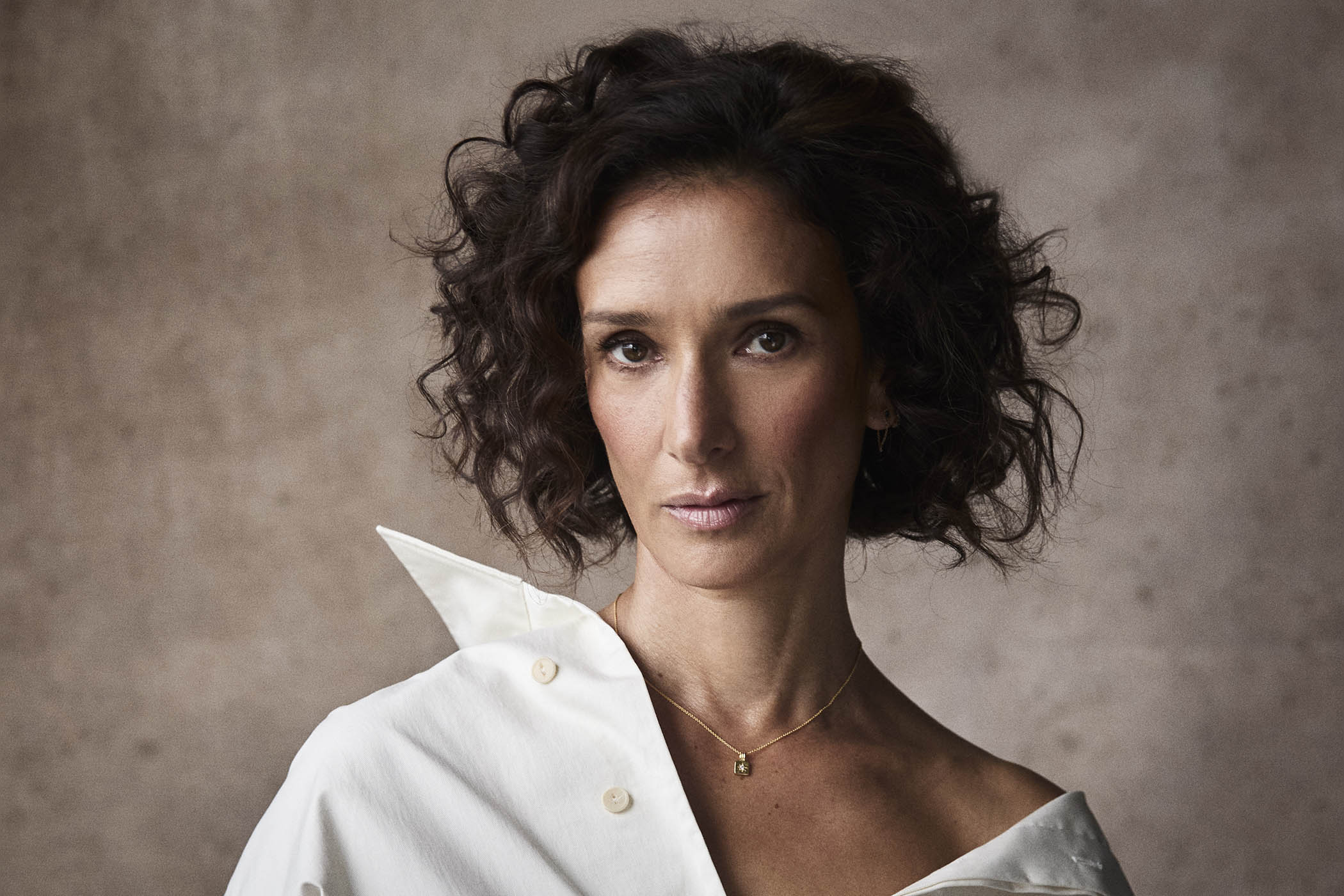
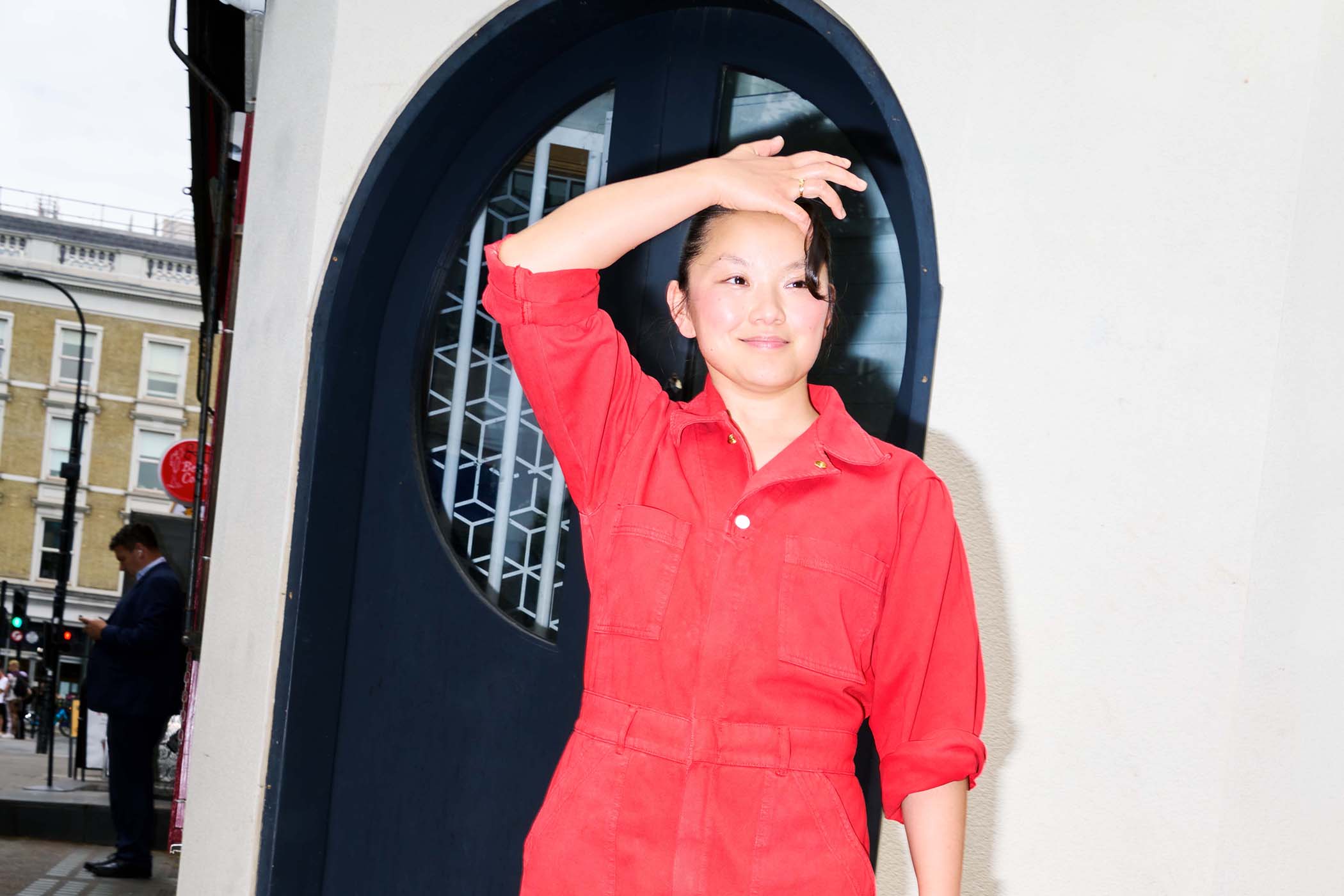
I live in the fishing port of Newlyn, and I know that Cornish myths are written by, and for, outsiders. Virginia Woolf (To the Lighthouse) was from South Kensington; Winston Graham (Poldark) from Manchester; Enid Blyton (The Famous Five) from East Dulwich; and Daphne du Maurier (My Cousin Rachel) from Hampstead. To their readers, Cornwall is not itself or anything close to it, but an Elysium. Yet there is a real Cornwall that the auteur Mark Jenkin has distilled into three extraordinary films – and his latest, Rose of Nevada, is his best so far.
First came Bait (2019), the story of Martin Ward (played by Edward Rowe, the “Kernow King”, Cornwall’s most famous living comedian). He’s a fisherman without a boat, facing the gentrification of his village and his expulsion from it: he saves up for a boat as his brother takes out pleasure cruisers for stag nights. It’s a film of great tenderness and menace, and it won the Bafta for outstanding debut by a British writer.
Jenkin’s aesthetic consciously evokes the subconscious because he believes only film can imitate a dream. His work is hand-shot and hand-developed; scratched, eerie and remote. But – and this is one of the paradoxes of his work – it feels more real for it.
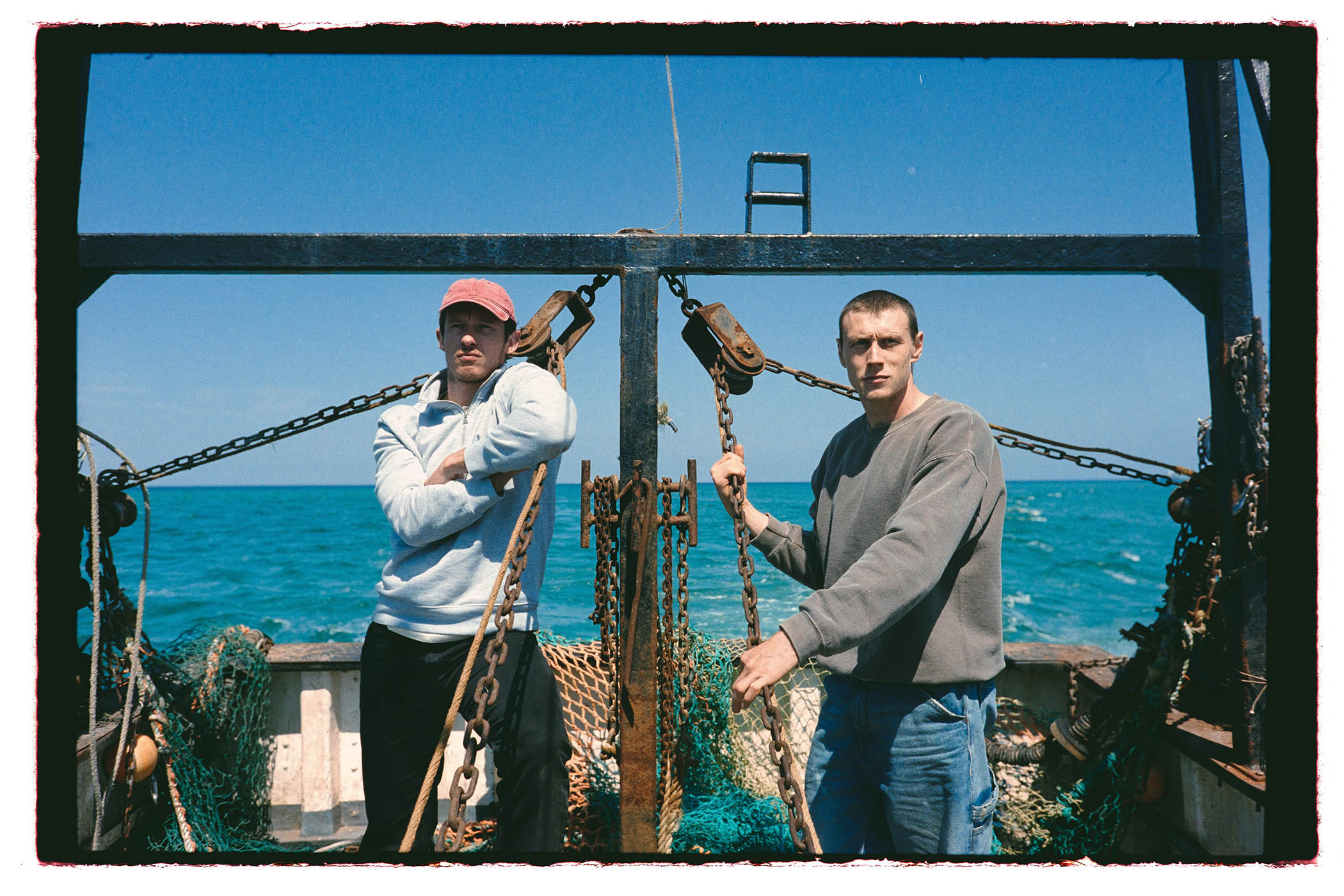
Callum Turner and George MacKay on board the fishing boat in Rose of Nevada
Enys Men (2022) – Cornish for “stone island” – was stranger still. A wildlife volunteer (Mary Woodvine) observes a rare flower on a Cornish island haunted by a menhir (standing stone), and accompanied by ghosts of bal maidens (mine maidens) and what appears to be a younger version of herself. When Enys Men was released, Jenkin told me he wanted to offer “a picture of working-class Cornish life away from the romanticised idyll that a lot of screen representations are. Cornwall was the heart of the Industrial Revolution, but we are thought of as a backwater full of ice-cream sellers. I wanted to put that on screen – and how quickly it all falls apart.” As a tribute to the landscape – almost nothing is as durable as granite – time is meaningless here. All the Cornwalls, and the Cornish, that have ever been collide.
Rose of Nevada is a ghost story too. A fishing boat – the Rose – appears in the harbour years after it was lost. The skipper, known as Murgey (Francis Magee), a Captain Ahab-like figure, crews it with lads Nick (George MacKay) and Liam (Callum Turner), and takes it back to sea. When they return – and I am not sure there is a bloodier representation of fishing on screen; it made me pity the fish – they are 30 years in the past.
I meet Jenkin by the war memorial near Newlyn harbour. His father was born here and his mother is from St Ives. His grandfather delivered fuel to the fishing fleet. Jenkin, a collector of “haunted” objects – he likes to think of his films in the BFI archive in Berkhamsted, Hertfordshire, long after his death – still has his grandfather’s old boilersuit. He is small and neat, suntanned under a straw hat, with a pin of a Super 8 film camera in his buttonhole. I have seen him with his real camera, filming women as they dance along the road.
Newlyn is no ordinary village: it had its own artists’ colony, the Newlyn school of painters (which included Stanhope Forbes and Walter Langley), and has its own school of art today, and an independent cinema. But the fishing defines it. Jenkin once told me: “If the fishing is here, the soul of Newlyn is intact. Without it, there is no soul to the place.”
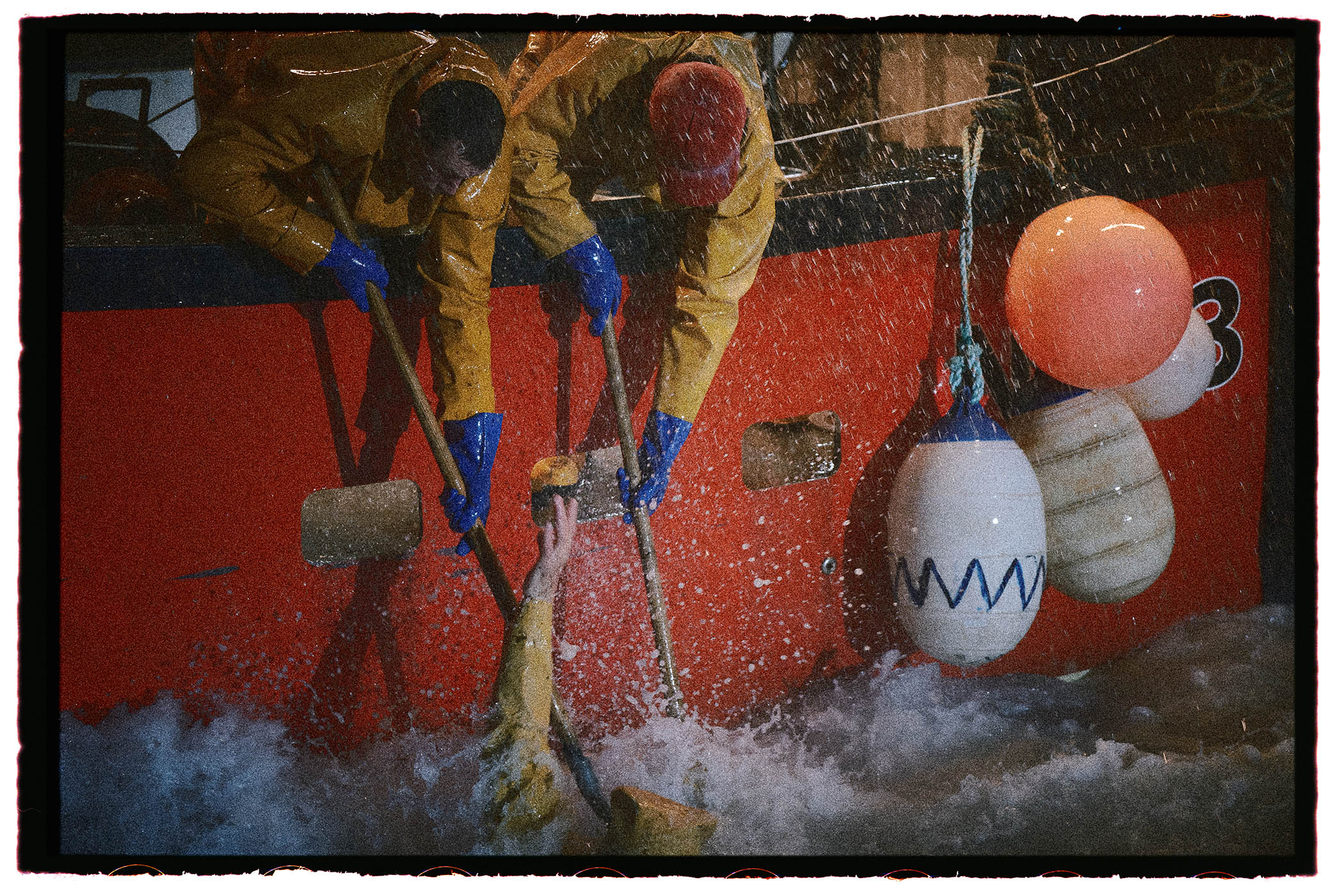
‘I am not sure there is a bloodier representation of fishing on screen’: Rose of Nevada
Jenkin wrote Rose of Nevada at the beginning of the first lockdown. He had the first scene – “the boat being found in the harbour 30 years after it was lost at sea with all hands”– but Woodvine, his partner and collaborator, asked him: “Then what happens?” Jenkin didn’t know, so Woodvine said: “What happens if not everybody in the community is entirely surprised that the boat’s come back?”
This was, Jenkin says, “the masterstroke. Maybe they see it as a sign that the economic fortunes of the town are going to turn around, and they put the boat back into the fleet.”
For me, this is very Cornish: unshockable, practical, fatalistic, unafraid. Commercial fishing is one of the most dangerous jobs there is. Jenkin says: “I write what I see,” and his watching of Cornwall is obsessive: lichen, seawater, rain and blood. He and Woodvine wrote the story in one night.
Newsletters
Choose the newsletters you want to receive
View more
For information about how The Observer protects your data, read our Privacy Policy
He thinks the yearning for time travel is less political than personal. It’s true that in Rose of Nevada the post office of 1993 is the food bank of 2023; he reminds me that Newlyn’s long-gone post office is just a few metres from where we sit. It’s also true that his 1993 Cornwall is more vital and busy. “But it’s dangerous to lament the past in a romanticised way,” he says. “There are political movements based on that. It’s too easy and it’s dangerous.” Rather, in 1993, he was 17: “What a sweet spot that is. You’ve got autonomy and no responsibility.” The more he thinks about it, he says, “the more I think I’m going back to age 17, which is a very significant time”.
Jenkin’s work is filled with people who do not know who, where or why they exist in a landscape that others experience as mythical
Jenkin’s work is filled with people who do not know who, where or why they exist in a landscape that others experience as mythical
He grew up in St Minver, north Cornwall, feeling alienated: the holidaymakers brought that alienation with them, like a bucket and spade. He remembers being told not to climb on a cliff by a tourist at Greenaway after he knocked a piece of rock from it. The tourist wanted the cliff unchanged – preserved – for himself, because he didn’t understand Cornwall. Jenkin recalls a beach party he attended as a teenager, where “suddenly, you look round and you realise you don’t know anybody, but everybody there knows each other. This is our place, but we don’t know anybody.”
And that is the story he tells. Jenkin’s work is filled with people who do not know who, where or why they exist – if they exist – in a landscape that others experience as mythical. “Only one thing worse than being at sea,” says Murgey in the film. “Not being at sea.” If the skipper ever had a real name, he has forgotten it.
For Jenkin, “Cornwall is the centre of the world”. I think of the first time I saw the Kernow King’s standup set, with a map of Cornwall as the centre of the world behind him. “There she is,” he said, pointing at it, love heavy in his voice. Jenkin is the same. “I couldn’t wait to leave, and as soon as I left, I became the most Cornish person in the world. It took me going up country to realise how unique Cornwall was. Not to say good or bad, but unique, as in, tied to who I am. It’s the only place I’ve ever had an intimate relationship with. I’ll never move away again”.
In the film, before the Rose returns, Nick collects a box from the food bank for his girlfriend Emily (Mae Voogd) and their daughter. He fails to fix the roof in Cornwall’s monstrous rain. Jenkin’s home too has a leak in it: “You have to be careful what you write,” he says, “because it ends up manifesting itself in your house.”
He adds: “When I write characters, they’re always me. I can’t write from any other point of view. I can’t escape from [the] self.” The only way to mitigate this, he says, “is by not writing much on the page so none of them have got any motivation or backstory”.
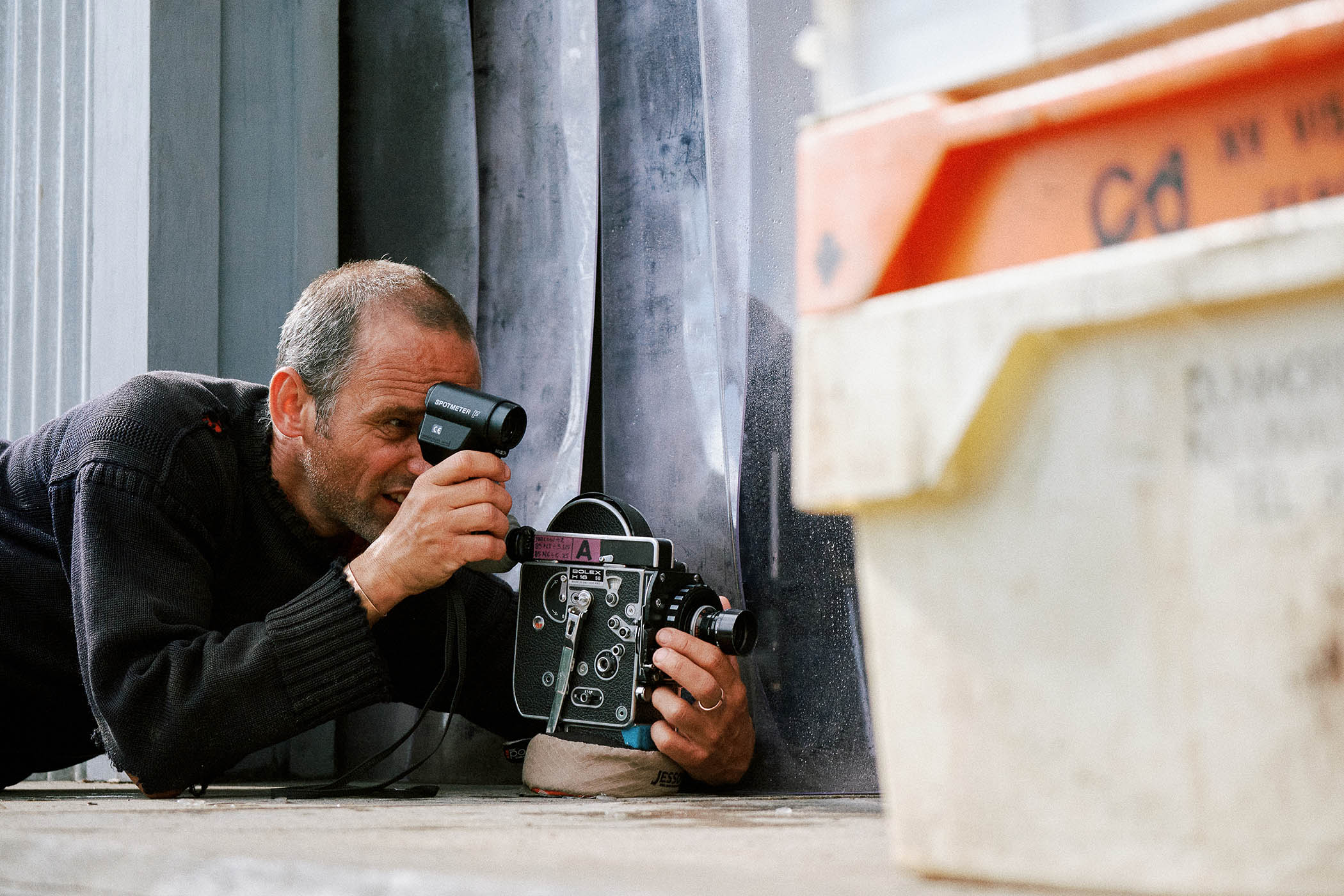
‘He believes only film can imitate a dream’: Jenkin on set with his hand-cranked camera
The actors “become the other half of those characters that are already half me”. The audience does the same, and that is why his films are riveting. You write yourself into the oblique, into the space Jenkin makes for you.
The film-maker and his stock company – which he only goes beyond when he must – have known these people all their lives. Magee was a fisherman as a young man, even on boats out of Penzance: compared with him, Robert Shaw’s Quint in Jaws is just parodic. Sometimes, Jenkin uses non-actors: in Bait, Martin Ward’s father was played by Martin Ellis, a fisherman. Isaac Woodvine, Jenkin’s stepson, who is cast as Ward’s nephew, Neil, refused to play a “generic” fisherman.
In Rose of Nevada, as the character of Liam and his wife, Tina (Rosalind Eleazar), watch TV in 1993, the continuity announcer trails a feature called Mineral Point. It’s the picture Jenkin is now writing: an American road trip that ends in what he calls the most Cornish place in the US, a city in Wisconsin called Mineral Point.
“I thought if I put it in Rose of Nevada, I absolutely have to make it,” he says, “else the space-time continuum of Rose of Nevada will break down.” Jenkin went to Mineral Point because he looks for Cornwall always. “There were Cornish flags everywhere.”
Jenkin believes that people come to Cornwall because they see something “different and ancient and intangible. That’s what I see.” But – and this is the other paradox of his work – his very specificity creates something universal.
I’m not sure why – like so many, I moved here because I loved Cornwall as a child – but I think it’s this: in its beauty and squalor, its children and its ghosts, Cornwall is like any other place: just more so.
“My film work is always about hireth,” he says. It’s a Cornish word, roughly translated as a longing for home. “It could mean a house, but it could mean a person. It could mean a time, right? It could just be a feeling. Anything can be hireth.”
He was discussing it with a friend, he says: “And this person said, ‘It seems like you’re describing the return to the womb – and safety.’” Jenkin replied: “It could mean that, but I wasn’t thinking that.” So she reminded him of Murgey’s refrain on the sea, when the hold is full and the danger is gone: “Home to mother.”
Rose of Nevada is in cinemas now
Photographs by Gareth Cattermole Getty Images for IMDb/Steve Tanner/Ian Kingsnorth