


You Seem Pretty Sad for a Girl So in Love
Olivia Rodrigo
(Geffen)
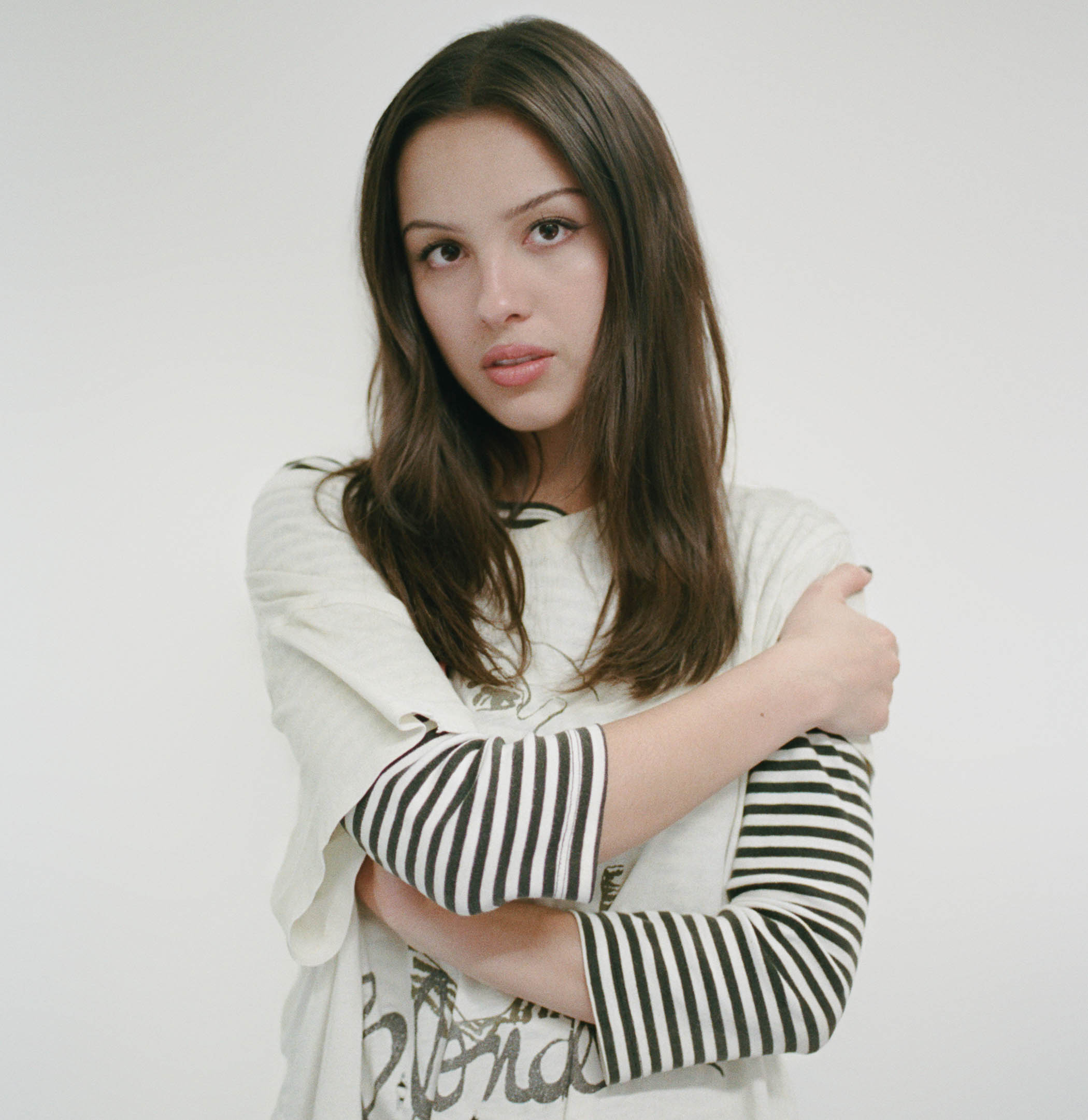
Gen Z pop phenomenon Olivia Rodrigo has become known for her caustic, one-word album titles – Sour (2021), Guts (2023) – and her 90s alternative influences. With its verbose title, You Seem Pretty Sad for a Girl So in Love breaks with the past. However, her love for the Cure remains, while 80s new wave is her latest thing.
You Seem Pretty Sad… charts a relationship from its giddy beginnings to its curdled ending – chiming, it seems, with the breakup of Rodrigo and her ex, British actor Louis Partridge. Its high points include The Cure, a swelling guitar track that nods to Rodrigo’s friendship with Robert Smith (he guests on What’s Wrong With Me).
Expectations is another hoot, where the scales fall from Rodrigo’s eyes; it sounds a little like Taylor Swift singing Gary Numan’s Cars. Swift’s influence – bridges, snappy endings – continues to hang over Rodrigo’s songwriting, in a good way. What’s less fun is how easily Rodrigo’s spiritedness is smoothed by the sheen of electronic pop on songs such as Purple, and how emotionally pivotal songs, including Begged and Cigarette Smoke, receive such conventional, middling treatments. Kitty Empire
Castle Park
Graham Coxon
(Transgressive)
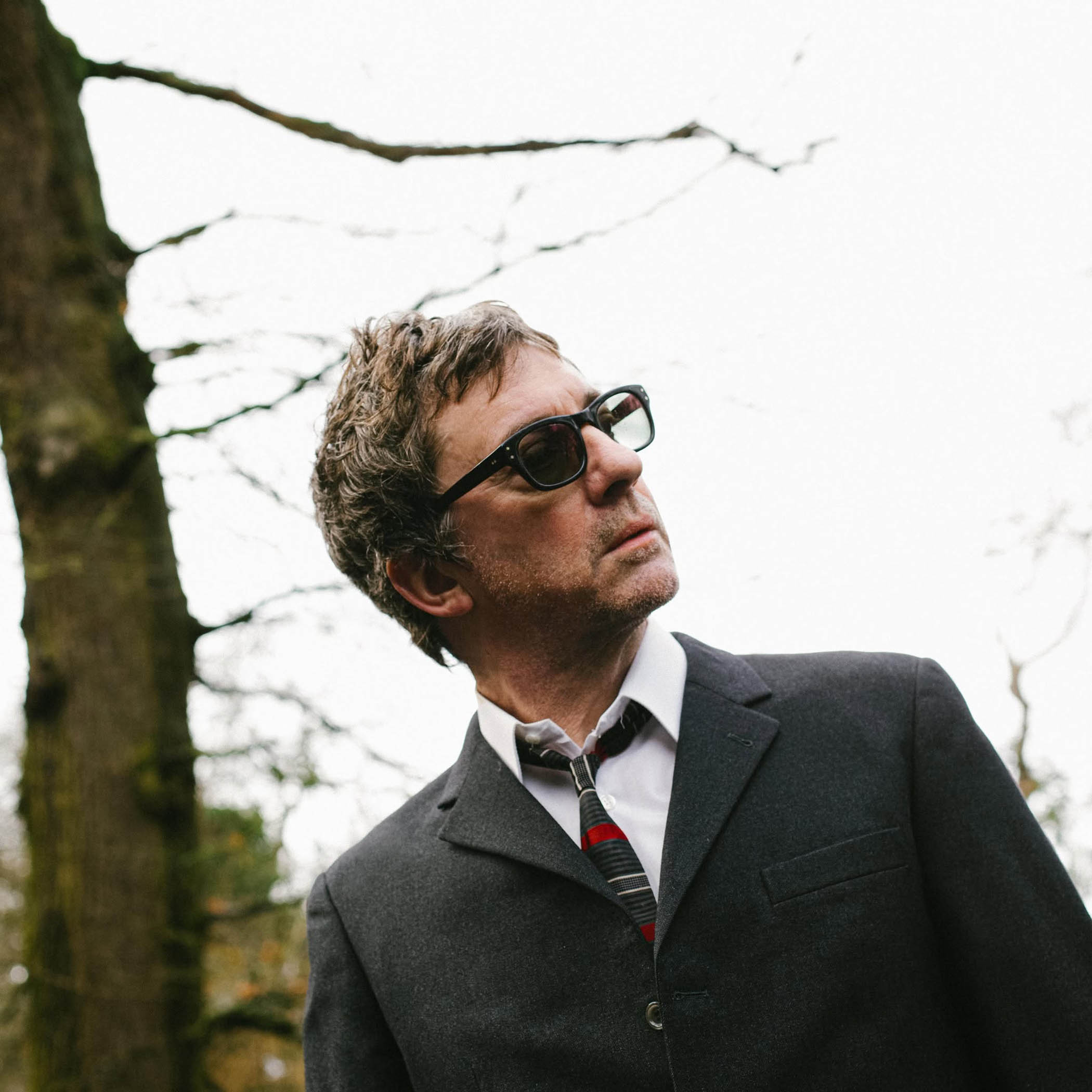
Originally recorded in 2011 with Blur’s Think Tank producer Ben Hillier, the tracks that form Castle Park have sat benched ever since, sidelined in favour of the spikier session material that would comprise Graham Coxon’s eighth solo album, A+E. You can see why the two collections would have been strange bedfellows. Channelling jangly mod-isms on Billy Says, and featuring a time-warping beat-pop cover of the Nerves’ 1976 single When You Find Out, Castle Park is a far more accessible record than A+E.
Finally seeing the light of day alongside a reissue of his entire back catalogue, however, it’s a timely reminder that – despite his infamous protestations over Blur’s Country House commercialism – Coxon can write melodies that are as classic and direct as they come. Alright stares jealously at a love rival “looker down the lane”, but is a charming stroll full of whistles and chipper bounce. Isn’t It Funny takes a left turn down a Scott Walker-influenced back alley, but by Forget Today he’s found a way to marry the fears with soothing organs and a little soul. Lisa Wright
Terrestrials
Pond
(Mangovision)
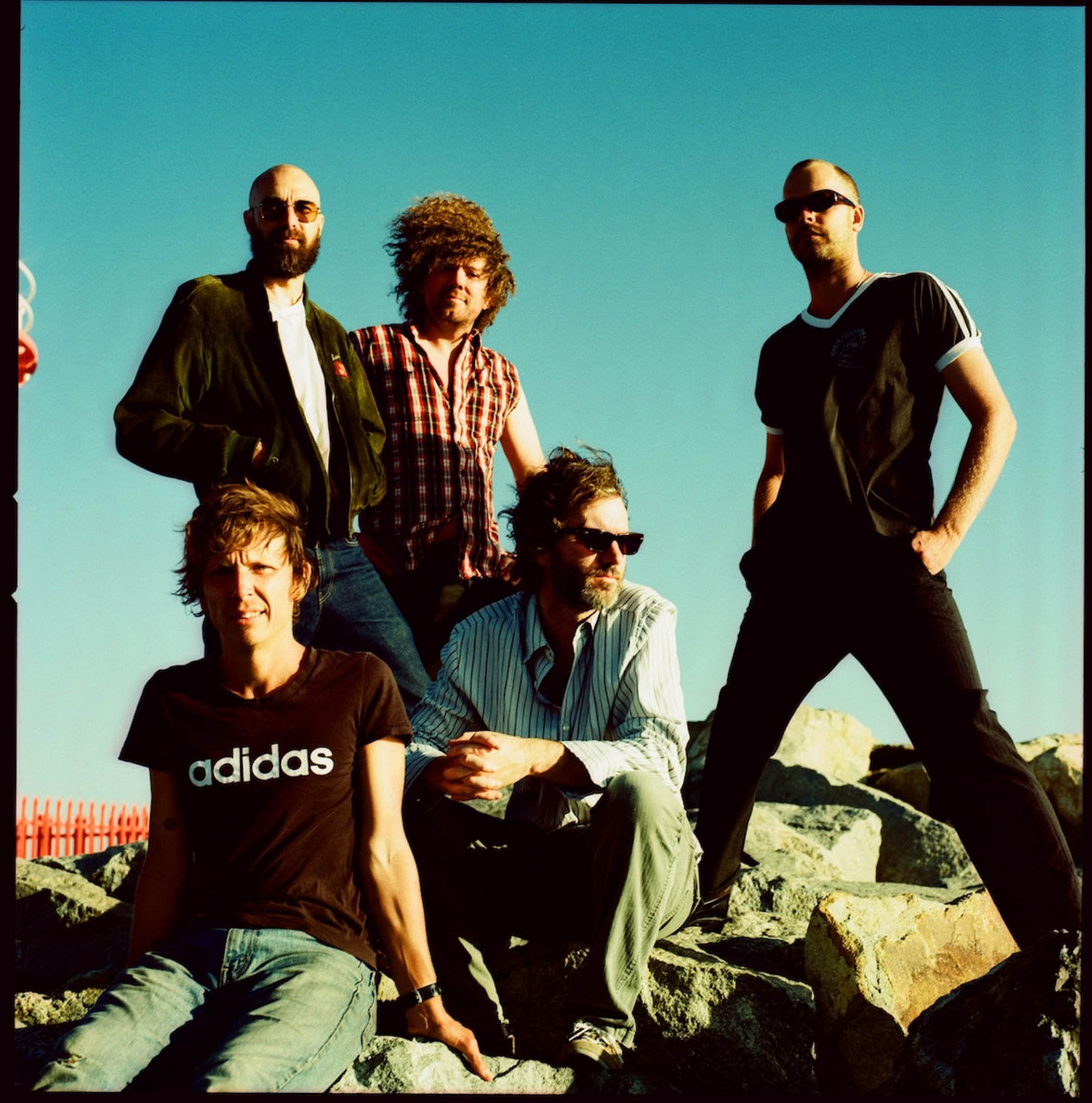
On their 11th album, Australian band Pond leave psychedelia further behind than ever before. The group, who formed in Perth in 2008, have shared members with Tame Impala’s live band, and the woozy 60s and 70s sounds that influence Kevin Parker’s writing have long been felt in their far-out rock. But Terrestrials might be their poppiest record yet.
From Casuarina, on which frontman Nick Allbrook sings about the plight of trying to earn a living in modern Australia over pummelling drums, to Personal Hell, which brings with it a churning joy despite its title, these tracks are melody-first. Climate concerns, which have increasingly taken over Pond’s lyrics, continue here, with characters dreaming “’bout the family home / Swallowed by the fires of 2019”, while on Skyworks, Allbrook puts a poetic spin on environmental collapse: “The future’s in the water / On my hands and knees / Fire blinds his daughter / And all the dead among the peppermint trees.”
The guitars of Roebuck Plains sound like bells, while the keys on Through the Heather call out like sirens. Freed from the wall of fuzz that often overpowers psych rock, Terrestrials sees Pond revealing their delicate side. Ellen Peirson-Hagger
The Myth We Choose
Nduduzo Makhathini
(Blue Note)
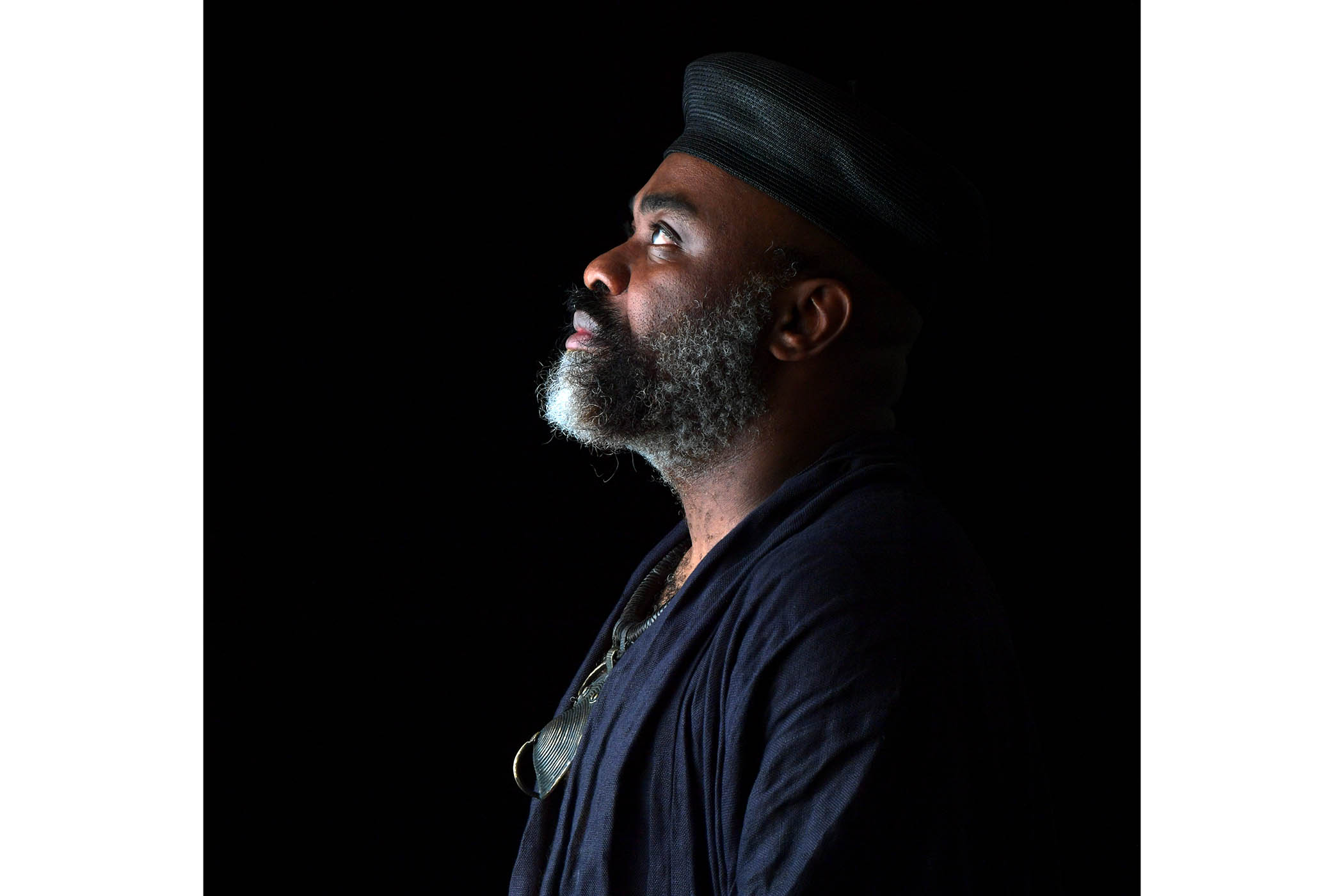
The South African pianist continues to stretch boundaries on his fourth album for Blue Note. His trio playing, alongside bass and drums, remains the centrepiece of his work, but is augmented here by a slew of guests – trumpet, flute, vocalists, co-productions with his 18-year-old son, Thingo – across a sprawling 16-track album. It’s a delicious if disorienting mixture, led by Kuzodlula, where Makhathini chants invocations to Zulu star gods while trumpeter Robin Fassie blows long, echoing lines reminiscent of the late Don Cherry. The trio work slips from hushed, meditative pieces such as Kwamabili to the percussive Imvunge KaNtu, on which the pianist pecks obsessively at an unresolved riff.
The collaborations are rich. On Liyoze Line Nangakithi, Makhathini and Shabaka Hutchings perform in a complex dance of keyboards and flute. Makhathini’s wife, Omagugu, delivers muscular vocals on What People Say, while Thando Zide purrs her way through Tethered, a tribute to romance. Suffusing everything is Makhathini’s shamanic world view, whether it touches on climate, numerology or the creation of myth. Neil Spencer
Photographs by Xavi Torrent, Olivia Parker, Graham Coxon, Bandcamp, Siphiwe Mhlambi
Newsletters
Choose the newsletters you want to receive
View more
For information about how The Observer protects your data, read our Privacy Policy